

Category 3 Pathogens and Sewage Cleanup Denver: The Science of Restoration
When a main sewer line backs up into a Denver home, the situation is far more than a simple plumbing inconvenience because it represents a major biological hazard. In the restoration industry, backed up sewage is classified as Category 3 water, or black water, because it contains highly unsanitary contaminants. This type of intrusion can cause severe illness if not handled with professional Sewage Cleanup Denver protocols. For families in high-traffic households, the priority is not just removing the standing water but achieving a level of clinical wall-to-wall disinfection that ensures the living space is safe for children and pets to occupy once again.
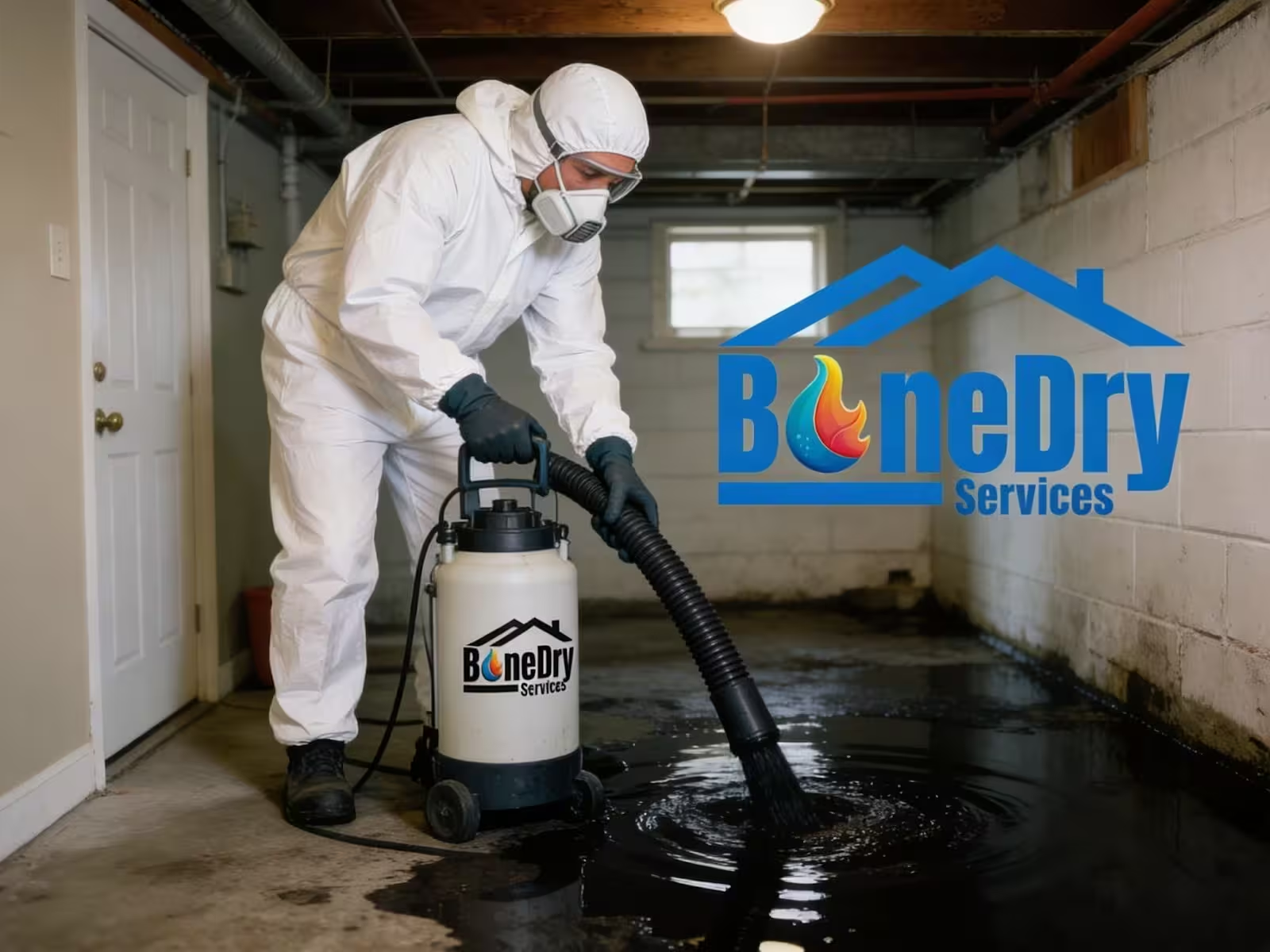
The Biological Reality of Black Water and Sewage Cleanup Denver
The science of Sewage Cleanup Denver begins with understanding what is actually living in the water. Unlike "Gray Water" from a washing machine, black water is teeming with a cocktail of pathogens including E. coli, Hepatitis A, Salmonella, and various parasites. These microorganisms thrive in the porous materials of your home such as carpet padding, drywall, and subflooring.
Because these pathogens are microscopic, they can easily become airborne during a flood event, which creates an inhalation risk for everyone in the building. A standard mop and bucket are completely insufficient for sewage restoration because they simply spread the bacteria around rather than neutralizing it at the molecular level. Professional extraction via a proper sewer clean out is the only way to ensure these contaminants are physically removed from the structural pores of your property.
Immediate Safety Actions for Homeowners
If you discover backed up sewage in your basement or crawlspace, follow these safety steps immediately before our team arrives:
- Evacuate the Area: Keep children, pets, and elderly family members away from the affected rooms to prevent tracking bacteria or inhaling fumes.
- Shut Down the HVAC: Turn off your furnace or AC to prevent the "Stack Effect" from pulling contaminated air into the rest of the home.
- Avoid DIY Cleaning: Do not use household fans to dry the area, as this will aerosolize pathogens and spread them into your vents.
- Switch Off Power: If it is safe to reach the breaker box without stepping in water, turn off electricity to the flooded zone to prevent electrocution.
The 5-Step Scientific Process for Sewage Restoration
To make a high-traffic family area safe again, BoneDry Services follows a rigorous process that goes far beyond surface cleaning. This scientific approach to Biohazard Cleanup ensures that the "invisible" threats are completely eliminated.
- Industrial Extraction: We utilize truck-mounted vacuum systems to remove standing water and solid waste quickly.
- Controlled Demolition: Saturated porous materials (carpet, padding, and insulation) are removed and disposed of as biohazardous waste.
- Antimicrobial Disinfection: We apply hospital-grade disinfectants to all structural surfaces, including floor joists and wall studs.
- ULV Fogging: We use Ultra-Low Volume foggers to distribute specialized odor-neutralizers and antimicrobials into hard-to-reach cavities.
- Structural Drying: High-velocity air movers and LGR dehumidifiers are deployed to return the home to a "dry standard."
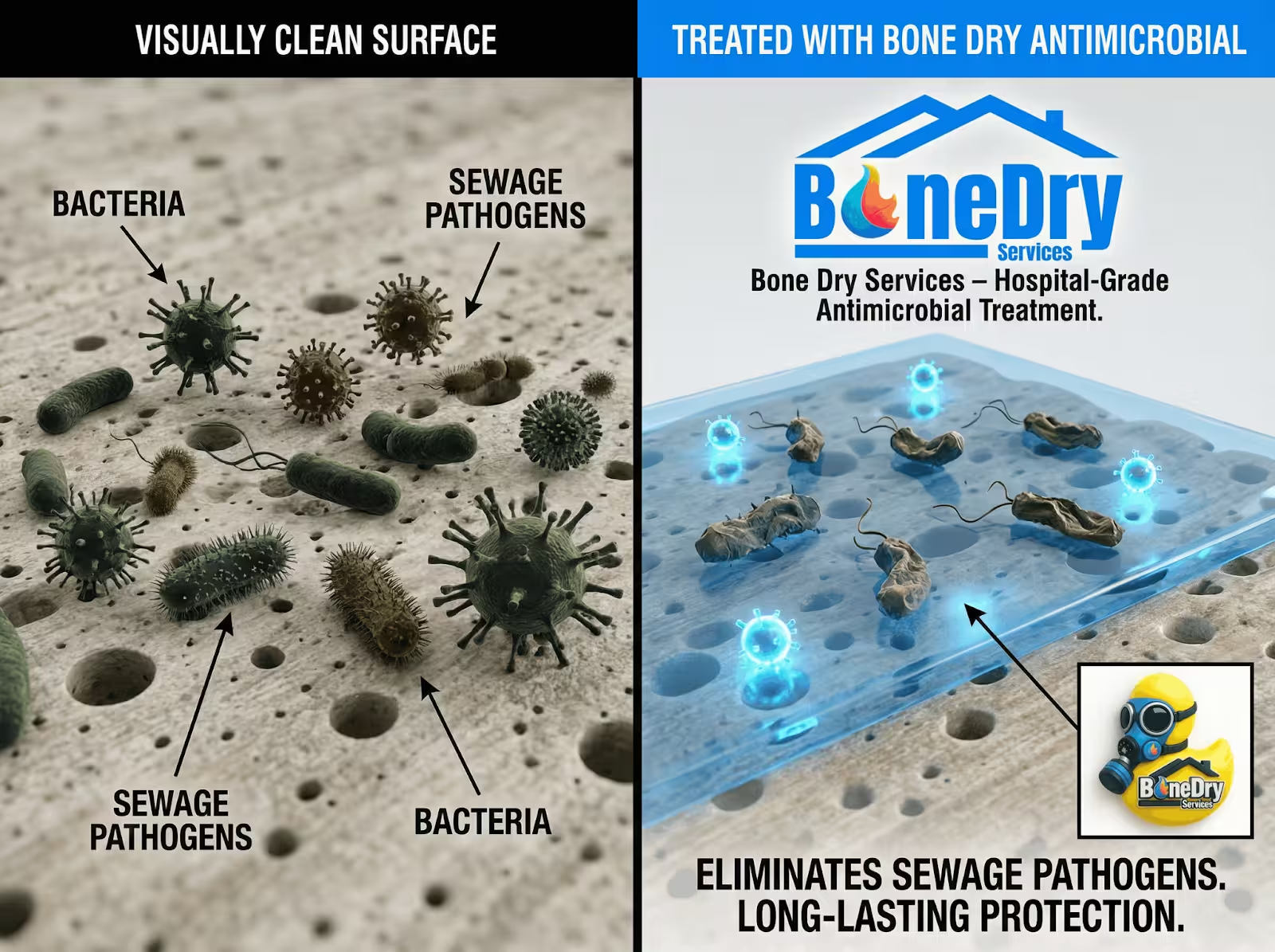
Scientific Drying and Air Quality Control
Even after the bacteria are neutralized, the moisture left behind can trigger a secondary mold crisis within 24 to 48 hours. Our structural drying and dehumidification protocol utilizes specialized equipment to pull deep-seated moisture out of the building materials.
HEPA Air Filtration for Respiratory Safety
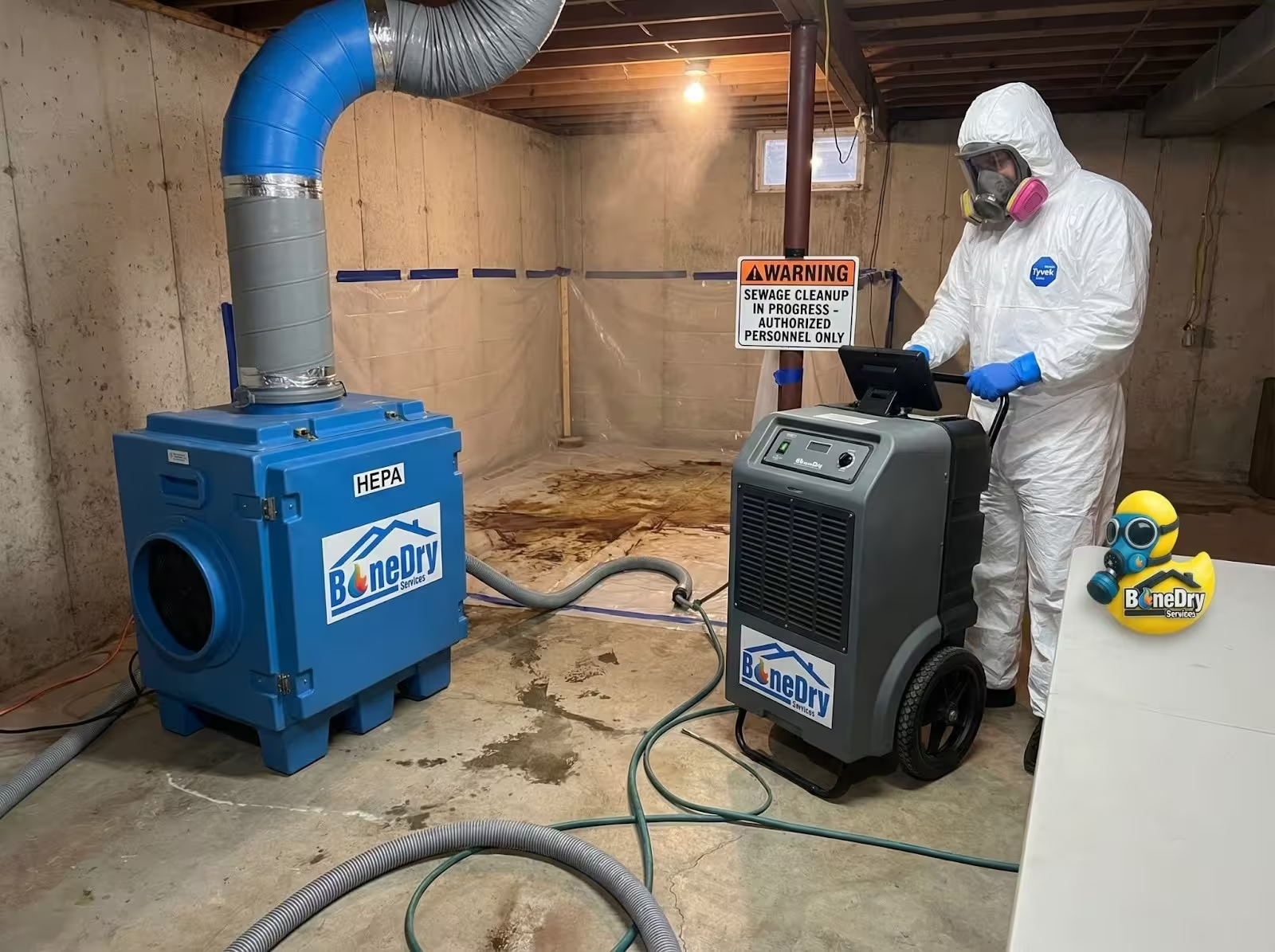
During the drying process, we utilize HEPA air scrubbers that filter the air in the room several times per hour. This is a critical component of Sewage Cleanup Denver because it captures any dry spores or bacteria that may have become airborne during the extraction. This ensures that the air your family breathes is just as clean as the floor they walk on.
Final Clearance and Moisture Monitoring
The final stage of sewage restoration involves moisture mapping and verification. We use non-invasive moisture meters to prove that the structural timber has returned to a safe level. This data-driven approach is why BoneDry Services is the trusted name for Sewage Cleanup Denver, as we provide the documentation your insurance company needs for a seamless Water Damage Restoration claim.
Why Professional Sewer Line Cleaning Matters
Many backups occur because of tree root intrusion or aging infrastructure in the Front Range. Investing in regular sewer line cleaning can prevent the catastrophic failure of your sewer clean out point. By maintaining your drains, you reduce the risk of high-toxicity black water entering your living space and requiring emergency remediation.
📞 Call BoneDry Services at (303) 276-4163 for professional Sewage Cleanup and biological disinfection today.
FAQ
Q1: How much is a sewage treatment?
The cost of professional Sewage Cleanup varies significantly based on the square footage affected and the category of the water. Residential projects typically range from a few thousand dollars to much higher if structural demolition is required to remove saturated drywall or flooring. Most homeowners' policies cover this cost through a specific sewer backup rider which our team can help you navigate during the claims process.
Q2: What are the 8 steps of sewage treatment?
In a restoration context, the steps include emergency assessment and containment followed by the removal of standing water and biohazardous materials. We then perform a deep antimicrobial cleaning and fogging before beginning the structural drying phase. The final steps involve detailed air filtration and a clearance inspection to ensure the property is 100% sanitized before the final reconstruction and restoration of the living space begins.
Q3: What is the largest sewage treatment plant in the world?
The Stickney Water Reclamation Plant in Cicero, Illinois is currently considered the largest in the world since it serves millions of residents in the Chicago area. While we focus on residential Sewage Cleanup, these massive municipal plants use similar biological and chemical filtration principles to neutralize the same pathogens our technicians encounter on a smaller scale during a basement backup or main line failure.
Q4: What are the three types of sewage treatment plants?
The three primary types include centralized municipal plants and decentralized package plants along with residential septic systems. Each system is designed to break down waste using primary or mechanical separation and secondary or biological treatment along with tertiary or advanced chemical filtration. If any of these systems fail near your home, professional Sewage Cleanup is required to mitigate the biological impact on your property.
Q5: What is the most expensive part of a septic system?
The soil absorption system or the drain field is usually the most expensive component because it requires extensive excavation and specialized gravel and piping. When a drain field fails, it often causes sewage to back up into the home through the lowest drains which necessitates immediate Sewage Cleanup. Replacing a drain field can cost upwards of ten to twenty thousand dollars depending on the soil composition and local Colorado regulations.
Q6: What is the lifespan of a sewage treatment plant?
Most residential septic systems and local treatment infrastructures are designed to last between 20 and 30 years with proper maintenance. However, shifting soils in the Denver area or the use of flushable wipes can significantly shorten this lifespan and lead to sudden failures. Regular inspections can prevent a catastrophic backup that would require professional Sewage Cleanup to restore your home’s safety and value.