Mold Remediation in Denver and Littleton: Crawlspace Encapsulation & Humidity Management
In the scenic communities of Littleton and the greater Denver area, homeowners often overlook the dark, cramped space beneath their feet. However, the dirt floor of a traditional crawlspace is a constant source of moisture. Without professional Mold Remediation Denver experts intervening, this dampness migrates upward, compromising your home’s structural integrity and the very air your family breathes.
The Hidden Science of the Stack Effect and Mold Remediation Denver
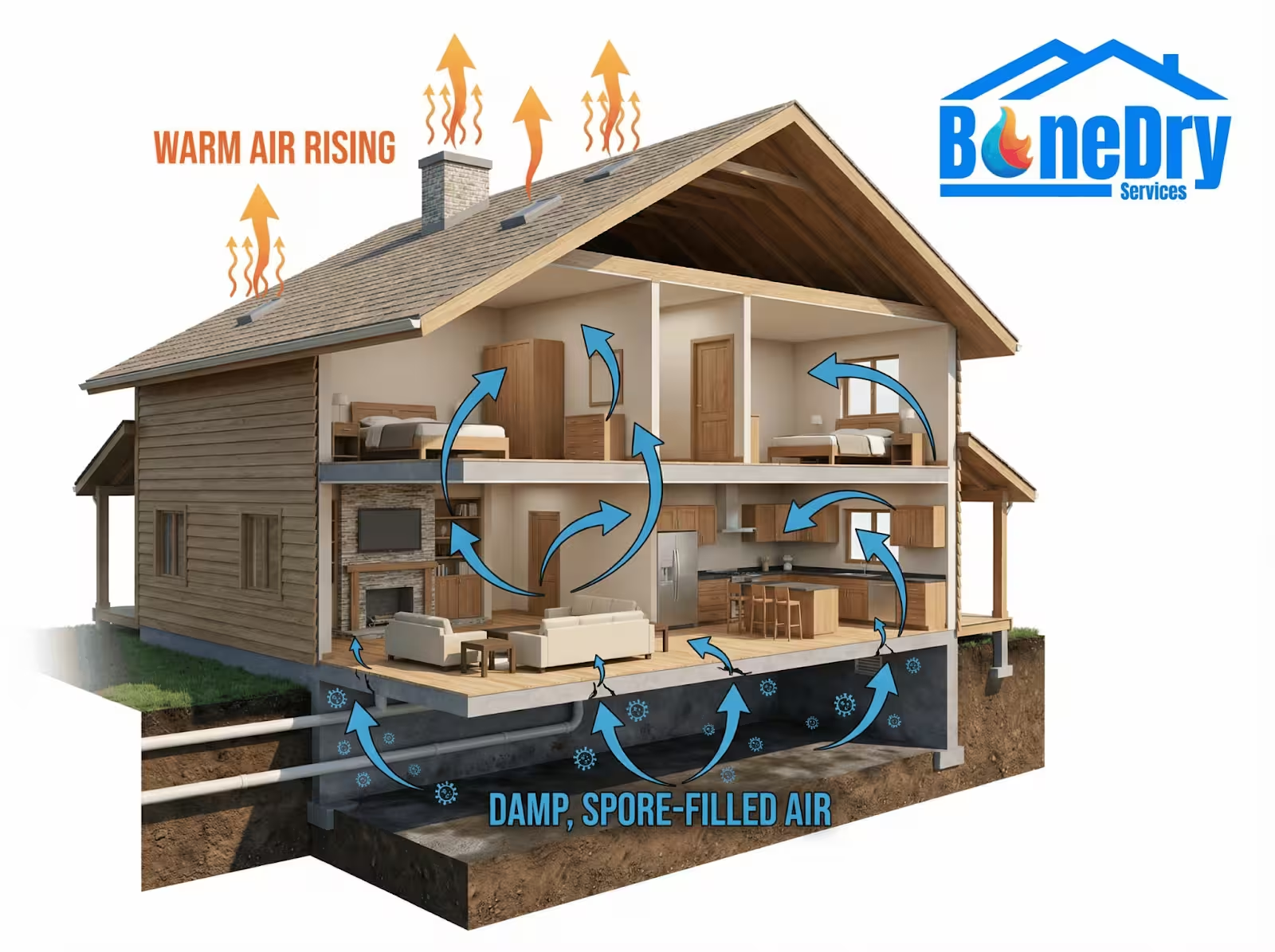
Understanding why your home needs Mold Remediation Denver starts with a phenomenon known as the "Stack Effect." Your house acts like a giant chimney; as warm air rises and escapes through the upper levels, it creates a vacuum that pulls air from the lowest point—the crawlspace—up into your living areas.
In Colorado, this means up to 50% of the air on your first floor originated in your crawlspace. If that space is harboring damp soil, open vents, or rotting organic matter, you aren't just breathing air; you are breathing fungal spores and soil gases. This is why Mold Remediation Denver is often a reactive necessity rather than a proactive choice. By the time you smell that "musty basement" scent in your Littleton living room, the Stack Effect has already distributed mold spores throughout your HVAC system.
Why Littleton Properties Face High Demand for Mold Remediation Denver
While Colorado is known for its semi-arid climate, the localized geography of Littleton—near the South Platte River—and heavily irrigated residential landscapes create specific humidity traps. These factors accelerate the need for professional Mold Remediation Denver services.
Localized Humidity and Fungal Colonization
When the relative humidity in a crawlspace exceeds 60%, mold begins to colonize organic materials like wooden floor joists and paper-faced insulation. Our Mold Remediation Denver specialists frequently find that Littleton homes with open foundation vents actually pull in more humid air during the summer, worsening the problem.
Expansive Soils and Subfloor Seepage
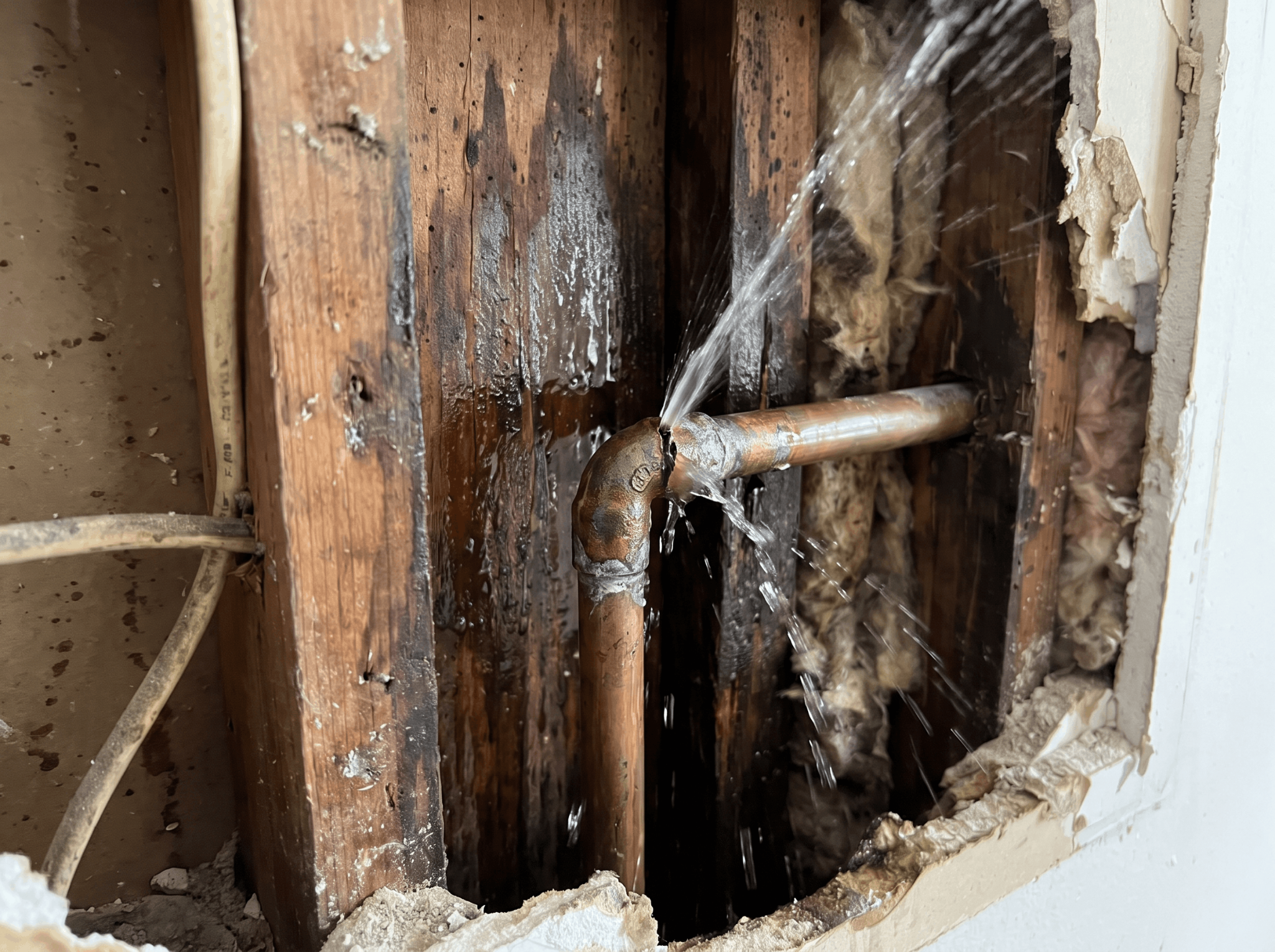
The clay-heavy soils common in the Denver area retain water long after the spring runoff has ended. This "hydrostatic pressure" forces moisture through porous foundation walls. Once the wood becomes saturated, it is only a matter of time before a homeowner requires Mold Remediation Denver to address structural rot. If this moisture leads to a larger flood event, you may also need to call for 24/7 Water Damage Restoration to stabilize the property before remediation begins.
The BoneDry Solution: Integrated Mold Remediation Denver and Encapsulation
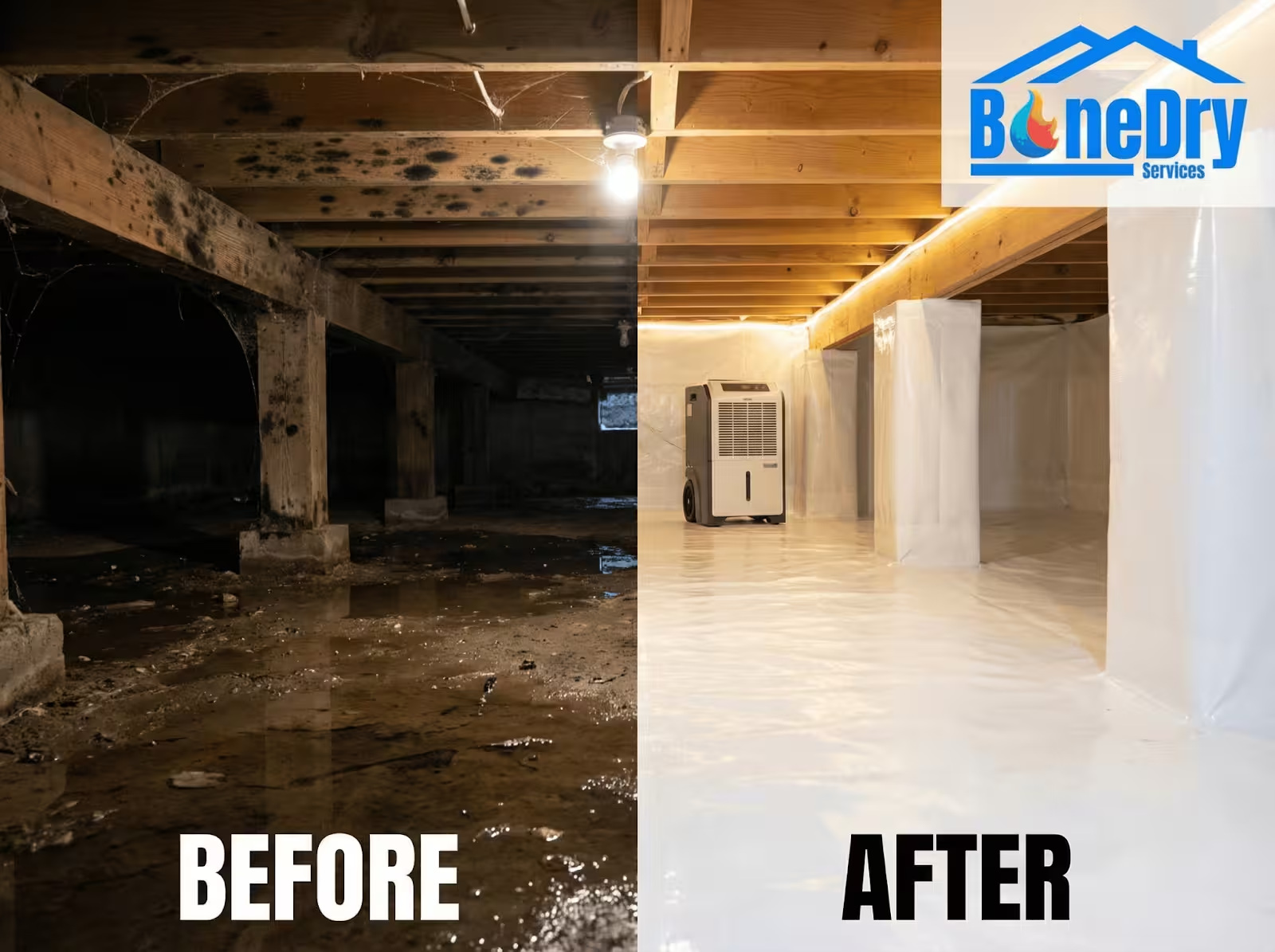
To permanently solve the moisture issue, we recommend a combination of expert Mold Remediation Denver and a full crawlspace encapsulation system. This process transforms a damp, dirty crawlspace into a clean, dry, and conditioned part of your home.
The Comprehensive Encapsulation Strategy
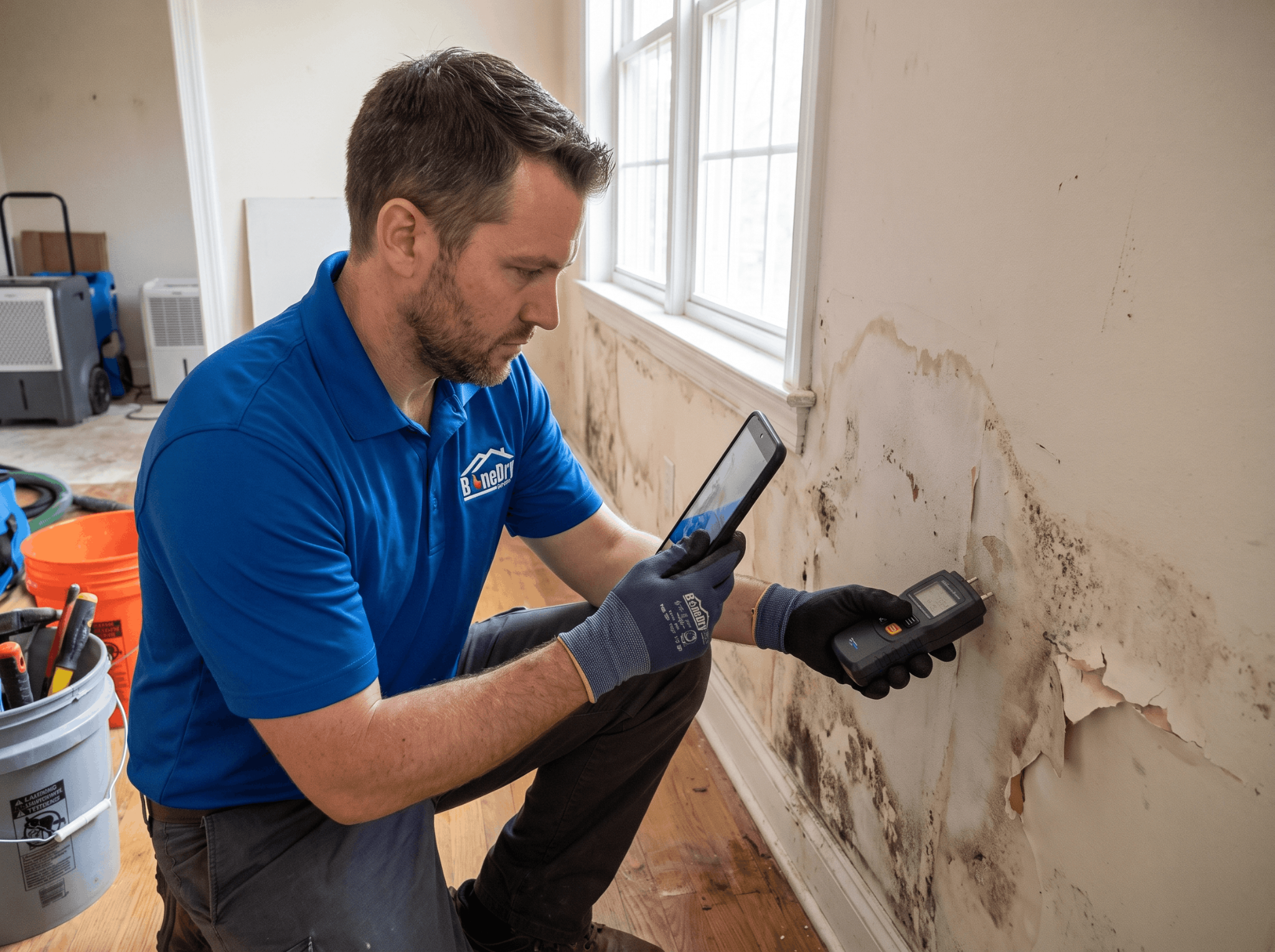
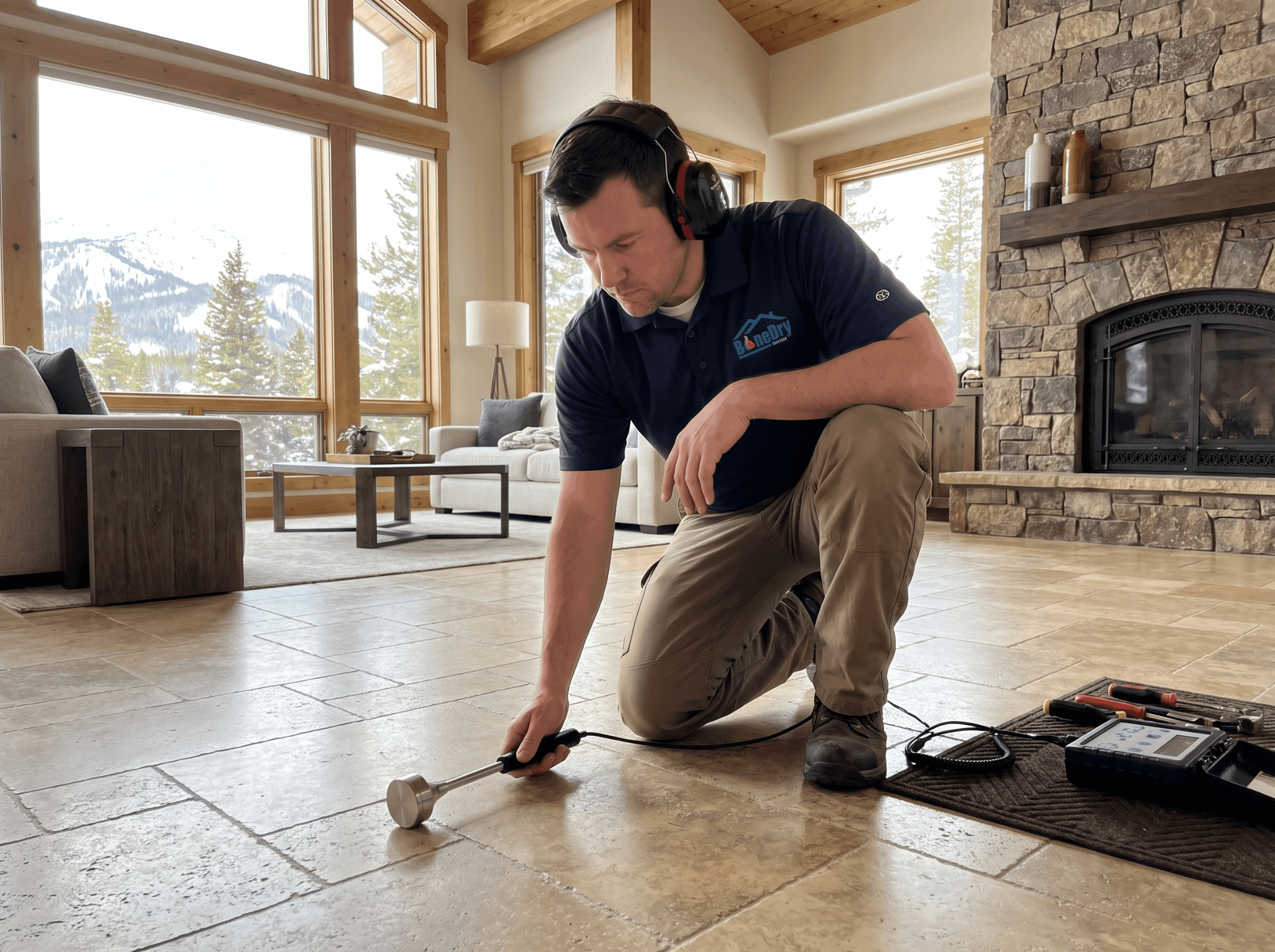
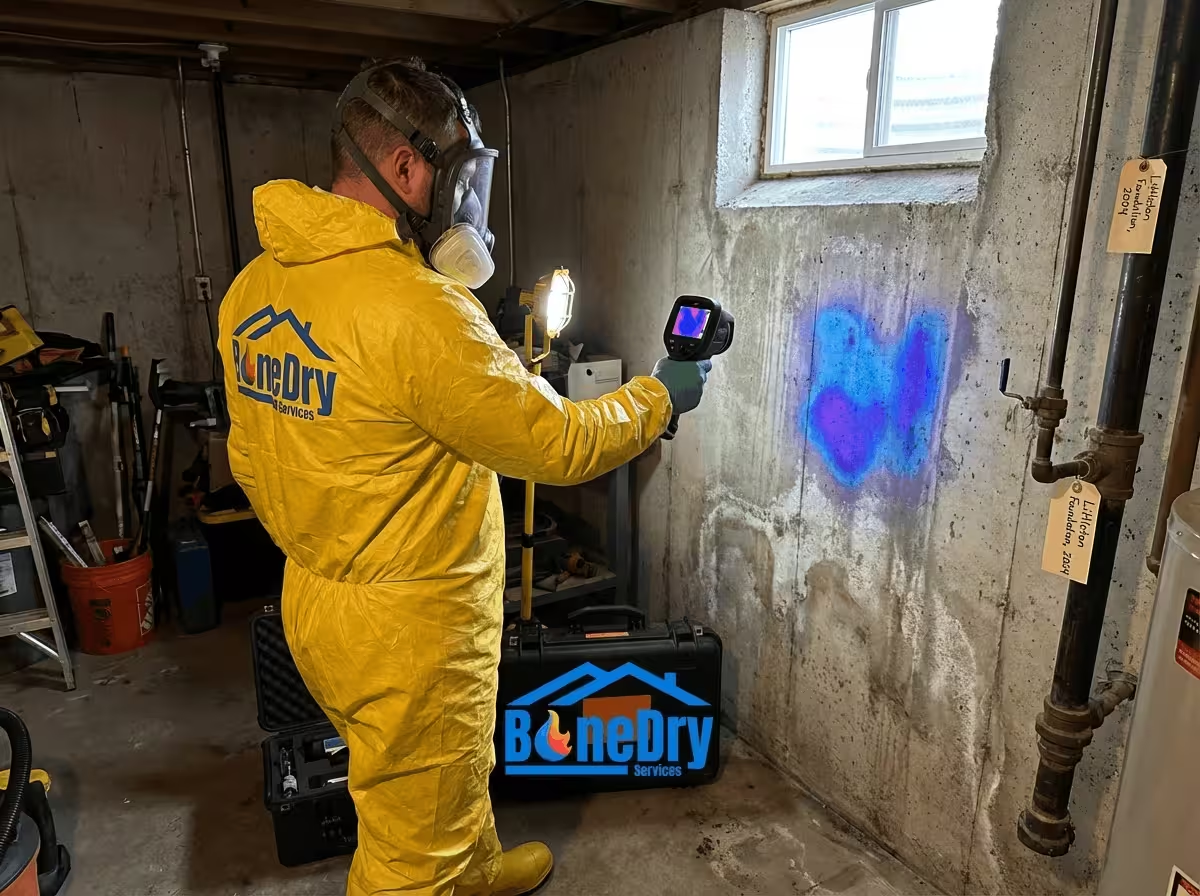
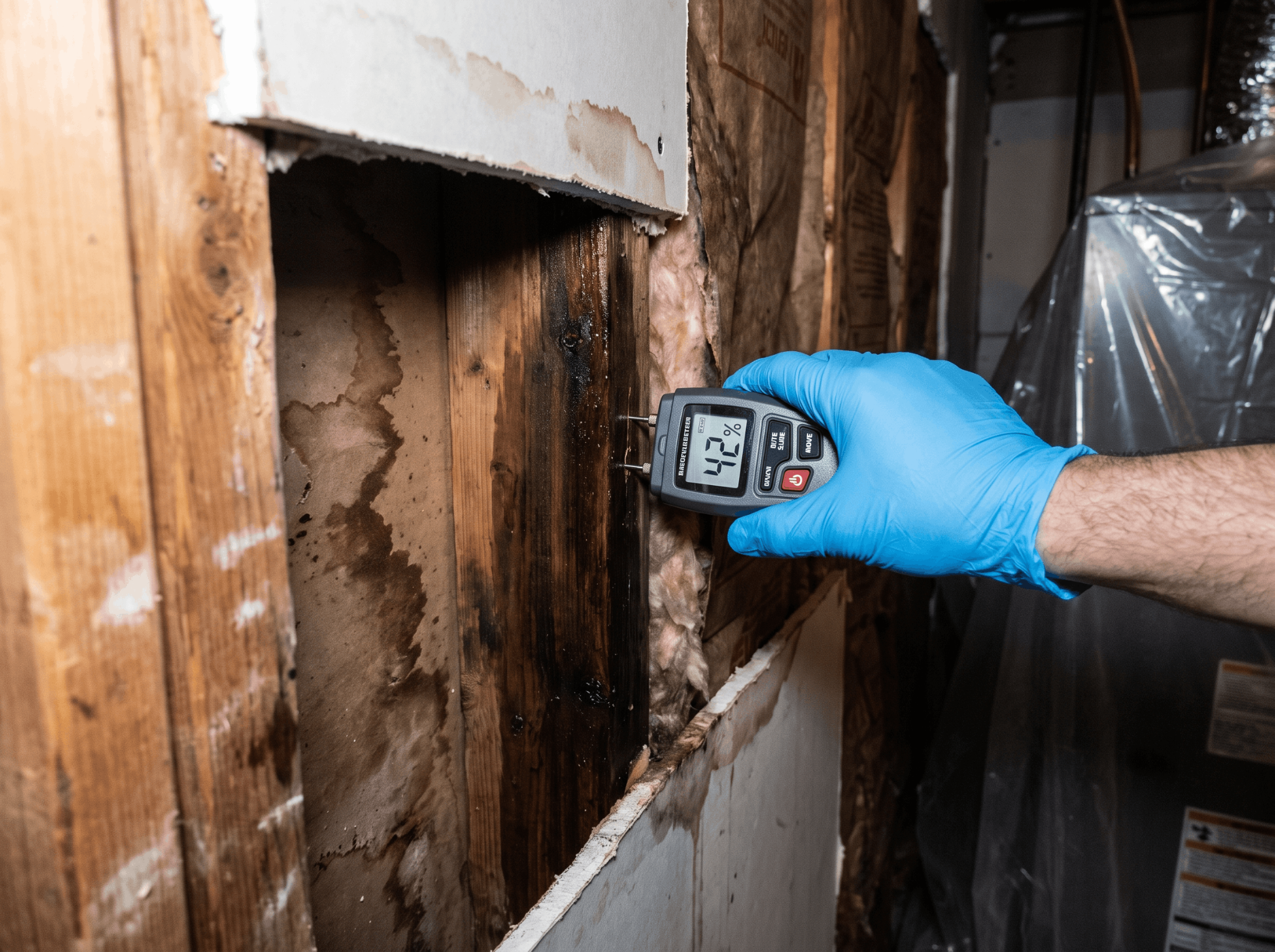
- Professional Assessment: We use thermal imaging and moisture meters to find hidden pockets of dampness that require Mold Remediation Denver.
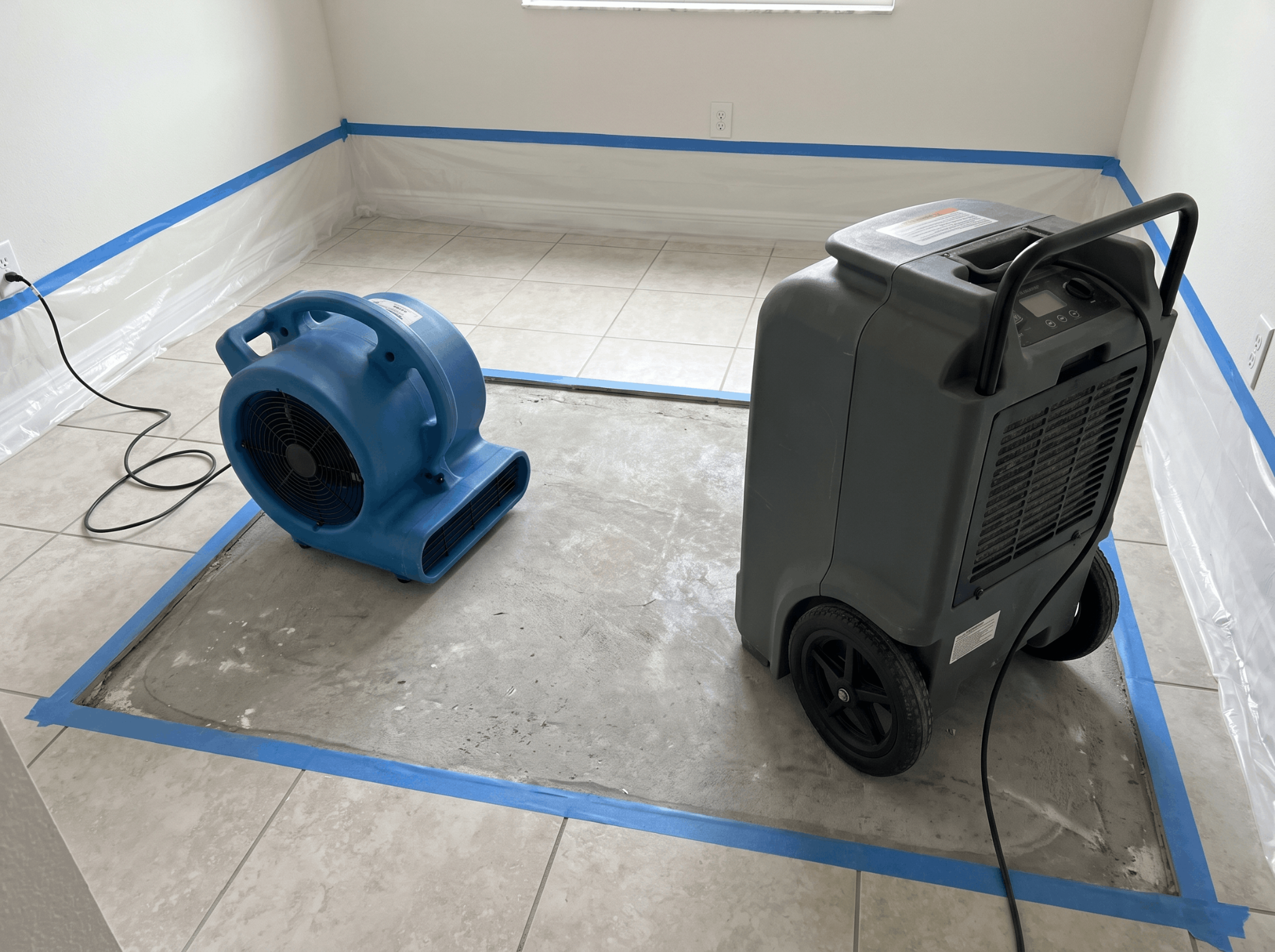
- HEPA Containment: We isolate the crawlspace so that the remediation process doesn't spread spores into your living room.
- Vapor Barrier Installation: We seal the floor and walls with a heavy-duty, 20-mil reinforced polyethylene barrier.
- Permanent Dehumidification: We install an industrial-grade dehumidifier to keep humidity levels below 50% year-round.
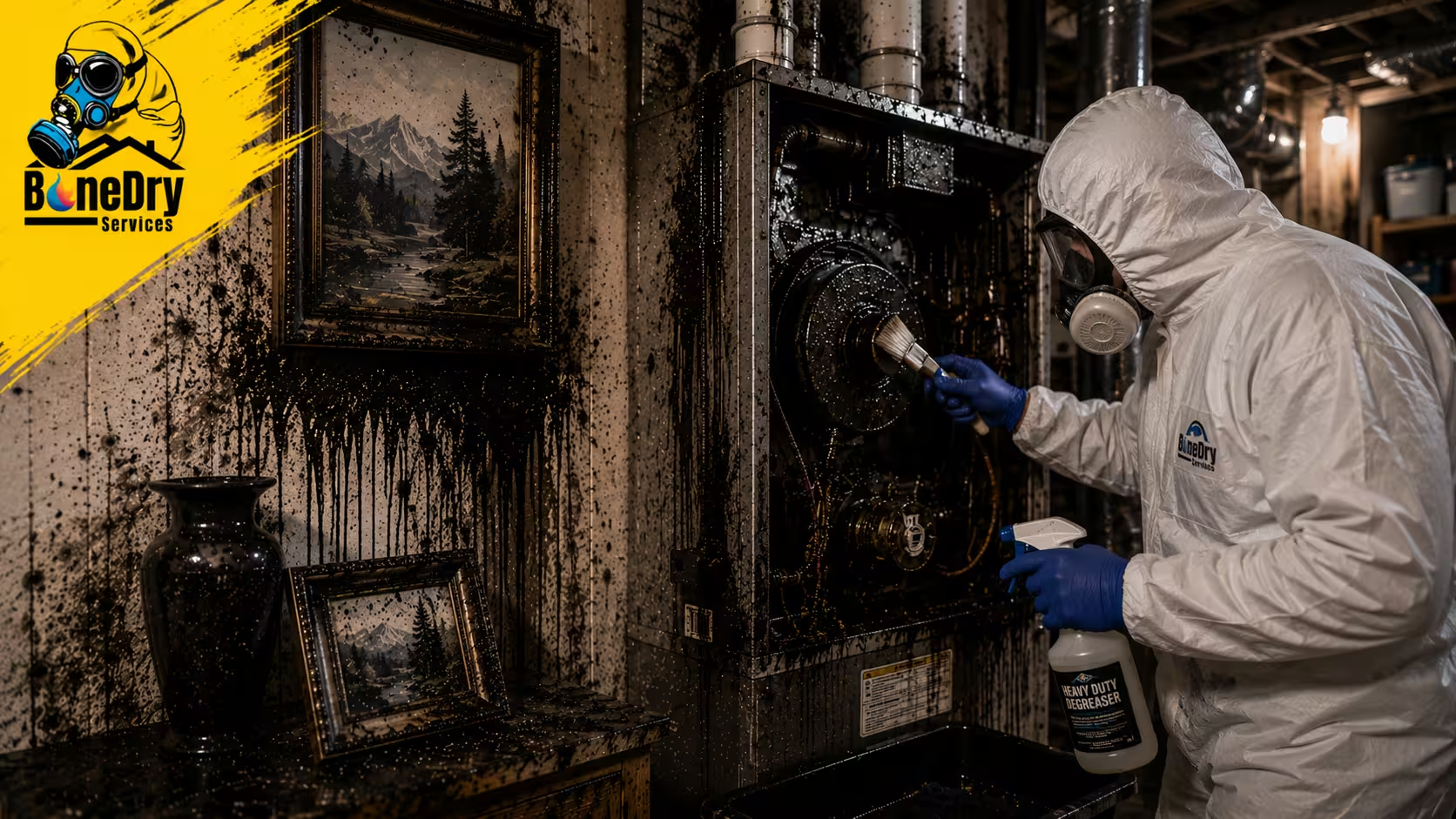
- Final Sanitization: We apply EPA-registered antimicrobials to ensure long-term protection against regrowth.
The Risks of Ignoring the Need for Mold Remediation Denver
Ignoring a damp crawlspace in Littleton is a gamble with your property value. Beyond the health risks of breathing in spores, the structural components of your home—the floor joists and subflooring—will eventually lose their load-bearing capacity.
Secondary Hazards: Beyond Just Mold
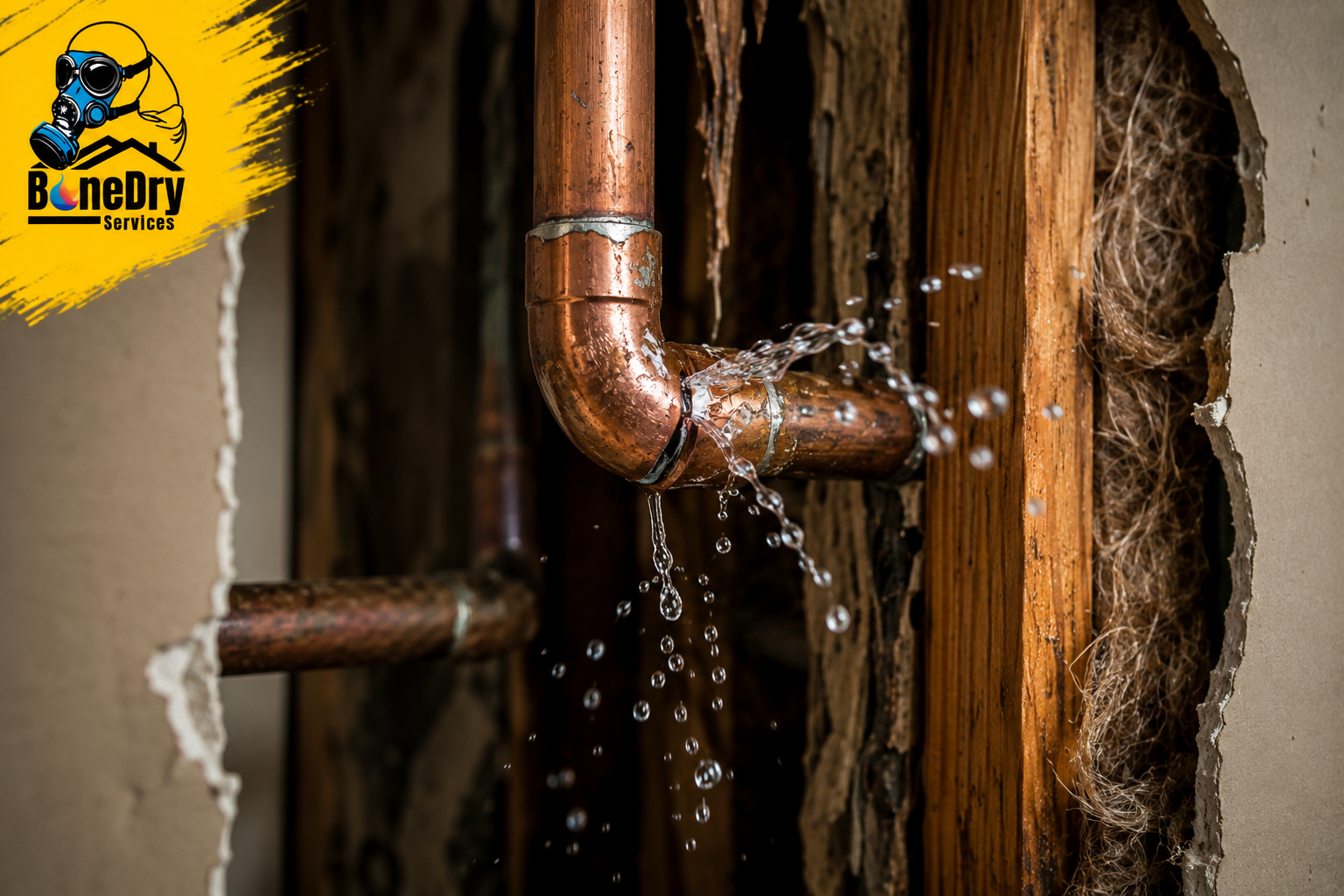
When moisture is trapped behind foundation walls, it creates a perfect environment for more than just fungi. Saturated environments often lead to secondary damage that requires specialized expertise to resolve. For instance, if a sewage line leaks into this damp environment, you will need immediate Sewage Cleanup in addition to your Mold Remediation Denver protocol to neutralize pathogens.
Protecting Your Home’s Air Quality
When moisture is trapped in the dark, it creates a perfect environment for fungal growth. Our team provides comprehensive Mold Removal & Remediation to ensure that your home's air quality is not compromised by the damp conditions caused by the Stack Effect.
The BoneDry Process for Mold Remediation Denver
When the Stack Effect wins and your home starts to smell of mildew, you need a team that understands the unique geography of the Front Range. Our Mold Remediation Denver protocol begins with high-volume HEPA air scrubbing. We don't just "clean" the mold; we change the environment that allowed it to grow in the first place. By using LGR dehumidifiers as part of our Mold Remediation Denver service, we pull deep-seated moisture out of masonry and structural timber, ensuring it returns to a "dry standard."
Trust BoneDry Services for Professional Mold Remediation Denver
The health of your home starts from the ground up. If you suspect that moisture is infiltrating your crawlspace or if you have noticed a musty odor in your Littleton home, do not wait for the damage to become structural. BoneDry Services specializes in the complex needs of Colorado homes, providing the most reliable Mold Remediation Denver and encapsulation services in the region. Our family-owned team is dedicated to restoring your property and your peace of mind with 24/7 emergency availability and a 90-minute arrival guarantee.
📞 Contact BoneDry Services at (303) 276-4163 to speak with a specialist and schedule your comprehensive crawlspace moisture inspection today.
FAQ
Q1: Does reducing humidity reduce mold?
Yes, reducing humidity is the most effective way to stop mold growth. Fungi require moisture to thrive, so keeping your crawlspace or basement below 50% relative humidity creates a "kill zone." Our Mold Remediation Denver experts use industrial dehumidifiers to ensure these dry levels are maintained permanently.
Q2: Is mold common in Colorado homes?
While Colorado is semi-arid, mold is extremely common in crawlspaces and basements due to snowmelt and high water tables. The "Stack Effect" pulls this moisture upward, often leading to hidden growth behind drywall or under floors. Many homeowners in Littleton require Mold Remediation Denver specifically for these subterranean moisture issues.
Q3: How to get rid of mold caused by humidity?
To permanently remove humidity-driven mold, you must combine physical removal with environmental control. Our team performs professional Mold Remediation Denver by scrubbing surfaces with antimicrobials and then installing a vapor barrier. This "encapsulation" prevents the humidity from returning and feeding new spores.
Q4: What humidity level will cause mold?
Mold typically begins to grow when relative humidity levels consistently stay above 60%. In a dark, unventilated crawlspace, even a small amount of seepage can spike these levels quickly. We recommend Mold Remediation Denver assessments for any space that feels damp or registers above 55% humidity.
Q5: Is 70% humidity too high for a house?
Yes, 70% humidity is dangerously high and will almost certainly lead to rot and fungal issues. At this level, condensation forms on windows and wooden structural beams, creating an immediate need for Mold Remediation Denver. Ideal indoor humidity should stay between 30% and 50% for health and safety.
Q6: What are the 10 warning signs of mold toxicity?
Warning signs include chronic coughing, sneezing, skin rashes, persistent headaches, and fatigue. You may also experience "brain fog," itchy eyes, shortness of breath, sinus congestion, or a metallic taste in your mouth. If you notice these symptoms, a Mold Remediation Denver air quality test is highly recommended.
_converted.avif)