
Our Goal is for the Customers to have no out-of-Pocket Costs
.jpg)


Early-season snowstorms are hitting Colorado’s mountain regions fast this year — and while snow-covered roofs may look picturesque, they often hide a serious threat: unseen water leaks. Homes in high-altitude areas like Breckenridge, Winter Park, Vail, Evergreen, and Conifer face unique winter challenges due to heavy snowfall, rapid freeze–thaw cycles, and shifting temperatures.
These hidden leaks can quietly damage your attic, roofing structure, foundation, drywall, and insulation, leading to expensive repairs by spring. Many homeowners don’t realize the severity of the issue — or that the water intrusion may have started long before visible symptoms appear.
This article explains how snowstorms create hidden leaks, the early warning signs, and how to protect your Colorado mountain home.

Snowstorms in mountain regions bring more than just snow — they deliver a combination of:
This weather pattern places extreme stress on roofs, gutters, flashing, and foundations.
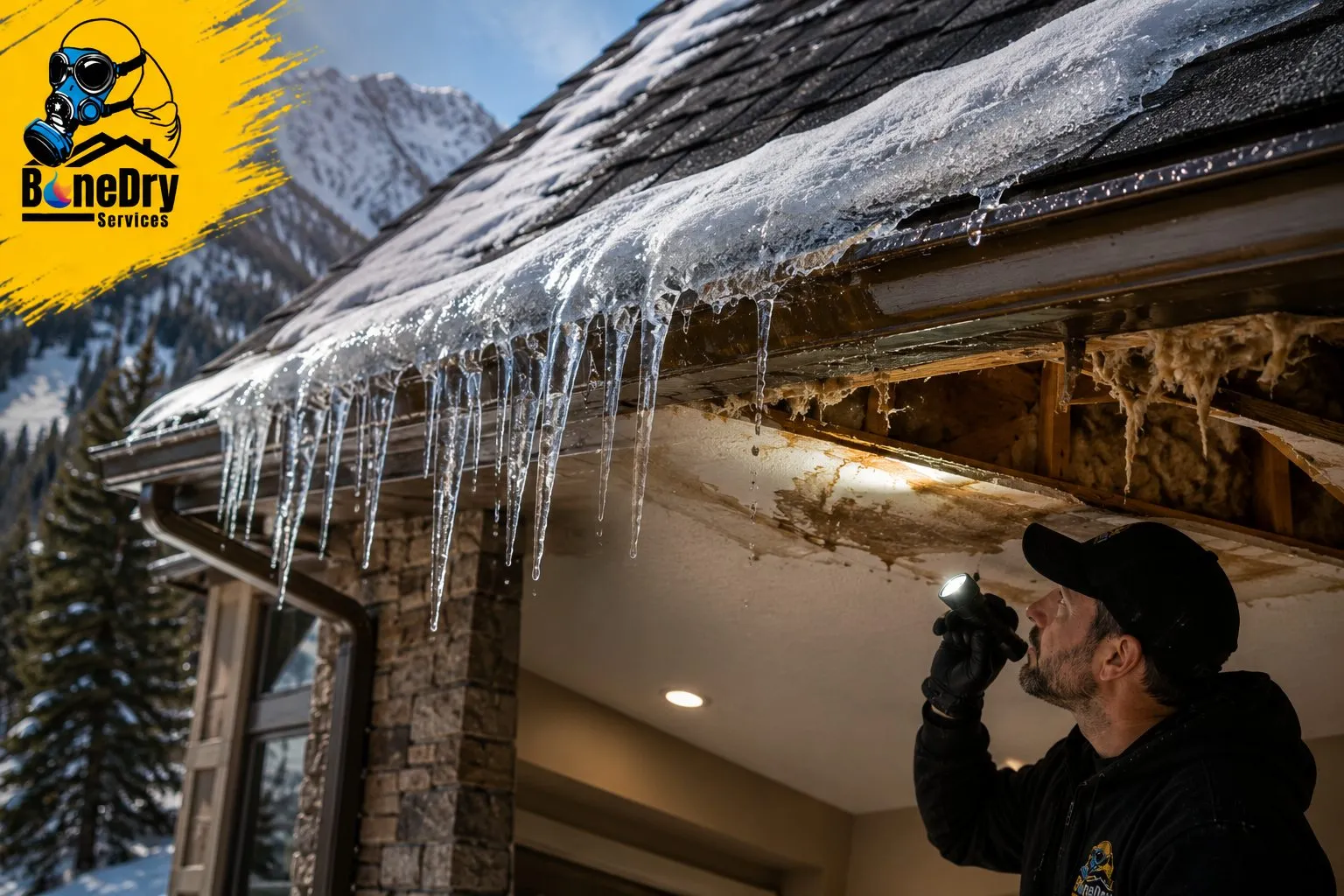
When snow melts due to attic heat and refreezes at the edge of the roof, it creates an ice dam.
This dam forces melting water to back up under shingles and into:
Ice dam leaks can cause months of hidden water saturation before discoloration ever appears on ceilings.
Heavy snow buildup can loosen shingles, damage flashing, and create weak points where water enters unnoticed.
Poor ventilation traps warm, moist air that condenses on attic beams — causing:
Melting snow around the perimeter of the home can seep into foundation walls, especially if:
High mountain winds push snow into:
This often results in slow, hidden water intrusion.

Colorado homeowners should watch for:
If these signs appear during or after a snowstorm, water may already be infiltrating your home.
Gutters clogged with leaves or ice lead to foundation leaks and ice dams.
Proper airflow helps regulate temperature and reduces melting/refreezing cycles.
Better insulation prevents heat loss that contributes to ice dam formation.
Use a roof rake or hire a professional to safely remove heavy snow loads.
Areas around chimneys, vents, and skylights are among the most vulnerable.
You should especially monitor high-risk properties such as:
If you own a mountain Airbnb or vacation cabin, consider remote monitoring or arranging periodic winter inspections.
When attic insulation gets saturated or meltwater enters structural components, the damage spreads fast — often invisibly.
If you notice:
…your home requires immediate professional help.
Delaying even a day can turn a manageable leak into a full-scale restoration project.

BoneDry Services is Colorado’s largest family owned restoration company, trusted for winter storm and water damage emergencies from Denver to remote mountain homes.
We provide:
Hidden leaks can silently destroy your home — but early action prevents thousands of dollars in damage.
BoneDry Services offers:
📞 Call now: (303) 276-4163
1: How do snowstorms cause hidden roof leaks?
Ice dams and melting snow allow water to seep under shingles and into attic spaces, often without visible signs.
2: Why are Colorado mountain homes more vulnerable to hidden leaks?
Higher snowfall levels, colder temperatures, and frequent freeze–thaw cycles increase roof and attic stress.
3: Can hidden leaks lead to mold growth?
Yes. Moisture trapped in attics or wall cavities can lead to mold within 24–48 hours.
4: How often should I inspect my roof during winter?
After every significant storm, especially if you live above 7,000 ft elevation.
5: Does insurance cover leak-related water damage?
Most policies do, especially when caused by storms or ice dams. BoneDry helps document claims.
6: Can I detect hidden leaks without opening the walls?
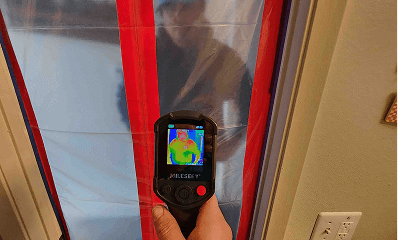
Professional moisture mapping and thermal imaging can locate leaks without demolition.
7: Should vacation home owners take extra precautions?
Absolutely — unoccupied homes face higher risk and slower detection of water intrusion.

Colorado homeowners, especially those in high-altitude and mountain regions, are facing early-season freezes far sooner than usual this year. With temperatures dropping rapidly across areas like Breckenridge, Winter Park, Vail, Evergreen, and Conifer, the risk of frozen pipes and catastrophic water damage is rising fast.
If your pipes freeze and burst, the resulting damage can cost thousands of dollars, cause major structural issues, ruin flooring and drywall, and even impact your home’s long-term value. Even worse—many homeowners don’t notice the warning signs in time.
This guide explains how early freezes increase risks, what signs to look for, and what you can do to protect your mountain home.

Colorado’s elevation and wide temperature swings make mountain homes especially vulnerable. Sudden drops below 32°F can freeze standing water inside plumbing lines rapidly—especially in:
Homes in places like Winter Park, Fraser, Estes Park, and Fairplay often experience colder temperatures earlier in the season than Denver or the Front Range.
When water freezes, it expands. That expansion creates enough pressure to rupture copper, PVC, and even PEX lines. Once the ice thaws, water surges into your home, causing fast—and often hidden—structural damage.

Early detection can prevent thousands of dollars in restoration costs. Look for:
If faucets trickle or fail completely, pipes may already be frozen.
Any visible frost on plumbing is a major red flag.
This can happen when ice blocks proper airflow.
If a wall feels cold or damp, a pipe behind it may be frozen.
Pressure changes inside frozen lines create unusual noises.
If you notice any of these signs, turn off the main water supply immediately to reduce risk of flooding.
Pipes running through:
…should be wrapped with high-grade insulation or heat tape.
Never allow your home to drop below 55°F, even when you're away.
A slow drip keeps water moving and reduces freezing risk.
Allow warm air to circulate around pipes under sinks.
Cold drafts around windows, doors, and foundations dramatically increase freeze risk.
Disconnect hoses and drain sprinkler lines well before the first freeze.
Moisture sensors and temperature monitors can alert you before a pipe fails—ideal for second homes or Airbnb properties.
If you catch the issue early:
If a pipe is bulging, cracked, or has already burst, you need professionals immediately. Delaying even 30 minutes can dramatically worsen water damage.

BoneDry Services is Colorado’s largest family owned restoration company, trusted by homeowners across Denver, the Front Range, and high-altitude mountain communities.
When pipes burst or freeze, our certified technicians provide:
Learn more about our damage restoration services:
Mountain properties that sit empty for part of the year face even greater risks. Homeowners often return months later to discover:
Consider these prevention tools:
These small investments can prevent massive winter repair bills.
Contact BoneDry Services if:
Even a few gallons of water can spread quickly through insulation, electrical systems, and structural supports.
Frozen pipes don’t wait—and neither should you.
BoneDry Services offers:
📞 Call now: (303) 276-4163
Protect your mountain home—and your peace of mind.
1. What temperature causes pipes to freeze in Colorado mountain homes?
Pipes can begin freezing at 32°F, but wind chill, uninsulated walls, and drafts can cause internal freezing even when outdoor temperatures are slightly higher.
2. How quickly can a frozen pipe burst?
A frozen pipe can burst within hours, depending on pressure buildup. Mountain climates with fast temperature drops increase this risk dramatically.
3. Does homeowners insurance cover frozen pipe water damage?
Most policies do, as long as the homeowner maintained reasonable heating. BoneDry Services assists with documentation for stress-free claims.
4. What areas in Colorado experience frozen pipes the earliest?
High-altitude regions like Winter Park, Estes Park, Vail, Breckenridge, and Evergreen typically freeze earlier than Denver or the Front Range.
5. Can I thaw a frozen pipe myself?
Yes—if caught early. Use slow, controlled heat. However, if pipes bulge, crack, or you cannot locate the freeze point, call a professional immediately.
6. Why do vacation homes face higher frozen pipe risks?
Empty homes have inconsistent heating, lower circulation, and delayed detection—making freeze damage far more severe.
7. What should I do before leaving my mountain home for the winter?
Keep the heat above 55°F, shut off the water, drain pipes, install smart sensors, and ask a caretaker to check levels weekly.

Water damage, whether from a flood, sewage backup, or a burst pipe, can be a homeowner's worst nightmare. Not only does it disrupt your daily life, but the longer you wait to address it, the more severe the consequences can become. Immediate action towards water restoration is not just advisable; it's essential. Here's why:
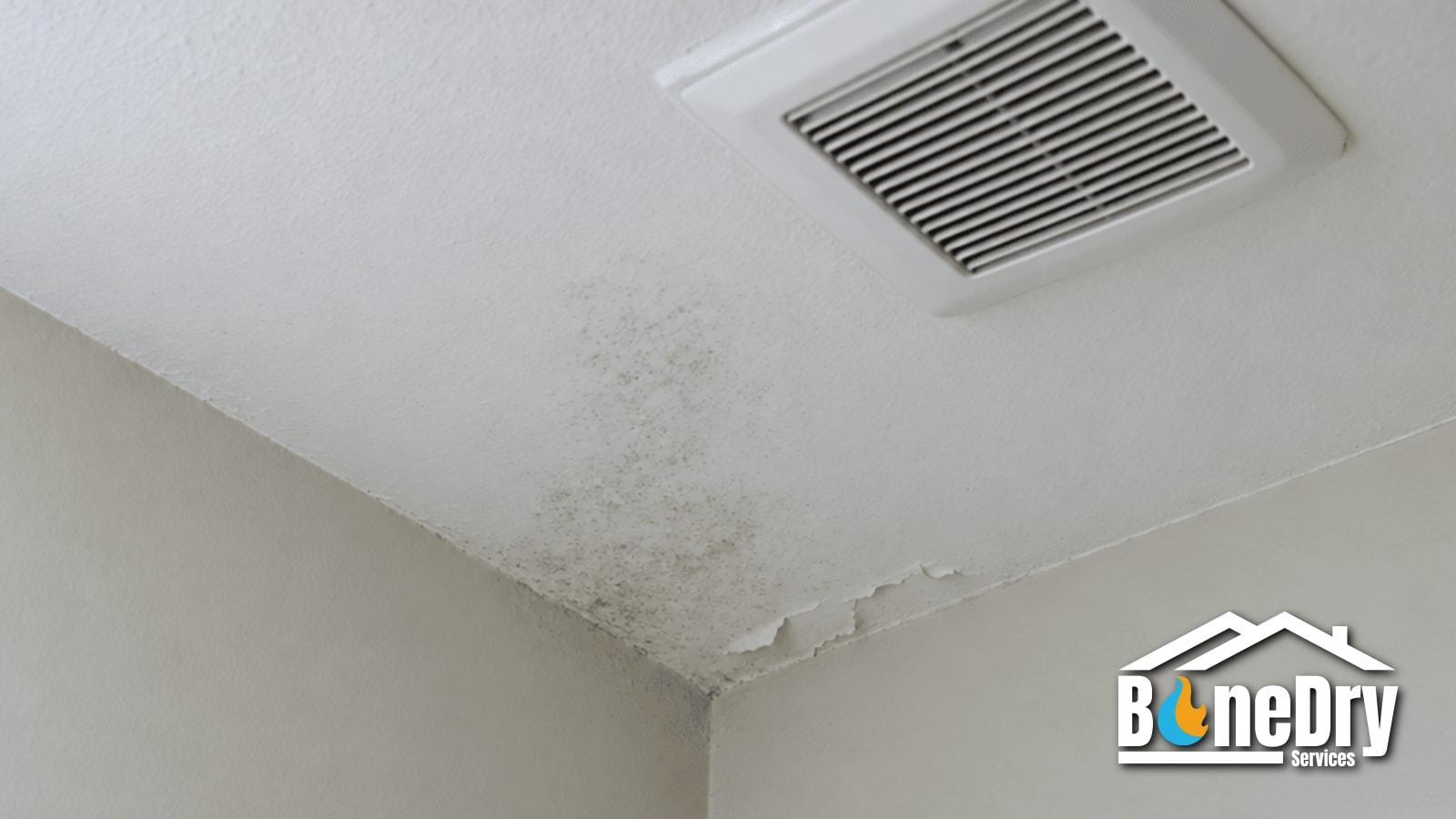
One of the most pressing reasons to initiate water restoration immediately is to prevent the growth of mold and mildew. These fungi can start to grow within 24 to 48 hours in damp conditions, posing serious health risks to you and your family. Mold exposure can lead to respiratory issues, allergies, and other health problems. By addressing water damage promptly, you significantly reduce the risk of mold taking hold in your home.
Water can be incredibly destructive to the structural integrity of your property. Wood that makes up the framework of your home can warp, swell, and even rot when exposed to water for extended periods. Drywall absorbs water quickly and can become fragile, leading to structural damage. The sooner water restoration efforts begin, the less damage your home will sustain, preserving its structural integrity and value.
Water and electricity are a dangerous combination. Water damage can lead to short circuits, damaged wiring, and even the risk of fire. It's crucial to address water damage immediately to ensure the safety of your home and prevent potential electrical hazards.
In cases where water damage is due to sewage backups or floodwaters, the urgency increases. These waters can contain harmful bacteria and contaminants that pose serious health risks. Immediate water restoration efforts are necessary to clean and disinfect the area, ensuring your home is safe and free from hazardous materials.
The longer water damage is left unaddressed, the more extensive and costly the restoration process becomes. By acting quickly, you can minimize the damage and, consequently, the cost of restoration. Early intervention can save you significant time, money, and stress in the long run.
The importance of immediate water restoration cannot be overstated. It's not just about salvaging your property; it's about protecting your health, safety, and financial well- being. At the first sign of water damage, whether from floods, sewage, or leaks, it's crucial to act swiftly. Professional water restoration services have the expertise, equipment, and experience to address the issue effectively, ensuring your home is safe, secure, and restored to its pre-damage condition. Don't wait until it's too late; the cost of inaction can be far greater than the effort of prompt response.
If you are experiencing a water damage emergency, give us a call now at (303) 276-4163.
We offer 24/7 emergency response and can arrive at your property within 90 mins to assess damage and start restoration. Time is crucial, and our team is always ready to act fast.
Yes! We work directly with your insurance company, providing detailed documentation of damages and restoration efforts to help make the claims process as smooth and efficient as possible.
We specialize in water, fire, mold, sewage, storm damage, biohazard cleanup, and more. Whether you're facing flooding, fire damage, or hazardous contamination, we have you covered.
Yes, all of our technicians are certified and trained to handle hazardous materials, including mold, sewage, and biohazards. We follow strict safety protocols to ensure your property is safe.
Simply contact us via phone or our online form. We’ll schedule a free inspection at your convenience to assess the damage and provide a detailed restoration plan.