Secure Your Property Immediately with BoneDry

From storm damage, fire, or vandalism, BoneDry’s emergency board-up and structural drying services protect your property and prevent further damage. Available 24/7 across Colorado.

We work with all insurance companies.

Securing Your Property When You Need It Most

Why BoneDry is the Emergency Board-Up Leader

When your property is exposed, every minute counts. Our team provides rapid board-up services, moisture detection, and structural drying to minimize damage and maintain safety.

  • Fast emergency board-up and securement
  • Advanced water extraction and drying
  • Moisture mapping and prevention of mold growth
  • Complete insurance documentation support

Types of Emergencies We Cover

We handle all emergency-related services, including:

Emergency Board-Up

Windows, doors, and structural openings

Structural Drying

Floors, walls, ceilings, and crawl spaces

Moisture & Mold Prevention

Detect hidden moisture before it becomes a problem

Storm & Fire Protection

Temporary protection to prevent further damage

Commercial & Residential

From homes to large-scale properties

Insurance Assistance

Detailed documentation for smooth claims

Emergency Board-Up Services

Secure Your Property Immediately After Damage

Our expert team provides emergency board-up services with speed and precision, ensuring your property is secured and protected from further damage. We respond quickly to secure windows, doors, and openings, using durable materials and proper techniques. Whether from storm damage, vandalism, or fire, we act fast to prevent additional harm to your property. Trust us for reliable, efficient board-up services that safeguard your home or business.

Get Immediate Help

Available 24/7 for Emergency Services

(303) 276-4163
Rapid Response Team

Our skilled professionals arrive quickly on-site, assess the damage, and implement a secure board-up. We prioritize speed without compromising safety

Property Protection Guaranteed

Every board-up is performed with durable materials and precise techniques to safeguard your home or business until restoration.

Emergency Board-Up

Protect Your Space from Further Damage

Our rapid-response team boards up windows, doors, and exposed areas to prevent theft, weather damage, or additional harm until full restoration begins.

01

Immediate Response & Inspection

Arrive quickly to secure the property and assess initial hazards.

02

Damage Assessment

Evaluate all vulnerable openings and potential structural risks.

03

Board-Up & Safety Measures

Install boards and temporary protections to prevent further damage.

04

Reconstruction & Repairs

Prepare for permanent restoration and structural rebuild work.

05

Finalize & Insurance Support

Complete documentation and assist with insurance claim processing.

Emergency Board-Up Scenarios

Storms, fires, vandalism, and exposed structures need immediate protection. Boarding up prevents additional damage until restoration.
[read-time]

Appliance Malfunctions

Appliances like water heaters, washers, and fridges can leak or clog, causing floor damage and mold. We restore affected areas quickly.
Learn More

Home appliances make life easier—until they malfunction. When an appliance breaks down, it can cause much more than inconvenience. Leaks, electrical issues, and hidden water damage are common side effects that can lead to expensive repairs if not handled quickly. Here’s what every homeowner should know about appliance malfunctions and how to respond effectively.

Common Appliances That Cause Water or Fire Damage

Many household appliances use water or electricity, which means when they fail, the results can be serious. The most common culprits include:

  • Washing Machines – Loose hoses or worn seals can cause major leaks.
  • Dishwashers – Clogged drains and cracked water lines often lead to flooding under cabinets.
  • Refrigerators – Ice maker or defrost line leaks can create hidden water damage behind the unit.
  • Water Heaters – Tank corrosion or pressure valve failures can release gallons of water within minutes.
  • HVAC Systems – Clogged condensate lines or overflow pans can create slow leaks that go unnoticed.

Signs Your Appliance May Be Malfunctioning

Early detection is key to preventing damage. Watch for these red flags:

  • Strange noises or burning smells
  • Pools of water near appliances
  • Fluctuating temperatures (especially in refrigerators or dryers)
  • Tripped circuit breakers or flickering lights
  • Increased water or electric bills

The Hidden Risks of Ignoring Appliance Malfunctions

Ignoring a malfunction might seem harmless at first, but it can lead to bigger problems, such as:

  • Water Damage – Leaks can soak flooring, drywall, and cabinetry.
  • Mold Growth – Moisture trapped behind appliances creates a breeding ground for mold.
  • Electrical Fires – Faulty wiring or short circuits can spark fires.
  • Structural Damage – Prolonged water exposure can weaken subfloors and framing.

What to Do When an Appliance Fails

If an appliance malfunctions, act fast:

  1. Turn off the power or water supply to prevent further damage.
  2. Unplug the appliance if safe to do so.
  3. Clean up standing water and ventilate the area.
  4. Document the damage for insurance purposes.
  5. Call a professional restoration team—like Bone Dry Services—to inspect and restore the affected area.

How Bone Dry Services Can Help

At Bone Dry Services, we specialize in water damage restoration, mold remediation, and structural drying caused by appliance malfunctions. Our certified technicians use advanced equipment to detect hidden moisture, repair damage, and restore your property to pre-loss condition—fast and effectively.

Whether it’s a burst washing machine hose or a leaking dishwasher, we’re available 24/7 for emergency response across Florida and surrounding areas.

Preventing Future Appliance Failures

Prevention is always better than restoration. Here are a few maintenance tips:

  • Inspect hoses and connections every six months.
  • Clean lint filters and vents regularly.
  • Keep appliances level to reduce strain on seals.
  • Replace old or brittle water supply lines.
  • Schedule professional maintenance for large systems like HVAC and water heaters.
[read-time]

Burst or Broken Pipes

Burst pipes from freezing, corrosion, or poor installation can flood homes fast. Immediate extraction and drying prevent mold and rot.
Learn More

A burst or broken pipe can turn into a homeowner’s worst nightmare within minutes. From soaked carpets and damaged walls to potential mold growth, the aftermath can be overwhelming and costly if not handled quickly. Whether caused by freezing temperatures, aging plumbing, or unexpected pressure buildup, pipe failures require immediate attention. Understanding the causes, warning signs, and proper steps to take can help you protect your home and minimize damage before it spreads.

Burst or Broken Pipes: What Causes Them and How to Protect Your Home

Few things can cause more sudden damage to your home than a burst or broken pipe. In just minutes, hundreds of gallons of water can flood your property, damaging walls, floors, and furniture. Understanding why pipes burst—and how to respond when they do—can save you from expensive repairs and long-term damage.

Common Causes of Burst or Broken Pipes

Several factors can contribute to a pipe bursting or cracking. Some of the most common causes include:

  • Freezing Temperatures – Water expands when it freezes, building pressure inside pipes until they break.
  • Aging or Corroded Pipes – Older plumbing systems can weaken over time, making them more prone to leaks and bursts.
  • High Water Pressure – Excessive water pressure can strain pipes and fittings beyond their capacity.
  • Ground Shifting – Soil movement or nearby construction can put stress on underground pipes.
  • Clogs or Blockages – Pressure buildup behind a clog can cause a pipe to burst.

Signs You Might Have a Broken Pipe

Sometimes, the signs of a pipe problem are obvious—but in other cases, they’re subtle and easy to miss. Watch out for these warning signs:

  • Sudden drop in water pressure
  • Unusual noises when running water
  • Damp walls, ceilings, or floors
  • Unexplained increase in your water bill
  • Musty odors or visible mold growth

If you notice any of these symptoms, don’t wait—addressing the issue early can prevent widespread water damage.

Signs You Might Have a Broken Pipe

Sometimes, the signs of a pipe problem are obvious—but in other cases, they’re subtle and easy to miss. Watch out for these warning signs:

  • Sudden drop in water pressure
  • Unusual noises when running water
  • Damp walls, ceilings, or floors
  • Unexplained increase in your water bill
  • Musty odors or visible mold growth

If you notice any of these symptoms, don’t wait—addressing the issue early can prevent widespread water damage.

How Burst Pipes Can Damage Your Home

Even a small leak can cause serious problems if not repaired quickly. Common damage includes:

  • Warped floors and baseboards
  • Discolored walls and ceilings
  • Mold and mildew growth
  • Electrical hazards from water intrusion
  • Structural weakening of walls and framing

The longer water sits, the more extensive (and costly) the repairs can become.

Why Professional Water Damage Restoration Is Essential

After a burst or broken pipe, simply drying the area isn’t enough. Hidden moisture can remain trapped inside walls, flooring, and insulation—leading to mold and long-term structural issues.

At Bone Dry Services, our certified technicians use advanced moisture detection tools and drying equipment to ensure your home is completely dry and safe. We handle:

  • Emergency water extraction
  • Structural drying
  • Mold prevention and remediation
  • Complete property restoration

Our team is available 24/7 to respond quickly and minimize damage from burst pipes.

Tips to Prevent Pipes from Bursting

While not all pipe failures can be avoided, these maintenance tips can significantly reduce your risk:

  • Insulate exposed pipes during cold weather.
  • Keep faucets dripping slightly during freezing temperatures.
  • Check for leaks and corrosion regularly.
  • Maintain consistent indoor temperatures.
  • Install a water pressure regulator if needed.

Regular inspections and maintenance go a long way in keeping your plumbing system reliable and safe.

[read-time]

Chipped or Peeling Paint

Paint that is chipped or peeling can expose harmful lead dust, especially in older structures. Our team handles lead paint removal to prevent health risks.
Learn More

Chipped or peeling paint might seem like a simple cosmetic issue, but it can be an early warning sign of deeper problems in your home. Moisture, poor ventilation, or surface damage can all cause paint to crack, bubble, or flake away—often revealing hidden water damage or mold growth underneath. Addressing the root cause early not only restores your home’s appearance but also prevents costly repairs later on.

Chipped or Peeling Paint: What It Means for Your Home

When paint begins to peel, it’s a signal that something is breaking down beneath the surface. Paint is meant to protect walls, ceilings, and trim from everyday wear and moisture. Once it starts to fail, the surface is left exposed to further deterioration—and potential water intrusion.

Common Causes of Chipped or Peeling Paint

Several issues can cause paint to lose adhesion or begin flaking:

  • Moisture Damage – Water leaks, humidity, or condensation behind walls can loosen paint layers.
  • Poor Surface Preparation – If a surface wasn’t cleaned, primed, or dried properly before painting, the paint won’t stick well.
  • Low-Quality Paint or Application – Cheap paint or applying too many layers can lead to poor bonding.
  • Aging and Sun Exposure – Over time, UV rays and heat can cause paint to crack and fade.
  • Structural Issues – Shifting drywall or settling wood can create small cracks that lead to peeling.

Why Peeling Paint Shouldn’t Be Ignored

While it’s easy to see peeling paint as a minor issue, it can point to more serious underlying problems:

  • Hidden Water Leaks – Paint that bubbles or flakes often means moisture is trapped underneath.
  • Mold and Mildew Growth – Damp walls create ideal conditions for mold to spread.
  • Air Quality Concerns – Older homes may have lead-based paint, which poses health risks when it chips.
  • Worsening Structural Damage – Continuous moisture exposure can weaken drywall, plaster, or wood.

How to Fix and Prevent Peeling Paint

Fixing peeling paint starts with addressing the source of the problem—not just repainting. Here’s how professionals handle it:

  1. Inspect for Moisture or Leaks – Determine if there’s water damage behind the surface.
  2. Repair and Dry the Area – Fix leaks, remove damaged materials, and ensure the wall is completely dry.
  3. Clean and Prep the Surface – Remove loose paint and apply a high-quality primer.
  4. Repaint with Durable, Moisture-Resistant Paint – Use paints designed for your environment (e.g., kitchens, bathrooms, or exteriors).

How Bone Dry Services Can Help

At Bone Dry Services, we don’t just cover up peeling paint—we find out why it’s happening. Our experts inspect for moisture, leaks, and hidden water damage that may be causing paint failure. From water damage restoration to mold remediation, we repair the underlying issue before restoring your walls to a clean, smooth finish.

Our certified team responds 24/7 to help homeowners recover from moisture-related damage quickly and effectively.

Preventing Future Paint Problems

Once your walls are repaired, a few maintenance steps can help prevent peeling paint in the future:

  • Control humidity with proper ventilation or dehumidifiers.
  • Fix small leaks or drips as soon as they appear.
  • Use high-quality primers and paints suited for your room type.
  • Clean painted surfaces gently to avoid wear and tear.

[read-time]

Colorado Emergency Restoration: Monsoon & Flash Flood Guide

Protect your luxury garage and vehicle collection from Colorado monsoons. BoneDry Services offers expert Colorado Emergency Restoration and flood diversion.
Learn More

Colorado Emergency Restoration for Monsoon Floods and High Value Estates

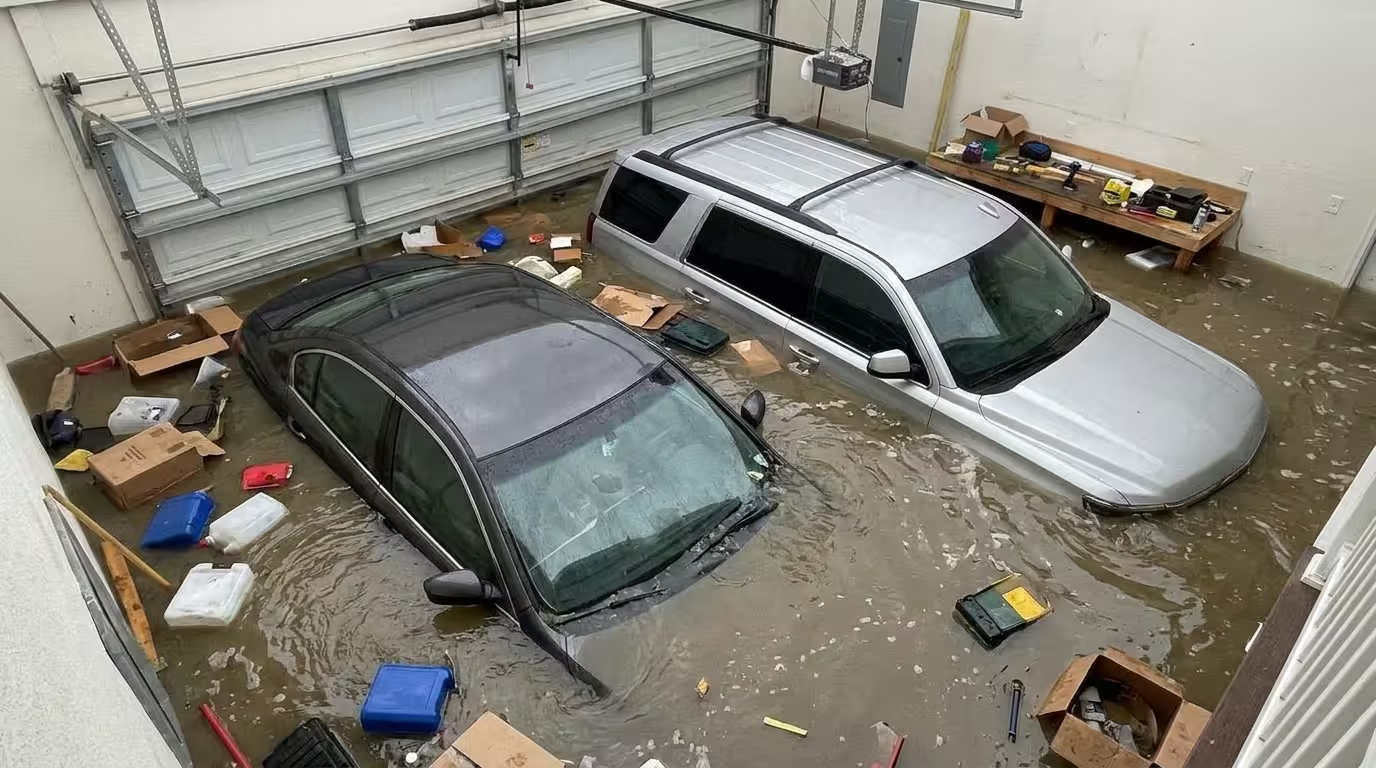
In the high-altitude climate of the Front Range, summer doesn't just bring warmth—it brings the monsoon season. For owners of luxury estates, a single afternoon downpour can transform a driveway into a river, sending thousands of gallons of sediment-heavy water toward high-value vehicle collections. When these rapid-onset rain events breach your property, seconds count. Understanding the logistics of Colorado Emergency Restoration is the difference between a minor cleanup and the total loss of a curated automotive investment.

Diagram showing how a trench drain prevents the need for Colorado Emergency Restoration during a monsoon flash flood.

The Anatomy of a Colorado Flash Flood and the Need for Colorado Emergency Restoration

Colorado’s terrain is notorious for "rain shadows" and steep gradients. During a monsoon event, the ground often cannot absorb water fast enough, leading to "sheet flow"—a wall of water that moves across the landscape. If your luxury garage sits at a lower elevation than your driveway or the street, it becomes a natural collection point.

Standard drainage systems are frequently overwhelmed by the sheer volume of debris and silt carried by these floods. This is where professional Colorado Emergency Restoration experts step in, not just to dry the space, but to implement the industrial-grade diversion tactics necessary to protect mechanical systems and custom flooring from permanent water damage.

Industrial-Grade Solutions to Prevent Colorado Emergency Restoration

For properties housing exotic or vintage car collections, the goal is always prevention. However, when a monsoon breaches your perimeter, the Colorado Emergency Restoration process must include an upgrade to your existing infrastructure to prevent a recurrence.

Colorado Emergency Restoration team performing rapid water extraction in a luxury garage.

High-Capacity Trench Drains and Catch Basins

Standard residential 4-inch drains are insufficient for Colorado monsoons. Our team often recommends and installs 8-inch to 12-inch industrial trench drains with heavy-duty steel grates. These systems are designed to swallow a "deluge" and redirect it to a dedicated swale or municipal storm line. Integrating these systems is a core part of a long-term Colorado Emergency Restoration strategy for high-risk properties.

Automated Sump Pump Arrays

In luxury garages where the floor is below grade, we install dual-sump pump systems with battery backups. If the primary pump fails or the power goes out during a mountain thunderstorm, the secondary pump engages. This redundancy is a hallmark of professional Water Damage Restoration planning, ensuring your garage remains dry even when you aren't home to monitor it.

Protecting High-Value Vehicle Collections During Colorado Emergency Restoration

Water doesn't have to be deep to be devastating. Even two inches of water can reach the undercarriages of low-clearance sports cars, leading to electrical shorts and corrosion in the chassis.

Thermal imaging used during Colorado Emergency Restoration to find hidden water under a garage floor.

The Risks of Humidity and Silt

Flash flood water isn't clean; it’s a "Category 3" liquid filled with bacteria and abrasive silt. If this water sits in your garage, the resulting humidity spike can damage leather interiors and sensitive engine components. A critical phase of Colorado Emergency Restoration involves rapid dehumidification and "pressure relief" for the garage walls to ensure moisture doesn't travel into the main residence through the shared foundation.

Restoring Specialized Garage Flooring

Many luxury garages feature epoxy, Swisstrax, or polished concrete. These surfaces require specific cleaning agents to remove contaminants without stripping the finish. Our Mold Removal & Remediation protocols ensure that any biological pathogens carried in by the floodwater are neutralized, protecting both your cars and your family’s health.

Warning Signs Your Property is at Risk for Colorado Emergency Restoration

Property owners should perform a "wet weather walk-through" during a light rain to identify these red flags:

  1. Driveway Pooling: If water pools for more than 10 minutes after rain stops, your grading is failing.
  2. Garage Door Seal Gaps: Even a quarter-inch gap can allow hundreds of gallons of water into the structure during a flash flood.
  3. Saturated Retaining Walls: If the walls surrounding your driveway are "weeping," they may fail under the pressure of a full monsoon, requiring Emergency Board-Up or structural stabilization.

The BoneDry Protocol for Colorado Emergency Restoration

When the clouds break and the water starts rising, BoneDry Services is the region’s premier choice for high-stakes recovery. Our Colorado Emergency Restoration process is built on speed and technical precision. We arrive within 90 minutes with industrial-grade pumps capable of moving thousands of gallons per hour. We don't just clear the water; we provide a "white glove" service that respects the value of your property and your vehicles.

📞 Don't let a flash flood stall your collection. Call BoneDry Services at (303) 276-4163 for an immediate audit or 24/7 Colorado Emergency Restoration today.

FAQ

Q1: What is the emergency plan for a flash flood?

Your plan should include moving all high-value items to higher ground, shutting off electricity to the garage to prevent shorts, and having a 24/7 Colorado Emergency Restoration partner on speed dial. Ensure all drainage paths are clear of debris before the storm hits. Once the event begins, stay out of standing water, which may be electrically charged or contaminated by sewage.

Q2: How to stop water from flooding a garage?

The most effective method is installing a trench drain at the mouth of the driveway and ensuring the soil is graded away from the structure. You can also use temporary flood barriers or specialized sandbags for immediate protection. For a permanent solution, Colorado Emergency Restoration experts can install a specialized sump system and waterproof exterior membranes to seal the foundation.

Q3: Are there flash floods in Colorado?

Yes, Colorado is highly susceptible to flash floods, particularly during the "Monsoon Season" from July through September. Rapid snowmelt combined with heavy afternoon thunderstorms can turn dry gulches into raging torrents in minutes. Homeowners must be prepared for Colorado Emergency Restoration events regardless of their proximity to a major river or mountain creek.

Q4: How to divert water away from a garage?

Diverting water requires a combination of French drains, swales, and proper gutter downspout extensions. The goal is to catch the water at the highest point of your property and channel it safely around the garage. If your property's natural slope is problematic, a Colorado Emergency Restoration consultant can design a custom drainage map to protect your assets from future monsoons.

Q5: Can water come up through concrete in a garage?

Yes, this is known as hydrostatic pressure. During a flash flood, the water table underneath your garage can rise rapidly, forcing water through hairline cracks or the "cold joint" where the floor meets the wall. Professional Colorado Emergency Restoration involves sealing these areas from the inside or installing interior perimeter drains to relieve this pressure safely.

Real Stories, Real Results

Trusted by Homeowners Across Denver

4.9 rating
with 450+ Reviews

JD got our small job patching a hole sorted out really quickly. His team was efficient and communicated with us really well through the whole process. You would never be able to tell there was a hole in the ceiling. Highly recommend!

Beth Kent
Homeowner

We had an unexpected water issue that flooded part of our basement on super bowl sunday and Bone Dry Services came to the rescue. From start to finish, the experience was professional, efficient, and stress-free.

Levi Johaston
Homeowner

Roman and Francisco worked for two days on my place. The were hardworking and very polite. Excellent communication skills and kept me updated on everything that was happening. Bone dry services has two great employees.

Miller Crowe
Homeowner

JD got our small job patching a hole sorted out really quickly. His team was efficient and communicated with us really well through the whole process. You would never be able to tell there was a hole in the ceiling. Highly recommend!

Beth Kent
Homeowner

Roman and Francisco worked for two days on my place. The were hardworking and very polite. Excellent communication skills and kept me updated on everything that was happening. Bone dry services has two great employees.

Miller Crowe
Homeowner

JD got our small job patching a hole sorted out really quickly. His team was efficient and communicated with us really well through the whole process. You would never be able to tell there was a hole in the ceiling. Highly recommend!

Beth Kent
Homeowner

FAQ’s

Frequently Asked Questions

Still need help?
Get Help Now

How quickly can BoneDry respond for an emergency board-up?

Our team is available 24/7 and can arrive promptly to secure your property after storm, fire, or vandalism, preventing further damage and ensuring safety.

What does an emergency board-up include?

We board up windows, doors, and other exposed areas using durable materials to protect your property from weather, trespassers, and additional damage until permanent repairs are completed.

How long does a board-up stay in place?

Board-ups remain until permanent restoration or reconstruction is completed. BoneDry monitors and maintains the site as needed to ensure continuous protection.

Do you handle residential and commercial properties?

Yes, we provide emergency board-up services for homes, offices, and commercial buildings of all sizes, securing all vulnerable areas quickly and effectively.

Will insurance cover an emergency board-up?

Most insurance policies cover temporary protective measures. BoneDry documents all work and provides support to help streamline your insurance claim process.

Contact Us

Get Immediate Help

We’re available 24/7. Our team responds quickly and handles everything with care and discretion.
Thank you! Your submission has been received!
Oops! Something went wrong while submitting the form.

24/7 Water Damage Restoration

Mold Removal & Remediation

Fire Damage Restoration

Biohazard Cleanup

Storm Damage Restoration

Sewage Cleanup

Emergency Board-Up

Structural Drying & Dehumidification

Contents Restoration

Odor Removal