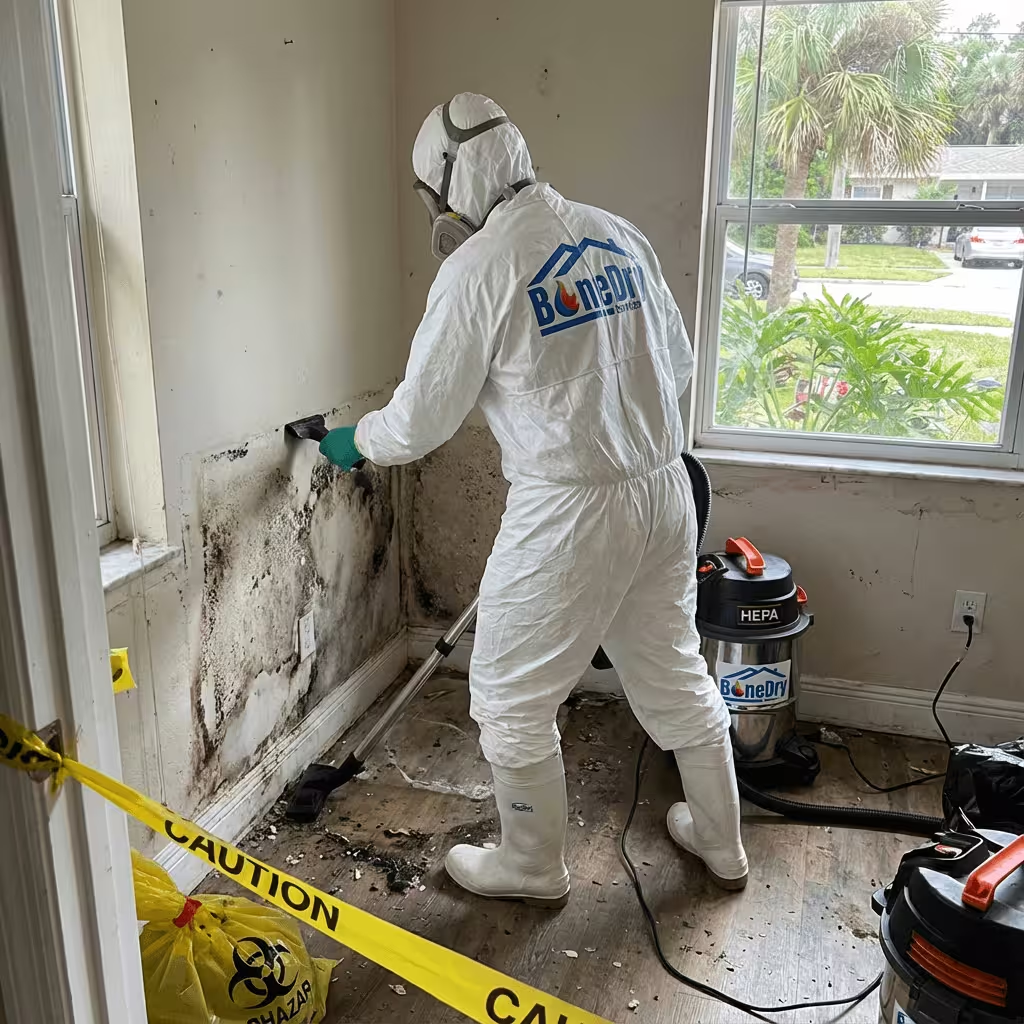
Biohazard Cleanup

BoneDry provides safe, certified, and discreet biohazard cleanup services across Colorado. From accidents to crime scenes, we restore your property while prioritizing safety and compliance.

We work with all insurance companies.

Salvaging and Protecting Valuables Efficiently

Why BoneDry Restores Your Belongings Perfectly

Biohazards pose serious health risks. Exposure to blood, bodily fluids, or chemical contaminants can cause infections, diseases, and environmental hazards. Our trained technicians use OSHA-compliant procedures to safely remove hazards and restore affected areas.

  • Full biohazard removal with certified cleaning agents
  • Discreet and respectful service
  • Rapid response for residential or commercial incidents
  • Compliance with OSHA, EPA, and local safety regulations
  • Complete decontamination and odor removal
  • Support for insurance documentation

Types of Biohazard Cleanup We Cover

We handle all biohazard-related emergencies, including:

Trauma Scene Cleanup

Safe and thorough cleanup of accident and trauma scenes.

Crime Scene Remediation

Discreet removal of blood and hazardous materials.

Infectious Disease Cleanup

COVID-19, MRSA, and other pathogens

Chemical Spill Cleanup

Proper containment and removal of hazardous chemical spills.

Contaminated Property Cleanup

Clear and clean cluttered or contaminated spaces efficiently.

Odor Removal & Sanitization

Eliminate biohazard odors and sanitize surfaces thoroughly.

Biohazard Cleanup Services

Safe and Thorough Biohazard Remediation

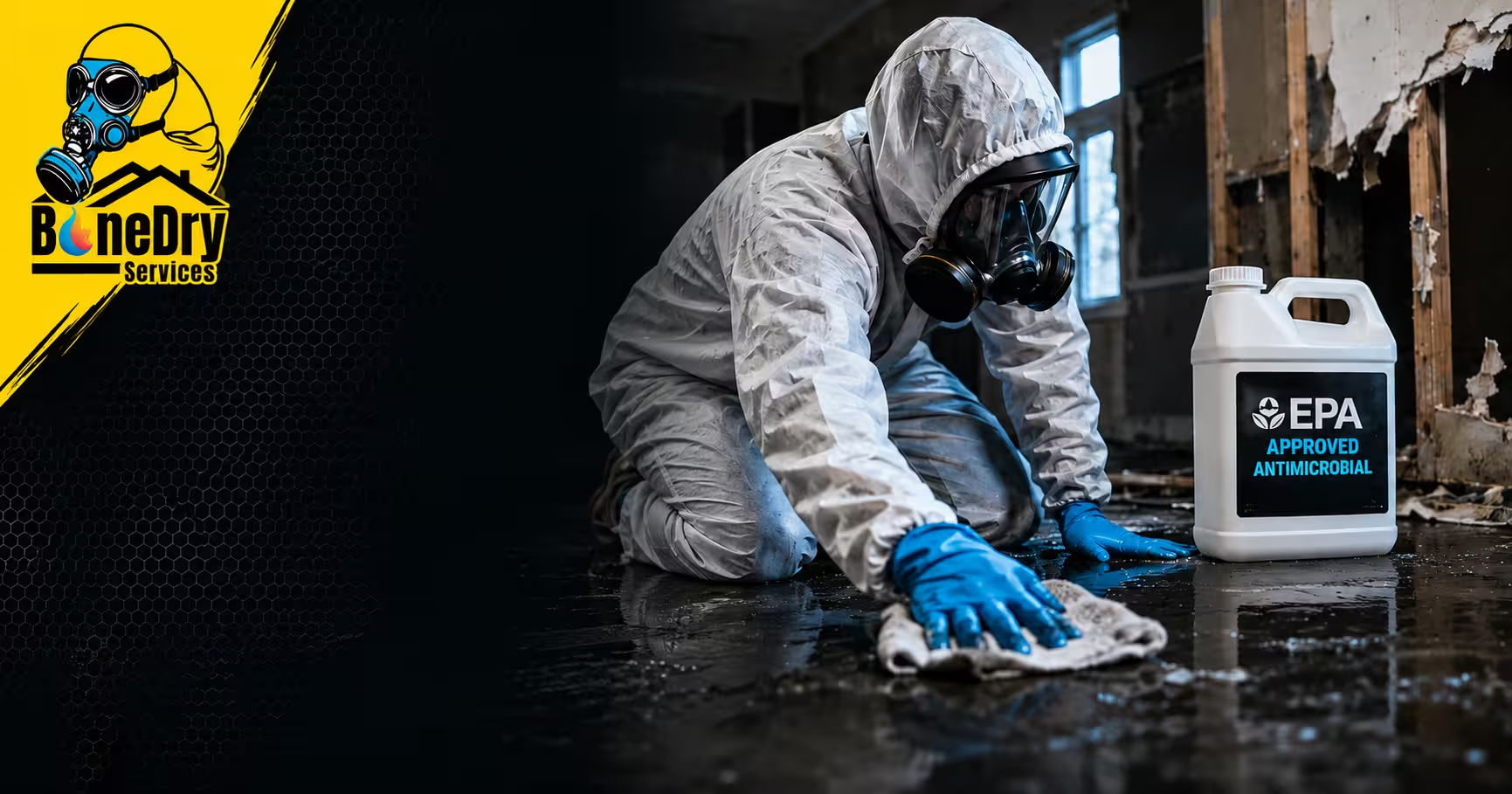
Our expert team handles biohazard cleanup with precision and care, ensuring that contaminated areas are safely sanitized and restored. We follow strict safety protocols, use EPA-approved cleaning agents, and dispose of hazardous materials properly. Whether it’s a chemical spill, bloodborne pathogen, or other biohazard, we protect your property and the people in it. Trust us for comprehensive, responsible cleanup every time.

Get Immediate Help

Available 24/7 for Emergency Services

(303) 276-4163
Certified Cleanup Experts

Our trained professionals follow industry standards to remove hazardous materials safely, ensuring complete sanitation and compliance.

Safe Disposal Practices

We handle biohazard waste carefully, using proper containment and disposal techniques to protect your property and the environment.

Biohazard Cleanup

Professional Biohazard Cleanup

Our certified team handles hazardous materials, trauma scenes, and chemical spills safely, restoring your property while protecting health and compliance.

01

Immediate Response & Inspection

Rapidly assess hazards and secure the area quickly.


02

Damage Assessment

Identify biological, chemical, or hazardous risks thoroughly.

03

Cleanup & Removal

Safely remove contaminants with proper disposal methods.

04

Decontamination & Reconstruction

Sanitize and repair affected areas completely.


05

Finalize & Insurance Support

Document work and assist with claims efficiently.


Frequent Biohazard Situations

Trauma scenes, chemical spills, and infectious contamination require safe cleanup to protect health and property.

[read-time]

Appliance Malfunctions

Appliances like water heaters, washers, and fridges can leak or clog, causing floor damage and mold. We restore affected areas quickly.
Learn More

Home appliances make life easier—until they malfunction. When an appliance breaks down, it can cause much more than inconvenience. Leaks, electrical issues, and hidden water damage are common side effects that can lead to expensive repairs if not handled quickly. Here’s what every homeowner should know about appliance malfunctions and how to respond effectively.

Common Appliances That Cause Water or Fire Damage

Many household appliances use water or electricity, which means when they fail, the results can be serious. The most common culprits include:

  • Washing Machines – Loose hoses or worn seals can cause major leaks.
  • Dishwashers – Clogged drains and cracked water lines often lead to flooding under cabinets.
  • Refrigerators – Ice maker or defrost line leaks can create hidden water damage behind the unit.
  • Water Heaters – Tank corrosion or pressure valve failures can release gallons of water within minutes.
  • HVAC Systems – Clogged condensate lines or overflow pans can create slow leaks that go unnoticed.

Signs Your Appliance May Be Malfunctioning

Early detection is key to preventing damage. Watch for these red flags:

  • Strange noises or burning smells
  • Pools of water near appliances
  • Fluctuating temperatures (especially in refrigerators or dryers)
  • Tripped circuit breakers or flickering lights
  • Increased water or electric bills

The Hidden Risks of Ignoring Appliance Malfunctions

Ignoring a malfunction might seem harmless at first, but it can lead to bigger problems, such as:

  • Water Damage – Leaks can soak flooring, drywall, and cabinetry.
  • Mold Growth – Moisture trapped behind appliances creates a breeding ground for mold.
  • Electrical Fires – Faulty wiring or short circuits can spark fires.
  • Structural Damage – Prolonged water exposure can weaken subfloors and framing.

What to Do When an Appliance Fails

If an appliance malfunctions, act fast:

  1. Turn off the power or water supply to prevent further damage.
  2. Unplug the appliance if safe to do so.
  3. Clean up standing water and ventilate the area.
  4. Document the damage for insurance purposes.
  5. Call a professional restoration team—like Bone Dry Services—to inspect and restore the affected area.

How Bone Dry Services Can Help

At Bone Dry Services, we specialize in water damage restoration, mold remediation, and structural drying caused by appliance malfunctions. Our certified technicians use advanced equipment to detect hidden moisture, repair damage, and restore your property to pre-loss condition—fast and effectively.

Whether it’s a burst washing machine hose or a leaking dishwasher, we’re available 24/7 for emergency response across Florida and surrounding areas.

Preventing Future Appliance Failures

Prevention is always better than restoration. Here are a few maintenance tips:

  • Inspect hoses and connections every six months.
  • Clean lint filters and vents regularly.
  • Keep appliances level to reduce strain on seals.
  • Replace old or brittle water supply lines.
  • Schedule professional maintenance for large systems like HVAC and water heaters.
[read-time]

Biohazard Cleanup Denver: The Science of Molecular Sanitization

Learn how BoneDry Services uses medical-grade protocols for biohazard remediation, chemical spill cleanup, and trauma scene restoration in Denver.
Learn More
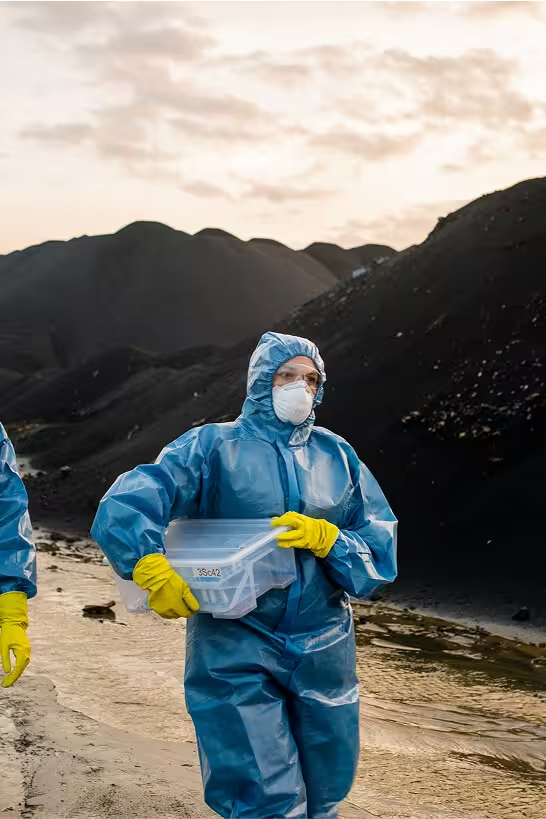
Biohazard Cleanup Denver: Professional Sanitization for Luxury Properties 

When a property is affected by biological contaminants—whether from a sewage backup, a chemical spill cleanup, or a traumatic event—the stakes for restoration are at their highest. Professional biohazard cleanup Denver is not merely an aesthetic exercise; it is a critical public health intervention. Standard household cleaning methods are fundamentally incapable of addressing the microscopic pathogens that linger within porous building materials. To ensure a luxury environment is truly restored to a "pre-loss" safety standard, a molecular-level approach to biohazard remediation is required from a trusted provider like BoneDry Services.

The Myth of Household Bleach in Biohazard Remediation

A common misconception in property management is that high concentrations of bleach are sufficient for disinfecting a contaminated site. In professional biohazard cleanup Denver, bleach is often avoided or used only as a secondary step for several technical reasons. When dealing with hazardous material cleanup, the limitations of grocery-store chemicals become dangerously apparent.

Organic Load Neutralization and Protein Barriers

Bleach is easily neutralized by organic matter. If blood or sewage is present, the bleach reacts with the proteins before it can kill the underlying pathogens. In a trauma scene cleanup, this means the surface might look clean, but the infectious agents remain active beneath a layer of neutralized chemical.

Surface Tension and Material Penetration

Bleach has high surface tension, preventing it from penetrating the microscopic pores of wood, grout, or drywall where bacteria hide. Furthermore, for high-end finishes, bleach can cause irreversible damage to metals, stone, and delicate fabrics, making it an impractical tool for luxury restoration.

Microscopic view of dormant bacteria remaining after improper Biohazard Cleanup.

4 Critical Factors for Effective Biohazard Cleanup Sanitization

Successful decontamination relies on the "Sinner’s Circle" of cleaning—a balance of four variables that our technicians calibrate for every hazardous waste cleanup project to ensure medical-grade results.

  • Chemical Concentration: Ensuring the antimicrobial is mixed to the exact parts-per-million (PPM) required for the specific pathogen.
  • Mechanical Action: The physical agitation or scrubbing required to break through the "biofilm" that protects colonies of bacteria.
  • Temperature Control: Many professional-grade disinfectants perform significantly better when applied at specific thermal ranges.
  • Dwell Time: The most overlooked factor; the chemical must remain "wet" on the surface for a predetermined number of minutes to achieve a total kill.

Breaking the Biofilm Barrier in Trauma Scene Cleanup

One of the most significant challenges in high-level sanitization is the "Biofilm." This is a slimy, protective layer that colonies of bacteria secrete to shield themselves from external threats. Professional biohazard cleanup requires the use of specialized enzymatic cleaners that act like molecular scissors, cutting through the biofilm to expose the bacteria. Once this shield is dissolved, our EPA-approved disinfectants can reach the target and achieve a true 99.9999% kill rate, which is vital during any trauma scene cleanup.

Utilizing EPA-Approved Antimicrobials for Biohazard Remediation

At BoneDry Services, our biohazard cleanup Denver protocols utilize medical-grade, EPA-registered antimicrobials designed for healthcare environments. These broad-spectrum disinfectants are engineered to remain stable in the presence of organic soil and have a documented "kill claim" against specific hardy pathogens like MRSA, C. diff, and Norovirus. This level of biohazard remediation ensures that the property is safe for immediate re-occupancy.

The Role of Specialized Surfactants in Hazardous Material Cleanup

In a luxury home, contaminants don't just sit on the surface; they migrate into subfloors and wall cavities. Standard cleaners lack the "wetting agents" needed to follow this path. During hazardous material cleanup, we use surfactants that:

  1. Reduce the surface tension of the liquid, allowing it to "wick" into the same cracks where the bio-load traveled.
  2. Encapsulate odor-causing molecules rather than just masking them with perfumes.
  3. Emulsify fats and proteins found in biological fluids, making them easier to extract from delicate fibers.

Addressing the Risk of Dormant Bacteria

One of the most dangerous aspects of a biohazard loss is the ability of certain bacteria to enter a dormant state. When a surface is "cleaned" but not properly sanitized, moisture from a standard 24/7 water damage restoration event can actually reactivate these pathogens weeks later. This is why our biohazard cleanup Denver process is so rigorous; we eliminate the biological load entirely to prevent future outbreaks.

The BoneDry Verification Process: ATP Testing

We utilize ATP (Adenosine Triphosphate) testing to verify our results. ATP is a molecule found in all living cells; by swabbing a surface after our biohazard cleanup Denver process, we get a digital readout of the remaining organic matter.

Digital ATP verification testing used to prove clinical cleanliness after Biohazard Cleanup.

If the "Relative Light Units" (RLU) exceed a medical-grade threshold, the area is treated again. This data-driven approach ensures that your home is not just visually clean, but clinically sterile.

Precision Sanitization for High-Value Substrates

Luxury properties often contain expensive, semi-porous materials that require a "low-moisture" sanitization approach. During our emergency response, we utilize electrostatic sprayers. These devices give the antimicrobial particles a positive charge, causing them to wrap around complex surfaces—ensuring 360-degree coverage without saturating the material. This is particularly useful during a chemical spill cleanup where sensitive electronics or finishes are nearby.

Negative Pressure and Aerosol Containment

During the physical agitation and cleaning phase of hazardous waste cleanup, there is a high risk of "aerosolization"—where microscopic contaminants become airborne and drift into unaffected parts of the home. To prevent this, BoneDry Services utilizes HEPA-filtered air scrubbers to create a negative pressure environment. By sealing off the affected room and constantly scrubbing the air, we ensure that every cubic foot of oxygen is filtered through a 0.3-micron medical-grade filter.

Electrostatic spraying technology being used for professional Biohazard Cleanup in a luxury home.

The Psychological Peace of Mind in Biohazard Remediation

Beyond the physical safety, there is a psychological component to restoration. Knowing that a team has utilized the same grade of sanitization used in surgical suites provides a level of comfort that "DIY" cleaning cannot match. Whether you require trauma scene cleanup or hazardous material cleanup, we provide a full "Certificate of Sanitization" upon completion, documenting the chemicals used and the testing results achieved.

📞 Call BoneDry Services at (303) 276-4163 for professional Biohazard Cleanup and biological disinfection today.

FAQ

What are the 5 steps to clean and sanitize a surface?

The professional standard involves five distinct phases: (1) Pre-cleaning to remove bulk organic matter, (2) Washing with a surfactant to break down surface tension, (3) Rinsing to clear away debris, (4) Applying an EPA-registered sanitizer with the appropriate "dwell time," and (5) Final air-drying or wiping with a sterile cloth. In Biohazard Cleanup, skipping the "dwell time" is the most common reason for sanitization failure.

What is biohazard cleaning?

Biohazard Cleanup is the specialized process of removing, cleaning, and disinfecting materials that pose a biological risk to humans. This includes blood, bodily fluids, sewage, animal remains, and chemical spills. Unlike standard janitorial work, biohazard technicians must use Personal Protective Equipment (PPE) and follow strict OSHA and CDC guidelines.

What are the 7 steps in the cleaning process in order?

For high-level remediation, the seven steps are: (1) Site Assessment and PPE donning, (2) Containment and air filtration setup, (3) Bulk removal of bio-hazardous waste, (4) Detailed HEPA vacuuming, (5) Application of antimicrobial surfactants, (6) Mechanical agitation/scrubbing, and (7) Final ATP verification testing. Following these steps in order is vital for a successful Biohazard Cleanup outcome.

What surface must be clean and sanitized?

In a post-loss environment, any surface that has come into direct or indirect contact with biological agents must be treated. This includes "high-touch" surfaces like doorknobs and light switches, but also "hidden" surfaces like the subfloor beneath a carpet or the internal wall cavities. Professional Biohazard Cleanup assumes that if the air was contaminated, every horizontal surface in the containment zone requires sanitization.

What chemicals are used in biohazard cleaning?

We utilize a rotation of "Hospital-Grade" disinfectants, including Phenolics, Quaternary Ammonium compounds, and stabilized Hydrogen Peroxide solutions. These chemicals are chosen specifically for their ability to kill bloodborne pathogens and viruses while remaining safe for the occupants once the "off-gassing" period is over. In every Biohazard Cleanup project, we match the chemical to the specific substrate.

[read-time]

Burst or Broken Pipes

Burst pipes from freezing, corrosion, or poor installation can flood homes fast. Immediate extraction and drying prevent mold and rot.
Learn More

A burst or broken pipe can turn into a homeowner’s worst nightmare within minutes. From soaked carpets and damaged walls to potential mold growth, the aftermath can be overwhelming and costly if not handled quickly. Whether caused by freezing temperatures, aging plumbing, or unexpected pressure buildup, pipe failures require immediate attention. Understanding the causes, warning signs, and proper steps to take can help you protect your home and minimize damage before it spreads.

Burst or Broken Pipes: What Causes Them and How to Protect Your Home

Few things can cause more sudden damage to your home than a burst or broken pipe. In just minutes, hundreds of gallons of water can flood your property, damaging walls, floors, and furniture. Understanding why pipes burst—and how to respond when they do—can save you from expensive repairs and long-term damage.

Common Causes of Burst or Broken Pipes

Several factors can contribute to a pipe bursting or cracking. Some of the most common causes include:

  • Freezing Temperatures – Water expands when it freezes, building pressure inside pipes until they break.
  • Aging or Corroded Pipes – Older plumbing systems can weaken over time, making them more prone to leaks and bursts.
  • High Water Pressure – Excessive water pressure can strain pipes and fittings beyond their capacity.
  • Ground Shifting – Soil movement or nearby construction can put stress on underground pipes.
  • Clogs or Blockages – Pressure buildup behind a clog can cause a pipe to burst.

Signs You Might Have a Broken Pipe

Sometimes, the signs of a pipe problem are obvious—but in other cases, they’re subtle and easy to miss. Watch out for these warning signs:

  • Sudden drop in water pressure
  • Unusual noises when running water
  • Damp walls, ceilings, or floors
  • Unexplained increase in your water bill
  • Musty odors or visible mold growth

If you notice any of these symptoms, don’t wait—addressing the issue early can prevent widespread water damage.

Signs You Might Have a Broken Pipe

Sometimes, the signs of a pipe problem are obvious—but in other cases, they’re subtle and easy to miss. Watch out for these warning signs:

  • Sudden drop in water pressure
  • Unusual noises when running water
  • Damp walls, ceilings, or floors
  • Unexplained increase in your water bill
  • Musty odors or visible mold growth

If you notice any of these symptoms, don’t wait—addressing the issue early can prevent widespread water damage.

How Burst Pipes Can Damage Your Home

Even a small leak can cause serious problems if not repaired quickly. Common damage includes:

  • Warped floors and baseboards
  • Discolored walls and ceilings
  • Mold and mildew growth
  • Electrical hazards from water intrusion
  • Structural weakening of walls and framing

The longer water sits, the more extensive (and costly) the repairs can become.

Why Professional Water Damage Restoration Is Essential

After a burst or broken pipe, simply drying the area isn’t enough. Hidden moisture can remain trapped inside walls, flooring, and insulation—leading to mold and long-term structural issues.

At Bone Dry Services, our certified technicians use advanced moisture detection tools and drying equipment to ensure your home is completely dry and safe. We handle:

  • Emergency water extraction
  • Structural drying
  • Mold prevention and remediation
  • Complete property restoration

Our team is available 24/7 to respond quickly and minimize damage from burst pipes.

Tips to Prevent Pipes from Bursting

While not all pipe failures can be avoided, these maintenance tips can significantly reduce your risk:

  • Insulate exposed pipes during cold weather.
  • Keep faucets dripping slightly during freezing temperatures.
  • Check for leaks and corrosion regularly.
  • Maintain consistent indoor temperatures.
  • Install a water pressure regulator if needed.

Regular inspections and maintenance go a long way in keeping your plumbing system reliable and safe.

[read-time]

Chipped or Peeling Paint

Paint that is chipped or peeling can expose harmful lead dust, especially in older structures. Our team handles lead paint removal to prevent health risks.
Learn More

Chipped or peeling paint might seem like a simple cosmetic issue, but it can be an early warning sign of deeper problems in your home. Moisture, poor ventilation, or surface damage can all cause paint to crack, bubble, or flake away—often revealing hidden water damage or mold growth underneath. Addressing the root cause early not only restores your home’s appearance but also prevents costly repairs later on.

Chipped or Peeling Paint: What It Means for Your Home

When paint begins to peel, it’s a signal that something is breaking down beneath the surface. Paint is meant to protect walls, ceilings, and trim from everyday wear and moisture. Once it starts to fail, the surface is left exposed to further deterioration—and potential water intrusion.

Common Causes of Chipped or Peeling Paint

Several issues can cause paint to lose adhesion or begin flaking:

  • Moisture Damage – Water leaks, humidity, or condensation behind walls can loosen paint layers.
  • Poor Surface Preparation – If a surface wasn’t cleaned, primed, or dried properly before painting, the paint won’t stick well.
  • Low-Quality Paint or Application – Cheap paint or applying too many layers can lead to poor bonding.
  • Aging and Sun Exposure – Over time, UV rays and heat can cause paint to crack and fade.
  • Structural Issues – Shifting drywall or settling wood can create small cracks that lead to peeling.

Why Peeling Paint Shouldn’t Be Ignored

While it’s easy to see peeling paint as a minor issue, it can point to more serious underlying problems:

  • Hidden Water Leaks – Paint that bubbles or flakes often means moisture is trapped underneath.
  • Mold and Mildew Growth – Damp walls create ideal conditions for mold to spread.
  • Air Quality Concerns – Older homes may have lead-based paint, which poses health risks when it chips.
  • Worsening Structural Damage – Continuous moisture exposure can weaken drywall, plaster, or wood.

How to Fix and Prevent Peeling Paint

Fixing peeling paint starts with addressing the source of the problem—not just repainting. Here’s how professionals handle it:

  1. Inspect for Moisture or Leaks – Determine if there’s water damage behind the surface.
  2. Repair and Dry the Area – Fix leaks, remove damaged materials, and ensure the wall is completely dry.
  3. Clean and Prep the Surface – Remove loose paint and apply a high-quality primer.
  4. Repaint with Durable, Moisture-Resistant Paint – Use paints designed for your environment (e.g., kitchens, bathrooms, or exteriors).

How Bone Dry Services Can Help

At Bone Dry Services, we don’t just cover up peeling paint—we find out why it’s happening. Our experts inspect for moisture, leaks, and hidden water damage that may be causing paint failure. From water damage restoration to mold remediation, we repair the underlying issue before restoring your walls to a clean, smooth finish.

Our certified team responds 24/7 to help homeowners recover from moisture-related damage quickly and effectively.

Preventing Future Paint Problems

Once your walls are repaired, a few maintenance steps can help prevent peeling paint in the future:

  • Control humidity with proper ventilation or dehumidifiers.
  • Fix small leaks or drips as soon as they appear.
  • Use high-quality primers and paints suited for your room type.
  • Clean painted surfaces gently to avoid wear and tear.

Real Stories, Real Results

Trusted by Homeowners Across Denver

4.9 rating
with 450+ Reviews

JD got our small job patching a hole sorted out really quickly. His team was efficient and communicated with us really well through the whole process. You would never be able to tell there was a hole in the ceiling. Highly recommend!

Beth Kent
Homeowner

We had an unexpected water issue that flooded part of our basement on super bowl sunday and Bone Dry Services came to the rescue. From start to finish, the experience was professional, efficient, and stress-free.

Levi Johaston
Homeowner

Roman and Francisco worked for two days on my place. The were hardworking and very polite. Excellent communication skills and kept me updated on everything that was happening. Bone dry services has two great employees.

Miller Crowe
Homeowner

JD got our small job patching a hole sorted out really quickly. His team was efficient and communicated with us really well through the whole process. You would never be able to tell there was a hole in the ceiling. Highly recommend!

Beth Kent
Homeowner

Roman and Francisco worked for two days on my place. The were hardworking and very polite. Excellent communication skills and kept me updated on everything that was happening. Bone dry services has two great employees.

Miller Crowe
Homeowner

JD got our small job patching a hole sorted out really quickly. His team was efficient and communicated with us really well through the whole process. You would never be able to tell there was a hole in the ceiling. Highly recommend!

Beth Kent
Homeowner

FAQ’s

Frequently Asked Questions

Still need help?
Get Help Now

How quickly can BoneDry respond to a biohazard situation?

Our certified team is available 24/7 and can arrive promptly to secure the site, assess hazards, and begin safe and professional cleanup immediately.

Will insurance cover biohazard cleanup?

Many homeowners and commercial insurance policies provide coverage for biohazard incidents. BoneDry works directly with your insurance provider, offering detailed documentation and support to streamline the claims process.

How long does biohazard cleanup take?

The timeline depends on the type and extent of the contamination. Minor biohazards may be addressed in a few hours, while larger or more complex sites may take several days.

Are your technicians certified for biohazard cleanup?

Yes, all BoneDry technicians are trained, certified, and follow strict OSHA and EPA protocols to ensure safe and compliant handling of hazardous materials.

Do you handle both residential and commercial properties?

Absolutely. BoneDry provides biohazard cleanup for homes, offices, and commercial buildings, ensuring safety and thorough remediation in every situation.

Contact Us

Get Immediate Help

We’re available 24/7. Our team responds quickly and handles everything with care and discretion.
Thank you! Your submission has been received!
Oops! Something went wrong while submitting the form.

24/7 Water Damage Restoration

Mold Removal & Remediation

Fire Damage Restoration

Biohazard Cleanup

Storm Damage Restoration

Sewage Cleanup

Emergency Board-Up

Structural Drying & Dehumidification

Contents Restoration

Odor Removal