


Basement Flood Clean Up – A Guide to Avoid Structural Damage
A flooded basement is one of the most stressful emergencies a Colorado homeowner can face — especially during winter, when freezing temperatures, snowmelt, and plumbing failures become more common. Basements in Denver, Arvada, Golden, Lakewood, Thornton, and mountain-adjacent communities are particularly vulnerable because water naturally flows downward and settles in the lowest level of the home.
What starts as a “small puddle” can quickly escalate into severe structural damage, mold growth, electrical hazards, and long-term foundation issues if not handled properly and immediately. The goal of this guide is to help homeowners take the right first steps after discovering a basement flood — steps that prevent thousands of dollars in unnecessary repairs.
Why Basements Flood in Colorado Winters
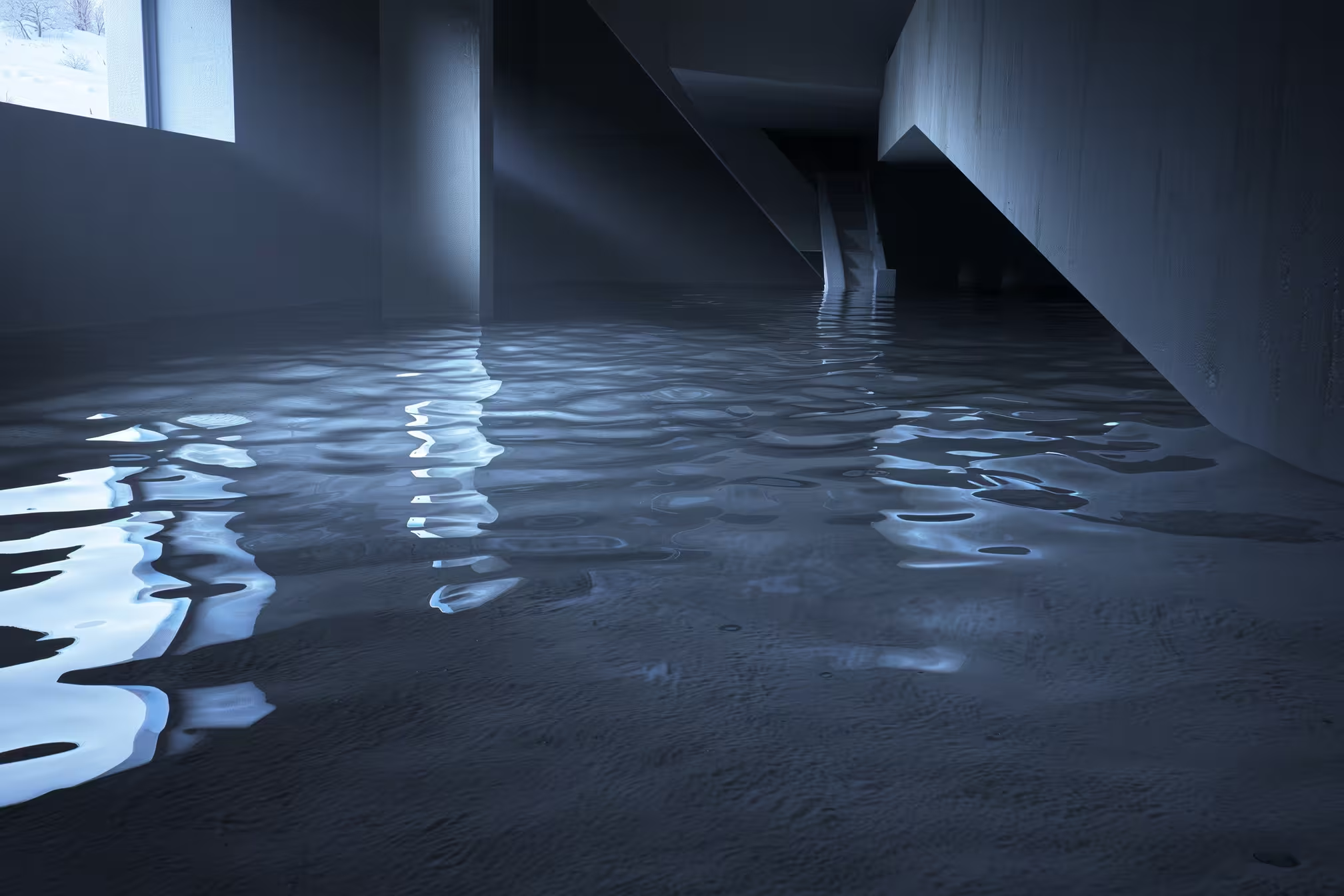
Basement flooding often spikes during December–March due to:
1. Burst or Frozen Pipes
Colorado’s rapid freeze–thaw cycles cause pipes to freeze and split, especially in basements and crawl spaces.
2. Snowmelt Seeping Through Foundations
As temperatures warm, melting snow saturates soil around your home. Hydrostatic pressure pushes water through cracks in basement walls and floors.
3. Sump Pump Failures
Cold weather can overwhelm or freeze sump pump systems, causing backup water to overflow into the basement.
4. Roof or Gutter Leaks
Water can travel through framing and walls before pooling in the basement.
5. Sewer Line Backups
Winter clogs or frozen ground can lead to wastewater backing into basement floor drains.
Each of these situations requires a different cleanup method — and knowing which you’re dealing with is critical.
First Steps to Take Immediately After a Basement Flood
1. Prioritize Safety
Before entering the basement:
- Turn off electricity to the affected area
- Avoid stepping into water near outlets or appliances
- Watch for sagging ceilings or weakened structures
If sewage is present, avoid contact entirely.
2. Stop the Source of Water
Common actions include:
- Shutting off the main water supply
- Turning off outdoor irrigation lines
- Checking for burst pipes
- Inspecting the sump pump
- Looking for roof or foundation leaks
Stopping water flow early greatly limits damage.
3. Document Everything for Insurance
Take clear photos of:
- Standing water
- Damaged floors and walls
- Affected personal belongings
- Appliances or plumbing involved
This documentation protects your claim and speeds up approval.
How Homeowners Can Perform Initial Damage Control
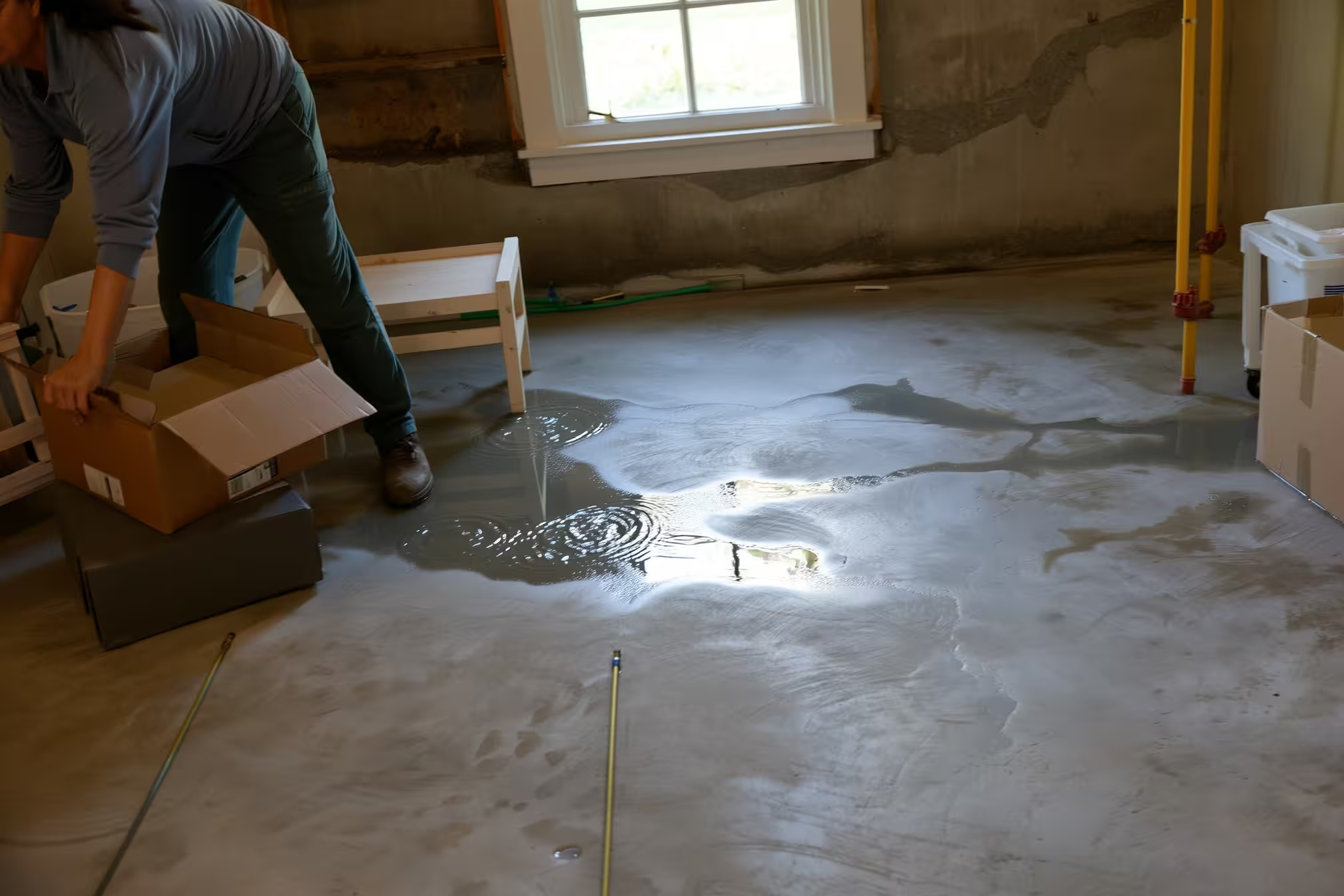
While professional restoration is essential for full cleanup, homeowners can safely begin early mitigation.
1. Remove Standing Water if It’s Safe
For clean water (not sewage):
- Use wet/dry vacuums
- Towels and mops for small areas
- Open accessible drains
Do not attempt removal if:
- Water is near electrical systems
- Sewage is present
- The water is structural or overhead
2. Move Belongings to a Dry Area
Prioritize:
- Furniture
- Rugs
- Electronics
- Storage bins
- Important documents
Affected items should be placed in a well-ventilated area to dry.
3. Increase Airflow
Basements naturally trap moisture. Improve airflow by:
- Opening windows (if temperatures allow)
- Running fans
- Running dehumidifiers
However — surface-level drying is not enough for structural components.
Hidden Structural Damage: What Homeowners Often Miss
Water always travels farther than what is visible. Even after removing standing water, hidden moisture may remain in:
- wall cavities
- insulation
- drywall
- subflooring
- joists
- sill plates
- foundation cracks
If left untreated, this leads to:
- mold within 48 hours
- wood rot
- warping structural beams
- long-term foundation instability
Professional moisture mapping is the only way to verify complete dryness.
Learn about BoneDry’s water damage restoration process:
➡️ Water Damage Restoration Services in Colorado
When Basement Flooding Requires Professional Cleanup
Call a professional immediately if:
- Water levels exceed 1–2 inches
- The flooding came from sewage or a drain backup
- Water has soaked walls or structural framing
- You smell mold or musty odors
- Water is still entering the basement
- Electrical systems are exposed
- Your sump pump has failed
Basement floods worsen dramatically over the course of a single day. Fast intervention prevents secondary damage and reduces repair time.
How BoneDry Services Handles Basement Flood Cleanup
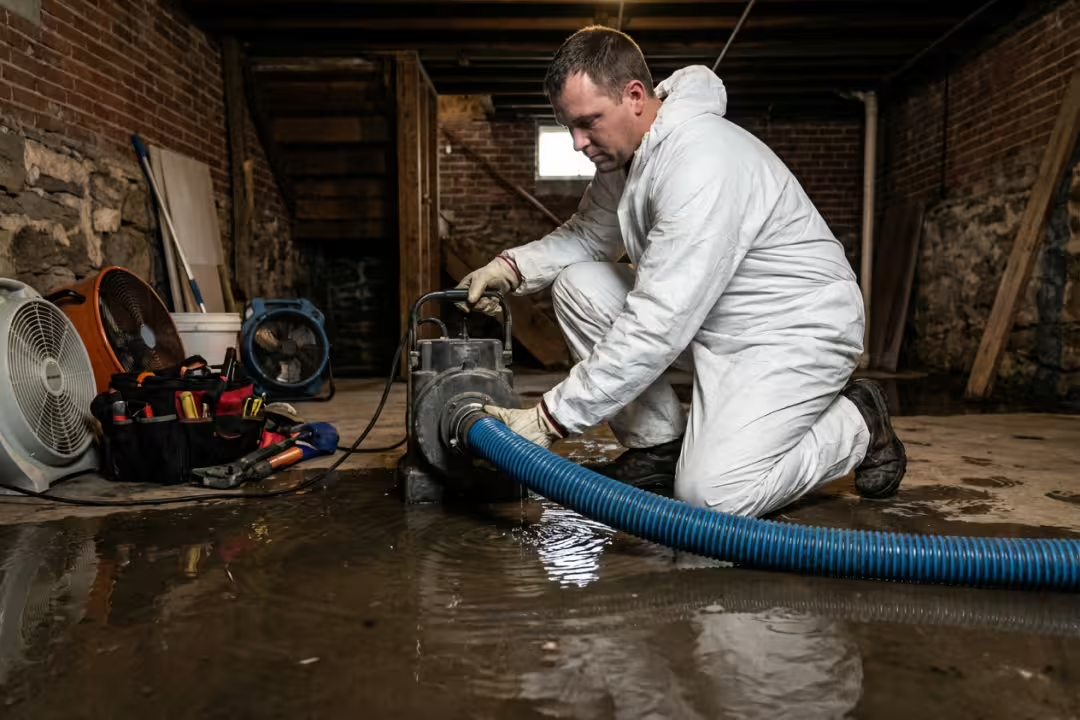
BoneDry Services is Colorado’s trusted leader in water damage restoration. Our certified team uses advanced equipment and methods to protect your home from long-term structural problems.
Our process includes:
1. 24/7 Emergency Response
We arrive within 90 minutes anywhere in Colorado — Denver, Arvada, Golden, Wheat Ridge, mountain towns, and beyond.
2. Water Extraction & Pumping
Industrial pumps and vacuums remove water quickly and safely.
3. Moisture Mapping & Thermal Imaging
We locate hidden water behind walls, under flooring, and inside structural materials.
4. Controlled Demolition (only where needed)
Damaged drywall, insulation, and flooring are removed to prevent mold.
5. Structural Drying & Dehumidification
High-powered fans and dehumidifiers dry the structure completely.
6. Sanitization & Mold Prevention
We apply antimicrobial treatments to stop mold growth before it starts.
7. Full Reconstruction
BoneDry repairs drywall, flooring, framing, and other materials to restore your basement to its original condition.
Protect Your Home — Call BoneDry for 24/7 Basement Flood Clean Up
Basement flooding is urgent — the longer water sits, the more structural damage it causes. Fast response is the key to avoiding long-term repairs and preserving your home’s foundation.
BoneDry Services offers:
- 24/7 emergency water damage cleanup
- 90-minute arrival across Colorado
- Certified flood and structural drying technicians
- Full mitigation + reconstruction
- Free inspections & leak detection
📞 Call now: (303) 276-4163
FAQ Section
1: What causes most basement floods in Colorado during winter?
Frozen pipes, snowmelt seepage, sump pump failures, and sewer backups are common sources.
2: How soon can mold grow after a basement flood?
Mold can begin growing within 24–48 hours, especially in basements where airflow is limited.
3: Can I clean up a flooded basement myself?
You can remove small amounts of clean water, but structural drying and contamination issues require a professional.
4: How do I know if floodwater reached the walls or framing?
Thermal imaging and moisture meters are required to detect hidden water behind surfaces.
5: Should I use bleach to disinfect after a flood?
Bleach only treats surfaces — it cannot penetrate porous materials or prevent mold inside walls.
6: How long does professional basement drying take?
Typically 3–5 days, depending on water volume and temperature.