

Sewage Cleanup in Denver During Winter: Risks for Homeowners
Winter in Denver brings freezing temperatures, snowstorms, and rapid temperature swings — conditions that significantly increase the risk of sewage backups in residential homes. When temperatures drop, your plumbing system experiences extra stress, and the city sewer lines often slow down due to partial freezing, heavy water usage, and debris buildup.
For many homeowners in Denver, Wheat Ridge, Arvada, Lakewood, Thornton, Aurora, and Commerce City, winter sewage backups are not just inconvenient; they’re dangerous. Sewage exposure can lead to contamination, structural damage, mold growth, and serious health risks if not handled quickly and professionally.
In this guide, you’ll learn the most common causes of winter sewage backups, warning signs to watch for, and how to protect your home.
Why Sewage Backups Are More Common in Winter
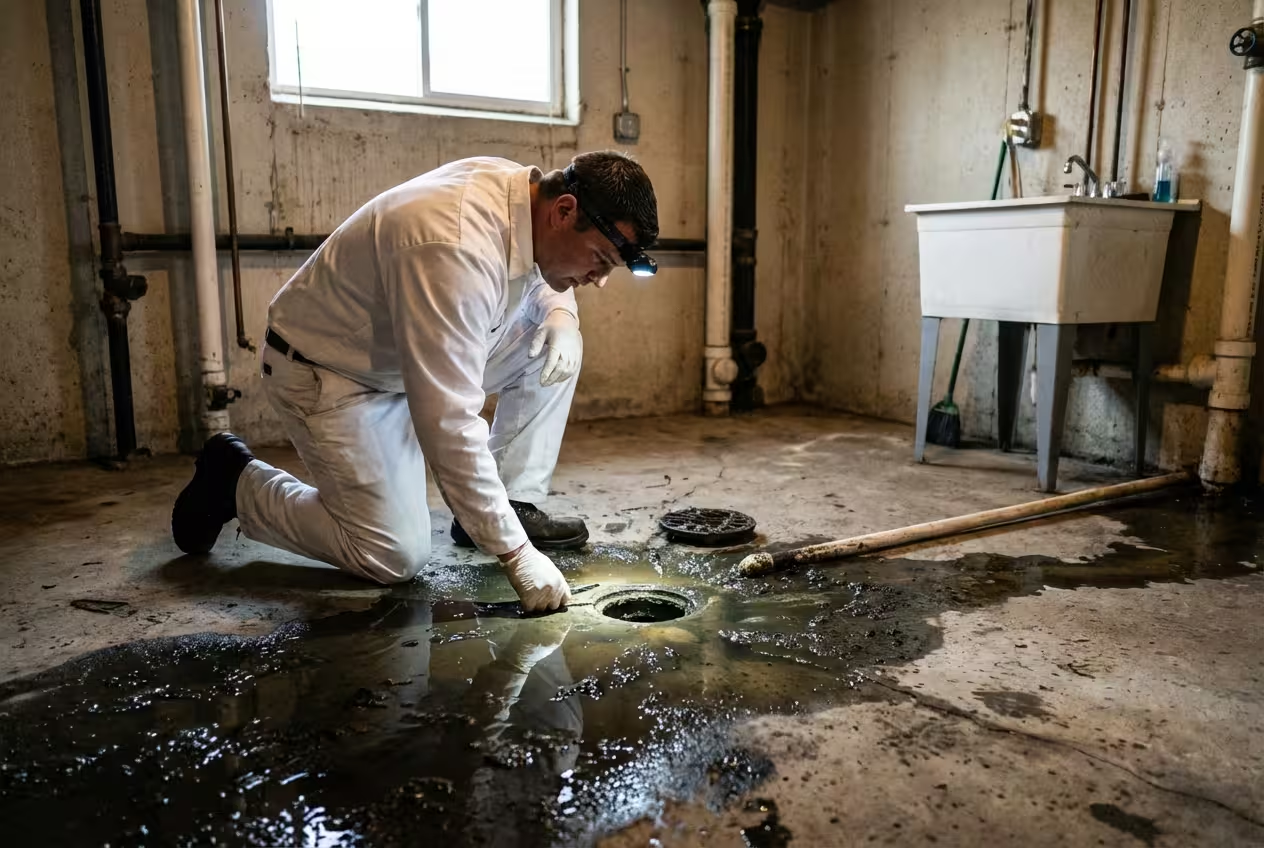
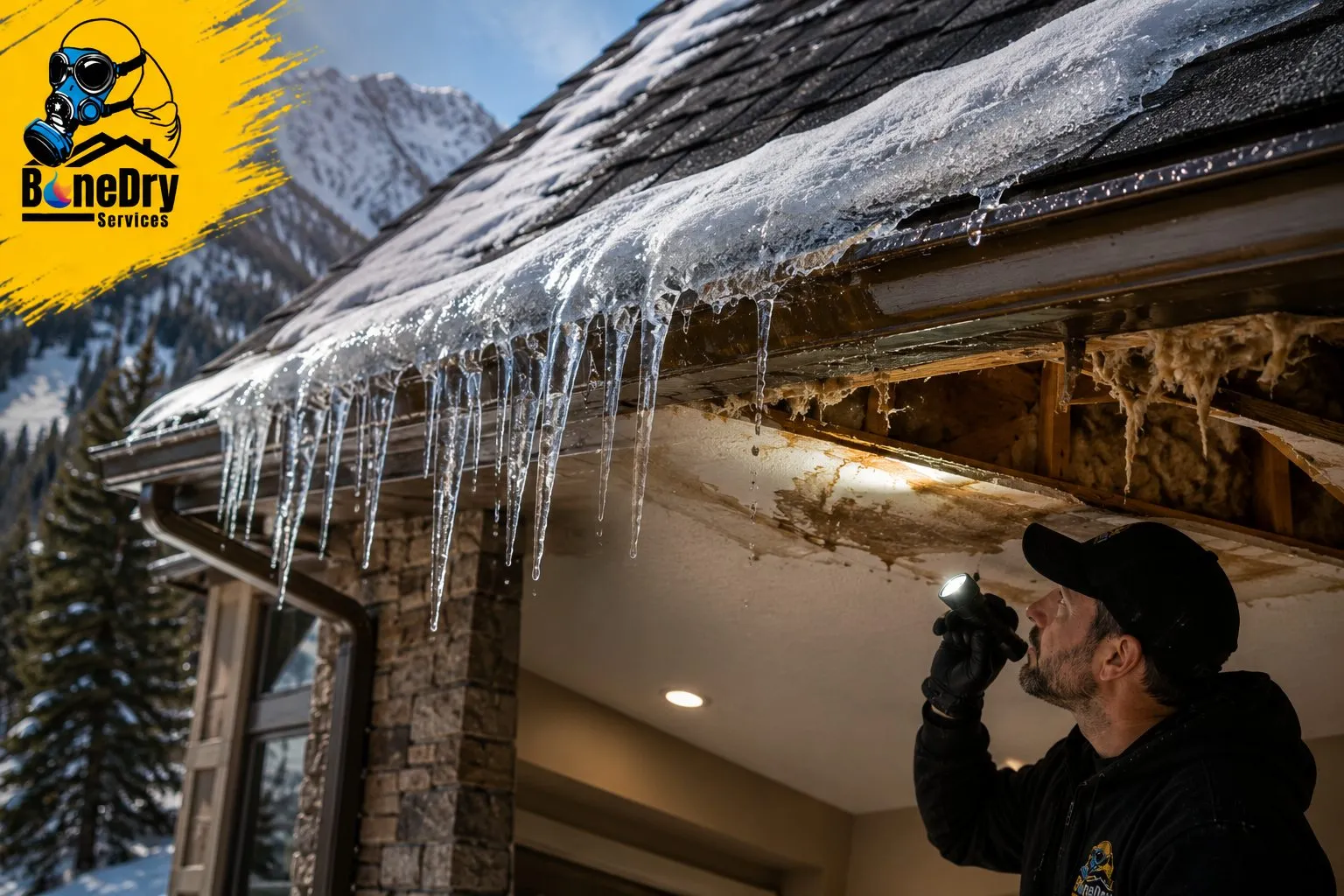
Denver’s winter environment creates a perfect storm for plumbing failures. The most common winter-related causes include:
1. Frozen Pipes Leading to Blockages
Even partially frozen pipes restrict water flow. When wastewater cannot exit the home properly, pressure builds — eventually causing sewage to flow backward into sinks, showers, and floor drains.
2. Increased Indoor Water Usage
During winter, households take longer showers, run heaters, use humidifiers, and do more indoor activities. That means more wastewater entering an already stressed sewer system.
3. Ground Freezing and Soil Shifting
Frozen ground compresses and shifts surrounding soil, placing pressure on underground sewer lines. This can cause cracks, misalignment, or full collapses.
4. Overloaded Public Sewer Systems
Winter storms cause sudden bursts in water flow, melting cycles, and inflow into public sewer lines — all of which increase the risk of backups in Denver neighborhoods.
5. Tree Root Intrusion (even in winter)
Tree roots continue searching for warmth and moisture underground. Sewer lines provide both, leading to root infiltration that causes blockages and pipe damage.
Signs of a Sewage Backup Homeowners Should Never Ignore
Sewage issues often start subtly but escalate quickly. Watch for:
- Gurgling sounds from drains or toilets
- Slow drainage in sinks, showers, or tubs
- Foul odors coming from floor drains
- Bubbling water in toilets
- Water pooling around basement floor drains
- Toilets backing up when using other appliances (dishwasher, washing machine)
- Wastewater surfacing in yard or driveway
If any of these symptoms appear — especially during freezing temperatures — shut off water usage immediately and call a professional.
Health & Safety Risks of Winter Sewage Backups
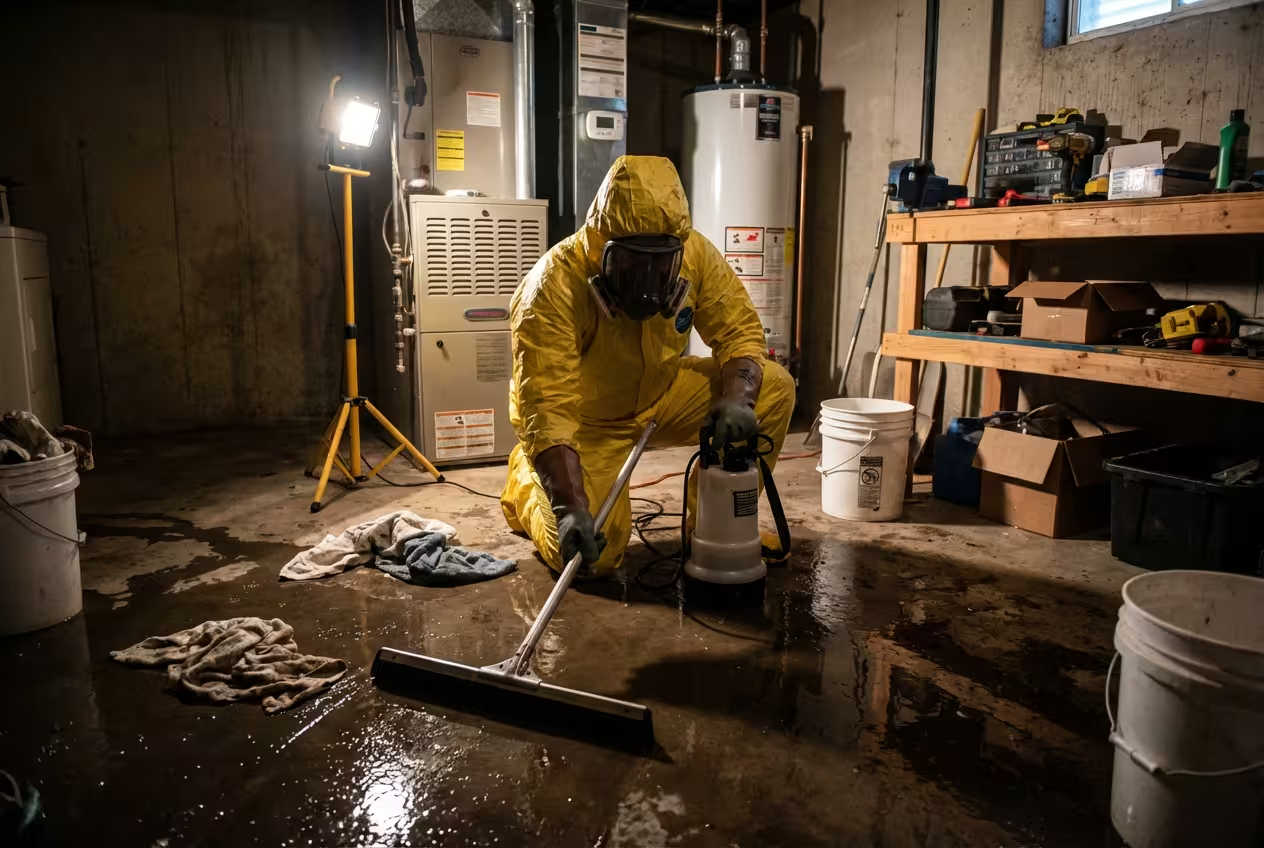
Sewage exposure poses higher health risks in winter because it spreads faster indoors when ventilation is limited.
Major risks include:
- Harmful bacteria and viruses
- Blackwater contamination
- Airborne pathogens
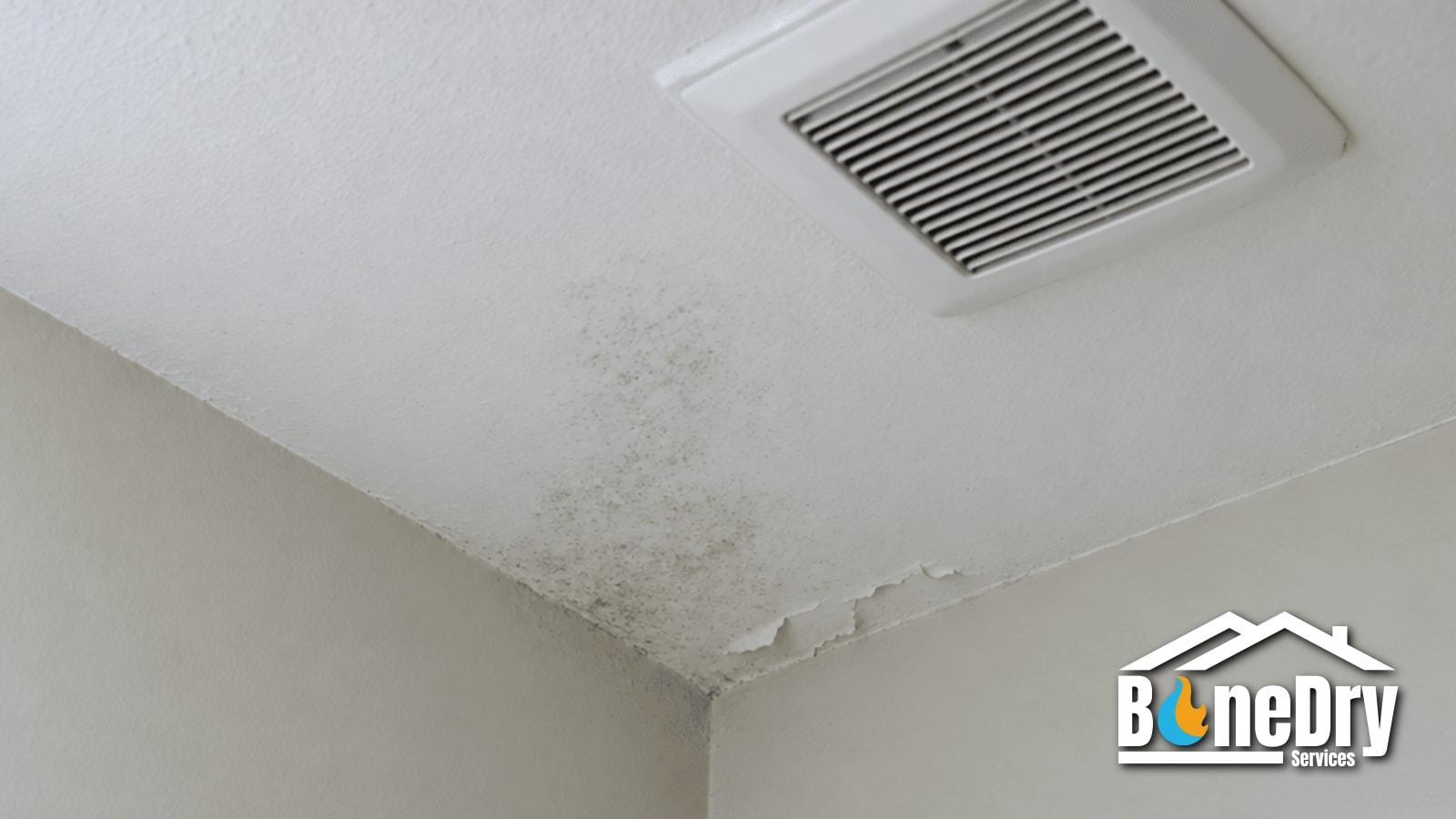
- Mold growth within 24–48 hours
- Structural damage to flooring, drywall, and foundations
- Electrical hazards when water reaches outlets or wiring
Because sewage is classified as Category 3 water, it requires certified cleanup following strict safety protocols. DIY cleanup is dangerous and often worsens contamination.
Professional Sewage Cleanup Process: How BoneDry Protects Denver Homes
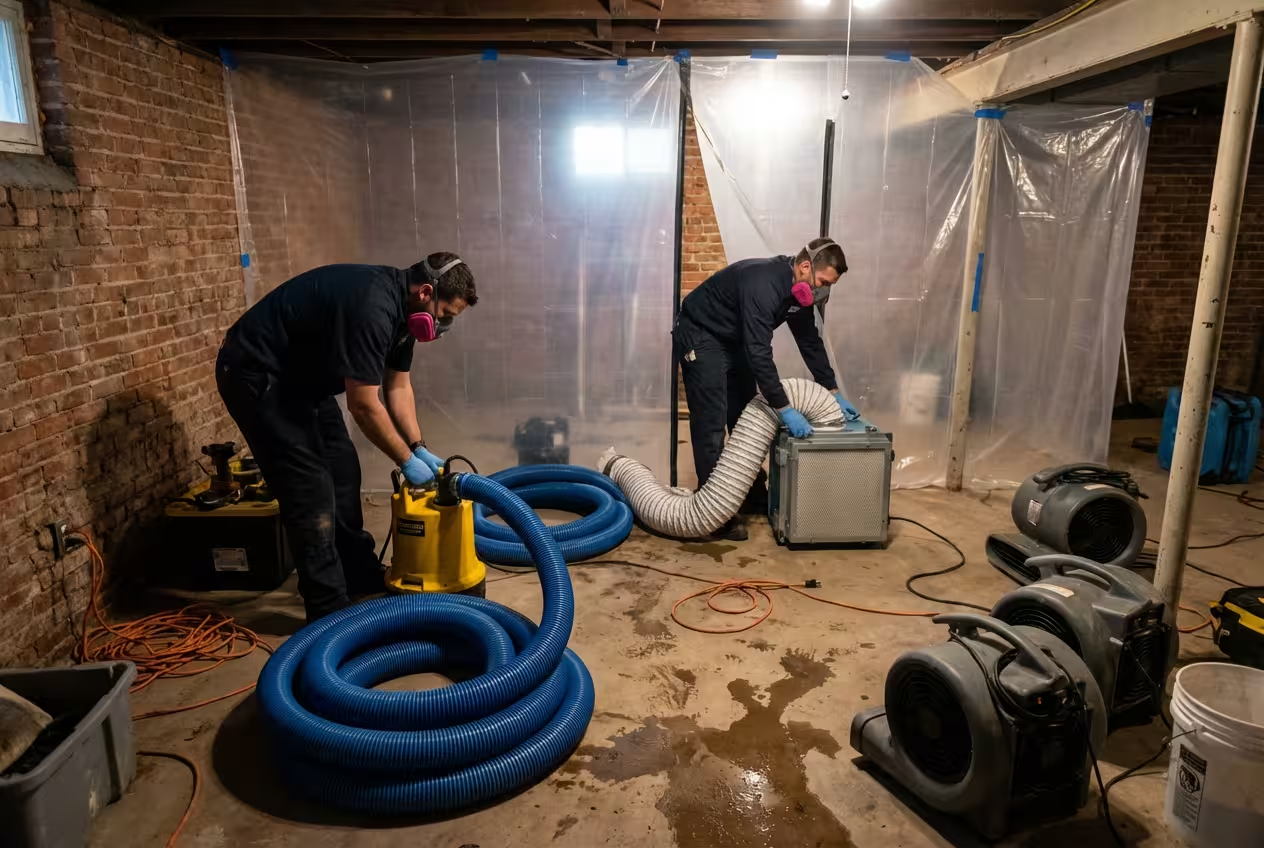
BoneDry Services follows industry-standard procedures to ensure your home is safe, sanitized, and fully restored.
1. Emergency Response (24/7)
Our team arrives within 90 minutes anywhere in Denver or the Front Range.
2. Containment & Safety Measures
We establish containment zones to prevent cross-contamination and protect unaffected areas.
3. Extraction of Contaminated Water
Professional pumps remove sewage quickly to stop further spread.
4. Removal of Affected Materials
Drywall, flooring, insulation, and contents exposed to blackwater are safely removed.
5. Deep Cleaning & Disinfection
We use hospital-grade antimicrobial solutions to eliminate pathogens.
6. Structural Drying & Moisture Control
Prevent mold growth with advanced drying equipment.
7. Full Repair & Reconstruction
BoneDry is one of the few Colorado companies that handles both cleanup and rebuilding — ensuring your home is fully restored.
Learn more about BoneDry Services:
➡️ Sewage Cleanup Services in Colorado
➡️ Water Damage Restoration in Colorado
How to Reduce Sewage Backup Risks During Denver Winters
1. Insulate Exposed Plumbing
This helps prevent partial freezing and blockages.
2. Clear Main Sewer Lines Annually
A plumber can remove buildup and roots before winter begins.
3. Install a Backwater Valve
This device prevents city sewer water from backing into your home.
4. Limit Grease & Food Waste Disposal
Grease solidifies in cold temperatures, causing pipe blockages.
5. Check Sump Pumps & Drains
Ensure sump pumps are functional and floor drains are unobstructed.
6. Watch for Neighborhood Drainage Issues
If neighbors experience backups, yours may be next — especially in older Denver neighborhoods.
When to Call a Professional Immediately
Contact BoneDry Services if you see:
- Raw sewage in a toilet, shower, or basement
- Standing water around floor drains
- Strong sewage odors inside the home
- Water backing up when flushing or running appliances
- Visible wastewater or debris coming through drains
Even a small backup requires certified remediation.
24/7 Sewage Cleanup in Denver — Call BoneDry Services
When winter sewage backups strike, fast action protects your home and your health.
BoneDry Services provides:
- 24/7 emergency sewage cleanup
- 90-minute arrival across Denver
- Certified technicians
- Full disinfection, drying & reconstruction
📞 Call now: (303) 276-4163
FAQ Section
1: Why are sewage backups worse in winter?
Frozen pipes, increased water usage, and stressed sewer lines make backups more frequent during Denver winters.
2: Is sewage exposure dangerous?
Yes — Category 3 sewage water contains harmful pathogens and requires certified remediation.
3: What should I do if my basement drain backs up?
Stop using water immediately and call a professional sewage cleanup team.
4: Can tree roots cause winter sewage backups?
Yes. Roots seek warmth and moisture year-round and commonly invade sewer lines.
5: Does homeowners insurance cover sewage cleanup?
Many policies do, especially if a backwater valve is installed. BoneDry assists with documentation.
6: How can I prevent sewer backups at home?
Maintain sewer lines, avoid flushing grease, and consider a backwater valve installation.