

Sewage Cleanup Denver and Colorado Springs Homeowners Should Watch For During Freezes
When a deep freeze settles over Colorado Springs, most homeowners worry about bursting fresh water supply pipes. However, there is a nastier, more hazardous winter plumbing threat that rarely gets discussed until it happens: frozen sewer lines.
While less common than supply line freezes, a frozen sewer lateral (the pipe connecting your home to the city main) is a catastrophic event. When the exit route for your home’s wastewater freezes shut, everything you flush or drain has nowhere to go but back into your home. This is a biohazard emergency requiring immediate, professional sewage cleanup.
Do Sewer Lines Freeze and Require Sewer Line Cleaning in Colorado Springs
It seems counterintuitive—sewage is usually warm, so how does it freeze?
In Colorado Springs, the frost line (the depth to which the ground freezes) can reach several feet deep during sustained periods of sub-zero temperatures. While flowing sewer water usually stays liquid, issues arise when:
- Low Flow Volumes: If a faucet is dripping slowly to prevent fresh water freezes, that small amount of water can slowly turn to ice layers in the main sewer line before reaching the city connection.
- Shallow Pipes or Settling: In older Front Range homes, sewer pipes may have shifted upward over time due to soil movement, bringing them closer to the freezing surface zone.
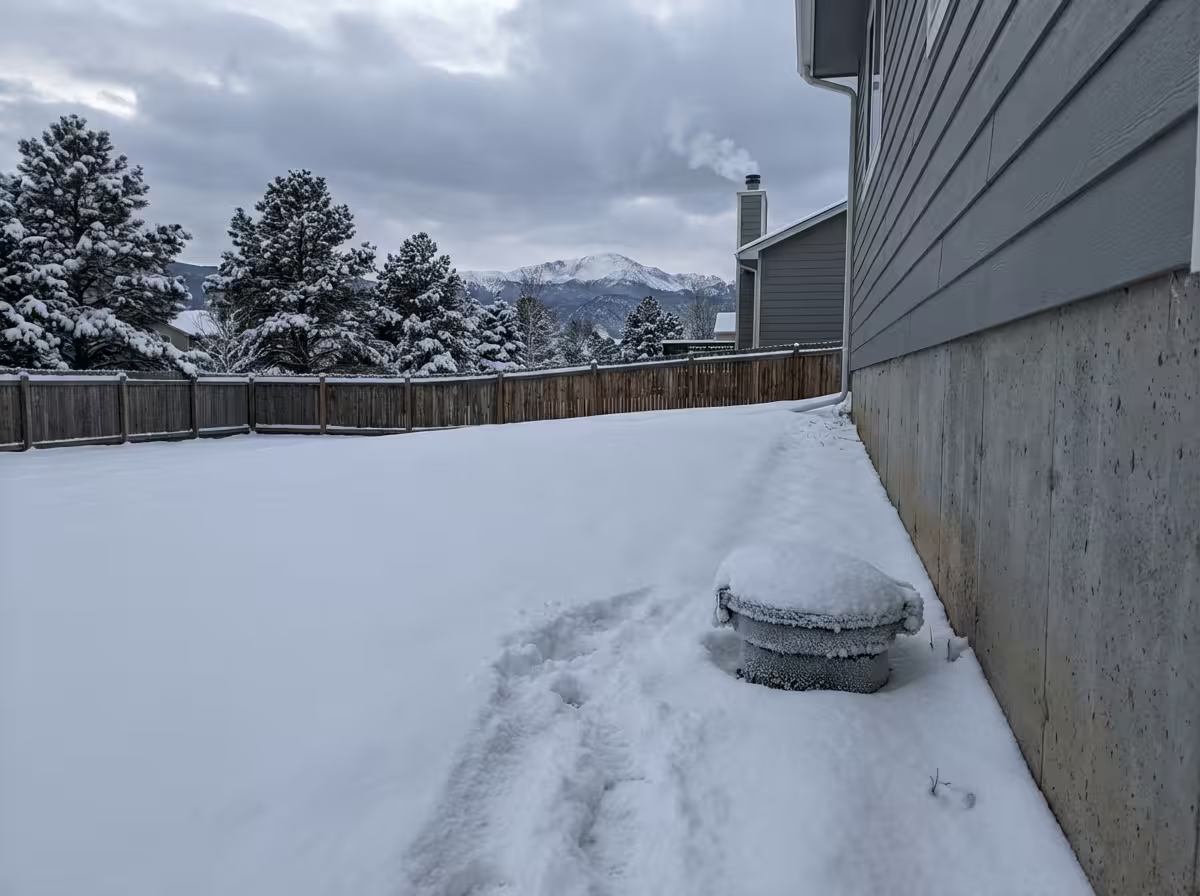
- Uninsulated Exit Points: The most vulnerable point is often where the sewer pipe leaves the home's foundation and enters the frozen ground.
The Mechanics of Backed Up Sewage Pressure and The Plug
Once an ice dam forms inside your sewer line, it creates an immovable plug. The immediate danger is pressure buildup.
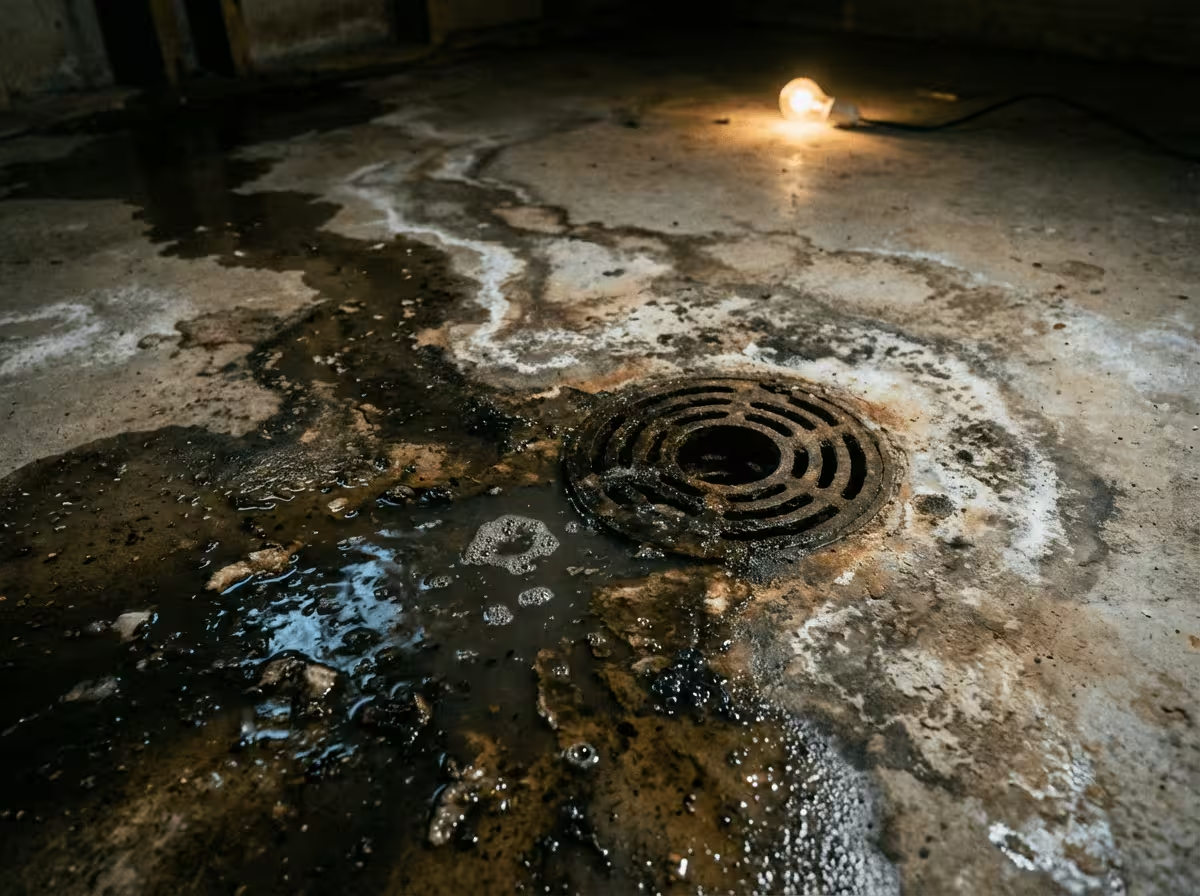
Every time a toilet is flushed, a shower is run, or the washing machine drains, gallons of water enter the system behind the ice blockage. This hydraulic pressure seeks the path of least resistance. Unfortunately, that path is usually back up through the lowest drains in your home—typically basement floor drains, utility sinks, or downstairs showers.
Severe Dangers of Sewage Contamination and the Need for Sewage Restoration
The most critical thing for homeowners to understand is that this water is not clean. In the restoration industry, sewage is classified as Category 3 Water, also known as "black water."
It is highly contaminated with fecal matter, urine, harsh chemicals, and countless pathogenic bacteria, viruses, and parasites (such as E. coli, Salmonella, and Hepatitis).
DIY cleanup is dangerous and ineffective. Standard household cleaners are insufficient for sanitizing porous materials like concrete, drywall, and framing lumber that have absorbed sewage. Failing to perform professional sewage cleanup immediately can lead to:
- Severe long-term health risks for your family.
- Permanent structural damage to the home’s foundation.
- Rapid development of toxic mold that feeds on the organic waste matter.
Warning Signs You Need Sewer Line Cleaning or Emergency Help
Catching a frozen sewer line early can save you from a massive cleanup operation. During a severe Colorado Springs cold snap, watch for these signs:
1. Gurgling Sounds Lower in the Home
If you flush an upstairs toilet and hear loud gurgling or bubbling coming from a basement toilet or floor drain, air is trapped in the line due to a forming blockage.
2. Multiple Slow Drains Simultaneously
If the kitchen sink, bathroom shower, and laundry tub all start draining slowly at the exact same time during freezing weather, the main exit line is likely obstructed by ice.
3. Foul Odors
The smell of raw sewage near floor drains or utility sinks suggests water traps have dried out or waste is backing up near the surface.
4. Water Backing Up into Odd Places
The classic sign: You flush a toilet, and filthy water immediately backs up into the shower tub next to it. This indicates a complete blockage downstream.
Immediate Steps to Take for Sewage Cleanup Denver and Colorado Springs
If you suspect a sewer freeze and backup is occurring:
- Stop Using Water Immediately: Do not flush toilets, run sinks, or use appliances like dishwashers. You are only adding to the mess that will eventually end up on your floor.
- Evacuate the Area: Keep children, pets, and anyone with compromised immune systems away from the affected level of the home.
- Do Not Touch the Water: Avoid any contact with the sewage.
Call Professionals: You need BoneDry Services for emergency sanitation and extraction.
Why Professional Sewer Clean Out Services and Restoration are Non Negotiable
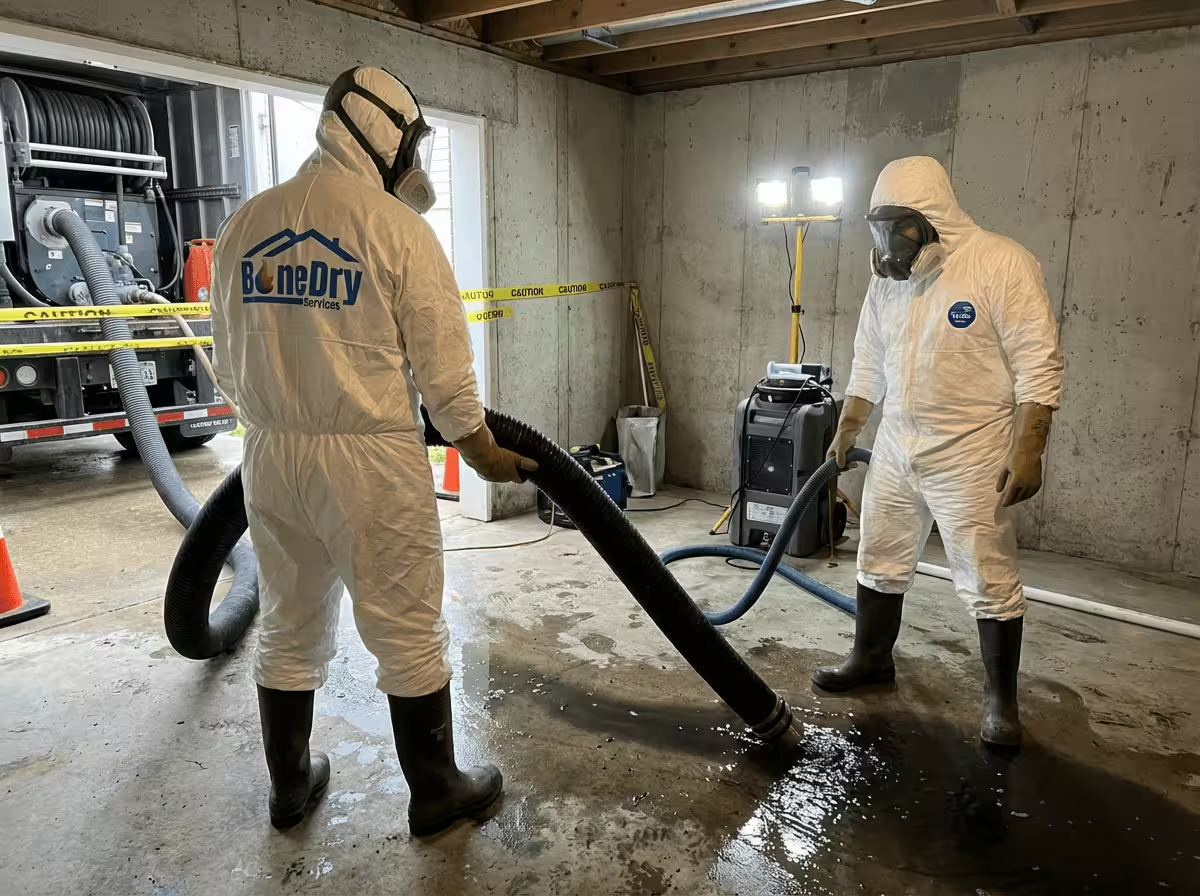
When a sewer line freezes and backs up, the restoration process is far more complex than typical water damage. It requires specialized sanitation protocols to ensure the home is safe for habitation.
At BoneDry Services, a sewer backup is more complex than standard water damage restoration. It requires:
- Containment: Setting up negative air pressure to keep contaminants from spreading.
- Industrial Sanitation: Using hospital-grade disinfectants to sanitize porous materials.
- Scientific Drying: Ensuring no moisture is trapped behind walls to prevent mold.
Professional Restoration
If you suspect a frozen sewer line, stop using water immediately and call the experts. BoneDry Services provides rapid, 24/7 sewage cleanup in Colorado Springs. We don't just "mop up"—we sanitize, dry, and restore your home to a safe, healthy condition.
📞 Call now for immediate service: (303) 276-4163
FAQ Section
1. How do I know if my sewer line is frozen or just clogged?
If you have multiple drains backing up at once—specifically on the lowest level of your home—it is likely a frozen main line. If flushing a toilet causes water to bubble up in your shower or floor drain during a cold snap, you have a sewer freeze emergency.
2. Will homeowners insurance cover a sewage backup?
Standard policies often require a specific "Sewer and Drain Backup" rider. Without this add-on, many companies will not cover the cost of sewage cleanup or restoration. Always check your policy before the winter season hits.
3. Can I clean up a sewage backup myself with bleach?
No. Bleach kills some surface bacteria but cannot reach the biohazards absorbed by porous concrete or wooden wall studs. Professional restoration is required to scientifically sanitize the structure and ensure the air is safe to breathe.
4. How fast does mold grow after a sewage backup?
In the damp, nutrient-rich environment of a sewage spill, mold can begin to colonize in 24 to 48 hours. Rapid extraction and professional drying are the only ways to prevent a secondary mold infestation.
5. Can I pour antifreeze down the drain to prevent a freeze?
Never use automotive antifreeze; it is toxic to the environment. However, you can use non-toxic "RV Antifreeze" in floor drains that aren't used often to prevent the water in the trap from freezing and cracking the pipe.