


Colorado Springs Basement Flooding Spike What Homeowners Should Prepare For
A sudden basement flood is a homeowner’s nightmare and in Colorado Springs these incidents often come in spikes rather than steady occurrences. Whether it is a rapid spring thaw from Pikes Peak snowmelt or a sudden summer downpour typical of the Front Range the risk to your home is constant.
When water enters your home the clock starts ticking. Without immediate water damage restoration a small puddle can quickly evolve into a structural crisis or a hazardous mold outbreak within just 24 to 48 hours. This guide explores why Colorado Springs is prone to these spikes and how you can protect your property.
Why Colorado Springs Basements Flood More Often Right Now
Living at the foot of the Rockies creates unique environmental pressures on residential foundations. Homeowners in neighborhoods from Briargate to Old Colorado City often face flooding due to several common local factors.
- Hydrostatic Pressure from Snowmelt As heavy snow on the mountains melts the soil becomes oversaturated. This creates hydrostatic pressure literally pushing groundwater through microscopic cracks in your basement’s concrete floor or walls.
- The Front Range Flash Floods Colorado Springs is famous for intense short duration rainstorms. When the ground is hard-packed it cannot absorb water quickly leading to surface water rushing toward window wells.
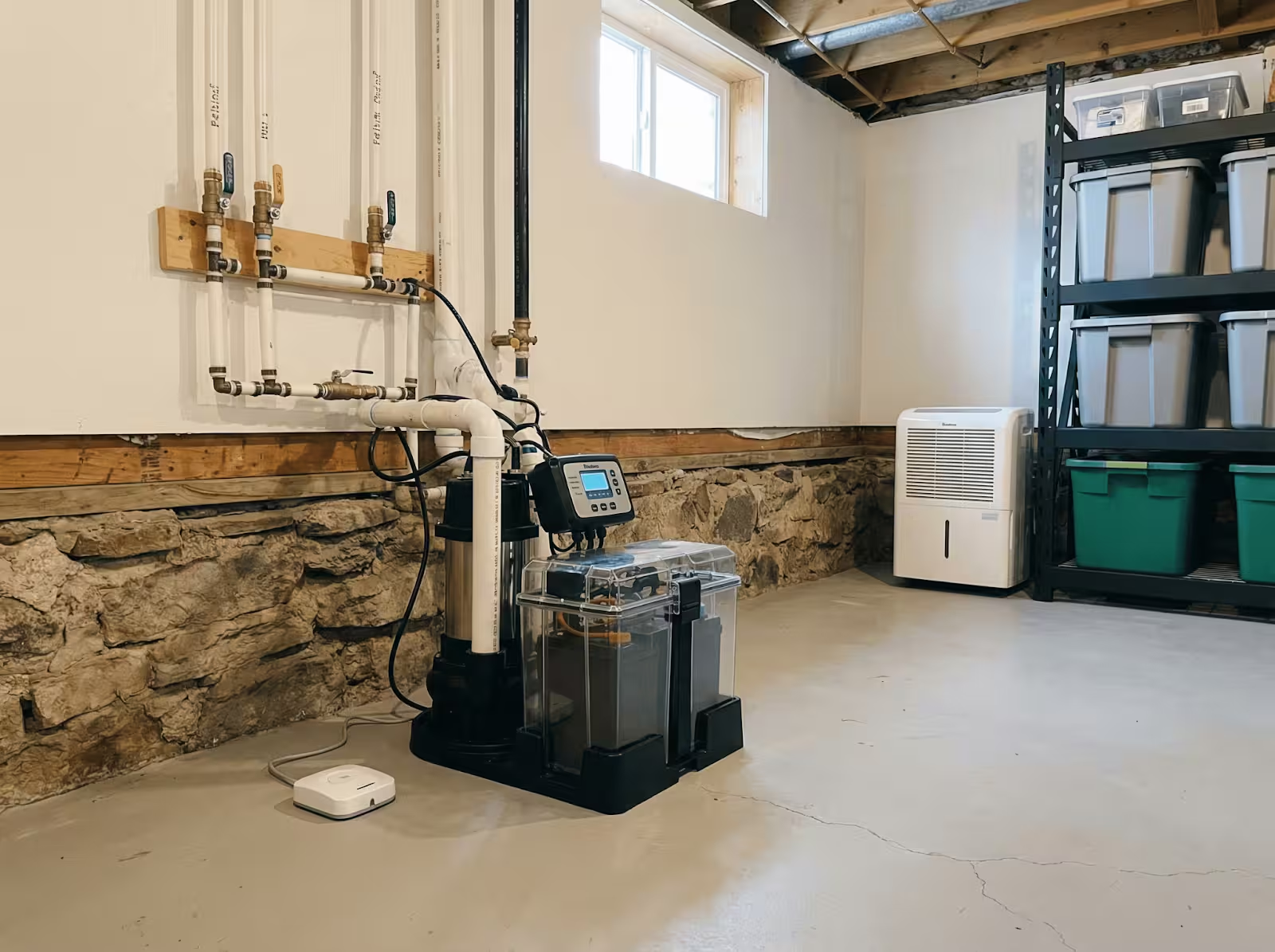
- Sump Pump Overload During a weather spike sump pumps work overtime. If yours is older or lacks a battery backup a mechanical failure during a storm can lead to an instant flood.
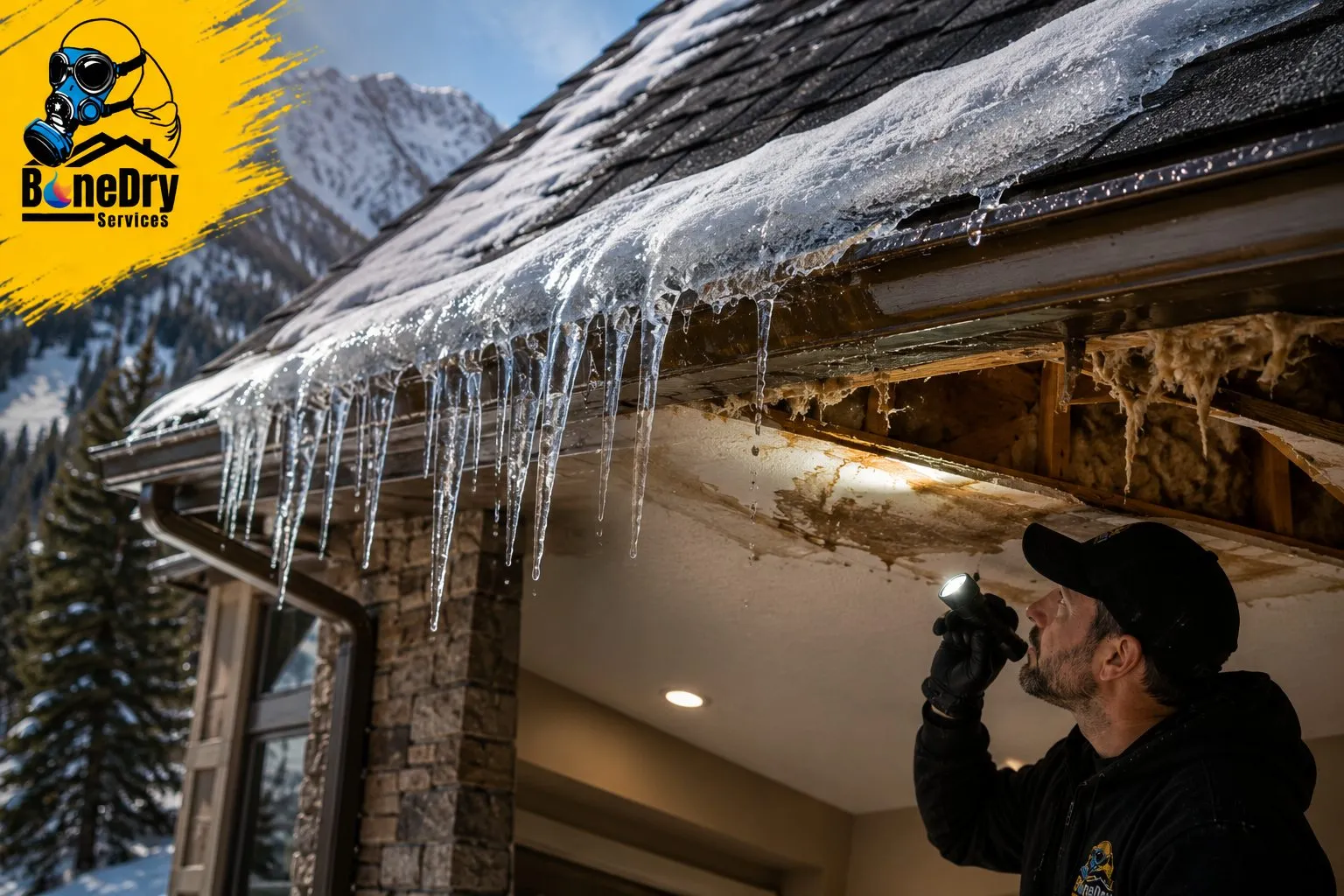
- Frozen Pipe Bursts Our rapid temperature swings cause pipes to freeze and thaw quickly. A pipe that cracks in the middle of the night can dump hundreds of gallons of water into your basement before you wake up.
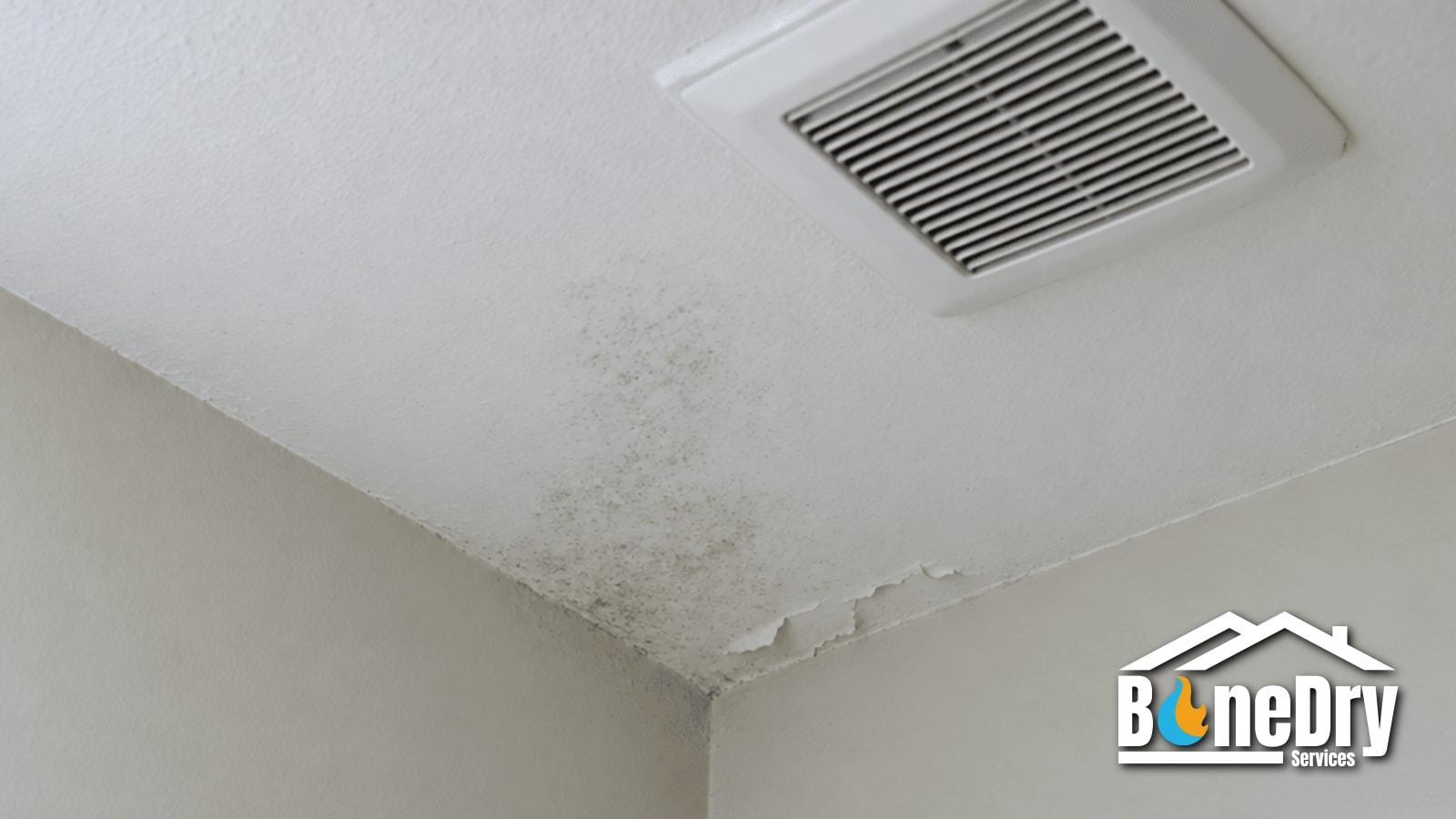
Pro Tip If you notice damp spots on your basement walls or a musty odor don't wait for a flood. Early mold remediation can save you thousands in structural repairs later.
What to Do the Moment You Find Water in Your Basement
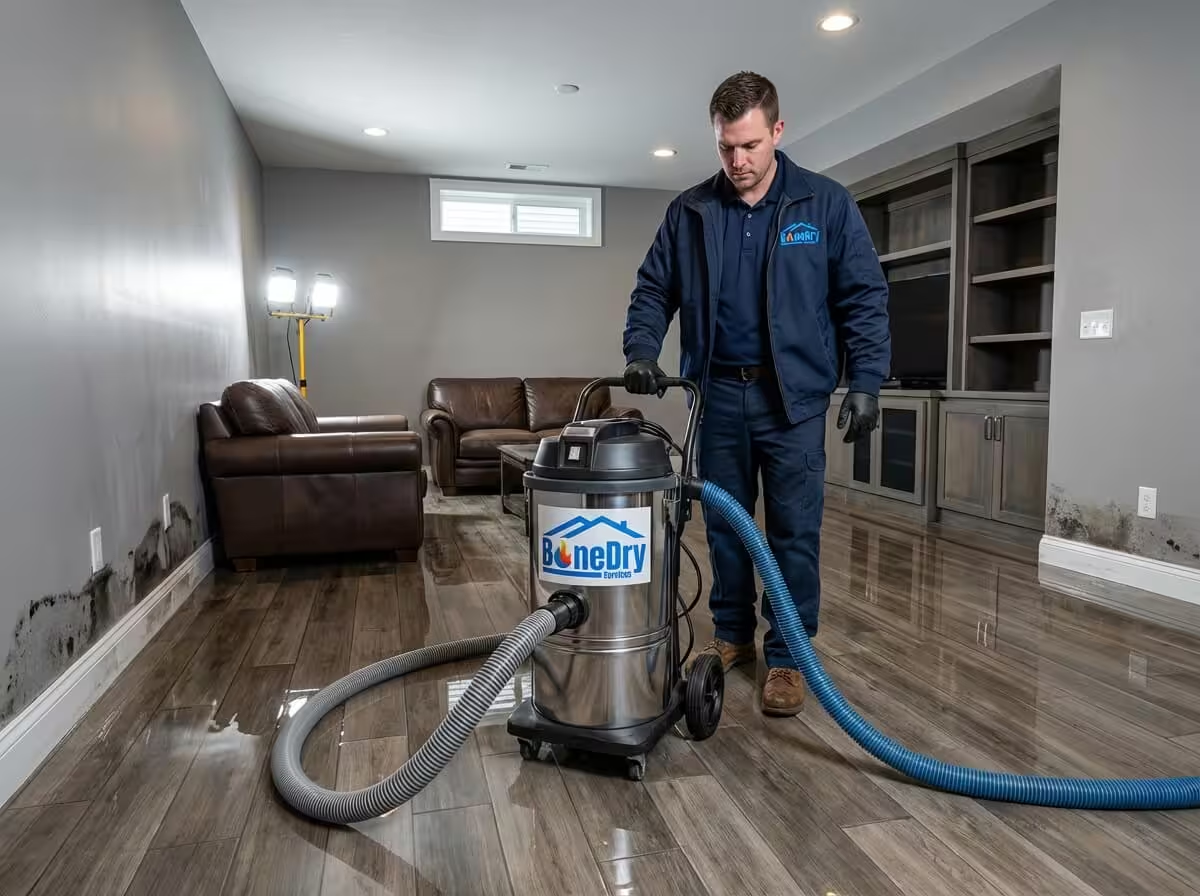
If you find standing water in your basement, your priority is safety and mitigation. Follow these steps to minimize the need for extensive water damage restoration and keep your family safe.
- Kill the Power Never walk into a flooded basement if the water has reached electrical outlets or your circuit breaker is located downstairs.
- Stop the Flow If the flood is caused by a burst pipe shut off the main water valve immediately.
- Document for Insurance Before you move anything, take photos and videos. This documentation is vital for your insurance claim.
Call the Experts Contact a certified team for 24/7 water damage restoration to begin the professional drying process.
Using Household Fans for Flood Cleanup Is Not Enough
Many homeowners believe that a few shop-vacs and household fans are enough to handle a basement flood. Unfortunately surface level drying often leaves moisture trapped in wall cavities insulation and wooden floor joists.
This trapped moisture is the primary cause of wood rot and black mold. Professional water damage restoration involves industrial-grade dehumidifiers and high-velocity air movers that pull moisture out of the very structure of your home, not just the surface.
From Extraction to Reconstruction: We Do It All
We Do It All Most cleaning companies suck the water out and leave you with a gutted basement. Bone Dry Services is a full-service restoration firm. We handle the dirty work of cleanup and the skilled work of rebuilding your basement to its original beauty.
- One Point of Contact: No need to juggle plumbers, cleaners, and contractors.
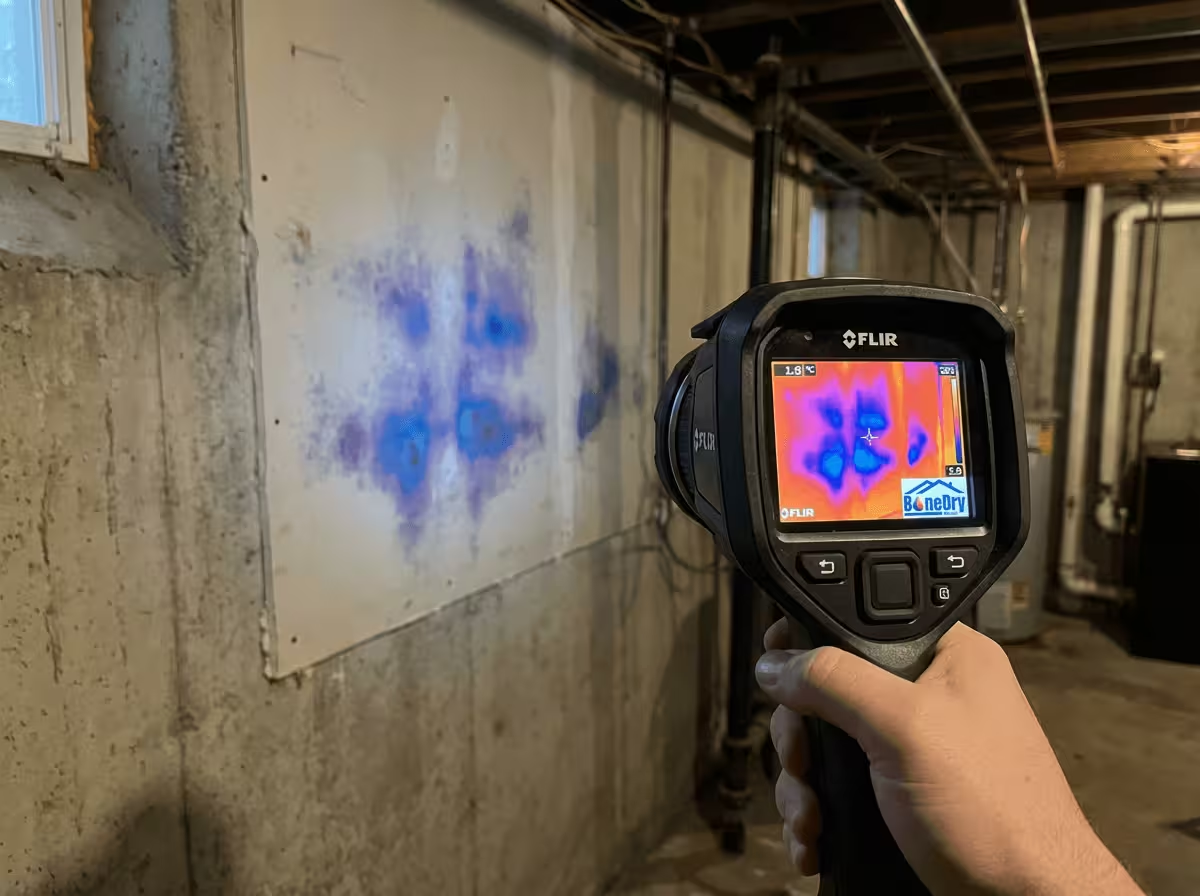
- Advanced Tech: We use thermal moisture mapping to find hidden water.
- Guaranteed Results: We don't leave until your home is Bone Dry and fully restored.
Contact Bone Dry Services for Immediate Help
If you are experiencing a basement flood or suspect hidden water damage in your Colorado Springs home call the experts at Bone Dry Services immediately. We provide free inspections and work with all major insurance carriers to get your life back to normal.
📞 Call Now for a Free Inspection (303) 276-4163
FAQs
1. How much will insurance pay for a flooded basement?
It depends on the source of the water:
- Burst Pipes/Appliance Failure: Usually covers the full cost of restoration and repairs (minus your deductible).
- Sump Pump/Sewer Backup: Only covered if you have a specific "rider." These typically have caps of $5,000 to $25,000.
- Rain/Snowmelt: Standard policies pay $0. You need separate Flood Insurance for weather-related groundwater.
2. Is it worth going through insurance for water damage?
- Yes: If the damage is extensive (wet drywall, soaked carpets, or sewage) and the cost is significantly higher than your deductible.
- No: If the repair is minor. Filing a claim can increase your premiums for several years.
- The Pro Tip: If the estimate is less than double your deductible, it is often cheaper in the long run to pay out of pocket.
3. How much does it cost to fix basement flooding?
In 2026, most homeowners will spend between $2,000 and $7,000 for cleanup.
- Minor (Clean water/small area): $1,500 – $3,000
- Moderate (Drywall & floor damage): $4,000 – $8,000
- Severe (Sewage/Black water): $10,000 – $15,000+
Note: These prices cover the cleanup (mitigation). Putting back new carpet and drywall (reconstruction) can double these totals.