


Fire and Smoke Damage in Colorado Mountain Towns – Prevention Tips for Winter Park, Evergreen & Conifer
Winter in Colorado mountain towns brings more than just snow and freezing temperatures — it also creates a significant increase in fire and smoke damage risks. Homeowners in Winter Park, Evergreen, Conifer, Fraser, Idaho Springs, and the entire Front Range mountain region rely heavily on wood stoves, fireplaces, and heating systems during December and January, creating perfect conditions for accidental fires, creosote buildup, and interior smoke contamination.
Combine that with dry winter air, wind events, aging mountain cabins, and heavy holiday usage, and it becomes clear why winter is one of the busiest seasons for fire-related emergencies.
This guide explains the most common sources of winter fire and smoke damage, what symptoms homeowners should watch for, and the best prevention strategies to keep your mountain home safe.
Why Fire Risks Increase in Colorado’s Mountain Regions During Winter
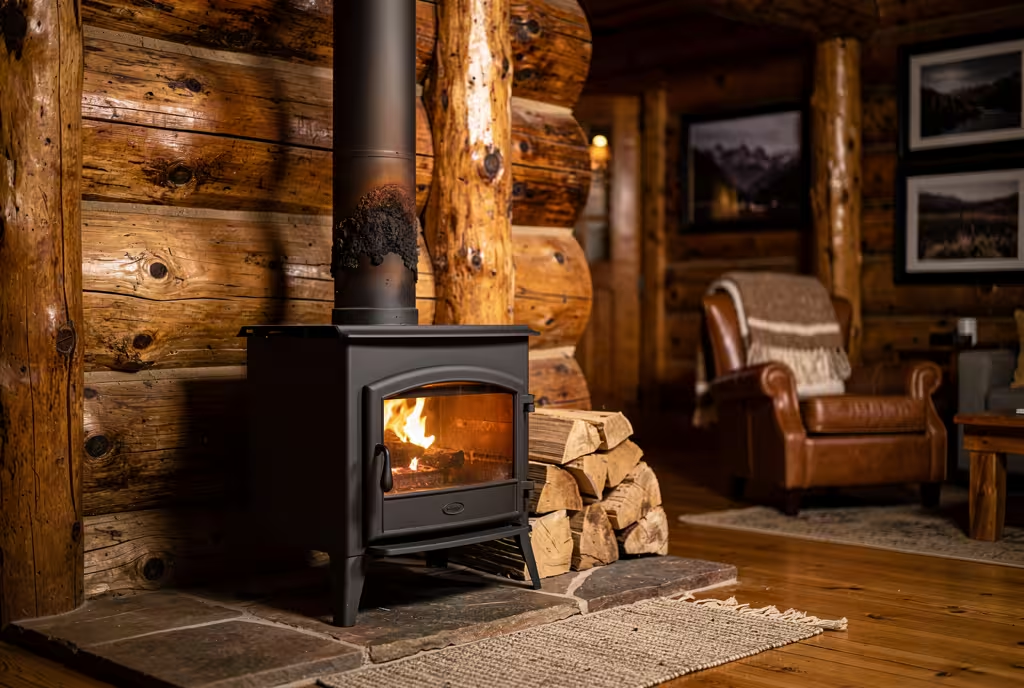
1. Heavy Use of Fireplaces and Wood Stoves
Mountain homes often rely on wood heat for long stretches of winter. Creosote buildup inside chimneys can ignite quickly and spread to the attic or roof.
2. Older Homes With Aging Electrical Systems
Many properties near Winter Park, Evergreen, and Conifer are 20–50+ years old. Older wiring paired with high winter electrical demand becomes a major fire hazard.
3. Dry Indoor Air
Colorado’s humidity often drops below 20% in winter. Dry air accelerates ignition and allows fire to spread rapidly inside enclosed spaces.
4. Portable Heaters & Overloaded Circuits
Space heaters are responsible for a large percentage of winter home fires — especially when plugged into extension cords.
5. Holiday Decorations
String lights, candles, and Christmas trees add seasonal fire risks, especially when placed near heat sources.
6. Heavy Winds Common in Mountain Passes
Strong winds can push sparks, embers, or exhaust back into the home, leading to unexpected flare-ups.
Common Causes of Fire & Smoke Damage in Mountain Homes
Understanding the patterns can help homeowners stay prepared.
1. Chimney & Flue Fires
Creosote buildup ignites inside the chimney and spreads into:
- roof rafters
- attic insulation
- siding
- interior walls
2. Wood Stove Malfunctions
Improper sealing, aging gaskets, or unmaintained stovepipes can leak smoke into living areas or ignite surrounding materials.
3. Furnace or HVAC Failures
Overloaded or clogged systems can spark electrical fires.
4. Electrical Wiring Surges
Older circuits struggle with modern winter heating demands.
5. Kitchen Fires
Holiday cooking spikes significantly increase the frequency of grease and stovetop fires.
6. Candles & Holiday Lights
Dry Christmas trees and poorly wired lights pose significant risks in dry mountain environments.
Early Warning Signs of Hidden Fire or Smoke Damage
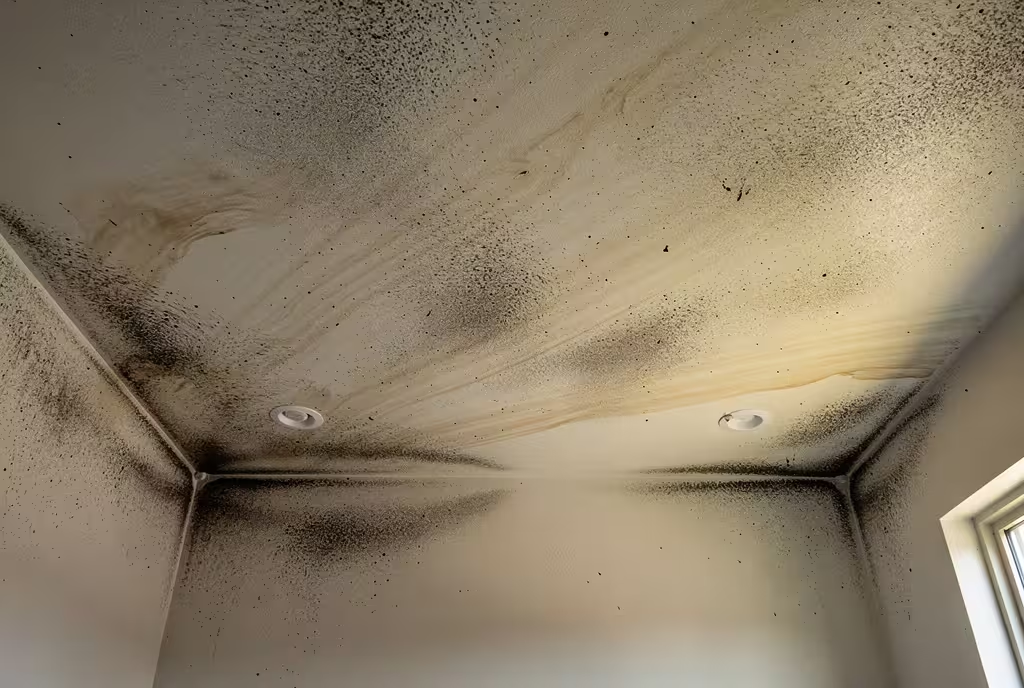
Even without open flames, smoke and heat can cause invisible but serious damage. Watch for:
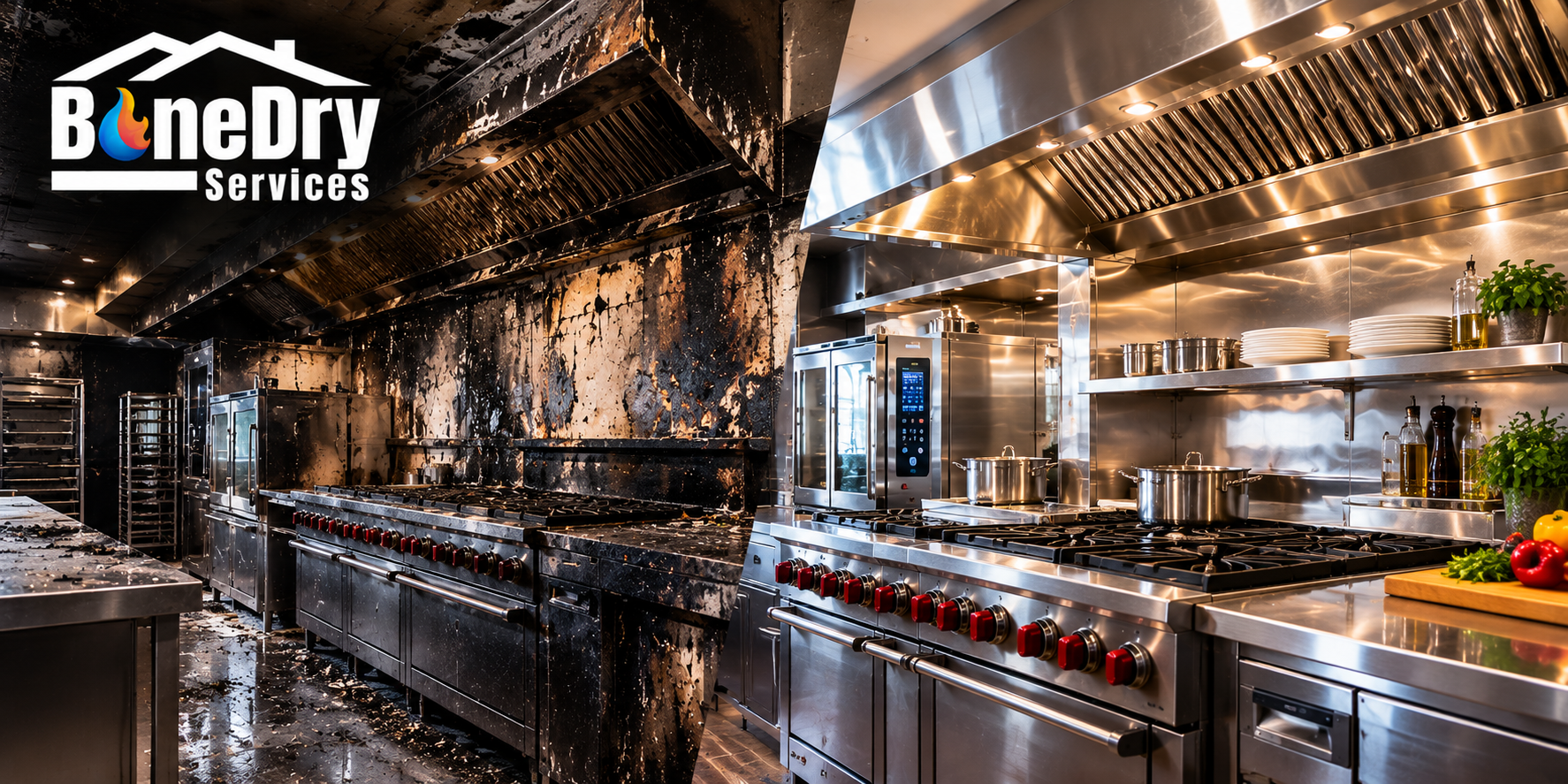
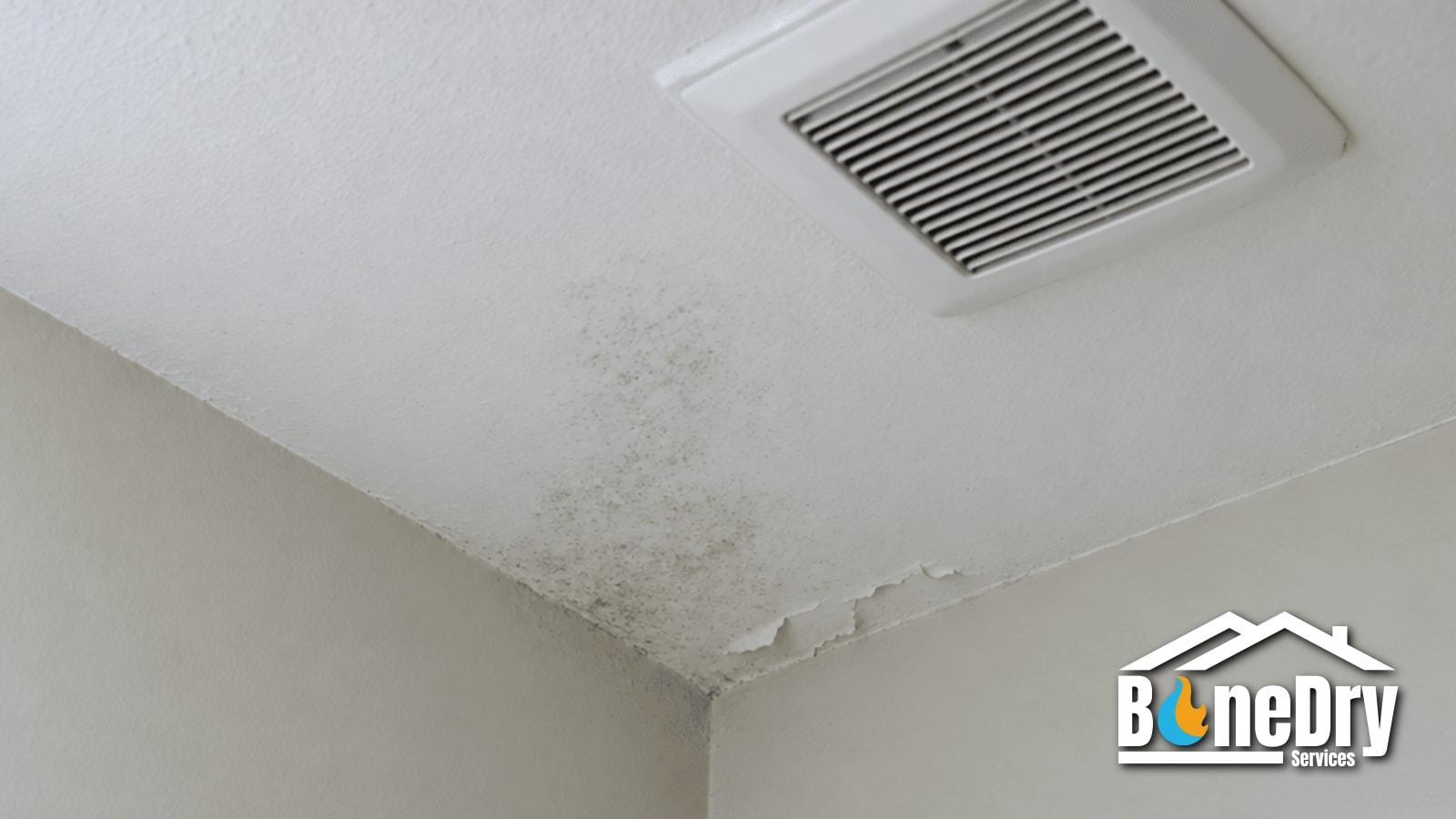
- Black soot around vents or ceilings
- Lingering smoke odors
- Discoloration of walls or ceilings
- Melted or misshapen electrical outlets
- Cracking or bubbling paint
- Warped or overheating cords
- Stuffy or smoky air during fireplace use
These symptoms often indicate unseen fire damage inside walls or attic spaces.
Fire & Smoke Prevention Tips for Winter Park, Evergreen & Conifer Homeowners
1. Clean and Inspect Chimneys Annually
Chimney fires are one of the top causes of winter structural fires in mountain homes.
2. Maintain Your Wood Stove or Fireplace Insert
Check:
- door gaskets
- flue seals
- airflow settings
- stovepipe integrity
3. Keep Heat Sources Clear
Maintain a minimum of three feet around fireplaces, stoves, and heaters.
4. Replace Old or Damaged Wiring
Homes built before the 1990s may require electrical upgrades to support winter load.
5. Use UL-Certified Space Heaters
And keep them off extension cords.
6. Install CO and Smoke Detectors on Every Level
Replace batteries every winter.
7. Inspect Your Furnace Before Peak Winter
Dirty filters and malfunctioning parts increase ignition risks.
8. Choose Flame-Retardant Holiday Decorations
Especially near fireplaces or wood stoves.
What Homeowners Should Do After Fire or Smoke Damage
Taking the wrong actions after a fire can worsen the damage. Avoid:
- Wiping soot from walls (it can smear permanently)
- Turning on fans (spreads soot through HVAC)
- Washing affected fabrics before deodorization
- Staying inside the affected home
- Attempting DIY reconstruction
Smoke particulates infiltrate:
- insulation
- drywall
- air ducts
- flooring
- personal belongings
Professional remediation is essential.
How BoneDry Services Handles Fire & Smoke Damage Restoration
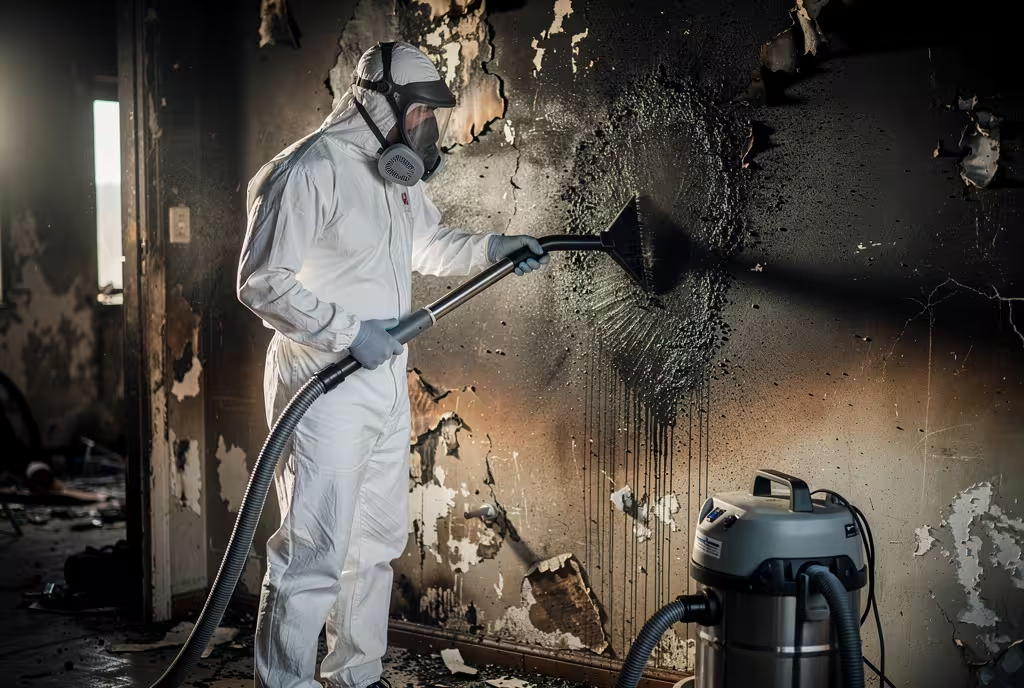
BoneDry Services is Colorado’s leading restoration team, specializing in both emergency mitigation and full reconstruction.
1. 24/7 Emergency Response
Rapid deployment to Winter Park, Evergreen, Conifer, and all Colorado mountain towns.
2. Structural Safety Inspection
We check for:
- compromised framing
- electrical hazards
- attic/roof ignition points
3. Soot & Smoke Removal
Using specialized HEPA filtration and negative air systems.
4. Odor Neutralization
Advanced thermal fogging and ozone treatments eliminate smoke odors fully.
5. Cleaning of HVAC Systems
Smoke travels easily through ductwork and must be professionally sanitized.
6. Full Reconstruction & Repairs
BoneDry restores damaged areas including:
- drywall
- flooring
- roofing
- framing
- insulation
- cabinetry
Learn more:
➡️ Fire Damage Restoration in Denver
24/7 Fire & Smoke Damage Response for Colorado Mountain Communities
Fire emergencies escalate quickly, and smoke damage spreads even faster. Immediate professional action protects your home’s structure, indoor air quality, and long-term safety.
BoneDry Services offers:
- 24/7 emergency fire & smoke damage response
- 90-minute arrival anywhere in Colorado
- Certified fire restoration specialists
- Advanced soot, odor, and HVAC cleaning
- Full repair & reconstruction
- Free inspections available
📞 Call now: (303) 276-4163
FAQ Section
Q1: What causes most winter fires in Colorado mountain homes?
Heavy fireplace use, creosote buildup, dry indoor air, and aging electrical systems are the most common causes.
Q2: How do I know if my chimney is a fire hazard?
Look for excessive soot, restricted airflow, strong smoky smells, or visible creosote buildup. Annual inspections are essential.
Q3: Can smoke damage occur without visible flames?
Yes. Even small appliance malfunctions can cause significant smoke damage inside walls and attic spaces.
Q4: What steps should I take immediately after a fire?
Leave the home, contact emergency services, and call professional restoration specialists before re-entering.
Q5: How long does smoke odor removal take?
Most homes can be treated within 1–3 days depending on severity.
Q6: Does BoneDry handle reconstruction after fire cleanup?
Yes — BoneDry provides full repair and reconstruction to restore damaged areas.
Q7: Why are mountain homes more vulnerable to winter fire risks?
Higher reliance on wood heat, older cabins, dry air, and strong winds make fire more likely and more severe.