


Frozen Pipe Bursts in Colorado: What Mountain Homeowners Must Know
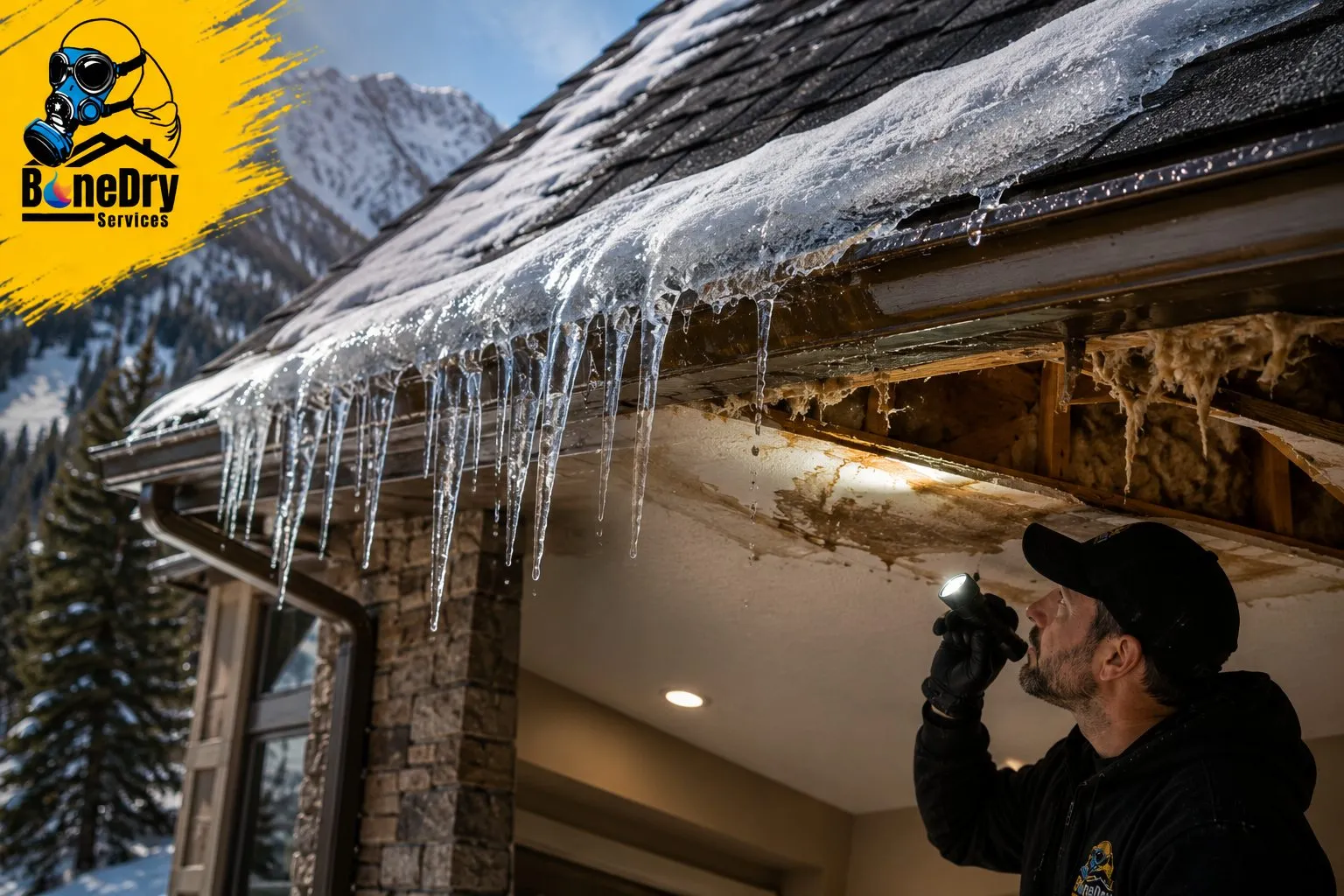
Winter in the Rockies is unforgiving. As temperatures plummet across high-altitude towns like Winter Park, Fraser, Granby, and Vail, homeowners face a recurring nightmare: frozen pipe bursts.
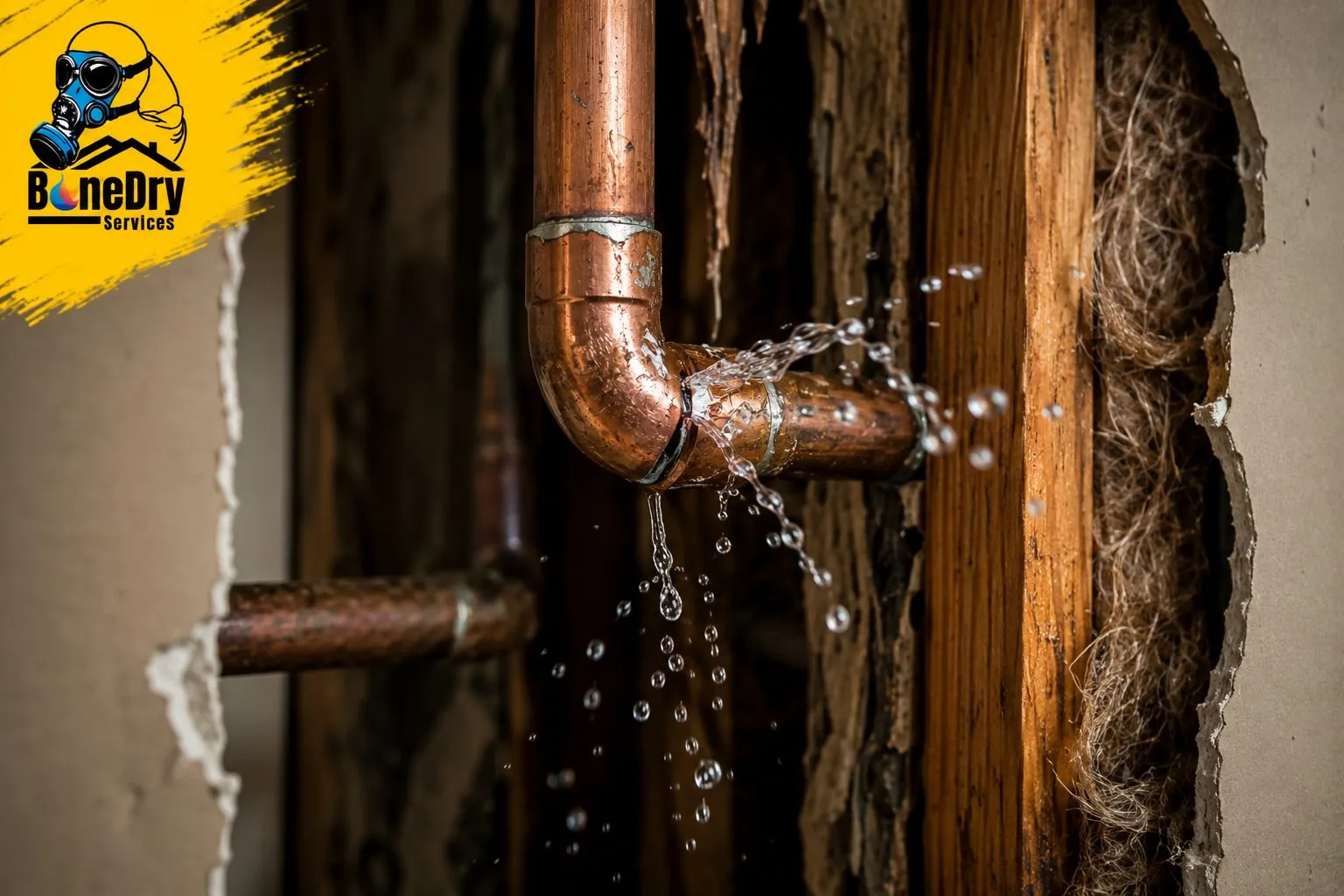
While a frozen pipe might seem like a minor plumbing annoyance, it often leads to catastrophic water damage. When water freezes, it expands by about 9%, exerting thousands of pounds of pressure on metal and plastic pipes alike. When the pipe finally gives way, it releases hundreds of gallons of water into your home—often mixing with household contaminants to create a hazardous environment.
This article explains why Colorado mountain homes are uniquely vulnerable, how to spot the signs, and why some water damage requires specialized hazardous waste cleanup.
Why High-Altitude Homes Are at Higher Risk
Mountain homes face more than just cold air. They deal with specific environmental factors that increase the risk of pipe failure:
- Rapid Freeze-Thaw Cycles: Drastic temperature swings between sunny days and sub-zero nights weaken pipe joints.
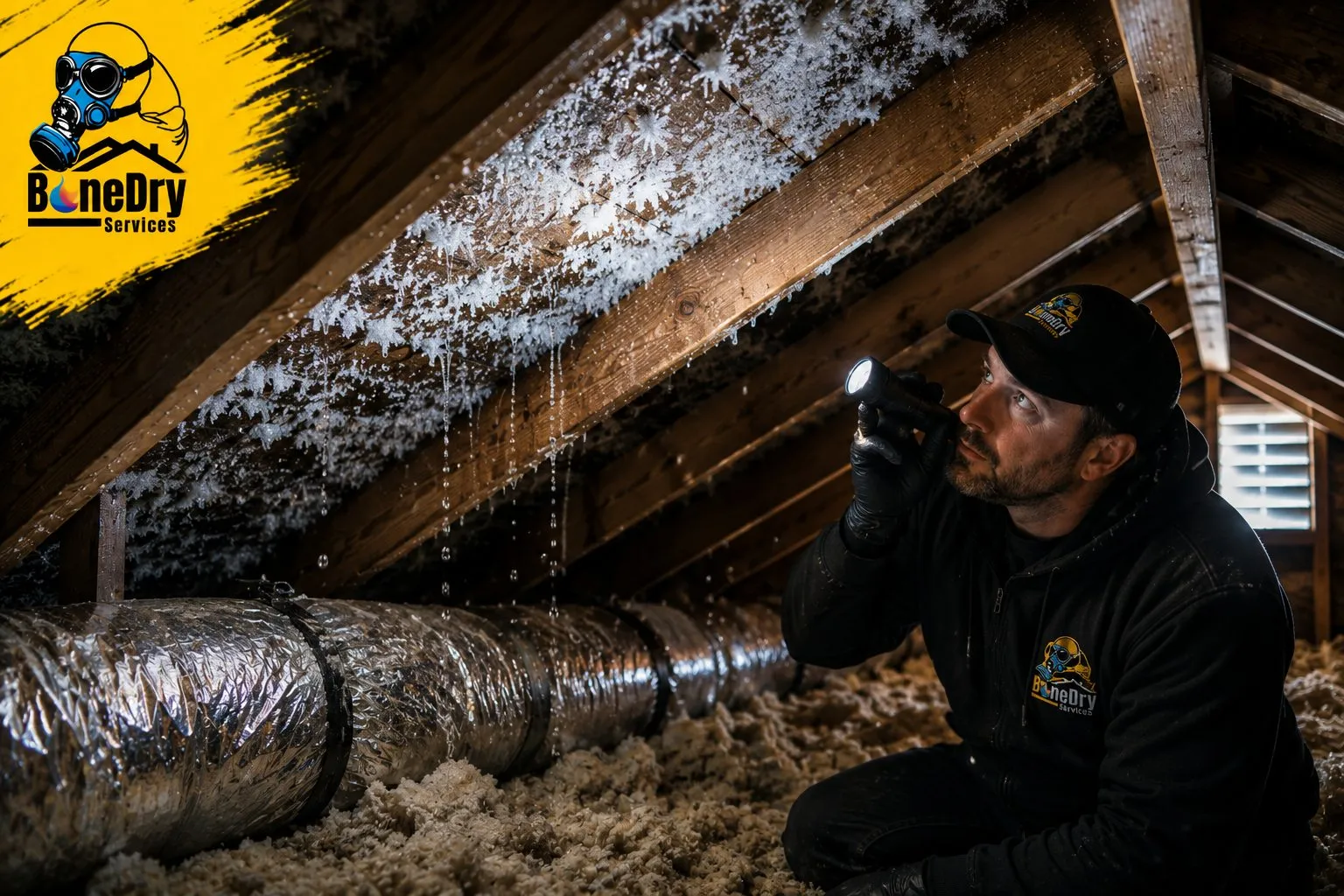
- Poor Insulation in Older Cabins: Many vacation homes lack adequate insulation in crawl spaces and attics.
- Vacant Periods: Vacation rentals and second homes often sit empty with the heat turned down, allowing cold pockets to form in utility rooms and garages.
The Hidden Danger: Contamination and Hazardous Spills
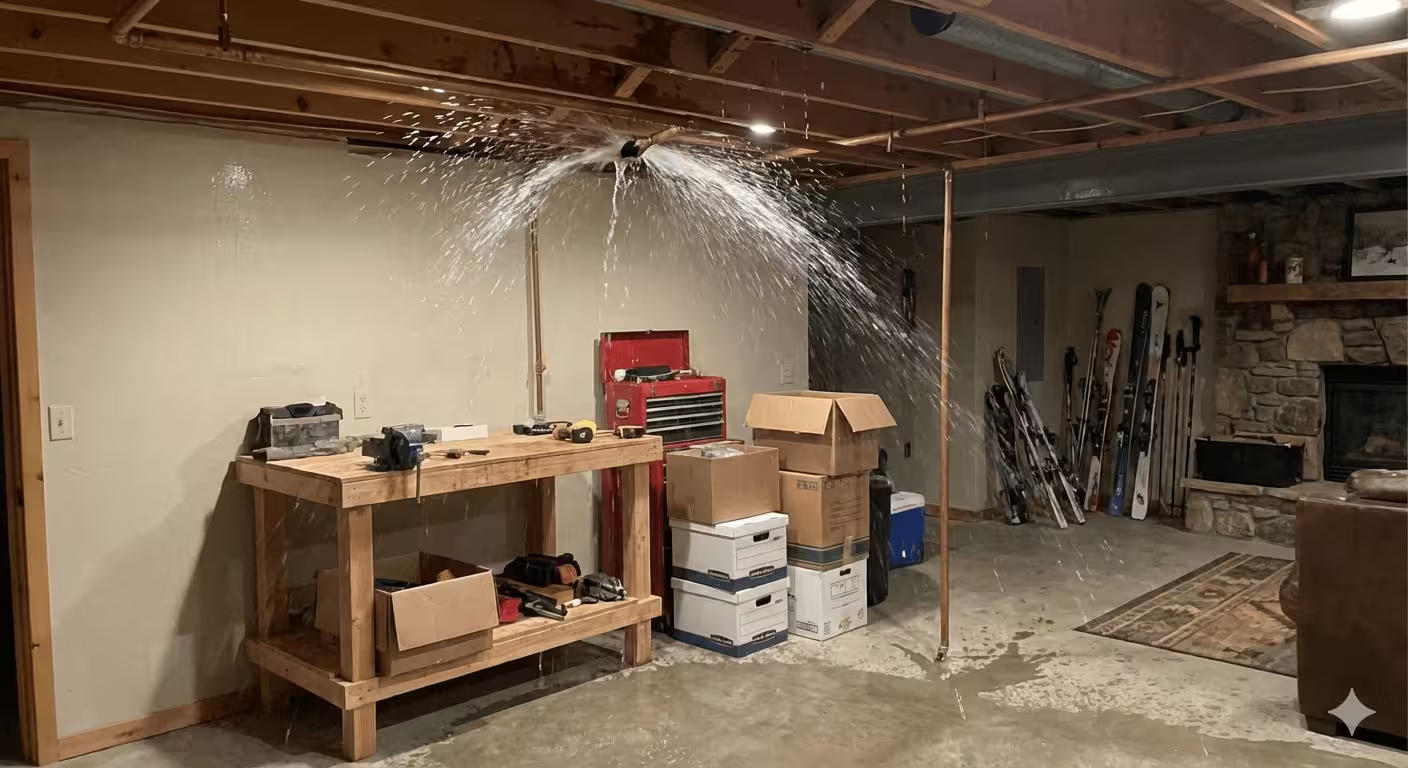
Most homeowners assume a pipe burst just means "clean water" on the floor. However, in mountain properties, a burst pipe frequently creates a hazardous waste situation.
If a pipe bursts in a garage, boiler room, or unfinished basement, that water often mixes with stored chemicals, sewage, or industrial fluids. This turns a simple leak into a toxic spill.
Common Contamination Risks Include:
- Chemical Leaks: Water floods areas storing paint thinners, antifreeze, pesticides, or cleaning solvents, spreading these toxins throughout the lower levels of the home.
- Sewage Backups: If the freeze affects your main sewer line, the resulting backup brings 'Black Water' (Category 3), containing harmful bacteria and pathogens that require professional sewage cleanup.
- Boiler Fluids: Leaks in hydronic heating systems can release glycol and other heating fluids onto your floors.
Warning: Never attempt to clean up water that smells like chemicals or sewage. This requires certified hazardous waste removal.
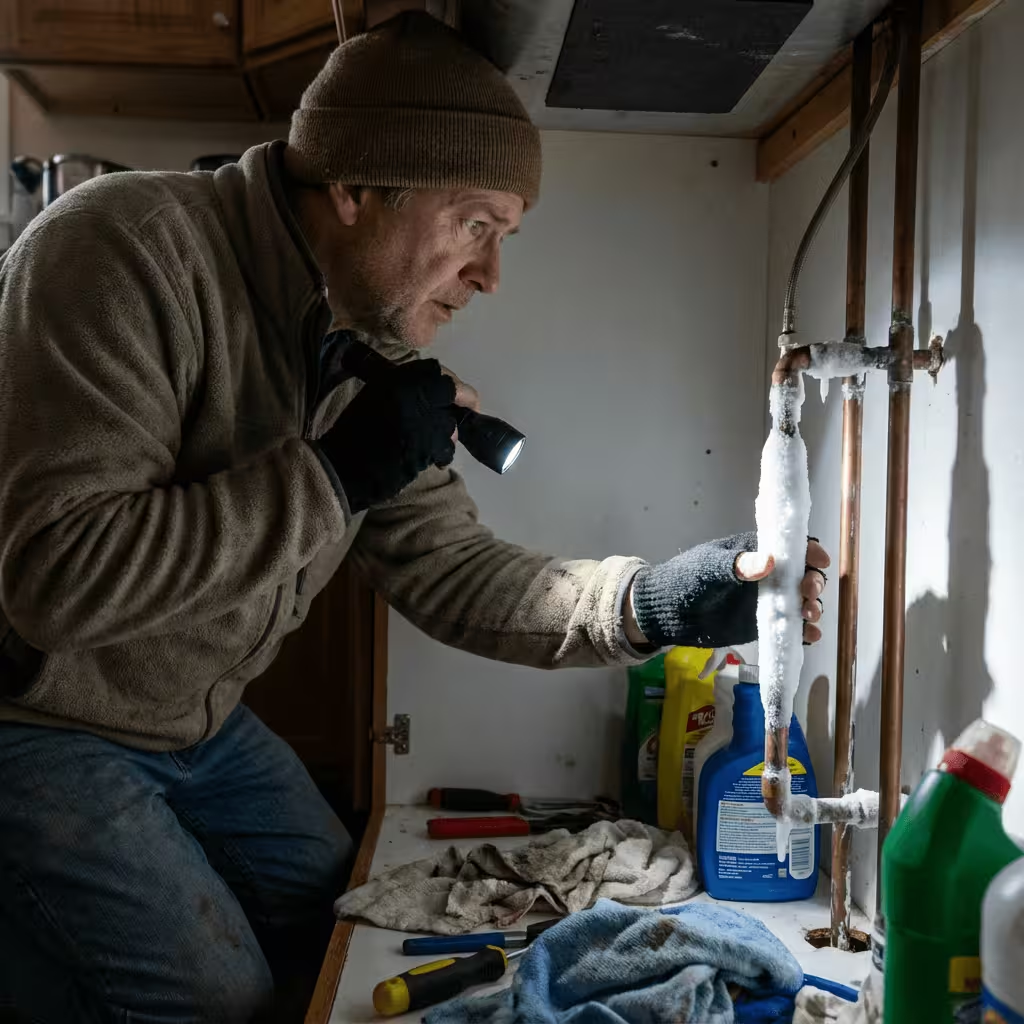
4 Symptoms of Freezing Plumbing
Caught early, a frozen pipe can be thawed before it bursts. Watch for these signals:
- Sudden Low Pressure: Water struggles to exit the fixture or stops completely.
- Surface Glazing: A visible coat of frost appears on the pipe's exterior.
- Trapped Odors: Sewer smells escape from drains because ice is blocking the vent or pipe.
- Audible Strain: Strange clanking or hissing noises echo from inside the walls.
What to Do Immediately After a Burst
If you discover a burst pipe, speed is critical to saving your home.
- Shut Off the Main Water Valve: Stop the flow immediately.
- Turn Off Electricity: If water is near outlets or appliances, cut the power at the breaker.
- Evacuate if Necessary: If you smell gas or see chemical spills, leave the area immediately.
- Call for Professional Restoration: Do not touch contaminated water.
When Winter Park Pipes Freeze, We are the First Call
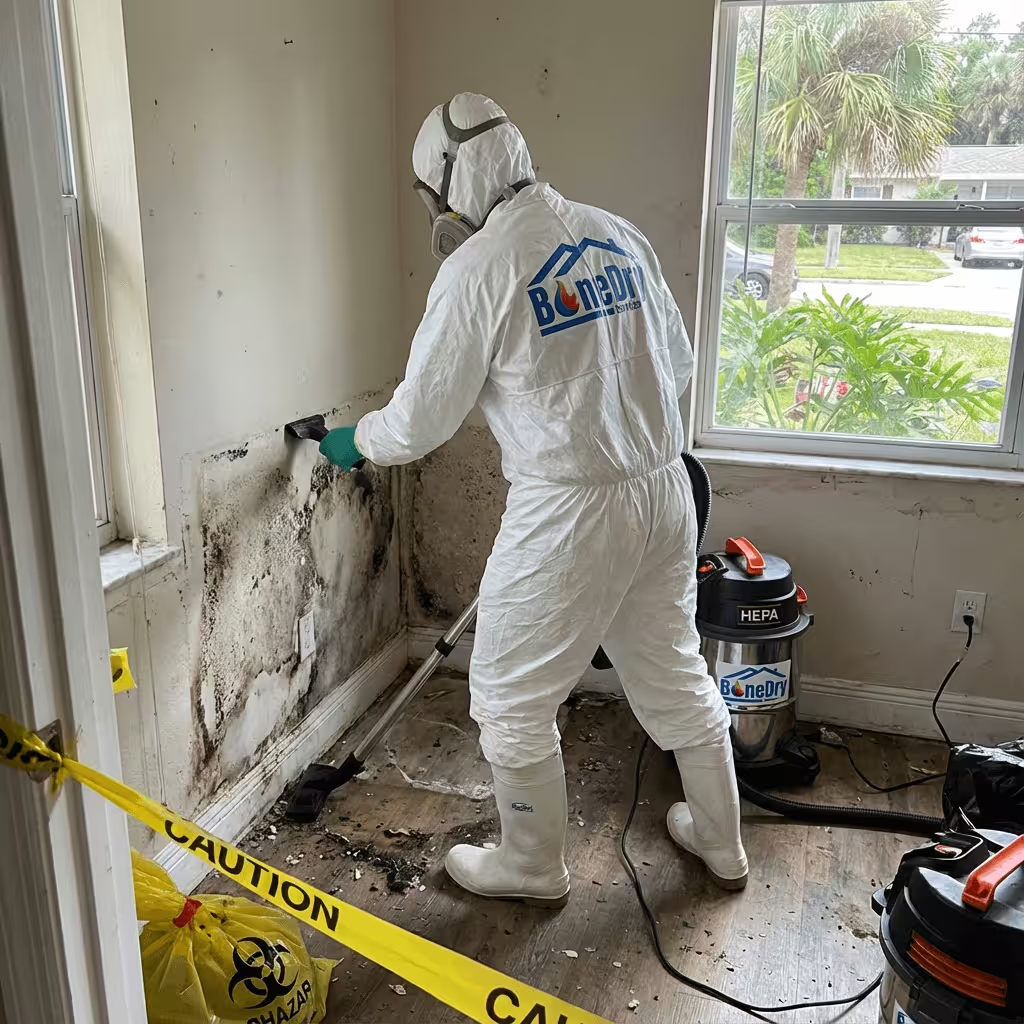
When water mixes with contaminants, you need more than a plumber—you need a Hazmat-certified restoration team.
BoneDry Services operates a dedicated Winter Park Emergency Team specialized in hazardous waste cleanup. We understand that mountain homes often store chemicals and equipment that can turn a flood into a health risk.
Our Winter Park Hazardous Waste Protocol Includes:
- Safe Chemical Removal: We contain and neutralize spills involving cleaning agents, paints, or automotive fluids.
- Contamination Cleanup: specialized extraction for sewage or "Black Water" backups.
- Proper Disposal: We strictly adhere to Colorado environmental regulations for disposing of hazardous materials.
- Structural Drying: After the hazard is removed, we dry the structure to prevent mold growth.
Call BoneDry Services for Hazardous Waste & Water Damage
Don't risk your health by cleaning up contaminated water yourself. Whether it's a simple pipe burst or a complex chemical spill, our team is ready.
BoneDry Services Offers:
- 24/7 Winter Park Emergency Response
- Certified Hazardous Waste Removal
- Safe Cleanup for Chemicals, Spills, & Contamination
- Complete Water Damage Restoration
📞 Call the Winter Park Emergency Team: (303) 276-4163
Secure your property and rest easy this winter.
FAQ Section
How quickly can a frozen pipe burst?
A pipe can burst in as little as 4–6 hours once the water inside freezes and expands, depending on the pipe material and temperature.
Is water from a burst pipe considered hazardous waste?
It depends. If the water passes through clean pipes into a living room, it is usually safe. However, if it mixes with sewage, chemicals in a garage, or boiler fluids, it becomes hazardous waste requiring professional removal.
Can the BoneDry Winter Park team handle chemical spills?
Yes. Our Winter Park Emergency Team is trained in hazardous waste cleanup, ensuring safe removal of chemicals, oils, and contaminated water.
Do pipes freeze in Colorado?
Yes, frequently. Colorado's high altitude, rapid temperature drops, and sub-zero winter nights make it a prime location for frozen pipes. Mountain homes in areas like Winter Park and Breckenridge are especially vulnerable due to wind chill and older insulation standards in cabins.
What happens if frozen pipes burst?
When a pipe bursts, it releases water at high pressure, flooding the surrounding area. In mountain homes, this can be disastrous if the water mixes with stored chemicals or sewage, creating a hazardous waste situation. This damages drywall, insulation, and electrical systems and requires immediate professional restoration to prevent mold and structural rot.
How long can pipes be frozen before bursting?
There is no "safe" time limit. A pipe can burst in as little as 4 to 6 hours after freezing, depending on the pipe material (copper vs. PVC) and the severity of the cold. However, some pipes may remain frozen for days before finally cracking under the pressure of the expanding ice. Immediate thawing action is crucial.