


How to Protect Colorado Springs Homes From Deep Freeze Plumbing Failures
Colorado Springs is known for its stunning views of Pikes Peak and its unpredictable, high-altitude weather. Residents here know that winter doesn't just mean snow; it means deep, sudden freezes where temperatures plummet well below zero overnight.
While furnace issues usually get top priority, many homeowners overlook the silent threat lurking in their walls and crawl spaces: their plumbing. In the Front Range region, frozen pipes are a leading cause of catastrophic indoor flooding during the winter months.
A frozen pipe that bursts isn’t just a plumbing inconvenience; it is a full-scale emergency that requires immediate professional water damage restoration to prevent structural rot and dangerous mold growth. This guide covers the specific vulnerabilities of Colorado Springs homes during cold snaps and the warning signs every homeowner must know.
Why Colorado Springs Plumbing is Uniquely Vulnerable
Unlike homes in consistently cold climates that are built to withstand severe winters, many homes along the Front Range have vulnerabilities exposed by our rapid temperature swings.
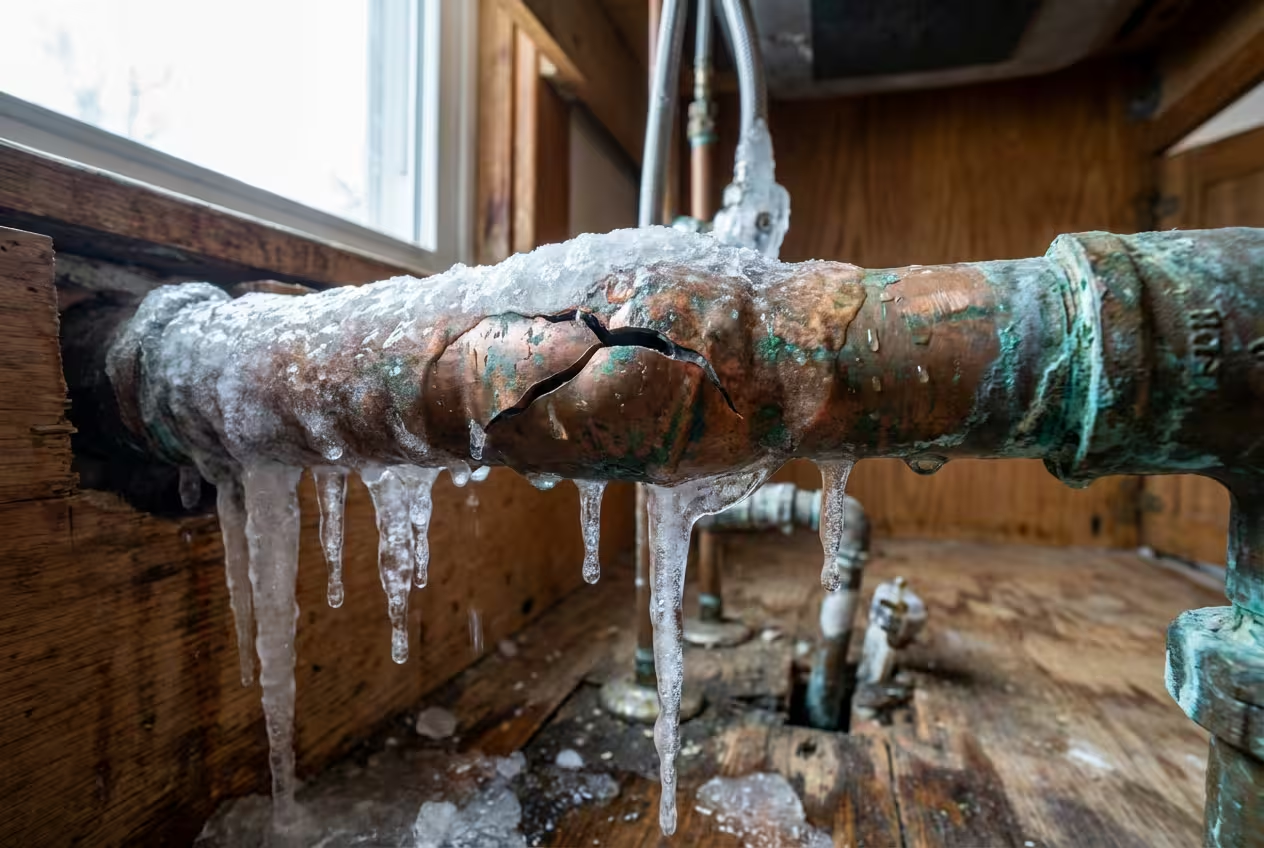
When water freezes inside a pipe, it expands aggressively. This pressure builds between the ice blockage and the closed faucet. Eventually, the pipe—whether copper, PVC, or PEX—gives way.
Common Vulnerability Points in Colorado Springs Homes
- Unheated Crawl Spaces: Many older Colorado Springs homes have vented crawl spaces that allow arctic air to freeze uninsulated pipes beneath the floorboards.
- Exterior Walls: Plumbing running through poorly insulated outside walls (often under kitchen sinks or behind showers) is highly susceptible to deep freezes.
- Garage Supply Lines: Water lines leading to hose bibs or utility sinks in unheated attached garages are frequent failure points.
The Warning Signs: Catching it Before the Burst
The critical window between a pipe freezing and a rupture can be alarmingly short—sometimes lasting just a few hours. Recognizing the early warning signs is vital to avoid the tens of thousands of dollars in damage associated with catastrophic frozen pipe bursts and the resulting specialized cleanup.
What to Watch For During a Cold Snap
- The "Trickle" Effect: If you turn on a faucet and only a trickle comes out when temperatures are freezing outside, ice has likely formed in the line.
- Frost on Visible Pipes: Check pipes under sinks or in basements. If they are coated in frost or sweating excessively, they are in the danger zone.
- Unpleasant Odors: If a drain pipe freezes, sewer odors can back up into the home because the water trap is blocked by ice.
- Strange Clanking Sounds: Unusual banging noises when the heating runs or water is used can indicate pipes contracting or ice forming.
Immediate Steps to Take if You Suspect a Frozen Pipe
If you identify a frozen section, act immediately—but safely.
How to Thaw Pipes Safely
- Shut Off the Water Main: This is crucial. If the pipe has already cracked behind a wall, thawing the ice will release a deluge of water. Shut off the main house supply immediately.
- Open the Faucets: Open affected faucets to relieve pressure in the system.
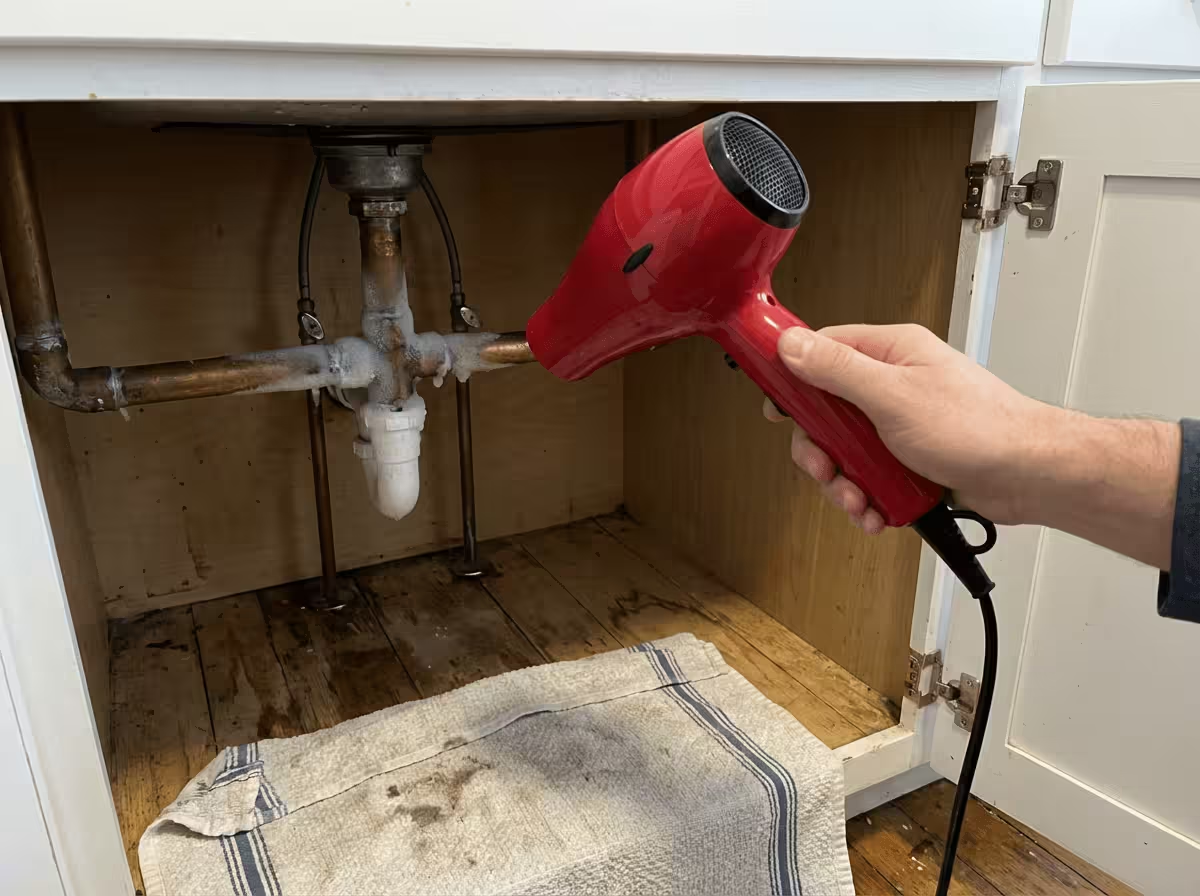
Thaw Gently (If Accessible): If the frozen pipe is exposed (like under a sink), use a hair dryer, heat tape, or a space heater to gently warm the area. NEVER use an open flame device like a blowtorch, which is a severe fire hazard.
The Critical Role of Professional Water Damage Restoration: What to do when a pipe bursts
Sometimes, despite your best efforts, a deep freeze wins and a pipe bursts. When this happens, the situation escalates instantly from a plumbing issue to a structural emergency. A burst pipe can dump hundreds of gallons of water into your home in minutes, soaking drywall, insulation, subflooring, and carpeting.
Why DIY Cleanup Usually Isn't Enough
Many Colorado Springs homeowners make the mistake of shutting off the water, mopping up the puddles, calling a plumber to fix the pipe, and thinking the job is done.
The real danger is the water you can't see. Moisture trapped in wall cavities and under flooring will not dry on its own in winter conditions. This trapped moisture leads to:
- Rapid Microbial Growth: Without professional drying, homes often require extensive mold removal & remediation in as little as 48 hours.
- Warped Hardwood Floors.
- Compromised Structural Framing.
This is where professional water damage restoration becomes essential. It’s not just about cleaning up; it’s about scientifically drying the structure of your home.

Protect Your Home With Expert Water Damage Restoration in Colorado Springs
Don't wait for a catastrophic leak to think about your plumbing. Insulate vulnerable pipes now, keep garage doors closed during cold snaps, and let faucets drip during extreme overnight lows.
If you experience a burst pipe, speed is essential to minimize damage. BoneDry Services provides rapid, 24/7 emergency response to Colorado Springs and the surrounding areas.
Our Water Damage Restoration Process
- Immediate Water Extraction
- Thermal Imaging: Finding hidden moisture behind walls.
- Industrial Structural Drying: Using hospital-grade dehumidifiers.
- Mold Prevention: Antimicrobial treatments to stop growth.
- Complete Reconstruction: Restoring your home to pre-loss condition.
Facing a frozen pipe emergency or basement flood? Call BoneDry Services immediately for expert help in Colorado Springs.
FAQ Section
At what temperature do pipes usually freeze in Colorado Springs?
While water freezes at 32°F, pipes inside walls usually stay warmer. The danger zone typically begins when outside temperatures drop below 20°F, especially if accompanied by high winds that drive cold air into cracks in the home’s exterior.
Will dripping a faucet really prevent my pipes from freezing? Yes. You don't need a heavy flow; a slow drip (about 5-10 drops per minute) is often enough. The friction of moving water creates a small amount of heat, but more importantly, an open faucet relieves the internal pressure. If the water does freeze, this open valve prevents the pressure buildup that actually causes the pipe to burst.
How long does it take for a pipe to freeze without heat? It can happen faster than you think. In poorly insulated areas (like crawl spaces or garage walls), a pipe can freeze solid in as little as 6 hours during a deep freeze. This is why turning down your thermostat too low while you are at work or asleep can be dangerous during a cold snap.
Does homeowners insurance cover water damage from burst pipes?
Generally, yes. Most standard policies cover "sudden and accidental" discharge of water. However, if an insurance adjuster determines you were negligent—for example, if you turned your heat off completely while on vacation—they may deny the claim. Always verify the specifics with your insurance provider.