
Water damage, whether from a flood, sewage backup, or a burst pipe, can be a homeowner's worst nightmare. Not only does it disrupt your daily life, but the longer you wait to address it, the more severe the consequences can become. Immediate action towards water restoration is not just advisable; it's essential. Here's why:
1. Preventing Mold and Mildew Growth
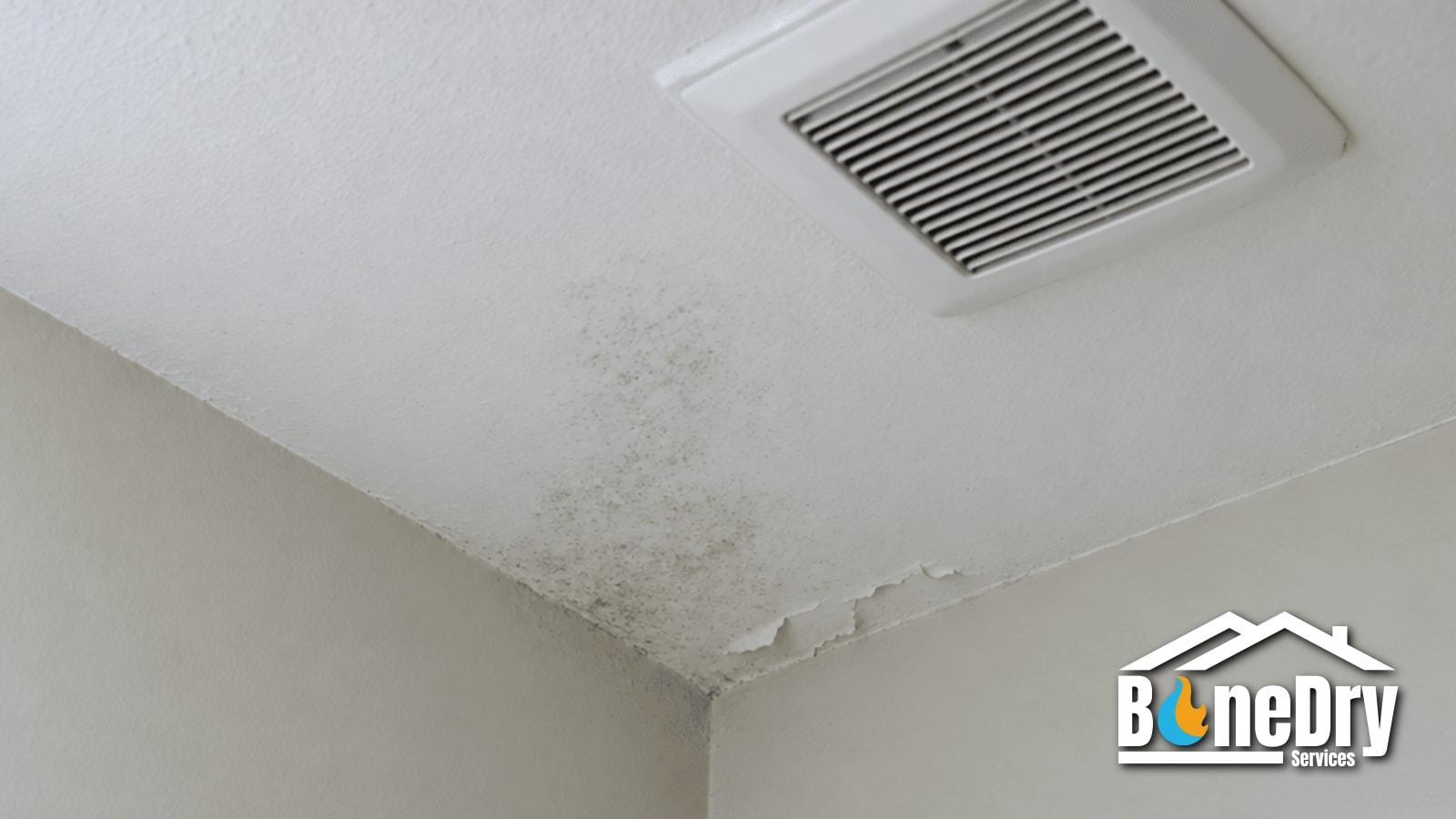
One of the most pressing reasons to initiate water restoration immediately is to prevent the growth of mold and mildew. These fungi can start to grow within 24 to 48 hours in damp conditions, posing serious health risks to you and your family. Mold exposure can lead to respiratory issues, allergies, and other health problems. By addressing water damage promptly, you significantly reduce the risk of mold taking hold in your home.
2. Protecting the Structure of Your Home
Water can be incredibly destructive to the structural integrity of your property. Wood that makes up the framework of your home can warp, swell, and even rot when exposed to water for extended periods. Drywall absorbs water quickly and can become fragile, leading to structural damage. The sooner water restoration efforts begin, the less damage your home will sustain, preserving its structural integrity and value.
3. Avoiding Electrical Hazards
Water and electricity are a dangerous combination. Water damage can lead to short circuits, damaged wiring, and even the risk of fire. It's crucial to address water damage immediately to ensure the safety of your home and prevent potential electrical hazards.
4. Preventing Sewage and Contaminants
In cases where water damage is due to sewage backups or floodwaters, the urgency increases. These waters can contain harmful bacteria and contaminants that pose serious health risks. Immediate water restoration efforts are necessary to clean and disinfect the area, ensuring your home is safe and free from hazardous materials.
5. Reducing Restoration Costs
The longer water damage is left unaddressed, the more extensive and costly the restoration process becomes. By acting quickly, you can minimize the damage and, consequently, the cost of restoration. Early intervention can save you significant time, money, and stress in the long run.
The importance of immediate water restoration cannot be overstated. It's not just about salvaging your property; it's about protecting your health, safety, and financial well- being. At the first sign of water damage, whether from floods, sewage, or leaks, it's crucial to act swiftly. Professional water restoration services have the expertise, equipment, and experience to address the issue effectively, ensuring your home is safe, secure, and restored to its pre-damage condition. Don't wait until it's too late; the cost of inaction can be far greater than the effort of prompt response.
If you are experiencing a water damage emergency, give us a call now at (303) 276-4163.

Holiday Travel Risks: Why Homes in Arvada, Wheat Ridge & Golden Need Extra Protection
The holiday season is one of the most traveled times of the year — and for homeowners in Arvada, Wheat Ridge, Golden, and the surrounding Denver metro, this means leaving homes empty during the coldest and riskiest part of winter. While you’re visiting family or taking a winter vacation, your home may be facing silent threats that escalate quickly: frozen pipes, water leaks, furnace failures, and flooding from snowmelt or plumbing issues.
Every winter, BoneDry Services responds to dozens of emergency water damage calls from homeowners who returned to find:
flooded basements
burst pipes
water-soaked floors
sagging ceilings
mold beginning to grow
entire sections of the home damaged by a hidden leak
Most of these disasters occurred while the home was empty — and nearly all could have been prevented with the right preparation.
This guide explains the top risks homeowners face during holiday travel and how to protect your property before leaving town.
Why Holiday Travel Increases Water Damage Risks
Frozen pipe under kitchen sink in a colorado mountain home
1. Sudden Temperature Drops
Arvada, Wheat Ridge, and Golden experience rapid freeze-thaw swings in December. Even a single night of sub-zero temperatures can freeze unprotected pipes.
2. Unattended Furnace or Heating Failures
If your furnace shuts off while you’re away, interior temperatures can quickly drop below freezing, causing widespread pipe failures.
3. Increased Snowmelt Around the Home
Warm daytime temperatures followed by cold nights push melting snow toward foundations, seeping into basements and crawl spaces.
4. No One Home to Notice Early Warning Signs
A small drip under the sink or a slow leak in a bathroom can escalate into full flooding when days pass without anyone seeing it.
5. Higher Risk of Sump Pump Malfunctions
If snowmelt or groundwater overwhelms your sump pump while you’re away, your basement can flood in hours.
Common Holiday Water Damage Scenarios in Arvada, Wheat Ridge & Golden
BoneDry’s emergency teams frequently respond to the same types of seasonal issues:
Frozen and Burst Pipes
Especially in:
garages
crawl spaces
basements
exterior walls
under kitchen/bathroom sinks
Water Heater Failures
Older units crack or rupture under pressure changes caused by freezing temperatures.
Roof Leaks from Snow Accumulation
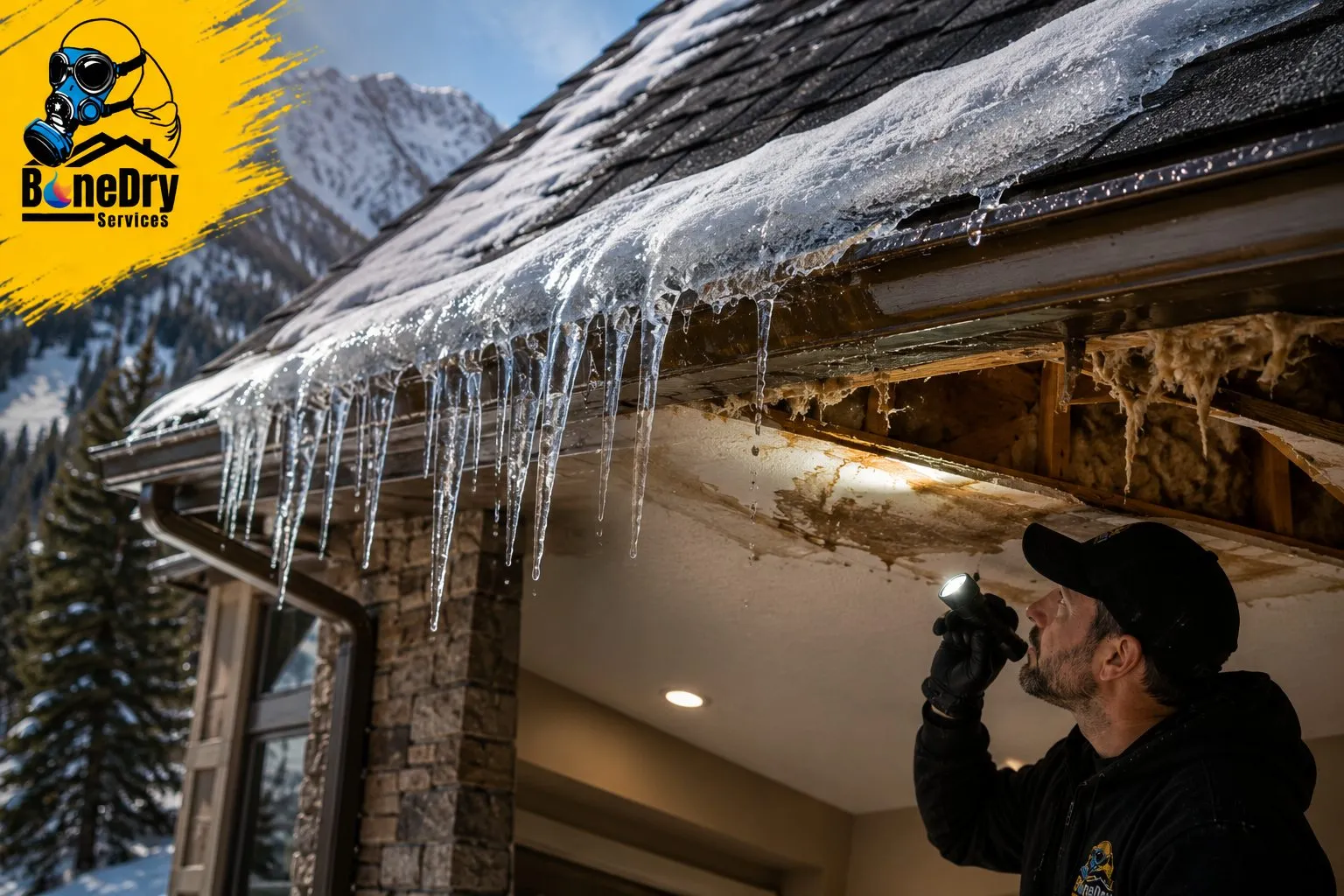
Ice dams often form while homeowners are traveling, allowing meltwater to seep into attics, walls, and ceilings.
Basement Flooding
From snowmelt, sump pump issues, or foundation cracks.
Hidden Leaks in Vacant Homes
A small pipe split can dump thousands of gallons of water in 24 hours.
Warning Signs to Check Before Leaving for Holiday Travel
Before locking the door for Christmas or New Year’s, inspect the home for:
dripping or sweating pipes
cold drafts in areas with plumbing
slow drains (possible early freeze or clog)
unusual furnace noises
water staining on ceilings or walls
sump pump short cycling
weak water pressure
Catching issues early prevents catastrophic outcomes.
How to Protect Your Home Before Traveling for the Holidays
image of a modern thermostat in a Colorado home displaying 55°F helps mitigate water damage
Follow these steps to dramatically reduce winter water damage risks:
1. Keep the Heat On
Set your thermostat to at least 55°F throughout the home.
2. Open Cabinet Doors Under Sinks
Allow warm air to circulate around plumbing.
3. Shut Off the Main Water Supply (if possible)
This is the #1 way to prevent widespread flooding from pipe failures.
4. Drain Outdoor Faucets and Disconnect Hoses
Water left inside exterior plumbing freezes quickly.
5. Install Smart Leak & Temperature Sensors
These devices alert you to water flow or freezing temperatures while you’re away.
6. Check the Sump Pump
Pour water into the pit to ensure it activates properly.
7. Clear Gutters and Downspouts
Clogged gutters cause roof leaks and ice dam formation.
8. Ask a Neighbor or Friend to Check In
Even one walkthrough during your trip can prevent major damage.
What To Do If You Return to Water Damage
If you walk into:
standing water
a flooded basement
dripping ceilings
visible mold
burst pipes
sewage backup
…you need professional help immediately.
Avoid:
turning on affected electrical circuits
attempting to clean contaminated water
removing wet drywall without assessing structure
ignoring strong odors or discoloration
Water damage spreads fast — and what you don’t see is often more serious than what you do.
How BoneDry Services Protects Colorado Homes During Winter Emergencies
BoneDry team arriving at Colorado mountain home in snow weather
BoneDry Services is Colorado’s most trusted emergency restoration team, serving Arvada, Wheat Ridge, Golden, Denver, and all surrounding communities.
Our certified technicians provide:
24/7 Emergency Response
We arrive within 90 minutes anywhere in the Denver metro area.
Water Extraction and Structural Drying
We use industrial extraction systems and advanced dehumidification to stop damage at the source.
Thermal Imaging and Moisture Mapping
This identifies hidden water inside:
walls
ceilings
flooring
basement foundations
Cleanup and Sanitation
We remove compromised materials and protect the home from mold development.
Travel With Peace of Mind — BoneDry Is Ready 24/7
Going out of town for the holidays shouldn’t mean risking your home’s safety. Whether it’s a frozen pipe, basement flood, or hidden roof leak, BoneDry Services is available day and night to protect homes across Colorado.
BoneDry provides:
24/7 rapid emergency response
90-minute arrival
Certified water damage technicians
Complete mitigation + reconstruction
Free inspections & leak detection
📞 Call now: (303) 276-4163
FAQ Section
Q1: What is the biggest risk to homes left vacant during holiday travel? Frozen and burst pipes are the most common cause of winter water damage when homes are left unattended.
Q2: How low can I set the thermostat when traveling? Never below 55°F — colder temperatures increase freeze risks dramatically.
Q3: Should I turn off the main water supply before leaving? Yes, if possible. Shutting off water dramatically reduces the chance of catastrophic flooding.
Q4: What areas of the home are most vulnerable during winter travel? Basements, crawl spaces, exterior walls, attics, and any area with exposed plumbing.
Q5: How do I know if my sump pump will fail while I’m away? Test it before traveling by pouring water into the pit to ensure proper activation.
Q6: What should I do first if I return to find water damage? Do not touch electrical systems. Call a professional restoration team immediately.
Frozen Pipes Are Starting Early This Year: Prevent Water Damage at Your Mountain Home
Colorado homeowners, especially those in high-altitude and mountain regions, are facing early-season freezes far sooner than usual this year. With temperatures dropping rapidly across areas like Breckenridge, Winter Park, Vail, Evergreen, and Conifer, the risk of frozen pipes and catastrophic water damage is rising fast.
If your pipes freeze and burst, the resulting damage can cost thousands of dollars, cause major structural issues, ruin flooring and drywall, and even impact your home’s long-term value. Even worse—many homeowners don’t notice the warning signs in time.
This guide explains how early freezes increase risks, what signs to look for, and what you can do to protect your mountain home.
Why Early Freezes Put Mountain Homes at Higher Risk
Colorado mountain home exterior in early winter with exposed plumbing and snow
Colorado’s elevation and wide temperature swings make mountain homes especially vulnerable. Sudden drops below 32°F can freeze standing water inside plumbing lines rapidly—especially in:
Exposed pipes
Crawl spaces
Exterior walls
Garages
Unheated basements
Vacation homes that sit empty for long periods
Homes in places like Winter Park, Fraser, Estes Park, and Fairplay often experience colder temperatures earlier in the season than Denver or the Front Range.
When water freezes, it expands. That expansion creates enough pressure to rupture copper, PVC, and even PEX lines. Once the ice thaws, water surges into your home, causing fast—and often hidden—structural damage.
Warning Signs of Frozen Pipes Homeowners Should Never Ignore
Frozen indoor pipe and trickling faucet signs frozen pipes in a home in Colorado
Early detection can prevent thousands of dollars in restoration costs. Look for:
1. Reduced Water Pressure or No Water
If faucets trickle or fail completely, pipes may already be frozen.
2. Frost on Exposed Pipes
Any visible frost on plumbing is a major red flag.
3. Strange Odors from Sinks or Drains
This can happen when ice blocks proper airflow.
4. Unusually Cold Walls or Floors
If a wall feels cold or damp, a pipe behind it may be frozen.
If you notice any of these signs, turn off the main water supply immediately to reduce risk of flooding.
Steps to Prevent Frozen Pipes in Colorado Mountain Homes
1. Insulate Vulnerable Plumbing
Pipes running through:
Crawl spaces
Attics
Exterior walls
Garages
…should be wrapped with high-grade insulation or heat tape.
2. Keep Indoor Temperatures Stable
Never allow your home to drop below 55°F, even when you're away.
3. Let Faucets Drip During Extreme Cold
A slow drip keeps water moving and reduces freezing risk.
4. Open Cabinet Doors
Allow warm air to circulate around pipes under sinks.
5. Seal Air Leaks
Cold drafts around windows, doors, and foundations dramatically increase freeze risk.
6. Shut Off Outdoor Water Sources
Disconnect hoses and drain sprinkler lines well before the first freeze.
7. Install Smart Home Sensors
Moisture sensors and temperature monitors can alert you before a pipe fails—ideal for second homes or Airbnb properties.
What to Do If You Suspect a Frozen Pipe
If you catch the issue early:
Shut off the main water supply.
Open faucets to relieve pressure.
Warm the pipe slowly using towels soaked in warm water, a space heater, or a hair dryer.
Never use open flames—they cause fires and damage pipes.
If a pipe is bulging, cracked, or has already burst, you need professionals immediately. Delaying even 30 minutes can dramatically worsen water damage.
How BoneDry Services Protects Colorado Homes From Winter Water Damage
BoneDry technicians repairing burst pipe to cleanup water damage in a house in Colorado
BoneDry Services is Colorado’s largest family owned restoration company, trusted by homeowners across Denver, the Front Range, and high-altitude mountain communities.
When pipes burst or freeze, our certified technicians provide:
24/7 emergency response
90-minute arrival guarantee anywhere in Colorado
Thermal imaging and moisture mapping to detect hidden freeze damage
Rapid extraction, drying, and dehumidification
Full restoration, structural repair, and reconstruction
Preventing Emergency Disasters in Vacation & Second Homes
Mountain properties that sit empty for part of the year face even greater risks. Homeowners often return months later to discover:
Burst pipes
Mold growth
Damaged drywall or flooring
Structural deterioration
Rodent infestation due to water-damaged insulation
Consider these prevention tools:
Remote water shutoff valves
Smart thermostats
Moisture alarms
Weekly caretaker inspections
These small investments can prevent massive winter repair bills.
When to Call a Professional Immediately
Contact BoneDry Services if:
A pipe has burst
You see water flooding floors or ceilings
Water is dripping from light fixtures
Walls appear swollen or buckled
You smell mold or musty odors
Floors feel soft or spongy
You hear running water but can’t find the source
Even a few gallons of water can spread quickly through insulation, electrical systems, and structural supports.
Call Colorado’s Fastest Water Damage Restoration Team—24/7
Frozen pipes don’t wait—and neither should you.
BoneDry Services offers:
24/7 emergency water damage response
90-minute arrival anywhere in Colorado
Certified restoration and reconstruction teams
Free inspections & leak detection
📞 Call now: (303) 276-4163
Protect your mountain home—and your peace of mind.
FAQ
1. What temperature causes pipes to freeze in Colorado mountain homes? Pipes can begin freezing at 32°F, but wind chill, uninsulated walls, and drafts can cause internal freezing even when outdoor temperatures are slightly higher.
2. How quickly can a frozen pipe burst? A frozen pipe can burst within hours, depending on pressure buildup. Mountain climates with fast temperature drops increase this risk dramatically.
3. Does homeowners insurance cover frozen pipe water damage? Most policies do, as long as the homeowner maintained reasonable heating. BoneDry Services assists with documentation for stress-free claims.
4. What areas in Colorado experience frozen pipes the earliest? High-altitude regions like Winter Park, Estes Park, Vail, Breckenridge, and Evergreen typically freeze earlier than Denver or the Front Range.
5. Can I thaw a frozen pipe myself? Yes—if caught early. Use slow, controlled heat. However, if pipes bulge, crack, or you cannot locate the freeze point, call a professional immediately.
6. Why do vacation homes face higher frozen pipe risks? Empty homes have inconsistent heating, lower circulation, and delayed detection—making freeze damage far more severe.
7. What should I do before leaving my mountain home for the winter? Keep the heat above 55°F, shut off the water, drain pipes, install smart sensors, and ask a caretaker to check levels weekly.
Fire and Smoke Damage in Colorado Mountain Towns – Prevention Tips for Winter Park, Evergreen & Conifer
Winter in Colorado mountain towns brings more than just snow and freezing temperatures — it also creates a significant increase in fire and smoke damage risks. Homeowners in Winter Park, Evergreen, Conifer, Fraser, Idaho Springs, and the entire Front Range mountain region rely heavily on wood stoves, fireplaces, and heating systems during December and January, creating perfect conditions for accidental fires, creosote buildup, and interior smoke contamination.
Combine that with dry winter air, wind events, aging mountain cabins, and heavy holiday usage, and it becomes clear why winter is one of the busiest seasons for fire-related emergencies.
This guide explains the most common sources of winter fire and smoke damage, what symptoms homeowners should watch for, and the best prevention strategies to keep your mountain home safe.
Why Fire Risks Increase in Colorado’s Mountain Regions During Winter
Wood stove with creosote buildup in a cabin uphill in the mountains of Colorado
1. Heavy Use of Fireplaces and Wood Stoves
Mountain homes often rely on wood heat for long stretches of winter. Creosote buildup inside chimneys can ignite quickly and spread to the attic or roof.
2. Older Homes With Aging Electrical Systems
Many properties near Winter Park, Evergreen, and Conifer are 20–50+ years old. Older wiring paired with high winter electrical demand becomes a major fire hazard.
3. Dry Indoor Air
Colorado’s humidity often drops below 20% in winter. Dry air accelerates ignition and allows fire to spread rapidly inside enclosed spaces.
4. Portable Heaters & Overloaded Circuits
Space heaters are responsible for a large percentage of winter home fires — especially when plugged into extension cords.
5. Holiday Decorations
String lights, candles, and Christmas trees add seasonal fire risks, especially when placed near heat sources.
6. Heavy Winds Common in Mountain Passes
Strong winds can push sparks, embers, or exhaust back into the home, leading to unexpected flare-ups.
Common Causes of Fire & Smoke Damage in Mountain Homes
Understanding the patterns can help homeowners stay prepared.
1. Chimney & Flue Fires
Creosote buildup ignites inside the chimney and spreads into:
roof rafters
attic insulation
siding
interior walls
2. Wood Stove Malfunctions
Improper sealing, aging gaskets, or unmaintained stovepipes can leak smoke into living areas or ignite surrounding materials.
3. Furnace or HVAC Failures
Overloaded or clogged systems can spark electrical fires.
4. Electrical Wiring Surges
Older circuits struggle with modern winter heating demands.
5. Kitchen Fires
Holiday cooking spikes significantly increase the frequency of grease and stovetop fires.
6. Candles & Holiday Lights
Dry Christmas trees and poorly wired lights pose significant risks in dry mountain environments.
Early Warning Signs of Hidden Fire or Smoke Damage
Smoke-stained ceiling and soot accumulation are signs of smoke damage
Even without open flames, smoke and heat can cause invisible but serious damage. Watch for:
Black soot around vents or ceilings
Lingering smoke odors
Discoloration of walls or ceilings
Melted or misshapen electrical outlets
Cracking or bubbling paint
Warped or overheating cords
Stuffy or smoky air during fireplace use
These symptoms often indicate unseen fire damage inside walls or attic spaces.
Fire & Smoke Prevention Tips for Winter Park, Evergreen & Conifer Homeowners
1. Clean and Inspect Chimneys Annually
Chimney fires are one of the top causes of winter structural fires in mountain homes.
2. Maintain Your Wood Stove or Fireplace Insert
Check:
door gaskets
flue seals
airflow settings
stovepipe integrity
3. Keep Heat Sources Clear
Maintain a minimum of three feet around fireplaces, stoves, and heaters.
4. Replace Old or Damaged Wiring
Homes built before the 1990s may require electrical upgrades to support winter load.
5. Use UL-Certified Space Heaters
And keep them off extension cords.
6. Install CO and Smoke Detectors on Every Level
Replace batteries every winter.
7. Inspect Your Furnace Before Peak Winter
Dirty filters and malfunctioning parts increase ignition risks.
8. Choose Flame-Retardant Holiday Decorations
Especially near fireplaces or wood stoves.
What Homeowners Should Do After Fire or Smoke Damage
Taking the wrong actions after a fire can worsen the damage. Avoid:
Wiping soot from walls (it can smear permanently)
Turning on fans (spreads soot through HVAC)
Washing affected fabrics before deodorization
Staying inside the affected home
Attempting DIY reconstruction
Smoke particulates infiltrate:
insulation
drywall
air ducts
flooring
personal belongings
Professional remediation is essential.
How BoneDry Services Handles Fire & Smoke Damage Restoration
BoneDry technician cleaning soot with HEPA vacuum from fire and smoke damage
BoneDry Services is Colorado’s leading restoration team, specializing in both emergency mitigation and full reconstruction.
1. 24/7 Emergency Response
Rapid deployment to Winter Park, Evergreen, Conifer, and all Colorado mountain towns.
2. Structural Safety Inspection
We check for:
compromised framing
electrical hazards
attic/roof ignition points
3. Soot & Smoke Removal
Using specialized HEPA filtration and negative air systems.
4. Odor Neutralization
Advanced thermal fogging and ozone treatments eliminate smoke odors fully.
5. Cleaning of HVAC Systems
Smoke travels easily through ductwork and must be professionally sanitized.
24/7 Fire & Smoke Damage Response for Colorado Mountain Communities
Fire emergencies escalate quickly, and smoke damage spreads even faster. Immediate professional action protects your home’s structure, indoor air quality, and long-term safety.
BoneDry Services offers:
24/7 emergency fire & smoke damage response
90-minute arrival anywhere in Colorado
Certified fire restoration specialists
Advanced soot, odor, and HVAC cleaning
Full repair & reconstruction
Free inspections available
📞 Call now: (303) 276-4163
FAQ Section
Q1: What causes most winter fires in Colorado mountain homes? Heavy fireplace use, creosote buildup, dry indoor air, and aging electrical systems are the most common causes.
Q2: How do I know if my chimney is a fire hazard? Look for excessive soot, restricted airflow, strong smoky smells, or visible creosote buildup. Annual inspections are essential.
Q3: Can smoke damage occur without visible flames? Yes. Even small appliance malfunctions can cause significant smoke damage inside walls and attic spaces.
Q4: What steps should I take immediately after a fire? Leave the home, contact emergency services, and call professional restoration specialists before re-entering.
Q5: How long does smoke odor removal take? Most homes can be treated within 1–3 days depending on severity.
Q6: Does BoneDry handle reconstruction after fire cleanup? Yes — BoneDry provides full repair and reconstruction to restore damaged areas.
Q7: Why are mountain homes more vulnerable to winter fire risks? Higher reliance on wood heat, older cabins, dry air, and strong winds make fire more likely and more severe.
Basement Flood Clean Up – A Guide to Avoid Structural Damage
A flooded basement is one of the most stressful emergencies a Colorado homeowner can face — especially during winter, when freezing temperatures, snowmelt, and plumbing failures become more common. Basements in Denver, Arvada, Golden, Lakewood, Thornton, and mountain-adjacent communities are particularly vulnerable because water naturally flows downward and settles in the lowest level of the home.
What starts as a “small puddle” can quickly escalate into severe structural damage, mold growth, electrical hazards, and long-term foundation issues if not handled properly and immediately. The goal of this guide is to help homeowners take the right first steps after discovering a basement flood — steps that prevent thousands of dollars in unnecessary repairs.
Why Basements Flood in Colorado Winters
Flooded basement with standing water in a mountain home in Colorado
Basement flooding often spikes during December–March due to:
1. Burst or Frozen Pipes
Colorado’s rapid freeze–thaw cycles cause pipes to freeze and split, especially in basements and crawl spaces.
2. Snowmelt Seeping Through Foundations
As temperatures warm, melting snow saturates soil around your home. Hydrostatic pressure pushes water through cracks in basement walls and floors.
3. Sump Pump Failures
Cold weather can overwhelm or freeze sump pump systems, causing backup water to overflow into the basement.
4. Roof or Gutter Leaks
Water can travel through framing and walls before pooling in the basement.
BoneDry technician uses water pump for basement flood cleanup in Denver.
BoneDry Services is Colorado’s trusted leader in water damage restoration. Our certified team uses advanced equipment and methods to protect your home from long-term structural problems.
Our process includes:
1. 24/7 Emergency Response
We arrive within 90 minutes anywhere in Colorado — Denver, Arvada, Golden, Wheat Ridge, mountain towns, and beyond.
2. Water Extraction & Pumping
Industrial pumps and vacuums remove water quickly and safely.
3. Moisture Mapping & Thermal Imaging
We locate hidden water behind walls, under flooring, and inside structural materials.
4. Controlled Demolition (only where needed)
Damaged drywall, insulation, and flooring are removed to prevent mold.
We apply antimicrobial treatments to stop mold growth before it starts.
7. Full Reconstruction
BoneDry repairs drywall, flooring, framing, and other materials to restore your basement to its original condition.
Protect Your Home — Call BoneDry for 24/7 Basement Flood Clean Up
Basement flooding is urgent — the longer water sits, the more structural damage it causes. Fast response is the key to avoiding long-term repairs and preserving your home’s foundation.
BoneDry Services offers:
24/7 emergency water damage cleanup
90-minute arrival across Colorado
Certified flood and structural drying technicians
Full mitigation + reconstruction
Free inspections & leak detection
📞 Call now: (303) 276-4163
FAQ Section
1: What causes most basement floods in Colorado during winter? Frozen pipes, snowmelt seepage, sump pump failures, and sewer backups are common sources.
2: How soon can mold grow after a basement flood? Mold can begin growing within 24–48 hours, especially in basements where airflow is limited.
3: Can I clean up a flooded basement myself? You can remove small amounts of clean water, but structural drying and contamination issues require a professional.
4: How do I know if floodwater reached the walls or framing? Thermal imaging and moisture meters are required to detect hidden water behind surfaces.
5: Should I use bleach to disinfect after a flood? Bleach only treats surfaces — it cannot penetrate porous materials or prevent mold inside walls.
6: How long does professional basement drying take? Typically 3–5 days, depending on water volume and temperature.
Residential Water Damage Restoration in Denver: 10 Professional Tips
Water damage is one of the most common and costly issues facing homeowners in Denver and the surrounding Front Range communities. Whether caused by frozen pipes, appliance failures, roof leaks, or winter storms, water intrusion can quickly spiral into severe structural damage, mold growth, and expensive repairs if not addressed correctly.
The challenge for Denver homeowners is that winter conditions — rapid temperature swings, early-season freezes, and heavy snow cycles — make water damage more likely and more severe. Acting quickly and following the right steps can save thousands of dollars and prevent long-term issues.
Below are 10 expert-backed tips every Denver homeowner should know to minimize damage and stay prepared this winter.
Why Water Damage Is Especially Common in Denver Homes
Denver’s climate creates a unique set of risks:
Early freezes leading to burst pipes
Ice dams causing attic and roof leaks
Dry air increasing static pressure in plumbing
Melting snow saturating soil around foundations
High elevation temperature swings stressing home systems
Combined with older neighborhoods like Wheat Ridge, Lakewood, Arvada, and Englewood, where aging plumbing is common, the risk of winter water damage is amplified.
10 Professional Water Damage Restoration Tips for Denver Homeowners
1. Shut Off the Water Immediately
Technician shutting off main water valve in a Denver Home basement
Locate your main shutoff valve and turn it off if you see:
flooding
spraying water
dripping ceilings
wet walls
sudden pressure loss
Stopping the flow early is the most effective way to minimize damage.
2. Turn Off Electricity in Affected Areas
Water and wiring are a dangerous combination. Cut power to impacted zones before entering them.
3. Document Everything for Insurance
Take photos and videos of:
affected rooms
damaged materials
visible leaks
personal items impacted
Insurance companies require documentation before approving claims.
4. Remove Standing Water Quickly
The first 24 hours are critical. Even small puddles begin seeping into:
carpet padding
drywall
subflooring
insulation
Use towels, a wet/dry vacuum, or call professionals for extraction.
Blackwater requires certified remediation and disinfection.
6. Avoid DIY Demolition
Many homeowners rip out drywall or insulation too early — or not enough. Professionals use thermal imaging and moisture meters to assess what is salvageable and what must be removed.
Incorrect demo can:
spread mold
expose electrical hazards
void insurance coverage
7. Focus on Drying the Structure, Not Just Surfaces
Industrial drying fans inside flooded living room in Denver, CO
A common mistake is drying only what you can see.
Professional drying targets:
wall cavities
insulation
subflooring
joists
sill plates
hidden moisture pockets
Moisture left behind leads to mold within 48 hours.
8. Use Professional Dehumidification
Homeowners often rely on fans alone, which only moves air — it doesn’t remove moisture. Industrial dehumidifiers extract gallons of moisture per day and prevent structural warping.
9. Check for Mold Growth Early
Even if surfaces appear dry, mold may be spreading behind walls or flooring. Watch for:
10. Partner With a Restoration Company That Handles Repairs Too
Many remediation companies leave homeowners stranded after cleanup. BoneDry is one of Colorado’s only companies offering:
mitigation
drying
cleanup
Content restoration and repairs
You get one team managing the entire project — no delays, no juggling contractors.
Why Fast Action Matters: Hidden Water Damage Spreads Quickly
Even a few inches of water can:
soak into walls within minutes
reach electrical outlets in hours
cause mold by day two
saturate insulation and subfloors
weaken framing and structural supports
This is why professional water damage restoration isn’t optional — it’s essential.
Why Denver Homeowners Choose BoneDry Services
BoneDry restoration team working inside a modern Denver home
BoneDry is Colorado’s largest privately owned restoration company, serving homeowners from Denver to the mountains.
We provide:
24/7 emergency water damage response
90-minute arrival anywhere in Colorado
Moisture mapping with thermal imaging
Complete extraction, drying & dehumidification
Full reconstruction services
Call Colorado’s Fastest Water Damage Team — We’re Here 24/7
If your home is experiencing leaks, flooding, or moisture damage, immediate action prevents costly long-term repairs.
BoneDry Services offers:
emergency response anytime
free water damage inspections
certified restoration specialists
full repair and reconstruction
coverage help with insurance claims
📞 Call now: (303) 276-4163
FAQ Section
1: What causes most water damage in Denver homes? Frozen pipes, roof leaks, ice dams, and appliance failures are the top causes during winter.
2: How fast can mold grow after water damage? Mold can begin growing within 24–48 hours, especially in hidden areas.
3: Should I call my insurance before or after a restoration company? Call a restoration company first so they can document damage and stop further loss — insurers prefer this.
4: What should I do first when I discover water damage? Shut off the main water supply and electricity, then contact a professional team.
5: Can I clean up water damage myself? You can handle minor spills, but structural damage requires professional equipment and training.
6: How long does professional drying take? Most properties dry within 3–5 days, depending on severity.
Contact Us
Get in Touch with Us
Whether you need emergency restoration or have a question, our team is just a message away. Let us know how we can assist you.
Thank you! Your submission has been received!
Oops! Something went wrong while submitting the form.