

Residential Water Damage Restoration in Denver: 10 Professional Tips
Water damage is one of the most common and costly issues facing homeowners in Denver and the surrounding Front Range communities. Whether caused by frozen pipes, appliance failures, roof leaks, or winter storms, water intrusion can quickly spiral into severe structural damage, mold growth, and expensive repairs if not addressed correctly.
The challenge for Denver homeowners is that winter conditions — rapid temperature swings, early-season freezes, and heavy snow cycles — make water damage more likely and more severe. Acting quickly and following the right steps can save thousands of dollars and prevent long-term issues.
Below are 10 expert-backed tips every Denver homeowner should know to minimize damage and stay prepared this winter.
Why Water Damage Is Especially Common in Denver Homes
Denver’s climate creates a unique set of risks:
- Early freezes leading to burst pipes
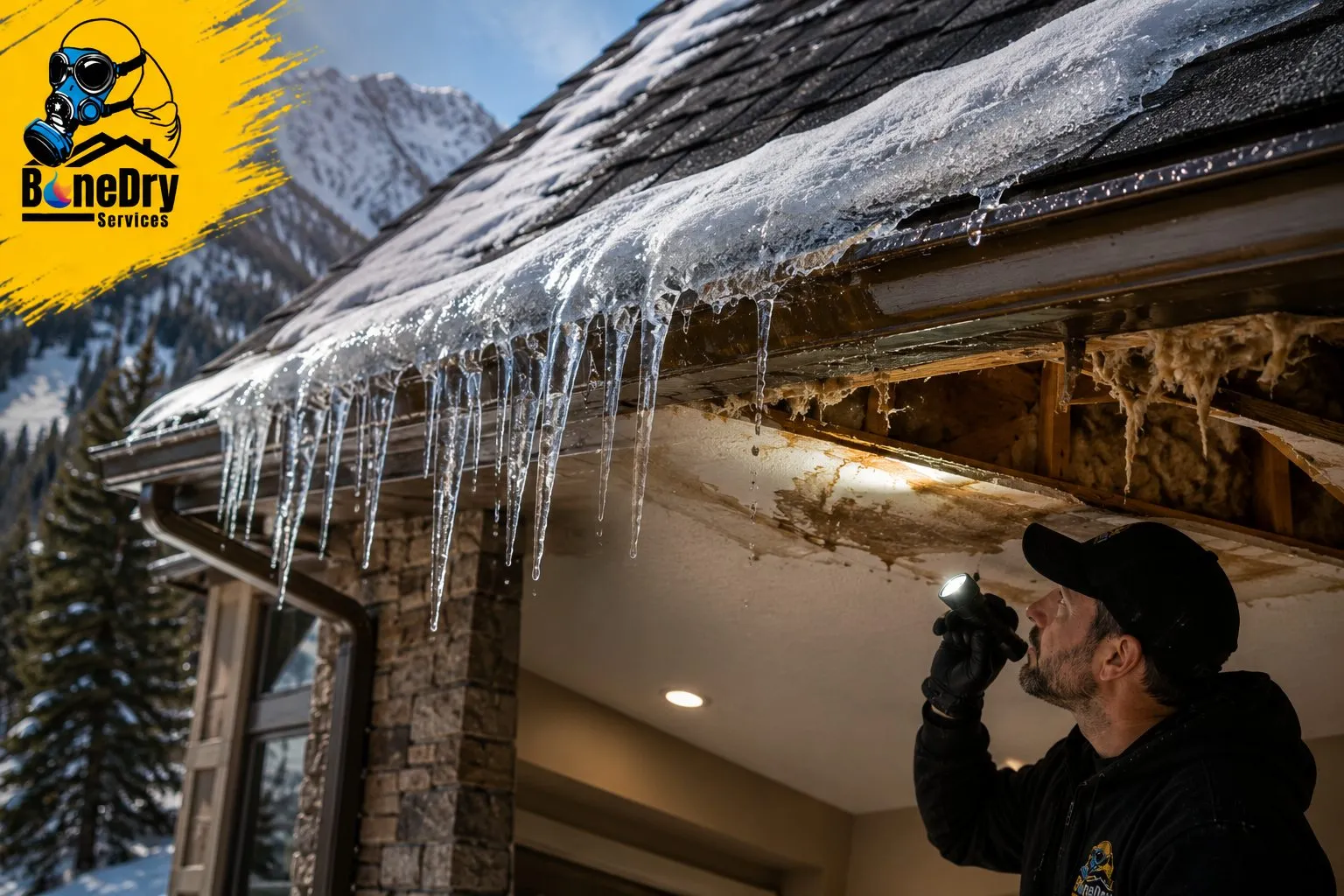
- Ice dams causing attic and roof leaks
- Dry air increasing static pressure in plumbing
- Melting snow saturating soil around foundations
- High elevation temperature swings stressing home systems
Combined with older neighborhoods like Wheat Ridge, Lakewood, Arvada, and Englewood, where aging plumbing is common, the risk of winter water damage is amplified.
10 Professional Water Damage Restoration Tips for Denver Homeowners
1. Shut Off the Water Immediately

Locate your main shutoff valve and turn it off if you see:
- flooding
- spraying water
- dripping ceilings
- wet walls
- sudden pressure loss
Stopping the flow early is the most effective way to minimize damage.
2. Turn Off Electricity in Affected Areas
Water and wiring are a dangerous combination. Cut power to impacted zones before entering them.
3. Document Everything for Insurance
Take photos and videos of:
- affected rooms
- damaged materials
- visible leaks
- personal items impacted
Insurance companies require documentation before approving claims.
4. Remove Standing Water Quickly
The first 24 hours are critical. Even small puddles begin seeping into:
- carpet padding
- drywall
- subflooring
- insulation
Use towels, a wet/dry vacuum, or call professionals for extraction.
Learn more:
➡️ Water Damage Restoration in Denver
5. Identify the Water Source (Clean, Gray, or Blackwater)
The category of water determines the level of risk:
- Clean water: burst supply pipes, appliance failures
- Gray water: dishwasher overflow, washing machine discharge
- Blackwater: sewage backups, outdoor flooding
Blackwater requires certified remediation and disinfection.
6. Avoid DIY Demolition
Many homeowners rip out drywall or insulation too early — or not enough.
Professionals use thermal imaging and moisture meters to assess what is salvageable and what must be removed.
Incorrect demo can:
- spread mold
- expose electrical hazards
- void insurance coverage
7. Focus on Drying the Structure, Not Just Surfaces

A common mistake is drying only what you can see.
Professional drying targets:
- wall cavities
- insulation
- subflooring
- joists
- sill plates
- hidden moisture pockets
Moisture left behind leads to mold within 48 hours.
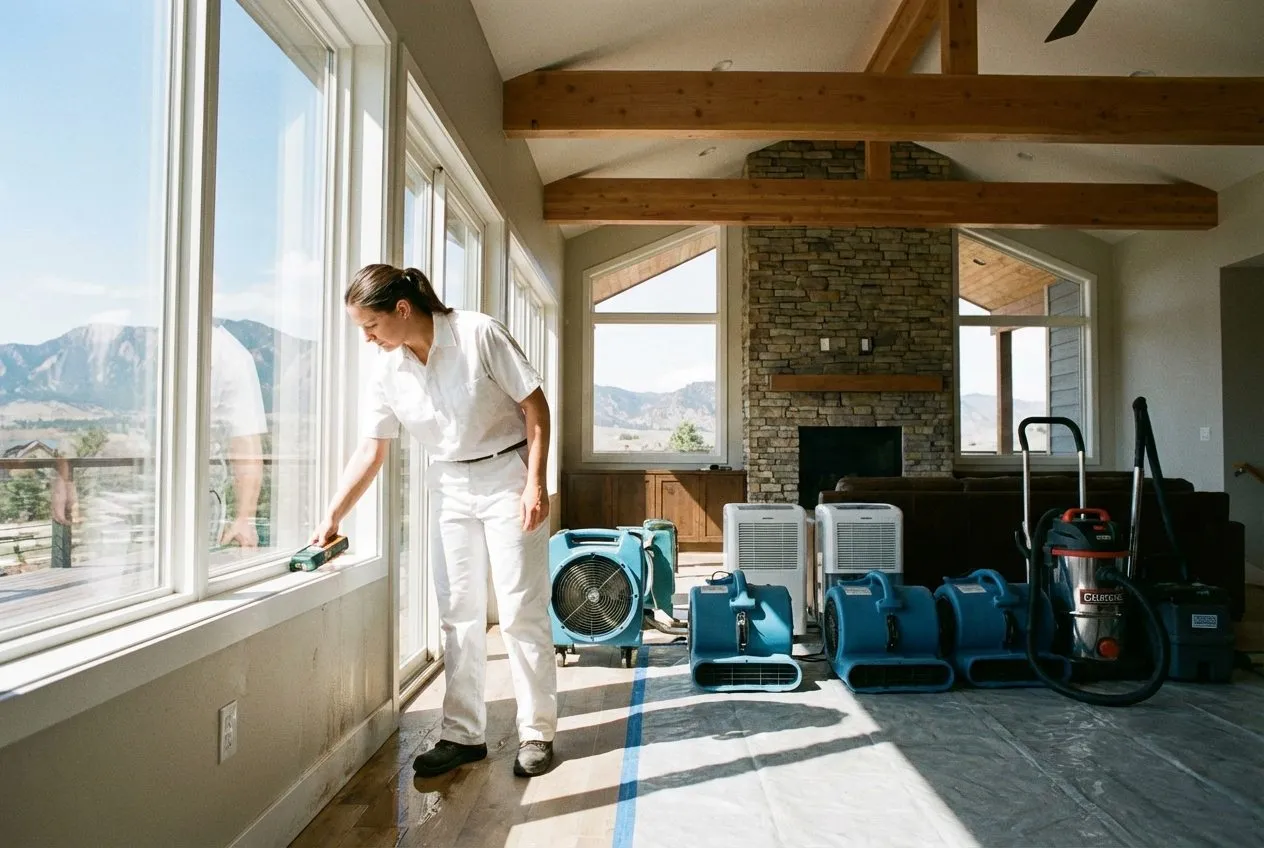
8. Use Professional Dehumidification
Homeowners often rely on fans alone, which only moves air — it doesn’t remove moisture.
Industrial dehumidifiers extract gallons of moisture per day and prevent structural warping.
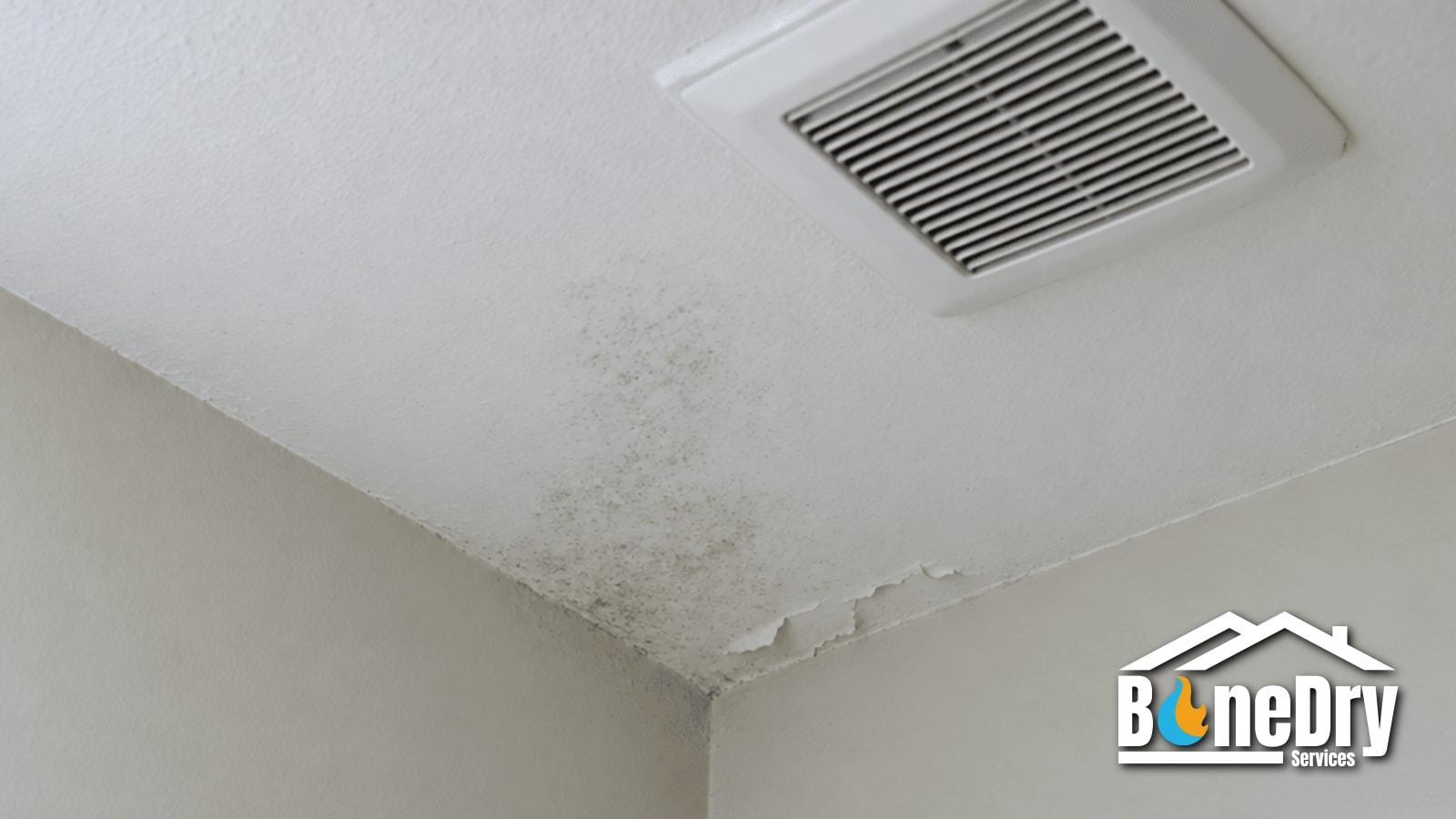
9. Check for Mold Growth Early
Even if surfaces appear dry, mold may be spreading behind walls or flooring.
Watch for:
- musty odors
- discoloration
- soft drywall
- bubbling paint
BoneDry also provides mold remediation when needed:
10. Partner With a Restoration Company That Handles Repairs Too
Many remediation companies leave homeowners stranded after cleanup.
BoneDry is one of Colorado’s only companies offering:
- mitigation
- drying
- cleanup
- Content restoration and repairs
You get one team managing the entire project — no delays, no juggling contractors.
Why Fast Action Matters: Hidden Water Damage Spreads Quickly
Even a few inches of water can:
- soak into walls within minutes
- reach electrical outlets in hours
- cause mold by day two
- saturate insulation and subfloors
- weaken framing and structural supports
This is why professional water damage restoration isn’t optional — it’s essential.
Why Denver Homeowners Choose BoneDry Services
BoneDry is Colorado’s largest privately owned restoration company, serving homeowners from Denver to the mountains.
We provide:
- 24/7 emergency water damage response
- 90-minute arrival anywhere in Colorado
- Moisture mapping with thermal imaging
- Complete extraction, drying & dehumidification
- Full reconstruction services
Call Colorado’s Fastest Water Damage Team — We’re Here 24/7
If your home is experiencing leaks, flooding, or moisture damage, immediate action prevents costly long-term repairs.
BoneDry Services offers:
- emergency response anytime
- free water damage inspections
- certified restoration specialists
- full repair and reconstruction
- coverage help with insurance claims
📞 Call now: (303) 276-4163
FAQ Section
1: What causes most water damage in Denver homes?
Frozen pipes, roof leaks, ice dams, and appliance failures are the top causes during winter.
2: How fast can mold grow after water damage?
Mold can begin growing within 24–48 hours, especially in hidden areas.
3: Should I call my insurance before or after a restoration company?
Call a restoration company first so they can document damage and stop further loss — insurers prefer this.
4: What should I do first when I discover water damage?
Shut off the main water supply and electricity, then contact a professional team.
5: Can I clean up water damage myself?
You can handle minor spills, but structural damage requires professional equipment and training.
6: How long does professional drying take?
Most properties dry within 3–5 days, depending on severity.