

Biohazard Cleanup Denver: Professional Sanitization for Luxury Properties
When a property is affected by biological contaminants—whether from a sewage backup, a chemical spill cleanup, or a traumatic event—the stakes for restoration are at their highest. Professional biohazard cleanup Denver is not merely an aesthetic exercise; it is a critical public health intervention. Standard household cleaning methods are fundamentally incapable of addressing the microscopic pathogens that linger within porous building materials. To ensure a luxury environment is truly restored to a "pre-loss" safety standard, a molecular-level approach to biohazard remediation is required from a trusted provider like BoneDry Services.
The Myth of Household Bleach in Biohazard Remediation
A common misconception in property management is that high concentrations of bleach are sufficient for disinfecting a contaminated site. In professional biohazard cleanup Denver, bleach is often avoided or used only as a secondary step for several technical reasons. When dealing with hazardous material cleanup, the limitations of grocery-store chemicals become dangerously apparent.
Organic Load Neutralization and Protein Barriers
Bleach is easily neutralized by organic matter. If blood or sewage is present, the bleach reacts with the proteins before it can kill the underlying pathogens. In a trauma scene cleanup, this means the surface might look clean, but the infectious agents remain active beneath a layer of neutralized chemical.
Surface Tension and Material Penetration
Bleach has high surface tension, preventing it from penetrating the microscopic pores of wood, grout, or drywall where bacteria hide. Furthermore, for high-end finishes, bleach can cause irreversible damage to metals, stone, and delicate fabrics, making it an impractical tool for luxury restoration.
4 Critical Factors for Effective Biohazard Cleanup Sanitization
Successful decontamination relies on the "Sinner’s Circle" of cleaning—a balance of four variables that our technicians calibrate for every hazardous waste cleanup project to ensure medical-grade results.
- Chemical Concentration: Ensuring the antimicrobial is mixed to the exact parts-per-million (PPM) required for the specific pathogen.
- Mechanical Action: The physical agitation or scrubbing required to break through the "biofilm" that protects colonies of bacteria.
- Temperature Control: Many professional-grade disinfectants perform significantly better when applied at specific thermal ranges.
- Dwell Time: The most overlooked factor; the chemical must remain "wet" on the surface for a predetermined number of minutes to achieve a total kill.
Breaking the Biofilm Barrier in Trauma Scene Cleanup
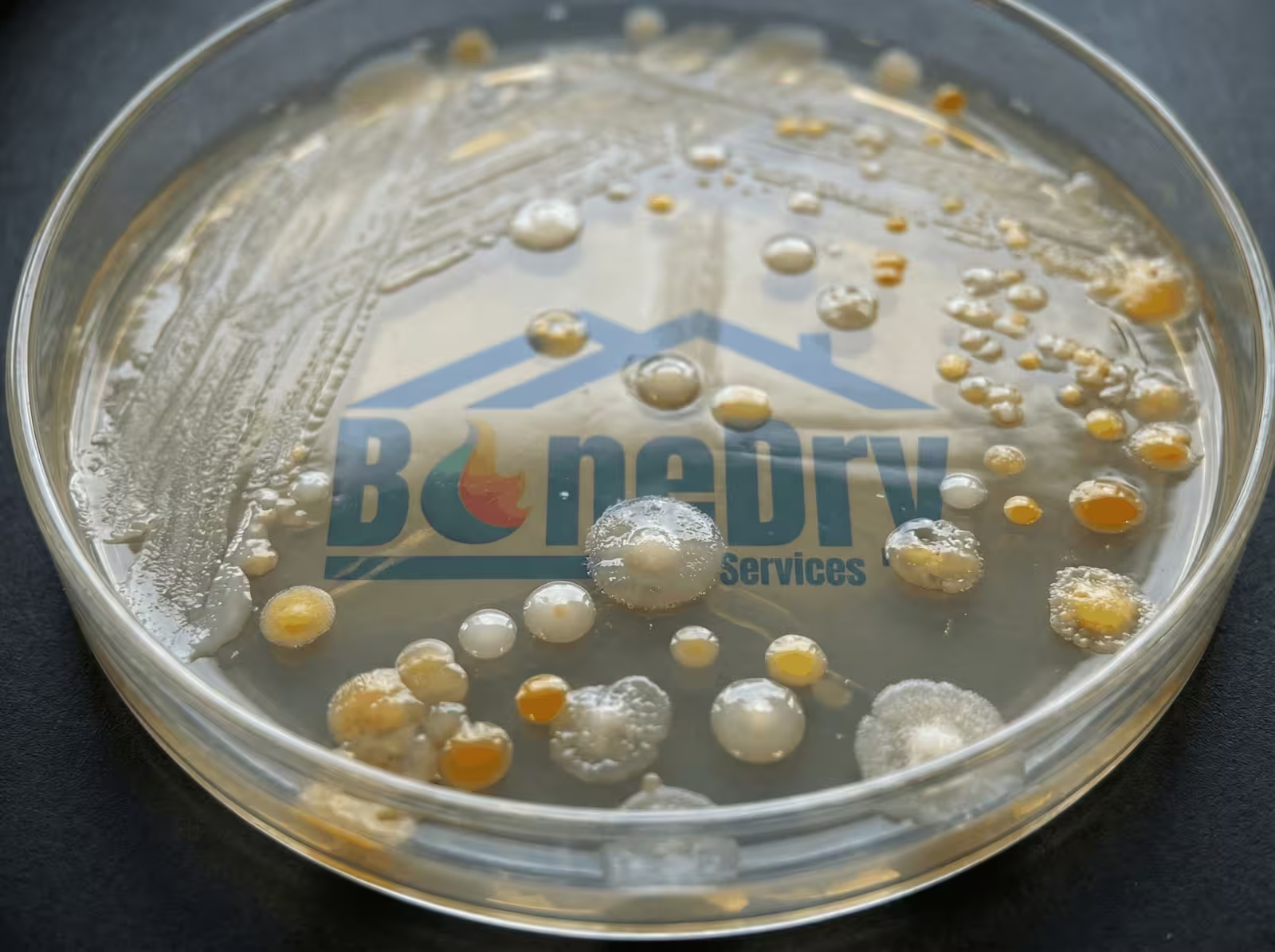
One of the most significant challenges in high-level sanitization is the "Biofilm." This is a slimy, protective layer that colonies of bacteria secrete to shield themselves from external threats. Professional biohazard cleanup requires the use of specialized enzymatic cleaners that act like molecular scissors, cutting through the biofilm to expose the bacteria. Once this shield is dissolved, our EPA-approved disinfectants can reach the target and achieve a true 99.9999% kill rate, which is vital during any trauma scene cleanup.
Utilizing EPA-Approved Antimicrobials for Biohazard Remediation
At BoneDry Services, our biohazard cleanup Denver protocols utilize medical-grade, EPA-registered antimicrobials designed for healthcare environments. These broad-spectrum disinfectants are engineered to remain stable in the presence of organic soil and have a documented "kill claim" against specific hardy pathogens like MRSA, C. diff, and Norovirus. This level of biohazard remediation ensures that the property is safe for immediate re-occupancy.
The Role of Specialized Surfactants in Hazardous Material Cleanup
In a luxury home, contaminants don't just sit on the surface; they migrate into subfloors and wall cavities. Standard cleaners lack the "wetting agents" needed to follow this path. During hazardous material cleanup, we use surfactants that:
- Reduce the surface tension of the liquid, allowing it to "wick" into the same cracks where the bio-load traveled.
- Encapsulate odor-causing molecules rather than just masking them with perfumes.
- Emulsify fats and proteins found in biological fluids, making them easier to extract from delicate fibers.
Addressing the Risk of Dormant Bacteria
One of the most dangerous aspects of a biohazard loss is the ability of certain bacteria to enter a dormant state. When a surface is "cleaned" but not properly sanitized, moisture from a standard 24/7 water damage restoration event can actually reactivate these pathogens weeks later. This is why our biohazard cleanup Denver process is so rigorous; we eliminate the biological load entirely to prevent future outbreaks.
The BoneDry Verification Process: ATP Testing
We utilize ATP (Adenosine Triphosphate) testing to verify our results. ATP is a molecule found in all living cells; by swabbing a surface after our biohazard cleanup Denver process, we get a digital readout of the remaining organic matter.
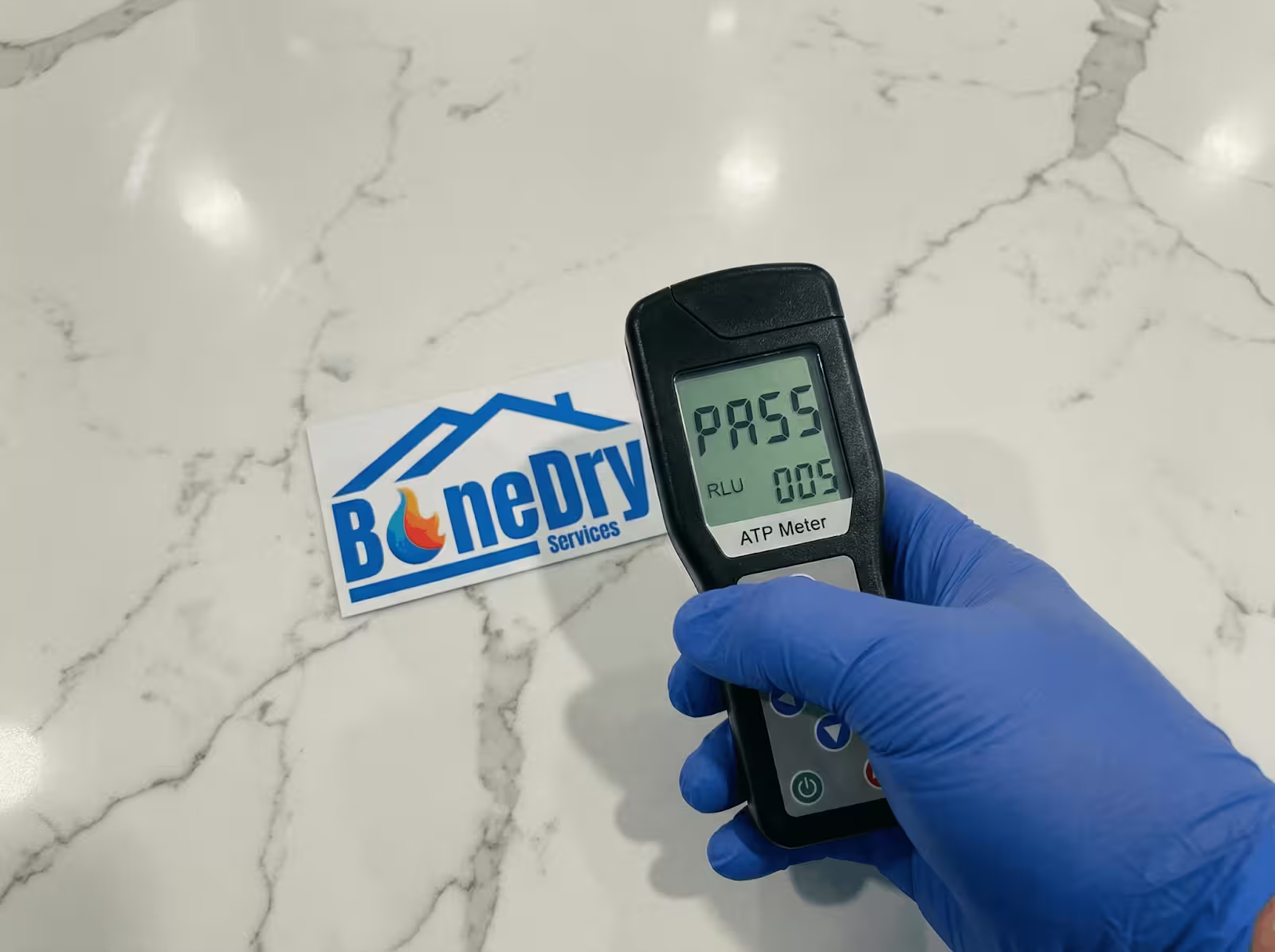
If the "Relative Light Units" (RLU) exceed a medical-grade threshold, the area is treated again. This data-driven approach ensures that your home is not just visually clean, but clinically sterile.
Precision Sanitization for High-Value Substrates
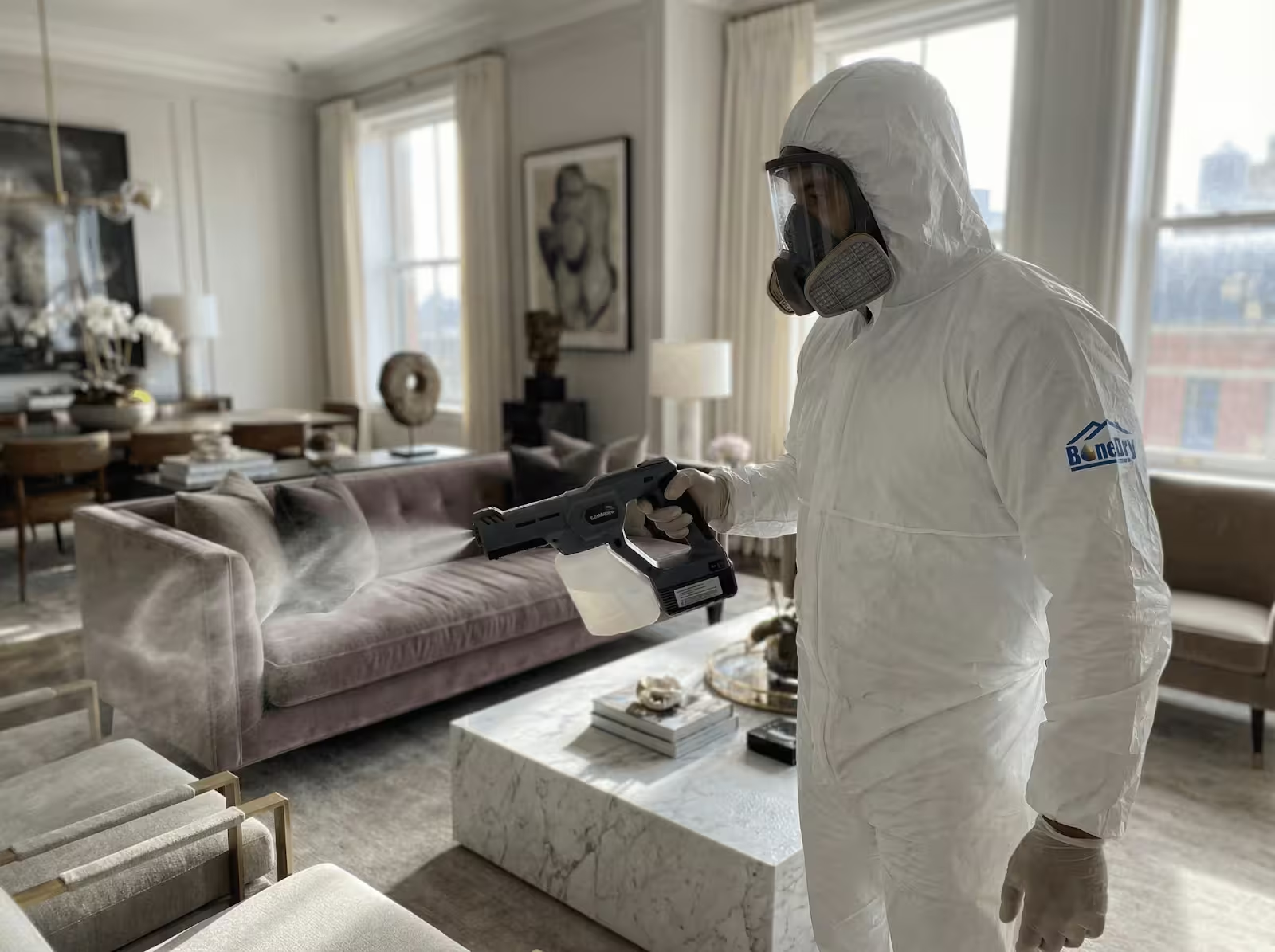
Luxury properties often contain expensive, semi-porous materials that require a "low-moisture" sanitization approach. During our emergency response, we utilize electrostatic sprayers. These devices give the antimicrobial particles a positive charge, causing them to wrap around complex surfaces—ensuring 360-degree coverage without saturating the material. This is particularly useful during a chemical spill cleanup where sensitive electronics or finishes are nearby.
Negative Pressure and Aerosol Containment
During the physical agitation and cleaning phase of hazardous waste cleanup, there is a high risk of "aerosolization"—where microscopic contaminants become airborne and drift into unaffected parts of the home. To prevent this, BoneDry Services utilizes HEPA-filtered air scrubbers to create a negative pressure environment. By sealing off the affected room and constantly scrubbing the air, we ensure that every cubic foot of oxygen is filtered through a 0.3-micron medical-grade filter.
The Psychological Peace of Mind in Biohazard Remediation
Beyond the physical safety, there is a psychological component to restoration. Knowing that a team has utilized the same grade of sanitization used in surgical suites provides a level of comfort that "DIY" cleaning cannot match. Whether you require trauma scene cleanup or hazardous material cleanup, we provide a full "Certificate of Sanitization" upon completion, documenting the chemicals used and the testing results achieved.
📞 Call BoneDry Services at (303) 276-4163 for professional Biohazard Cleanup and biological disinfection today.
FAQ
What are the 5 steps to clean and sanitize a surface?
The professional standard involves five distinct phases: (1) Pre-cleaning to remove bulk organic matter, (2) Washing with a surfactant to break down surface tension, (3) Rinsing to clear away debris, (4) Applying an EPA-registered sanitizer with the appropriate "dwell time," and (5) Final air-drying or wiping with a sterile cloth. In Biohazard Cleanup, skipping the "dwell time" is the most common reason for sanitization failure.
What is biohazard cleaning?
Biohazard Cleanup is the specialized process of removing, cleaning, and disinfecting materials that pose a biological risk to humans. This includes blood, bodily fluids, sewage, animal remains, and chemical spills. Unlike standard janitorial work, biohazard technicians must use Personal Protective Equipment (PPE) and follow strict OSHA and CDC guidelines.
What are the 7 steps in the cleaning process in order?
For high-level remediation, the seven steps are: (1) Site Assessment and PPE donning, (2) Containment and air filtration setup, (3) Bulk removal of bio-hazardous waste, (4) Detailed HEPA vacuuming, (5) Application of antimicrobial surfactants, (6) Mechanical agitation/scrubbing, and (7) Final ATP verification testing. Following these steps in order is vital for a successful Biohazard Cleanup outcome.
What surface must be clean and sanitized?
In a post-loss environment, any surface that has come into direct or indirect contact with biological agents must be treated. This includes "high-touch" surfaces like doorknobs and light switches, but also "hidden" surfaces like the subfloor beneath a carpet or the internal wall cavities. Professional Biohazard Cleanup assumes that if the air was contaminated, every horizontal surface in the containment zone requires sanitization.
What chemicals are used in biohazard cleaning?
We utilize a rotation of "Hospital-Grade" disinfectants, including Phenolics, Quaternary Ammonium compounds, and stabilized Hydrogen Peroxide solutions. These chemicals are chosen specifically for their ability to kill bloodborne pathogens and viruses while remaining safe for the occupants once the "off-gassing" period is over. In every Biohazard Cleanup project, we match the chemical to the specific substrate.