
Blog

The Autumn Audit: Preparing Your Colorado Estate for the First Freeze

Parker Brown

CEO of BoneDry Services

Aug 18

6 minutes

In this article

    Colorado Emergency Restoration: Fall Home Audit to Prevent Winter Water Damage

    As the aspens turn and the first cold nights arrive, Colorado's most beautiful season is also its most deceptive, and it is when Colorado emergency restoration crews get their first winter calls. The mild days can lull homeowners into a false sense of security right up until the first hard flash freeze, when an overlooked foundation vent or an un-drained exterior spigot becomes the reason a finished basement floods. Smart Colorado emergency restoration starts long before the emergency, with a deliberate autumn audit of the vulnerable points around your property.

    For high-end homes and mountain estates, the exposure is greater, not smaller. Expansive landscaping, exterior kitchens, irrigation systems, crawl spaces, and long runs of external plumbing all create points where water can sit, freeze, expand, and force its way into the structure. At BoneDry Services, we respond to these failures every winter, and nearly all of them trace back to something that could have been caught during a simple fall walkthrough. This guide is that walkthrough: the exterior points to inspect, why each one matters, and how preparing now prevents the first freeze from becoming your first claim.
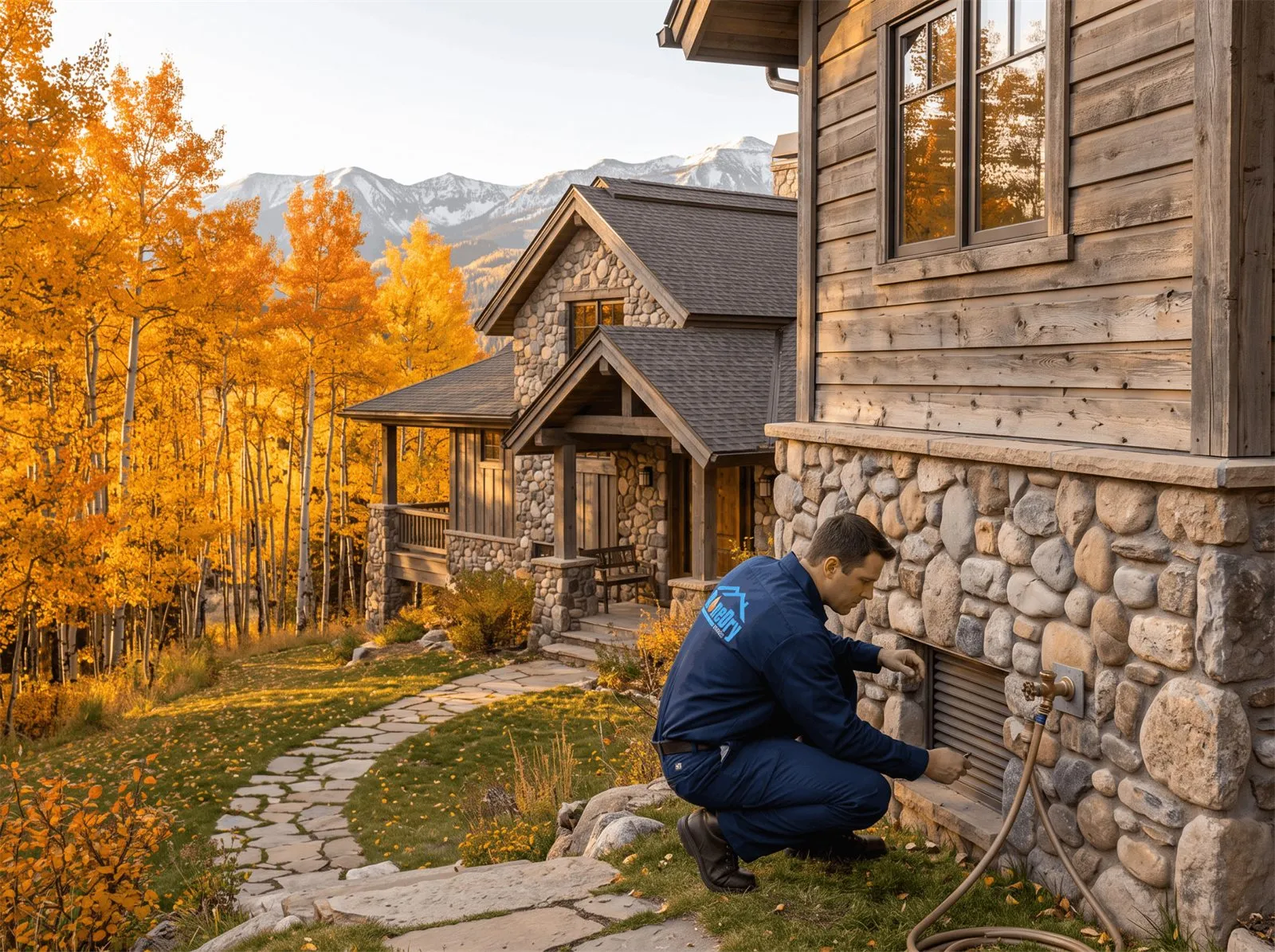
    colorado-emergency-restoration-autumn-audit.jpg
    Colorado estate prepped for winter during a fall audit for emergency restoration before the first freeze.

    Why the First Flash Freeze Causes the Most Winter Water Damage

    Colorado's autumn is defined by its swings. A seventy-degree afternoon can drop below freezing overnight, and it is that sudden first plunge, not the deep cold of January, that catches homes unprepared. By midwinter, most systems have already been winterized; the danger window is the transition, when water is still sitting in places it should have been cleared from.

    The physics are simple and unforgiving. Water expands as it freezes, and when it does so inside a pipe, a hose bib, or a saturated foundation crack, it exerts enormous pressure on whatever contains it. A spigot left connected to a garden hose traps water against the valve, where it freezes, expands, and splits the pipe behind the wall, often without any visible sign until the thaw sends water pouring into the structure. The failure happens in the cold; the flood arrives with the warm-up.

    This delayed reveal is what makes the first freeze so costly. Homeowners assume that because nothing leaked during the cold snap, nothing broke. Then the temperature rises, the ice inside the cracked pipe melts, and water escapes behind finished walls and under flooring for hours or days before anyone notices. An autumn audit closes that window by removing the trapped water before it ever has the chance to freeze.

    The Danger of Trapped Water

    Any place water can pool and sit is a place it can freeze. Exterior spigots with hoses attached, un-drained irrigation lines, low spots in landscape drainage, and clogged gutters that hold standing water all become expansion points once the temperature drops. The goal of the audit is to find every one of these reservoirs and drain, disconnect, or redirect them before the cold arrives.

    Why Estates Face Greater Exposure

    Larger properties simply have more of everything: more exterior plumbing, more irrigation zones, more square footage of foundation and crawl space, and more elaborate landscaping that can channel water toward the home. Each addition is another potential failure point. The upside is that a methodical audit scales too: knowing where these vulnerabilities cluster lets a homeowner protect even a sprawling estate with a single focused inspection each fall.

    Foundation Vents and Crawl Spaces: The Overlooked Entry Point

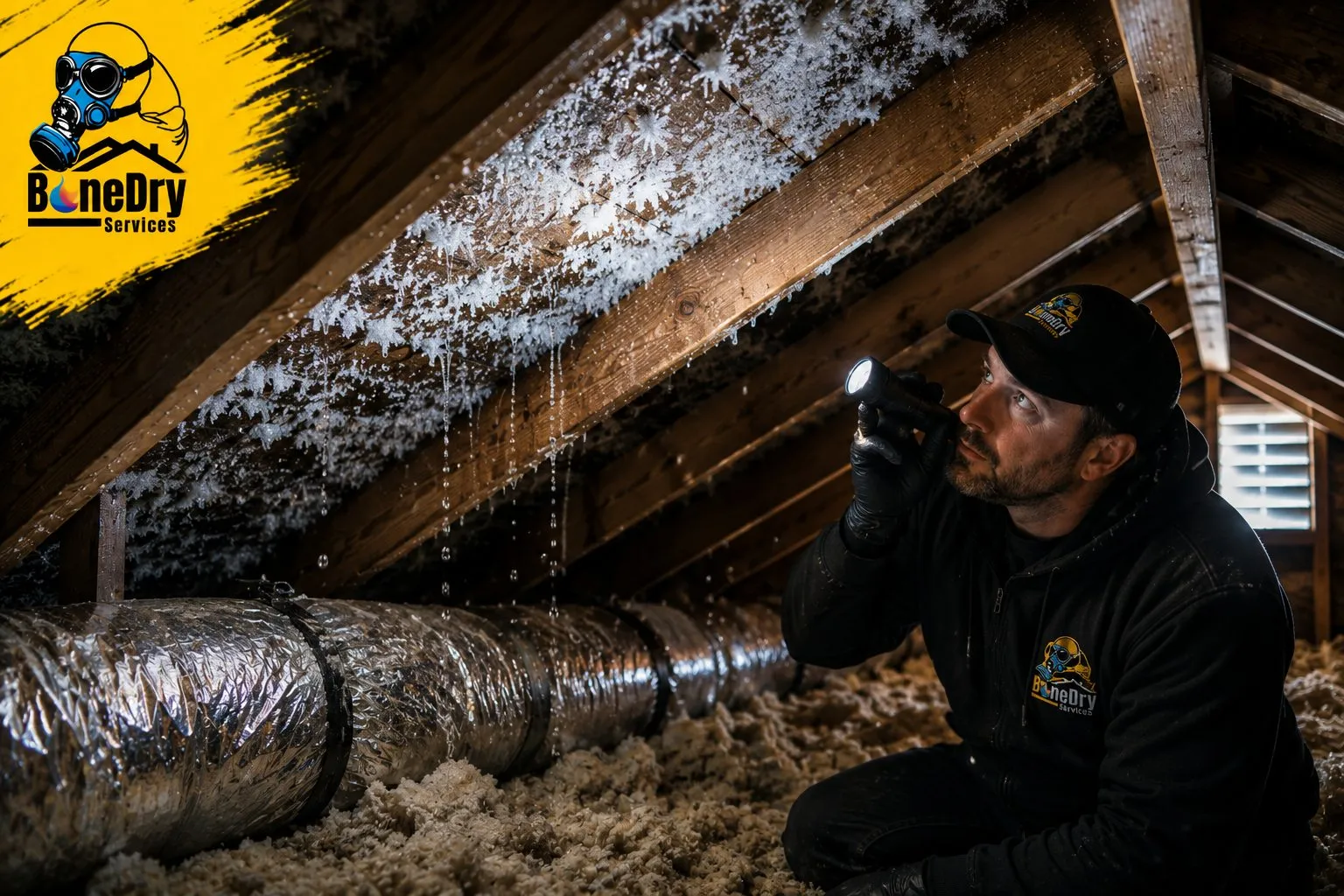
    Among the most commonly neglected features in a fall audit are foundation vents and the crawl spaces behind them. These openings are designed to manage airflow and moisture beneath the home, but left unmanaged through winter they can allow frigid air to reach unprotected pipes, or trap cold moisture against the structure. Addressing them is a core part of the proactive work that prevents the need for structural drying and dehumidification later.

    A crawl space is effectively a small, hidden basement, and it holds the same risks. Plumbing runs through it, moisture collects in it, and cold air infiltrates it through open vents. When the first freeze hits, exposed pipes in an unsealed crawl space are among the first to fail, precisely because they are out of sight and rarely insulated to the same standard as the rest of the home. The damage then spreads upward into the living space above.

    The autumn audit treats the crawl space as a priority, not an afterthought. Vents are checked and managed for the season, exposed pipes are identified and insulated, and any standing moisture is noted and addressed. In a mountain estate, where crawl spaces can be extensive and pipe runs long, this single step often prevents the most expensive and hardest-to-detect winter failures.

    Managing Vents Before the Freeze

    Foundation vents need a deliberate seasonal strategy. Left fully open, they invite freezing air directly onto crawl-space plumbing; sealed incorrectly, they can trap damaging moisture. The audit is the moment to set them correctly for winter and confirm that any automatic vent covers are functioning, so the crawl space stays protected without becoming a moisture trap.

    Insulating Exposed Crawl-Space Plumbing

    Pipes running through a crawl space are far more exposed than those inside heated walls. Identifying and insulating them during the audit, with attention to the runs nearest the vents and exterior walls, dramatically reduces the risk of a freeze-and-burst. It is inexpensive, straightforward work in the fall, and it prevents a failure that is both costly and difficult to reach once winter has set in.

    The External Plumbing and Landscaping Checklist

    Beyond the crawl space, the exterior of the home holds a series of predictable freeze points. Walking them in a deliberate order each fall ensures none is overlooked. These are the exterior items an autumn audit should always cover:

    • Exterior spigots and hose bibs: Disconnect every garden hose, drain the spigots, and shut off interior valves to any exterior lines so no water is left to freeze against the valve.
    • Irrigation and sprinkler systems: Have the system professionally blown out so no water remains in the underground lines, valves, or backflow preventer to expand and crack.
    • Gutters and downspouts: Clear leaves and debris so meltwater drains freely instead of pooling, freezing, and forcing water back under the roof edge or against the foundation.
    • Grading and drainage: Confirm the soil still slopes away from the foundation and that landscape low spots aren't channeling water toward the home before it freezes.
    • Exterior kitchens and water features: Drain and winterize outdoor sinks, fountains, and pool equipment, which are easy to forget and expensive to repair after a freeze.

    Worked through methodically, this checklist removes the standing water and exposed lines that cause the overwhelming majority of first-freeze failures. On a large property it may take an afternoon; that afternoon is far cheaper than the alternative.

    What a Proactive Autumn Audit Protects

    A fall audit is preventative by design, and its value shows up as the damage that never happens. Approaching the season this way protects the home in several tangible ways, and keeps professional water damage restoration as a safety net rather than a certainty. The benefits include:

    • Prevented burst pipes: Draining and insulating vulnerable lines removes the trapped water that freezes, expands, and splits pipes behind walls.
    • Protected finished spaces: Stopping a freeze failure at its source spares finished basements, flooring, and belowgrade living areas from hidden flooding.
    • Lower emergency risk: A prepared home is far less likely to need a middle-of-the-night emergency response during the first hard freeze of the season.
    • Preserved property value: Avoiding water intrusion protects the structure, finishes, and long-term condition of a high-value home.
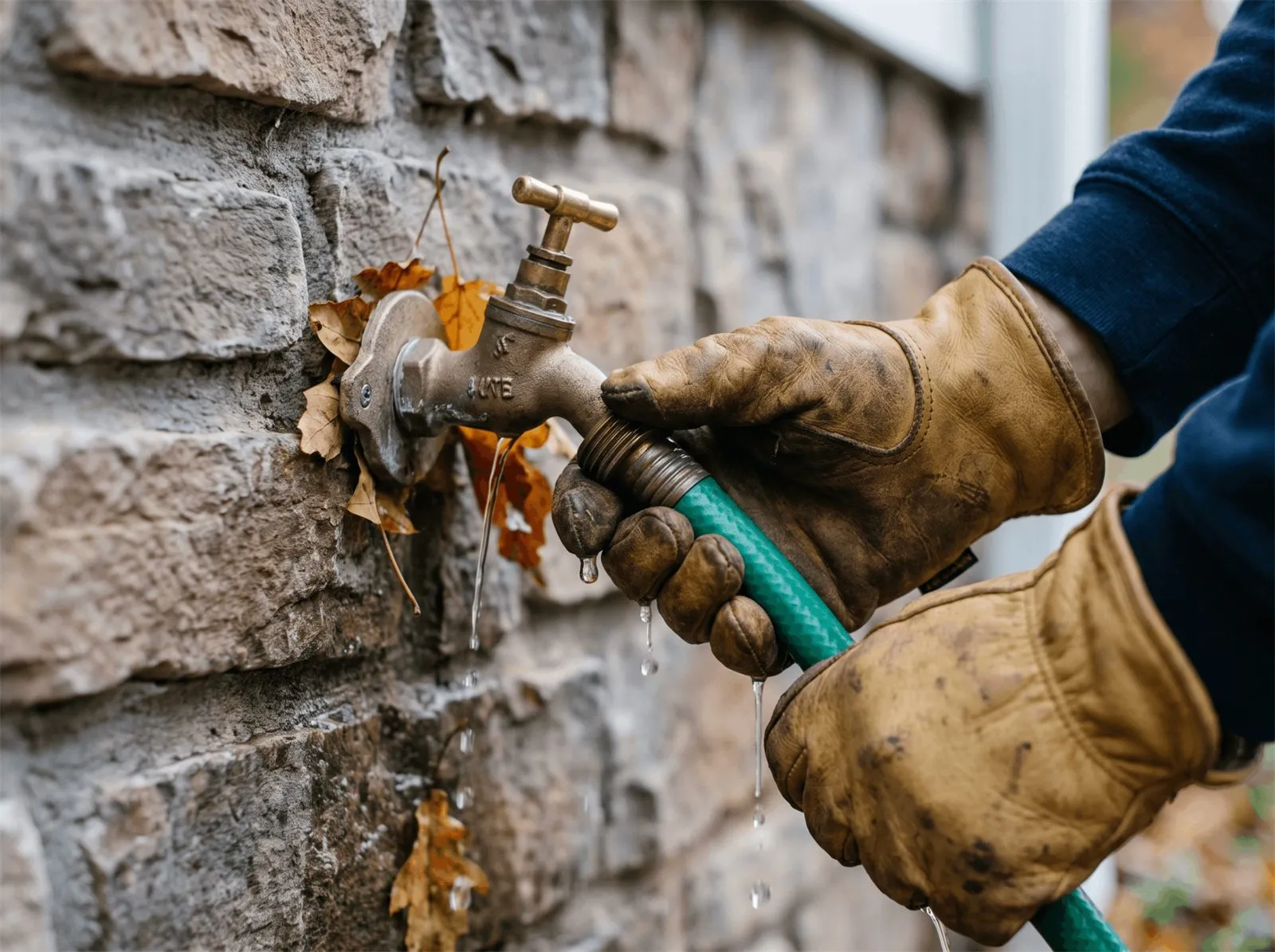
    A technician draining an exterior spigot during an autumn audit, a key Colorado emergency restoration prevention step before the first freeze.

    When a freeze does slip past even a careful audit, response time is everything. As Colorado's largest privately owned, family-operated restoration company, storm damage restoration and full emergency crews are ready around the clock across the Front Range and mountain communities.

    📞 Call BoneDry Services at (303) 276-4163 today for Colorado emergency restoration and proactive winter preparation across Denver and the surrounding mountain communities.

    Frequently Asked Questions

    When should I winterize my home in Colorado?

    In most of Colorado, the exterior audit should be complete by late September or early October, before the first hard overnight freeze. Because autumn temperatures swing sharply, it's safest to disconnect hoses, drain spigots, and schedule an irrigation blowout as soon as nighttime lows begin approaching freezing. Mountain properties at higher elevations should aim earlier, since their first freeze arrives sooner. The goal is to finish the work while the weather is still mild rather than racing an incoming cold snap.

    What is the most common cause of winter water damage?

    The most common cause is a frozen and burst pipe, and the single biggest culprit is an exterior spigot left connected to a garden hose. The hose traps water against the valve, where it freezes, expands, and cracks the pipe behind the wall. Un-drained irrigation lines and exposed crawl-space plumbing are close behind. Nearly all of these failures are preventable with a simple fall audit, which is why disconnecting hoses and draining exterior lines matters so much.

    Do foundation vents need to be closed in winter?

    Foundation vents need a deliberate seasonal setting rather than simply being left open or shut. Left fully open through winter, they can allow frigid air to reach unprotected crawl-space pipes; sealed incorrectly, they can trap damaging moisture beneath the home. The right approach depends on your crawl space and whether pipes there are insulated. Setting the vents correctly and insulating exposed plumbing during the fall audit is what keeps the space protected without creating a new moisture problem.

    How fast can water damage happen from a burst pipe?

    Very fast. A burst supply line can release a large volume of water in a short time, and because first-freeze failures often occur behind walls or in crawl spaces, the water can spread through the structure for hours before anyone notices, especially if the home is unoccupied. This is why prevention matters so much and why rapid emergency response is critical once a burst is discovered: the sooner the water is stopped and extraction begins, the less structural damage and mold risk results.

    Recent Articles

    18 Aug 2026
    6 minutes

    The Autumn Audit: Preparing Your Colorado Estate for the First Freeze

    Foundation vents, crawl spaces, and exterior plumbing cause most first-freeze failures. Learn the fall audit that protects your estate before winter hits.

    Colorado Emergency Restoration: Fall Home Audit to Prevent Winter Water Damage

    As the aspens turn and the first cold nights arrive, Colorado's most beautiful season is also its most deceptive, and it is when Colorado emergency restoration crews get their first winter calls. The mild days can lull homeowners into a false sense of security right up until the first hard flash freeze, when an overlooked foundation vent or an un-drained exterior spigot becomes the reason a finished basement floods. Smart Colorado emergency restoration starts long before the emergency, with a deliberate autumn audit of the vulnerable points around your property.

    For high-end homes and mountain estates, the exposure is greater, not smaller. Expansive landscaping, exterior kitchens, irrigation systems, crawl spaces, and long runs of external plumbing all create points where water can sit, freeze, expand, and force its way into the structure. At BoneDry Services, we respond to these failures every winter, and nearly all of them trace back to something that could have been caught during a simple fall walkthrough. This guide is that walkthrough: the exterior points to inspect, why each one matters, and how preparing now prevents the first freeze from becoming your first claim.

    colorado-emergency-restoration-autumn-audit.jpg
    Colorado estate prepped for winter during a fall audit for emergency restoration before the first freeze.

    Why the First Flash Freeze Causes the Most Winter Water Damage

    Colorado's autumn is defined by its swings. A seventy-degree afternoon can drop below freezing overnight, and it is that sudden first plunge, not the deep cold of January, that catches homes unprepared. By midwinter, most systems have already been winterized; the danger window is the transition, when water is still sitting in places it should have been cleared from.

    The physics are simple and unforgiving. Water expands as it freezes, and when it does so inside a pipe, a hose bib, or a saturated foundation crack, it exerts enormous pressure on whatever contains it. A spigot left connected to a garden hose traps water against the valve, where it freezes, expands, and splits the pipe behind the wall, often without any visible sign until the thaw sends water pouring into the structure. The failure happens in the cold; the flood arrives with the warm-up.

    This delayed reveal is what makes the first freeze so costly. Homeowners assume that because nothing leaked during the cold snap, nothing broke. Then the temperature rises, the ice inside the cracked pipe melts, and water escapes behind finished walls and under flooring for hours or days before anyone notices. An autumn audit closes that window by removing the trapped water before it ever has the chance to freeze.

    The Danger of Trapped Water

    Any place water can pool and sit is a place it can freeze. Exterior spigots with hoses attached, un-drained irrigation lines, low spots in landscape drainage, and clogged gutters that hold standing water all become expansion points once the temperature drops. The goal of the audit is to find every one of these reservoirs and drain, disconnect, or redirect them before the cold arrives.

    Why Estates Face Greater Exposure

    Larger properties simply have more of everything: more exterior plumbing, more irrigation zones, more square footage of foundation and crawl space, and more elaborate landscaping that can channel water toward the home. Each addition is another potential failure point. The upside is that a methodical audit scales too: knowing where these vulnerabilities cluster lets a homeowner protect even a sprawling estate with a single focused inspection each fall.

    Foundation Vents and Crawl Spaces: The Overlooked Entry Point

    Among the most commonly neglected features in a fall audit are foundation vents and the crawl spaces behind them. These openings are designed to manage airflow and moisture beneath the home, but left unmanaged through winter they can allow frigid air to reach unprotected pipes, or trap cold moisture against the structure. Addressing them is a core part of the proactive work that prevents the need for structural drying and dehumidification later.

    A crawl space is effectively a small, hidden basement, and it holds the same risks. Plumbing runs through it, moisture collects in it, and cold air infiltrates it through open vents. When the first freeze hits, exposed pipes in an unsealed crawl space are among the first to fail, precisely because they are out of sight and rarely insulated to the same standard as the rest of the home. The damage then spreads upward into the living space above.

    The autumn audit treats the crawl space as a priority, not an afterthought. Vents are checked and managed for the season, exposed pipes are identified and insulated, and any standing moisture is noted and addressed. In a mountain estate, where crawl spaces can be extensive and pipe runs long, this single step often prevents the most expensive and hardest-to-detect winter failures.

    Managing Vents Before the Freeze

    Foundation vents need a deliberate seasonal strategy. Left fully open, they invite freezing air directly onto crawl-space plumbing; sealed incorrectly, they can trap damaging moisture. The audit is the moment to set them correctly for winter and confirm that any automatic vent covers are functioning, so the crawl space stays protected without becoming a moisture trap.

    Insulating Exposed Crawl-Space Plumbing

    Pipes running through a crawl space are far more exposed than those inside heated walls. Identifying and insulating them during the audit, with attention to the runs nearest the vents and exterior walls, dramatically reduces the risk of a freeze-and-burst. It is inexpensive, straightforward work in the fall, and it prevents a failure that is both costly and difficult to reach once winter has set in.

    The External Plumbing and Landscaping Checklist

    Beyond the crawl space, the exterior of the home holds a series of predictable freeze points. Walking them in a deliberate order each fall ensures none is overlooked. These are the exterior items an autumn audit should always cover:

    • Exterior spigots and hose bibs: Disconnect every garden hose, drain the spigots, and shut off interior valves to any exterior lines so no water is left to freeze against the valve.
    • Irrigation and sprinkler systems: Have the system professionally blown out so no water remains in the underground lines, valves, or backflow preventer to expand and crack.
    • Gutters and downspouts: Clear leaves and debris so meltwater drains freely instead of pooling, freezing, and forcing water back under the roof edge or against the foundation.
    • Grading and drainage: Confirm the soil still slopes away from the foundation and that landscape low spots aren't channeling water toward the home before it freezes.
    • Exterior kitchens and water features: Drain and winterize outdoor sinks, fountains, and pool equipment, which are easy to forget and expensive to repair after a freeze.

    Worked through methodically, this checklist removes the standing water and exposed lines that cause the overwhelming majority of first-freeze failures. On a large property it may take an afternoon; that afternoon is far cheaper than the alternative.

    What a Proactive Autumn Audit Protects

    A fall audit is preventative by design, and its value shows up as the damage that never happens. Approaching the season this way protects the home in several tangible ways, and keeps professional water damage restoration as a safety net rather than a certainty. The benefits include:

    • Prevented burst pipes: Draining and insulating vulnerable lines removes the trapped water that freezes, expands, and splits pipes behind walls.
    • Protected finished spaces: Stopping a freeze failure at its source spares finished basements, flooring, and belowgrade living areas from hidden flooding.
    • Lower emergency risk: A prepared home is far less likely to need a middle-of-the-night emergency response during the first hard freeze of the season.
    • Preserved property value: Avoiding water intrusion protects the structure, finishes, and long-term condition of a high-value home.
    A technician draining an exterior spigot during an autumn audit, a key Colorado emergency restoration prevention step before the first freeze.

    When a freeze does slip past even a careful audit, response time is everything. As Colorado's largest privately owned, family-operated restoration company, storm damage restoration and full emergency crews are ready around the clock across the Front Range and mountain communities.

    📞 Call BoneDry Services at (303) 276-4163 today for Colorado emergency restoration and proactive winter preparation across Denver and the surrounding mountain communities.

    Frequently Asked Questions

    When should I winterize my home in Colorado?

    In most of Colorado, the exterior audit should be complete by late September or early October, before the first hard overnight freeze. Because autumn temperatures swing sharply, it's safest to disconnect hoses, drain spigots, and schedule an irrigation blowout as soon as nighttime lows begin approaching freezing. Mountain properties at higher elevations should aim earlier, since their first freeze arrives sooner. The goal is to finish the work while the weather is still mild rather than racing an incoming cold snap.

    What is the most common cause of winter water damage?

    The most common cause is a frozen and burst pipe, and the single biggest culprit is an exterior spigot left connected to a garden hose. The hose traps water against the valve, where it freezes, expands, and cracks the pipe behind the wall. Un-drained irrigation lines and exposed crawl-space plumbing are close behind. Nearly all of these failures are preventable with a simple fall audit, which is why disconnecting hoses and draining exterior lines matters so much.

    Do foundation vents need to be closed in winter?

    Foundation vents need a deliberate seasonal setting rather than simply being left open or shut. Left fully open through winter, they can allow frigid air to reach unprotected crawl-space pipes; sealed incorrectly, they can trap damaging moisture beneath the home. The right approach depends on your crawl space and whether pipes there are insulated. Setting the vents correctly and insulating exposed plumbing during the fall audit is what keeps the space protected without creating a new moisture problem.

    How fast can water damage happen from a burst pipe?

    Very fast. A burst supply line can release a large volume of water in a short time, and because first-freeze failures often occur behind walls or in crawl spaces, the water can spread through the structure for hours before anyone notices, especially if the home is unoccupied. This is why prevention matters so much and why rapid emergency response is critical once a burst is discovered: the sooner the water is stopped and extraction begins, the less structural damage and mold risk results.
    10 Aug 2026
    6 minutes

    Vaulted Ceiling Recovery in Colorado | Drying Structural Timber and Roof Decks

    High ceilings and heavy timber hold hidden moisture after a fire. Learn how specialized scaffolding and drying gear power professional fire damage repair.

    Vaulted Ceiling Fire Damage Repair Colorado: Timber Drying 

    The soaring vaulted ceilings and exposed timber of a Colorado mountain home are architectural showpieces — and when a fire strikes, vaulted ceiling fire damage repair becomes one of the most challenging jobs in restoration. The water used to fight the fire, combined with smoke and soot, saturates high roof decks and heavy structural beams that sit twenty feet or more overhead. Proper fire damage repair in these homes demands specialized reach, equipment, and technique that ordinary drying simply cannot provide.

    The challenge is twofold: the damage is high up and hard to reach, and the materials involved—thick structural timber and roof decking—hold moisture deep within them. Firefighting water doesn't just wet the surface; it drives into the wood and collects in the roof assembly, where it can quietly cause rot, warping, and mold long after the visible water is gone. Reaching and drying these areas correctly is a job of both height and precision.

    At BoneDry Services, we understand the architecture of luxury Colorado mountain homes and what it takes to restore them after a fire. Understanding why vaulted ceilings and heavy timber are so difficult to dry—and how specialized access and drying gear solve the problem—explains why professional fire damage repair is essential when the damage is overhead.

    Why Vaulted Ceilings Complicate Fire Damage Repair

    The defining challenge of fire damage repair in a home with vaulted ceilings is simple to state and hard to solve: the damage is far overhead, and the materials are massive. Both factors work against a quick or conventional recovery.

    A standard ceiling is within easy reach of a technician on a short ladder. A vaulted ceiling in a mountain home can rise twenty feet or more, often over an open great room, placing the saturated roof deck and beams well beyond normal access. Simply reaching the damage to assess and treat it requires specialized scaffolding or high-reach equipment. Compounding this, the structural timber and decking involved are thick and dense, so they absorb and hold far more water than drywall, and they release it slowly. This means the drying process is not only harder to reach but also takes longer and demands more powerful, precisely directed equipment.

    These combined difficulties are why overhead fire damage in luxury homes is not a do-it-yourself situation. It requires the height, the gear, and the drying expertise that define professional fire damage restoration, where saving irreplaceable architectural timber is a priority rather than an afterthought.

    The Challenge of Height and Access

    Before any drying can begin, technicians have to safely reach damage that may be two or three stories up. In an open-plan mountain home with a dramatic vaulted ceiling, that means erecting specialized scaffolding or using high-reach equipment to access the roof deck and beams. This is a significant undertaking in itself, requiring planning and safety measures that a typical ceiling repair never involves. Without proper access, hidden moisture in the upper structure simply cannot be found or treated, which is why professional fire damage repair begins with solving the reach problem.

    Why Structural Timber Holds Moisture

    Heavy timber beams and thick roof decking are dense, and that density means they absorb a large volume of water and give it up slowly. Unlike drywall, which can be removed and replaced, structural timber is both load-bearing and, in an exposed-beam home, a central aesthetic feature—so the goal is to dry it in place rather than replace it. Moisture driven deep into the wood by firefighting efforts can linger for a long time, and if it isn't drawn out, it leads to rot, warping, and mold within the structure. Drying dense timber thoroughly is one of the more demanding tasks in fire damage repair.

    A vaulted ceiling with exposed timber showing overhead water damage that requires specialized fire damage repair

    How Specialized Equipment Drives Fire Damage Repair at Height

    Restoring a saturated vaulted ceiling depends on equipment built for both reach and deep drying—the core tools of high-elevation fire damage repair. Getting to the damage is only half the task; drawing moisture out of massive timber is the other.

    Reaching the work zone safely relies on specialized scaffolding and high-reach drying gear that let technicians access and treat surfaces far overhead. Once access is established, the drying itself uses professional air movers and dehumidifiers positioned to promote evaporation from the roof deck and beams, while moisture is continuously removed from the air so it can't resettle. Because dense timber releases water slowly, this process is monitored over time to confirm the wood is drying through its full depth, not just at the surface. It is the same disciplined drying science behind our structural drying and dehumidification work, applied to the uniquely demanding geometry of a vaulted ceiling.

    This equipment-driven approach is what makes it possible to save architectural timber that would otherwise be at risk. Rushing the process, or relying on household fans aimed at a ceiling twenty feet up, cannot draw moisture from deep within structural wood—only properly positioned professional equipment can.

    Scaffolding and High-Reach Access

    Specialized scaffolding provides a stable platform for technicians to work safely at the height of a vaulted ceiling, while high-reach equipment extends the ability to position drying gear and treat surfaces overhead. This access infrastructure is essential—it is what allows the crew to place air movers, direct airflow precisely, and monitor the upper structure closely. In effect, solving the access challenge turns an unreachable problem into a manageable drying project, which is why it is a foundational step in overhead fire damage repair.

    Directed Drying for Dense Wood

    Drying heavy timber is not a matter of general airflow; it requires equipment positioned to move air across the wood and dehumidification to pull the released moisture out of the environment. Because the water is held deep within dense beams and decking, the drying must be sustained and monitored so evaporation continues drawing moisture from within rather than sealing it inside. This directed, monitored approach is what dries structural timber thoroughly and protects it from the rot and warping that hidden moisture would otherwise cause.

    The Fire Damage Repair Process for Vaulted Ceilings and Roof Decks

    Recovering a fire-damaged vaulted ceiling follows a deliberate sequence built around safe access, deep drying, and protecting the timber. Skipping steps—or failing to reach the upper structure—leaves moisture behind to cause long-term damage. This is the order we follow on overhead fire damage repair:

    1. Assess the full extent of damage — The roof deck, beams, and surrounding structure are evaluated, including moisture driven deep into the timber where it isn't visible.
    2. Establish safe access — Specialized scaffolding or high-reach equipment is set up so technicians can safely reach and work on the vaulted surfaces.
    3. Address soot and surface contamination — Smoke and soot on the timber and decking are treated so residue isn't sealed in during drying.
    4. Deploy directed drying — Air movers and dehumidifiers are positioned to draw moisture from the roof deck and dense beams and remove it from the air.
    5. Monitor and verify dryness — Moisture levels in the timber are tracked over time until the wood is confirmed dry through its full depth before restoration.

    Following this sequence ensures the hidden moisture in the upper structure is actually removed and the architectural timber is protected, rather than left to rot behind a surface that merely looks dry.

    What Vaulted Ceiling Fire Damage Repair Protects in Colorado Homes 

    Properly drying a vaulted ceiling and its timber protects far more than the visible surface. The benefits of professional fire damage repair at height include:

    • Preserved architectural timber — Drying beams and decking in place saves irreplaceable exposed woodwork that defines a mountain home's character.
    • Prevented structural damage — Removing deep moisture protects load-bearing timber from the rot and warping that hidden water causes over time.
    • Mold prevention — Thorough drying of the roof assembly stops the mold growth that follows trapped moisture in enclosed structure.
    • Protected home value — A fully dried, structurally sound ceiling preserves the property's value, with documentation to support an insurance claim.

    Because a fire in a mountain home affects far more than the ceiling, a complete recovery treats the whole property. When smoke and soot settle into furnishings and the air below, our contents restoration teams clean and restore affected belongings alongside the overhead drying so the home is recovered as a whole.

    📞 Call BoneDry Services at (303) 276-4163 today for professional Fire Damage Repair that dries vaulted ceilings and structural timber in Denver, Boulder, and Colorado mountain communities.

    Frequently Asked Questions

    Can wet structural timber be dried instead of replaced? 

    In most cases, yes — and it usually should be. Heavy structural timber and exposed beams are both load-bearing and a defining architectural feature, so the goal of professional fire damage repair is to dry them in place rather than replace them. Because dense wood holds moisture deep within, this requires directed air movers, dehumidification, and monitoring over time to confirm the timber is dry through its full depth. Caught promptly, saturated timber can typically be saved; left wet, it risks the rot and warping that force costly replacement. 

    Does a ceiling need to be replaced if it gets wet?

    Not necessarily. Whether a wet ceiling can be saved depends on the material, how much water it absorbed, and how quickly it is dried. Drywall that has become saturated and structurally compromised often needs replacement, while a ceiling that is dried promptly and thoroughly can sometimes be preserved. Exposed structural timber in a vaulted ceiling is typically dried in place rather than replaced, since it is both load-bearing and a valued feature. Professional moisture assessment determines what can be dried and saved versus what must be replaced.

    How do you dry a vaulted ceiling after a fire? 

    Drying a vaulted ceiling starts with safe access — specialized scaffolding or high-reach equipment to reach a roof deck and beams that may sit twenty feet or more overhead. Once technicians can reach the structure, professional air movers and dehumidifiers are positioned to draw moisture out of the dense timber and roof assembly, while moisture is continuously removed from the air. Because the wood releases water slowly, the drying is monitored over days until the timber is verified dry through its full depth. For Colorado mountain homes, this high-reach fire damage repair is what saves architectural timber from hidden rot. 

    How long does soot stay in the air after a fire?

    Fine soot particles can remain suspended in the air for an extended period after a fire—potentially days or longer—because they are extremely small and lightweight. They also settle onto surfaces and infiltrate the HVAC system, where they can be recirculated back into the air each time the system runs. This is why simply waiting for the air to clear is not enough. Professional air scrubbing with HEPA filtration is used to actively capture and remove airborne soot, rather than relying on it to settle or disperse on its own.

    What does minor water damage on a ceiling look like?

    Minor water damage on a ceiling often shows up as discoloration—yellowish or brownish stains or rings—along with possible bubbling or peeling paint and faint sagging. A musty smell may accompany it. The difficulty is that surface signs can understate the moisture held above, especially in a structural roof assembly or dense timber, where water lingers out of sight. Because visible staining may be only part of the problem, a professional moisture assessment is the reliable way to gauge the true extent and prevent hidden rot or mold.

    05 Aug 2026
    5 minutes

    Wildfire Soot: How Microscopic Particles Destroy HVAC Systems

    Soot is acidic and microscopic—infiltrating ductwork and corroding your HVAC system. Learn why professional fire damage repair protects your home and air.

    Wildfire Soot & HVAC: Why Fire Damage Repair Is Complex

    When wildfire smoke settles over a Colorado home, effective fire damage repair has to start well before the visible haze clears — because the microscopic soot left behind is only the beginning of the problem. Long after the air clears, microscopic soot particles remain behind—drawn into ductwork, coating coils, and quietly corroding the mechanical heart of the house. Effective fire damage repair has to account for this hidden chemistry, because what soot does to an HVAC system is far more destructive than a layer of gray dust suggests.

    Soot is not simply dirt. It is a chemically active residue, and when it infiltrates a heating and cooling system it sets off a slow process of etching, clogging, and odor generation that a surface wipe-down can never resolve. Homeowners who assume the danger passed with the smoke often discover months later that their system is failing, their air smells of smoke every time the furnace runs, and the damage has compounded.

    At BoneDry Services, we want Colorado homeowners to understand why wildfire soot is so uniquely damaging to HVAC systems and why proper remediation matters. Understanding the chemistry of these particles—how small they are, how they behave, and why they cling—explains why professional fire damage repair is the only reliable way to protect both the equipment and the air a household breathes.

    Why Soot Chemistry Makes Fire Damage Repair So Complex

    The reason wildfire soot demands specialized fire damage repair comes down to what it actually is at a molecular level. Combustion doesn't just produce ash; it produces a complex mixture of carbon particles, unburned hydrocarbons, acids, and volatile compounds, all suspended in smoke and carried wherever the air travels.

    These particles are extraordinarily small—often a fraction of a micron across, far smaller than the dust an ordinary filter is designed to catch. That size is precisely what makes them so invasive. They slip through gaps, ride air currents deep into a system, and settle into places no rag or vacuum can reach. And because many of the compounds in soot are acidic and reactive, they don't sit inertly on a surface the way household dust does; they interact with the metal, plastic, and electronic components they land on.

    This combination of tiny size and chemical reactivity is why treating a soot event like ordinary cleaning fails. The residue has already penetrated the system and begun reacting with its components. Restoring it requires the same disciplined approach we bring to fire damage restoration throughout a property—addressing the contamination at its source rather than wiping away the parts you can see.

    The Microscopic Scale of Soot Particles

    Household dust is visible and relatively heavy, which is why it settles on surfaces and can be wiped away. Soot particles are a different category entirely. Measured in fractions of a micron, they behave almost like a gas, staying airborne for extended periods and infiltrating the smallest openings in a home and its mechanical systems. When your HVAC system pulls air through its return, it draws these particles in by the billions, distributing them through every run of ductwork and depositing them on every internal surface along the way.

    Why Acidic Residue Attacks Components

    The most damaging property of wildfire soot is its acidity. As the residue settles on metal coils, electrical contacts, and heat-exchange surfaces, its reactive compounds begin to corrode them. This is not a cosmetic issue—it is active chemical degradation of the components that make the system function. Left in place, acidic soot pits metal, degrades wiring insulation, and shortens the life of expensive equipment, which is why prompt neutralization is a central goal of professional fire damage repair.

    Wildfire soot coating the inside of HVAC ductwork, illustrating why professional fire damage repair is essential.

    Duct Soot Contamination: How Soot Infiltrates Ductwork and Causes Odors

    One of the most frustrating realities of fire damage repair is the smoke odor that returns again and again, seemingly from nowhere. The explanation lies in the ductwork, where soot takes up residence and releases odor every time air moves through the system.

    An HVAC system is essentially the respiratory system of a house, and after a soot event it becomes a reservoir of contamination. Particles that were drawn in during and after the fire coat the interior of the ducts, settle on the blower and coils, and lodge in the filter and surrounding cavities. Each time the system cycles on, air rushes across these contaminated surfaces, picks up soot particles and the odor compounds bound to them, and carries that smell right back into the living space. The home smells like smoke not because the fire lingers, but because the system is recirculating its residue.

    This is why odor problems after a fire are so persistent and why they resist air fresheners and surface cleaning. The source is inside the mechanical system, continuously redistributing contamination. Genuine resolution requires treating the ductwork and the air itself, which is why our odor removal work for Denver-area homes targets the particles at their source rather than masking the smell.

    The Ductwork as a Contamination Reservoir

    Ductwork is the perfect trap for soot. Its long, branching runs offer enormous surface area, its interior is dark and undisturbed, and its airflow delivers particles to every corner of it. Once soot settles inside, it becomes a persistent reservoir—sheltered from any surface cleaning happening in the rooms outside. No amount of wiping down walls and furniture addresses what is coating the inside of the duct system, which is why professional fire damage repair treats the ducts as a primary target, not an afterthought.

    Why Odors Return After Surface Cleaning

    Homeowners often clean every visible surface after a fire, only to find the smoke smell returns within days. The reason is simple: the odor's source was never touched. As long as contaminated particles remain in the ductwork and on internal HVAC components, every heating or cooling cycle reintroduces them to the air. The smell isn't coming back—it never actually left. Addressing it permanently means removing the particles from the system, not repeatedly cleaning the rooms they keep settling in.

    The Fire Damage Repair Process for a Contaminated HVAC System

    Restoring an HVAC system after a soot event follows a careful sequence built around removing particles and neutralizing the acidic residue they leave behind. Skipping steps—or relying on surface cleaning alone—leaves contamination in place to keep corroding and off-gassing. This is the order we follow on a typical HVAC-focused fire damage repair:

    1. Assess and isolate the system — The extent of soot infiltration is evaluated, and the HVAC system is shut down and isolated so it stops circulating contamination during the work.
    2. Contain the affected areas — Work zones are contained so that soot disturbed during cleaning cannot spread to unaffected parts of the home.
    3. Remove and replace filtration — Saturated filters are removed and replaced, eliminating one of the most concentrated reservoirs of trapped soot.
    4. Clean ductwork and components — Ducts, coils, blowers, and heat-exchange surfaces are cleaned to remove settled particles from inside the system.
    5. Neutralize residue and purify the air — Acidic residues are neutralized to stop ongoing corrosion, and the air is scrubbed to capture particles freed during the process.

    Following this sequence ensures the contamination is actually removed from the system rather than redistributed, and that the corrosive residue is neutralized before it can cause lasting mechanical damage.

    A technician performing fire damage repair by cleaning soot from a contaminated HVAC system in a Colorado home.

    What Proper Fire Damage Repair Protects in Your Home

    Addressing soot contamination correctly does far more than clear a smell. Thorough fire damage repair protects the home's systems, air, and long-term value in ways a surface cleaning cannot. The benefits include:

    • Protected HVAC equipment — Neutralizing acidic soot stops the ongoing corrosion that pits coils, degrades wiring, and shortens the life of costly equipment.
    • Cleaner indoor air — Removing particles from the ductwork stops the system from recirculating soot and odor into the air the household breathes.
    • Permanent odor elimination — Treating the source inside the system resolves smoke odor for good instead of masking it temporarily.
    • Preserved property value — A fully remediated system and clean air protect the home's condition and its value, with documentation that supports an insurance claim.

    Because a wildfire event often affects far more than the mechanical system, a complete recovery addresses the whole property. When smoke and soot reach living spaces, contents, and structure, our contents restoration teams work alongside the HVAC remediation so the home is restored as a whole rather than one component at a time.

    📞 Call BoneDry Services at (303) 276-4163 today for professional Fire Damage Repair that removes wildfire soot and protects your HVAC system across the Denver area.

    Frequently Asked Questions

    What can damage the HVAC system?

    Wildfire soot is one of the most damaging contaminants an HVAC system can face. Its microscopic, acidic particles infiltrate ductwork and coat coils, blowers, and electrical components, where they corrode metal and degrade wiring over time. Beyond soot, common culprits include clogged filters that strain the blower, moisture that promotes mold inside ducts, and general dust buildup that reduces efficiency. After any fire or smoke event, the acidic residue is the most urgent threat, which is why professional fire damage repair in Colorado prioritizes neutralizing it before it corrodes the system further.

    What is the 20 rule for HVAC?

    The “20 rule” most often refers to the guideline that heating and cooling equipment should not be pushed to overcome more than about a 20-degree difference between indoor and outdoor temperatures at once, as straining beyond that reduces efficiency and stresses the system. Homeowners also encounter “20” in the context of filter and maintenance intervals. In the aftermath of a soot event, though, no rule of thumb replaces having a contaminated system professionally cleaned, since soot damage compounds regardless of how the system is run.

    What is a common contaminant in HVAC units?

    Dust is the most common everyday contaminant, but after a fire, soot becomes the most dangerous. Because soot particles are a fraction of a micron in size, they slip past standard filters and settle throughout the ductwork and on internal components. Other frequent contaminants include mold from trapped moisture, pollen, and general debris. What sets soot apart is its acidity and its ability to bind odor compounds, so it both corrodes the system and causes the recurring smoke smell — the exact problem fire damage repair for Denver-area homes is designed to resolve.

    Is HVAC a fire hazard?

    An HVAC system can pose a fire risk if it is poorly maintained—clogged filters, excessive dust buildup, and electrical faults can all contribute to overheating. After a wildfire or smoke event, a soot-contaminated system carries added concern because accumulated residue and strained components increase wear. Regular maintenance and prompt professional cleaning after any soot exposure reduce these risks. The safest approach following a fire is to have the system inspected and remediated before returning it to normal operation.

    What is the most common HVAC problem?

    Restricted airflow from dirty filters and clogged components is among the most common HVAC problems, and it becomes far worse after a soot event. When soot coats filters, coils, and ducts, airflow drops, efficiency falls, and the system works harder to move air—often while recirculating odor. Other frequent issues include mechanical wear and thermostat faults. Following a fire, the most pressing problem is soot contamination itself, because it simultaneously reduces performance, corrodes parts, and degrades indoor air quality until it is professionally removed.

    05 Aug 2026
    6 minutes

    Post-Storm Mold & Indoor Air Quality in Denver | BoneDry

    A wet Denver summer degrades indoor air with humidity, mold & allergens. BoneDry Services restores indoor air quality with HEPA air scrubbing & drying.

    Indoor Air Quality in Denver: Post-Storm Mold & Allergens

    A wet Denver summer leaves more behind than puddles and saturated lawns. Weeks of monsoon humidity can quietly degrade the air inside your home, raising moisture levels, feeding mold growth, and loading the air with allergens and fine particulates long after the storms pass. 

    This is where Denver homeowners often discover an unexpected truth: the most damaging effects of a wet season are frequently invisible, settling into indoor air and surfaces rather than appearing as obvious water damage. Addressing that lingering air quality problem—through proper drying, air scrubbing, and particulate removal—is just as important as cleaning up any visible moisture.

    At BoneDry Services, we see the after-effects of wet Denver summers play out in homes across the metro every year. Elevated humidity and the mold and allergens it encourages do not always announce themselves, but they can affect comfort, health, and the long-term condition of a home. Understanding how to restore clean indoor air is the key to undoing the damage a rainy season leaves behind.

    How a Wet Summer Sets the Stage for Poor Indoor Air Quality

    Mold needs three things to thrive: moisture, organic material to feed on, and time. A wet Denver summer supplies all three. Weeks of elevated humidity keep indoor surfaces damp enough for spores to take hold, and the materials in any home—drywall, wood, fabric, dust—give them plenty to grow on. By late summer, homes that never saw a single flood can still develop the conditions that lead to indoor air quality problems, simply from sustained ambient moisture.

    The effects extend beyond mold itself. Damp conditions raise the concentration of allergens like dust mites and mold spores in the air, and fine particulates that would normally settle out stay suspended longer in humid environments. The result is indoor air that feels heavy, smells musty, and can aggravate allergies and respiratory sensitivities. Restoring that air to a healthy state is about more than removing visible growth—it means addressing the moisture and the airborne particles together.

    The Link Between Humidity and Mold

    Indoor humidity is the hidden driver of most seasonal mold problems. When relative humidity stays elevated for long stretches, moisture condenses on cooler surfaces and soaks into porous materials, creating exactly the damp footholds spores need. You may never see standing water, yet mold can flourish behind furniture, inside closets, and in basements. Controlling humidity is therefore the foundation of effective indoor air quality control—without it, growth simply returns.

    Why High Altitude Doesn’t Mean Dry Indoors

    Denver's climate is generally dry, which leads many homeowners to assume indoor humidity is never a concern. But during a wet monsoon season, moisture gets trapped inside well-sealed modern homes, and basements in particular hold dampness long after the weather clears. The contrast between a dry outdoor reputation and a humid indoor reality is exactly why post-storm air quality issues catch so many Denver households by surprise.

    Elevated indoor humidity after a wet Denver summer creating conditions for poor indoor air quality in Denver.

    Air Scrubbing and Particulate Removal for Indoor Air Quality

    When a wet season degrades indoor air, the solution is to physically remove the contaminants suspended in it. Air scrubbing does exactly that. An air scrubber pulls air through a series of filters—including a HEPA stage that captures mold spores, allergens, and fine particulates—and returns cleaned air to the room. Run over time, it steadily lowers the concentration of airborne contaminants, which is why air scrubbing is a core part of restoring indoor air quality after a wet season.

    Particulate removal works hand in hand with moisture control. There is little point in cleaning the air while the conditions that produced the contamination persist, so drying and dehumidification go alongside filtration. When humidity has fed active growth, our mold removal & remediation teams combine source removal with air scrubbing so both the visible mold and the airborne particles it released are addressed together.

    How Air Scrubbers Clean Indoor Air

    An air scrubber works by continuously cycling a room's air through its filtration stages. Larger particles are caught first, while the HEPA filter traps the smallest and most problematic ones, including mold spores and many common allergens. 

    Because the unit processes the air repeatedly over hours or days, it gradually reduces the airborne contaminant load far below what passive settling would achieve. The cleaner the air leaving the unit, the healthier the room becomes with each cycle.

    Tackling Allergens and Fine Particulates

    A humid summer raises levels of allergens that sensitive household members feel keenly—mold spores, dust, and other fine particles that linger in moist air. These particulates are too small to remove by dusting or ordinary ventilation. HEPA-based air scrubbing captures them at the source, easing the musty smell and the allergy symptoms that often accompany a wet season. Pairing this with humidity control keeps the relief from being temporary.

    Our Approach to Post-Storm Indoor Air Quality in Denver

    Restoring healthy indoor air after a wet summer follows a logical order, addressing the cause before polishing the result. This is the sequence we follow on a typical post-storm indoor air quality project:

    1. Assess moisture and air quality — Humidity levels and problem areas are identified so the underlying moisture source can be addressed, not just the symptoms.
    2. Control humidity and dry the space — Dehumidification brings indoor moisture back to a healthy range, removing the conditions mold and allergens depend on.
    3. Remove any active mold growth — Visible mold is removed at the source so it stops releasing spores into the air.
    4. Scrub the air with HEPA filtration — Air scrubbers run over time to capture spores, allergens, and fine particulates suspended in the indoor air.
    5. Verify and maintain results — Conditions are rechecked, and homeowners get guidance on keeping humidity in check so the problem does not return.

    Following this order ensures the air is not just temporarily cleaned but kept clean, because the moisture conditions that caused the problem have been corrected.

    HEPA air scrubber removing particulates during indoor air quality restoration in Denver.

    The Benefits of Professional Indoor Air Quality Care in Denver

    Restoring indoor air after a wet season delivers benefits that go well beyond a fresher smell. Professional indoor air quality care in Denver protects health, comfort, and the home itself:

    • Healthier indoor air — Removing spores and allergens eases respiratory irritation and allergy symptoms for sensitive household members.
    • Eliminated musty odors — Addressing both moisture and airborne particles clears the damp, musty smell a wet summer leaves behind.
    • Mold growth prevented — Bringing humidity back to a healthy range removes the conditions that let mold establish and spread.
    • Protected home and furnishings — Controlling moisture protects drywall, wood, and fabrics from the gradual damage sustained dampness causes.

    Lingering humidity often traces back to a moisture source that needs fixing, not just managing. When a leak or seasonal water intrusion is feeding the problem, our structural drying & dehumidification teams dry the structure thoroughly so the air stays healthy for the long term.

    Fresh, healthy indoor air in a Denver home after indoor air quality restoration.

    Breathe Easier After a Wet Denver Summer

    The lingering humidity, mold, and allergens left by a rainy season do not have to settle into your home for good. With proper moisture control, source removal, and HEPA air scrubbing, your indoor air can be restored to a clean, healthy state. As Colorado's largest privately owned, family-operated restoration company, BoneDry Services brings the equipment and expertise to address both the moisture and the air it affects.

    📞 Call BoneDry Services at (303) 276-4163 today for professional post-storm indoor air quality care in Denver.

    FAQ

    Can a wet summer cause mold even without flooding?

    Yes. Mold only needs sustained moisture, organic material, and time, and a humid Denver summer supplies all three without any flooding at all. Weeks of elevated indoor humidity keep surfaces damp enough for spores to take hold behind furniture, in closets, and in basements. You may never see standing water, yet mold can still develop. This is why air quality and humidity matter as much as visible water damage after a wet season.

    What does an air scrubber actually do?

    An air scrubber continuously pulls room air through filtration stages, including a HEPA filter that captures mold spores, allergens, and fine particulates. Cleaned air is returned to the room, and because the unit cycles the air repeatedly over hours or days, contaminant levels steadily drop. This removes airborne particles that dusting and normal ventilation cannot. It is a core tool for restoring healthy indoor air after a humid season has degraded it.

    Why does my home smell musty after a rainy season?

    A musty smell is usually a sign of elevated humidity and the mold or microbial growth it encourages, often in hidden or poorly ventilated areas. The odor comes from compounds released by that growth and from damp materials holding moisture. Simply masking the smell does not solve it. Addressing both the moisture source and the airborne particles—through drying and HEPA air scrubbing—is what actually clears the odor for good.

    Should I worry about indoor humidity in dry Colorado?

    It is worth watching, especially during monsoon season. While Colorado's outdoor climate is dry, moisture gets trapped inside well-sealed modern homes during wet stretches, and basements hold dampness long after the weather clears. That trapped humidity is enough to encourage mold and degrade air quality. Keeping indoor humidity in a healthy range during and after a wet summer is a simple, effective way to protect your air and your home.

    How long does air scrubbing take to improve air quality?

    It depends on the size of the space and how degraded the air has become, but air scrubbing works gradually rather than instantly. Because the unit cycles the air repeatedly, contaminant levels fall over hours and days of continuous operation. Pairing it with humidity control speeds and sustains the improvement. A professional assessment can estimate the timeline for your specific situation and confirm when the air has reached a healthy state.

    Contact Us

    Get Immediate Help

    We’re available 24/7. Our team responds quickly and handles everything with care and discretion.
    orange user icon
    orange envelope icon
    orange phone vector
    orange 24/7 icon
    orange envelope icon
    Thank you! Your submission has been received!
    Oops! Something went wrong while submitting the form.

    Lead Paint Removal

    Fire Damage Restoration

    Biohazard Cleanup

    Sewage Cleanup

    Emergency Board-Up

    Structural Drying & Dehumidification

    Contents Restoration

    Asbestos Abatement

    Odor Removal

    24/7 Water Damage Restoration

    Mold Removal & Remediation

    Storm Damage Restoration