
Blog

Wildfire Soot Chemistry in Colorado | Why Microscopic Particles Destroy HVAC Systems

Parker Brown

CEO of BoneDry Services

Jul 27

5 minutes

In this article

    Wildfire Soot & HVAC: Why Fire Damage Repair Is Complex

    When wildfire smoke settles over a Colorado home, effective fire damage repair has to start well before the visible haze clears — because the microscopic soot left behind is only the beginning of the problem. Long after the air clears, microscopic soot particles remain behind—drawn into ductwork, coating coils, and quietly corroding the mechanical heart of the house. Effective fire damage repair has to account for this hidden chemistry, because what soot does to an HVAC system is far more destructive than a layer of gray dust suggests.

    Soot is not simply dirt. It is a chemically active residue, and when it infiltrates a heating and cooling system it sets off a slow process of etching, clogging, and odor generation that a surface wipe-down can never resolve. Homeowners who assume the danger passed with the smoke often discover months later that their system is failing, their air smells of smoke every time the furnace runs, and the damage has compounded.

    At BoneDry Services, we want Colorado homeowners to understand why wildfire soot is so uniquely damaging to HVAC systems and why proper remediation matters. Understanding the chemistry of these particles—how small they are, how they behave, and why they cling—explains why professional fire damage repair is the only reliable way to protect both the equipment and the air a household breathes.

    Why Soot Chemistry Makes Fire Damage Repair So Complex

    The reason wildfire soot demands specialized fire damage repair comes down to what it actually is at a molecular level. Combustion doesn't just produce ash; it produces a complex mixture of carbon particles, unburned hydrocarbons, acids, and volatile compounds, all suspended in smoke and carried wherever the air travels.

    These particles are extraordinarily small—often a fraction of a micron across, far smaller than the dust an ordinary filter is designed to catch. That size is precisely what makes them so invasive. They slip through gaps, ride air currents deep into a system, and settle into places no rag or vacuum can reach. And because many of the compounds in soot are acidic and reactive, they don't sit inertly on a surface the way household dust does; they interact with the metal, plastic, and electronic components they land on.

    This combination of tiny size and chemical reactivity is why treating a soot event like ordinary cleaning fails. The residue has already penetrated the system and begun reacting with its components. Restoring it requires the same disciplined approach we bring to fire damage restoration throughout a property—addressing the contamination at its source rather than wiping away the parts you can see.

    The Microscopic Scale of Soot Particles

    Household dust is visible and relatively heavy, which is why it settles on surfaces and can be wiped away. Soot particles are a different category entirely. Measured in fractions of a micron, they behave almost like a gas, staying airborne for extended periods and infiltrating the smallest openings in a home and its mechanical systems. When your HVAC system pulls air through its return, it draws these particles in by the billions, distributing them through every run of ductwork and depositing them on every internal surface along the way.

    Why Acidic Residue Attacks Components

    The most damaging property of wildfire soot is its acidity. As the residue settles on metal coils, electrical contacts, and heat-exchange surfaces, its reactive compounds begin to corrode them. This is not a cosmetic issue—it is active chemical degradation of the components that make the system function. Left in place, acidic soot pits metal, degrades wiring insulation, and shortens the life of expensive equipment, which is why prompt neutralization is a central goal of professional fire damage repair.
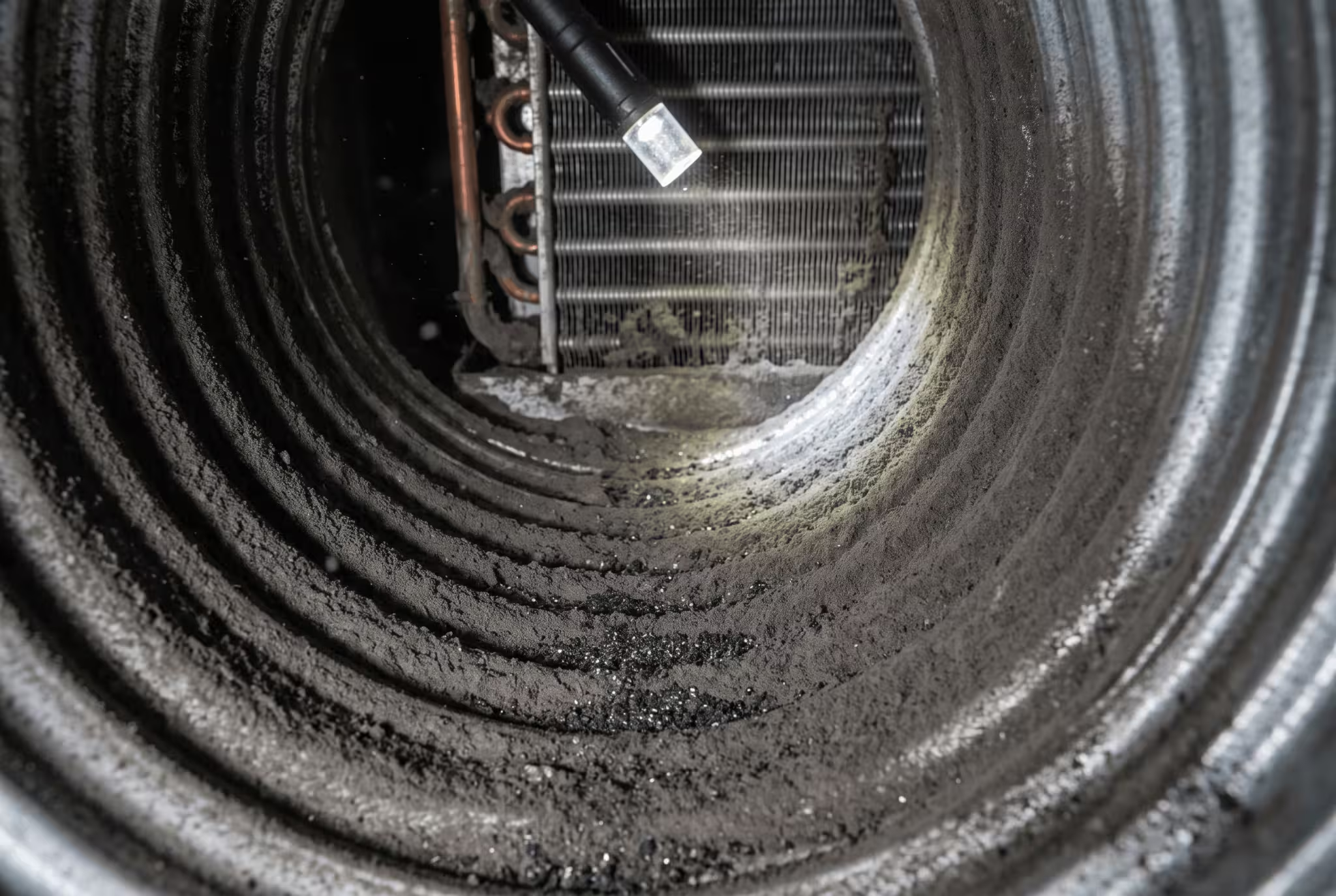
    Wildfire soot coating the inside of HVAC ductwork, illustrating why professional fire damage repair is essential.

    Duct Soot Contamination: How Soot Infiltrates Ductwork and Causes Odors

    One of the most frustrating realities of fire damage repair is the smoke odor that returns again and again, seemingly from nowhere. The explanation lies in the ductwork, where soot takes up residence and releases odor every time air moves through the system.

    An HVAC system is essentially the respiratory system of a house, and after a soot event it becomes a reservoir of contamination. Particles that were drawn in during and after the fire coat the interior of the ducts, settle on the blower and coils, and lodge in the filter and surrounding cavities. Each time the system cycles on, air rushes across these contaminated surfaces, picks up soot particles and the odor compounds bound to them, and carries that smell right back into the living space. The home smells like smoke not because the fire lingers, but because the system is recirculating its residue.

    This is why odor problems after a fire are so persistent and why they resist air fresheners and surface cleaning. The source is inside the mechanical system, continuously redistributing contamination. Genuine resolution requires treating the ductwork and the air itself, which is why our odor removal work for Denver-area homes targets the particles at their source rather than masking the smell.

    The Ductwork as a Contamination Reservoir

    Ductwork is the perfect trap for soot. Its long, branching runs offer enormous surface area, its interior is dark and undisturbed, and its airflow delivers particles to every corner of it. Once soot settles inside, it becomes a persistent reservoir—sheltered from any surface cleaning happening in the rooms outside. No amount of wiping down walls and furniture addresses what is coating the inside of the duct system, which is why professional fire damage repair treats the ducts as a primary target, not an afterthought.

    Why Odors Return After Surface Cleaning

    Homeowners often clean every visible surface after a fire, only to find the smoke smell returns within days. The reason is simple: the odor's source was never touched. As long as contaminated particles remain in the ductwork and on internal HVAC components, every heating or cooling cycle reintroduces them to the air. The smell isn't coming back—it never actually left. Addressing it permanently means removing the particles from the system, not repeatedly cleaning the rooms they keep settling in.

    The Fire Damage Repair Process for a Contaminated HVAC System

    Restoring an HVAC system after a soot event follows a careful sequence built around removing particles and neutralizing the acidic residue they leave behind. Skipping steps—or relying on surface cleaning alone—leaves contamination in place to keep corroding and off-gassing. This is the order we follow on a typical HVAC-focused fire damage repair:

    1. Assess and isolate the system — The extent of soot infiltration is evaluated, and the HVAC system is shut down and isolated so it stops circulating contamination during the work.
    2. Contain the affected areas — Work zones are contained so that soot disturbed during cleaning cannot spread to unaffected parts of the home.
    3. Remove and replace filtration — Saturated filters are removed and replaced, eliminating one of the most concentrated reservoirs of trapped soot.
    4. Clean ductwork and components — Ducts, coils, blowers, and heat-exchange surfaces are cleaned to remove settled particles from inside the system.
    5. Neutralize residue and purify the air — Acidic residues are neutralized to stop ongoing corrosion, and the air is scrubbed to capture particles freed during the process.

    Following this sequence ensures the contamination is actually removed from the system rather than redistributed, and that the corrosive residue is neutralized before it can cause lasting mechanical damage.
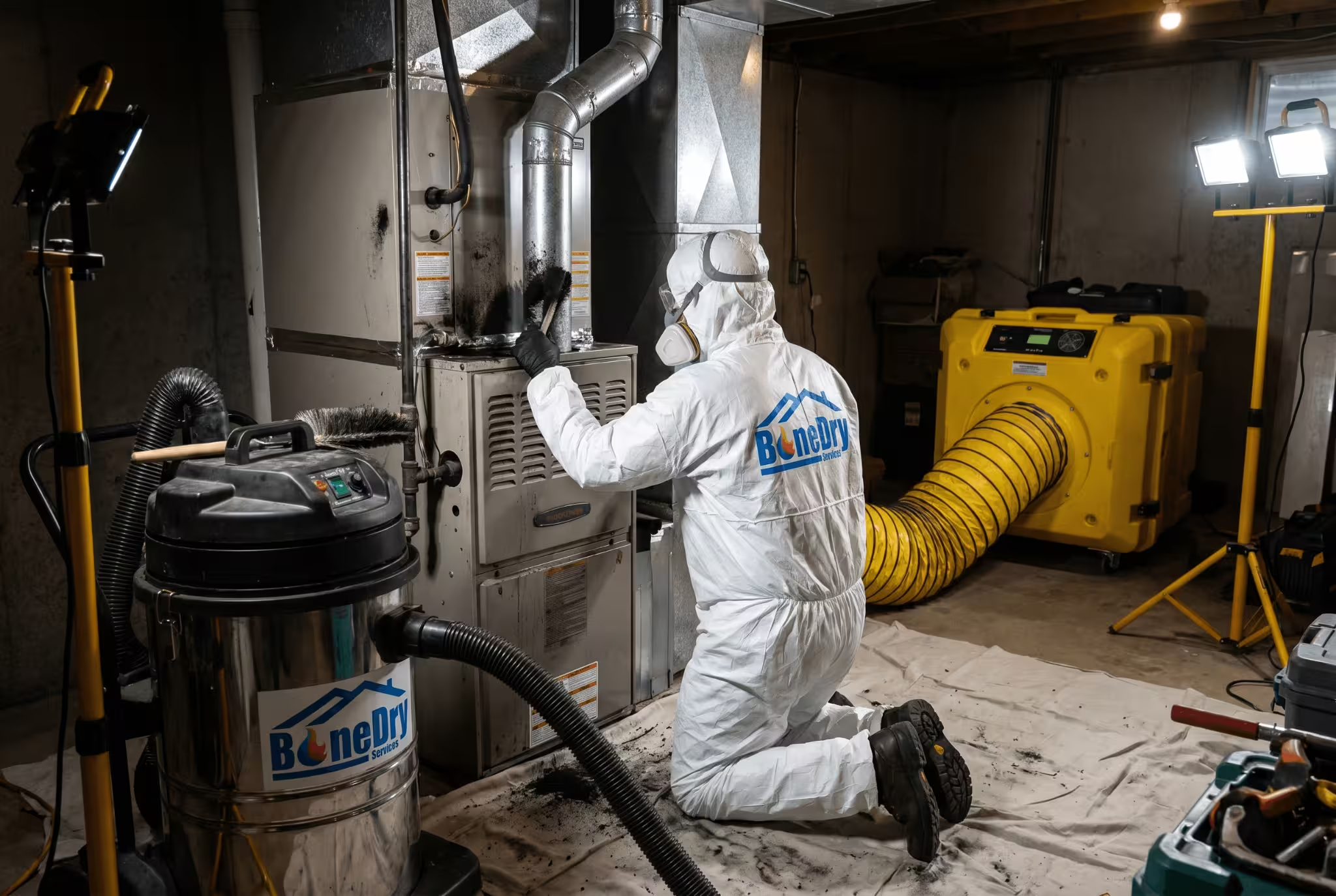
    A technician performing fire damage repair by cleaning soot from a contaminated HVAC system in a Colorado home.

    What Proper Fire Damage Repair Protects in Your Home

    Addressing soot contamination correctly does far more than clear a smell. Thorough fire damage repair protects the home's systems, air, and long-term value in ways a surface cleaning cannot. The benefits include:

    • Protected HVAC equipment — Neutralizing acidic soot stops the ongoing corrosion that pits coils, degrades wiring, and shortens the life of costly equipment.
    • Cleaner indoor air — Removing particles from the ductwork stops the system from recirculating soot and odor into the air the household breathes.
    • Permanent odor elimination — Treating the source inside the system resolves smoke odor for good instead of masking it temporarily.
    • Preserved property value — A fully remediated system and clean air protect the home's condition and its value, with documentation that supports an insurance claim.

    Because a wildfire event often affects far more than the mechanical system, a complete recovery addresses the whole property. When smoke and soot reach living spaces, contents, and structure, our contents restoration teams work alongside the HVAC remediation so the home is restored as a whole rather than one component at a time.

    📞 Call BoneDry Services at (303) 276-4163 today for professional Fire Damage Repair that removes wildfire soot and protects your HVAC system across the Denver area.

    Frequently Asked Questions

    What can damage the HVAC system?

    Wildfire soot is one of the most damaging contaminants an HVAC system can face. Its microscopic, acidic particles infiltrate ductwork and coat coils, blowers, and electrical components, where they corrode metal and degrade wiring over time. Beyond soot, common culprits include clogged filters that strain the blower, moisture that promotes mold inside ducts, and general dust buildup that reduces efficiency. After any fire or smoke event, the acidic residue is the most urgent threat, which is why professional fire damage repair in Colorado prioritizes neutralizing it before it corrodes the system further.

    What is the 20 rule for HVAC?

    The “20 rule” most often refers to the guideline that heating and cooling equipment should not be pushed to overcome more than about a 20-degree difference between indoor and outdoor temperatures at once, as straining beyond that reduces efficiency and stresses the system. Homeowners also encounter “20” in the context of filter and maintenance intervals. In the aftermath of a soot event, though, no rule of thumb replaces having a contaminated system professionally cleaned, since soot damage compounds regardless of how the system is run.

    What is a common contaminant in HVAC units?

    Dust is the most common everyday contaminant, but after a fire, soot becomes the most dangerous. Because soot particles are a fraction of a micron in size, they slip past standard filters and settle throughout the ductwork and on internal components. Other frequent contaminants include mold from trapped moisture, pollen, and general debris. What sets soot apart is its acidity and its ability to bind odor compounds, so it both corrodes the system and causes the recurring smoke smell — the exact problem fire damage repair for Denver-area homes is designed to resolve.

    Is HVAC a fire hazard?

    An HVAC system can pose a fire risk if it is poorly maintained—clogged filters, excessive dust buildup, and electrical faults can all contribute to overheating. After a wildfire or smoke event, a soot-contaminated system carries added concern because accumulated residue and strained components increase wear. Regular maintenance and prompt professional cleaning after any soot exposure reduce these risks. The safest approach following a fire is to have the system inspected and remediated before returning it to normal operation.

    What is the most common HVAC problem?

    Restricted airflow from dirty filters and clogged components is among the most common HVAC problems, and it becomes far worse after a soot event. When soot coats filters, coils, and ducts, airflow drops, efficiency falls, and the system works harder to move air—often while recirculating odor. Other frequent issues include mechanical wear and thermostat faults. Following a fire, the most pressing problem is soot contamination itself, because it simultaneously reduces performance, corrodes parts, and degrades indoor air quality until it is professionally removed.
    Recent Articles

    27 Jul 2026
    7 minutes

    HEPA Scrubbing in Colorado | The Physics of Eliminating Wildfire Smoke Odors

    Masking a smoke smell never lasts. Learn how HEPA scrubbing and carbon filtration molecularly remove wildfire odor—the science behind real fire damage repair.
     read more

    Fire Damage Repair Colorado: HEPA Scrubbing to Eliminate Smoke Odor

    A wildfire can be miles away and still leave its mark inside a Colorado home—a stubborn, acrid smoke smell that lingers for weeks after the sky clears. Homeowners try candles, sprays, and open windows, only to find the odor creeps back every time. Real fire damage repair in Colorado doesn’t mask that smell; it removes the microscopic particles causing it, and the science behind that removal comes down to air filtration and exchange.

    The difference between covering up a smoke odor and actually eliminating it is the difference between a fragrance and physics. Smoke odor is caused by real, physical particles and volatile compounds suspended in the air and embedded in surfaces. Until those particles are captured and removed, the smell will persist no matter how much air freshener is used. This is where HEPA scrubbing and carbon filtration do the work that no household product can.

    At BoneDry Services, we want homeowners to understand the science of odor removal so they know why professional equipment succeeds where consumer products fail. Understanding how air scrubbing captures particles—and how air exchange flushes a space—explains why molecular removal, not masking, is the foundation of genuine fire damage repair.

    Why Masking Smells Fails in Fire Damage Repair

    The most common mistake in post-fire fire damage repair is trying to cover an odor rather than eliminate its source. Air fresheners, scented candles, and ozone gimmicks promise a quick fix, but they fundamentally misunderstand what a smoke smell is.

    Smoke odor is not an abstract quality hanging in the air—it is caused by physical matter. When materials burn, they release microscopic soot particles and volatile organic compounds, and these settle onto surfaces and remain suspended in the air. The smell your nose detects is your body sensing these actual particles. A fragrance product does nothing to remove them; it simply adds another scent on top, and once that fragrance fades, the smoke smell is still there because its source never left the room.

    This is why masking is a losing battle. As long as the odor-causing particles remain in the air and embedded in porous materials, the smell returns the moment the cover-up dissipates. Genuine resolution requires physically capturing and removing those particles, which is exactly what professional odor removal is designed to accomplish—treating the cause instead of disguising the symptom.

    What Smoke Odor Actually Is

    At its core, a smoke smell is airborne and embedded particulate. Combustion produces a fine aerosol of carbon particles and a range of volatile compounds that off-gas from surfaces over time. These particles are small enough to penetrate soft furnishings, drywall, and ductwork, lodging in materials and slowly releasing odor back into the air. Because the smell is tied to physical matter rather than a lingering “vibe,” it can only be eliminated by removing that matter—a reality that shapes every step of effective fire damage repair.

    Why Consumer Products Fall Short

    Household odor products are built to add pleasant scents, not to capture microscopic particles or exchange the air in a room. A plug-in or spray masks perception for a few hours while doing nothing about the soot embedded in the carpet or the compounds off-gassing from the walls. Ozone machines marketed for smoke can create their own air-quality concerns and still fail to address particles trapped in materials. The result is temporary relief followed by the same persistent smell, because none of these tools remove the source.

    How HEPA & Carbon Filtration Power Fire Damage Repair in Colorado

    The heart of odor elimination in fire damage repair is a two-part filtration approach: HEPA filters to capture solid particles and activated carbon to trap the gaseous compounds. Together they address both halves of what makes smoke smell.

    A HEPA filter is engineered to capture the vast majority of extremely fine particles—down to the size of the soot suspended after a fire. As an air scrubber pulls contaminated air through the filter, those particles are trapped in its dense fibers and removed from circulation. But smoke odor isn't only particulate; it also includes volatile organic compounds that exist as gases and slip through a particle filter. That is where activated carbon comes in. Carbon is extraordinarily porous, and it adsorbs these gaseous molecules, holding them so they can't return to the air. Running air through both stages removes the particles and the gases responsible for the smell.

    This combination is what separates molecular odor removal from masking. The particles are physically captured, the odor-causing gases are chemically adsorbed, and the air leaving the machine is dramatically cleaner. It is the same rigor we bring to full fire damage restoration, where clean air is as important a deliverable as clean surfaces.

    How HEPA Filtration Captures Particles

    A HEPA filter works by forcing air through a dense mat of fine fibers that trap particles through a mix of interception, impaction, and diffusion. Particles as small as the soot from wildfire smoke are caught in this web and held, so they can't recirculate into the room. Inside an air scrubber, the filter continuously cleans the air being drawn through it, steadily lowering the concentration of airborne soot. This is the mechanism that removes the visible haze and the fine particulate carrying much of the smell.

    Why Activated Carbon Removes Odor Molecules

    Activated carbon addresses the part of smoke odor that a HEPA filter can't—the volatile compounds that exist as gas. Carbon is processed to have an immense internal surface area riddled with microscopic pores, and those pores adsorb gaseous molecules, binding them to the carbon. As air passes through a carbon stage, the odor-causing gases are captured and held rather than passing back into the room. Pairing carbon with HEPA filtration is what makes it possible to remove both the particulate and the molecular components of a smoke smell.

    The Fire Damage Repair Process for Eliminating Smoke Odor

    Removing wildfire smoke odor follows a deliberate sequence that combines air filtration with air exchange and surface treatment. Odor lives in the air, in porous materials, and in the ductwork, so each has to be addressed. This is the order we follow on a typical odor-focused fire damage repair:

    1. Assess the extent of contamination — We identify where smoke particles have settled—air, furnishings, surfaces, and the HVAC system—so nothing is missed.
    2. Deploy HEPA air scrubbing — Air scrubbers with HEPA and carbon filtration run continuously to capture airborne particles and adsorb odor gases.
    3. Establish air exchange — Controlled air movement and exchange flush contaminated air out and replace it with clean air, accelerating the drop in odor.
    4. Treat embedded surfaces — Porous materials and surfaces holding trapped particles are cleaned so they stop off-gassing odor back into the space.
    5. Address the HVAC system — The ductwork and components are cleaned so the system doesn't recirculate soot and reintroduce the smell.

    Following this sequence removes the odor at every source at once—air, materials, and mechanical system—so the smell is eliminated rather than temporarily suppressed.

    hepa-air-scrubber-fire-damage-repair-colorado.jpg
    HEPA air scrubber during fire damage repair to remove wildfire smoke odor in a Colorado home

    What Professional Fire Damage Repair Delivers for Your Air

    Molecular odor removal does more than make a home smell better—it restores the air itself. The benefits of professional fire damage repair for smoke odor include:

    • Permanent odor elimination — Capturing and removing the particles and gases resolves the smell for good rather than masking it temporarily.
    • Healthier indoor air — Removing fine soot particulate from the air reduces the irritants a household breathes after a smoke event.
    • Clean HVAC operation — Treating the ductwork stops the system from recirculating odor every time it runs.
    • Restored comfort and value — A genuinely odor-free home is comfortable to live in and protects property value, with documentation to support an insurance claim.

    Because wildfire smoke rarely affects the air alone, a complete recovery treats the whole home. When smoke has settled into belongings and soft goods, our contents restoration teams clean and deodorize affected items alongside the air scrubbing so the entire property is returned to a fresh, healthy condition.

    📞 Call BoneDry Services at (303) 276-4163 today for professional Fire Damage Repair that molecularly removes wildfire smoke odor from your Denver-area home.

    Frequently Asked Questions

    What neutralizes fire smoke smell?

    Fire smoke smell is neutralized by physically removing the particles and gases that cause it, not by covering them with fragrance. Professionals run HEPA filtration to capture the fine soot particulate and activated carbon to adsorb the volatile odor gases, while air exchange flushes contaminated air out of the space. Embedded surfaces and the HVAC system are cleaned so they stop releasing odor. This combination eliminates the source of the smell, which is why it succeeds where sprays and candles fail.

    Do air purifiers get rid of wildfire smoke?

    A quality air purifier with a true HEPA filter can capture much of the fine particulate in wildfire smoke, and models with activated carbon also help adsorb some odor gases, so they can meaningfully improve indoor air during a smoke event. However, a consumer purifier alone usually can't resolve odor that has already embedded in carpets, drywall, and ductwork after smoke enters a home. Full elimination typically requires professional-grade air scrubbing, air exchange, and cleaning of the surfaces and HVAC system holding the residue.

    How long does it take for the smell of fire smoke to go away?

    Left untreated, smoke odor can linger for weeks or even months, because the particles and compounds causing it remain embedded in materials and continue off-gassing. With professional treatment—HEPA and carbon air scrubbing, air exchange, surface cleaning, and HVAC decontamination—the timeline shortens dramatically, often to a matter of days depending on the severity and how far the smoke penetrated. The key variable is whether the source particles are actually removed; until they are, the smell persists.

    How toxic is smoke from a house fire?

    Smoke from a house fire can be hazardous because it contains fine soot particulate and a mix of volatile compounds produced by burning synthetic materials, plastics, and finishes. These particles are small enough to be inhaled deeply and can irritate the respiratory system, and the residue they leave behind is acidic. This is why airing out a home is not enough after a fire and why professional remediation focuses on removing the particulate from the air, surfaces, and HVAC system rather than simply masking the smell.

    How to get rid of fireplace smoke smell in house fast?

    For a fast, lasting result, the smoke smell has to be removed at its source rather than covered up. The most effective approach is professional air scrubbing with HEPA and activated-carbon filtration to pull particles and odor gases from the air, combined with air exchange to flush the space and cleaning of any surfaces and ductwork holding residue. While ventilating the room and replacing HVAC filters can help temporarily, genuinely eliminating the smell quickly relies on capturing and removing the particulate causing it.

    27 Jul 2026
    5 minutes

    Wildfire Soot Chemistry in Colorado | Why Microscopic Particles Destroy HVAC Systems

    Soot is acidic and microscopic—infiltrating ductwork and corroding your HVAC system. Learn why professional fire damage repair protects your home and air.
     read more

    Wildfire Soot & HVAC: Why Fire Damage Repair Is Complex

    When wildfire smoke settles over a Colorado home, effective fire damage repair has to start well before the visible haze clears — because the microscopic soot left behind is only the beginning of the problem. Long after the air clears, microscopic soot particles remain behind—drawn into ductwork, coating coils, and quietly corroding the mechanical heart of the house. Effective fire damage repair has to account for this hidden chemistry, because what soot does to an HVAC system is far more destructive than a layer of gray dust suggests.

    Soot is not simply dirt. It is a chemically active residue, and when it infiltrates a heating and cooling system it sets off a slow process of etching, clogging, and odor generation that a surface wipe-down can never resolve. Homeowners who assume the danger passed with the smoke often discover months later that their system is failing, their air smells of smoke every time the furnace runs, and the damage has compounded.

    At BoneDry Services, we want Colorado homeowners to understand why wildfire soot is so uniquely damaging to HVAC systems and why proper remediation matters. Understanding the chemistry of these particles—how small they are, how they behave, and why they cling—explains why professional fire damage repair is the only reliable way to protect both the equipment and the air a household breathes.

    Why Soot Chemistry Makes Fire Damage Repair So Complex

    The reason wildfire soot demands specialized fire damage repair comes down to what it actually is at a molecular level. Combustion doesn't just produce ash; it produces a complex mixture of carbon particles, unburned hydrocarbons, acids, and volatile compounds, all suspended in smoke and carried wherever the air travels.

    These particles are extraordinarily small—often a fraction of a micron across, far smaller than the dust an ordinary filter is designed to catch. That size is precisely what makes them so invasive. They slip through gaps, ride air currents deep into a system, and settle into places no rag or vacuum can reach. And because many of the compounds in soot are acidic and reactive, they don't sit inertly on a surface the way household dust does; they interact with the metal, plastic, and electronic components they land on.

    This combination of tiny size and chemical reactivity is why treating a soot event like ordinary cleaning fails. The residue has already penetrated the system and begun reacting with its components. Restoring it requires the same disciplined approach we bring to fire damage restoration throughout a property—addressing the contamination at its source rather than wiping away the parts you can see.

    The Microscopic Scale of Soot Particles

    Household dust is visible and relatively heavy, which is why it settles on surfaces and can be wiped away. Soot particles are a different category entirely. Measured in fractions of a micron, they behave almost like a gas, staying airborne for extended periods and infiltrating the smallest openings in a home and its mechanical systems. When your HVAC system pulls air through its return, it draws these particles in by the billions, distributing them through every run of ductwork and depositing them on every internal surface along the way.

    Why Acidic Residue Attacks Components

    The most damaging property of wildfire soot is its acidity. As the residue settles on metal coils, electrical contacts, and heat-exchange surfaces, its reactive compounds begin to corrode them. This is not a cosmetic issue—it is active chemical degradation of the components that make the system function. Left in place, acidic soot pits metal, degrades wiring insulation, and shortens the life of expensive equipment, which is why prompt neutralization is a central goal of professional fire damage repair.

    Wildfire soot coating the inside of HVAC ductwork, illustrating why professional fire damage repair is essential.

    Duct Soot Contamination: How Soot Infiltrates Ductwork and Causes Odors

    One of the most frustrating realities of fire damage repair is the smoke odor that returns again and again, seemingly from nowhere. The explanation lies in the ductwork, where soot takes up residence and releases odor every time air moves through the system.

    An HVAC system is essentially the respiratory system of a house, and after a soot event it becomes a reservoir of contamination. Particles that were drawn in during and after the fire coat the interior of the ducts, settle on the blower and coils, and lodge in the filter and surrounding cavities. Each time the system cycles on, air rushes across these contaminated surfaces, picks up soot particles and the odor compounds bound to them, and carries that smell right back into the living space. The home smells like smoke not because the fire lingers, but because the system is recirculating its residue.

    This is why odor problems after a fire are so persistent and why they resist air fresheners and surface cleaning. The source is inside the mechanical system, continuously redistributing contamination. Genuine resolution requires treating the ductwork and the air itself, which is why our odor removal work for Denver-area homes targets the particles at their source rather than masking the smell.

    The Ductwork as a Contamination Reservoir

    Ductwork is the perfect trap for soot. Its long, branching runs offer enormous surface area, its interior is dark and undisturbed, and its airflow delivers particles to every corner of it. Once soot settles inside, it becomes a persistent reservoir—sheltered from any surface cleaning happening in the rooms outside. No amount of wiping down walls and furniture addresses what is coating the inside of the duct system, which is why professional fire damage repair treats the ducts as a primary target, not an afterthought.

    Why Odors Return After Surface Cleaning

    Homeowners often clean every visible surface after a fire, only to find the smoke smell returns within days. The reason is simple: the odor's source was never touched. As long as contaminated particles remain in the ductwork and on internal HVAC components, every heating or cooling cycle reintroduces them to the air. The smell isn't coming back—it never actually left. Addressing it permanently means removing the particles from the system, not repeatedly cleaning the rooms they keep settling in.

    The Fire Damage Repair Process for a Contaminated HVAC System

    Restoring an HVAC system after a soot event follows a careful sequence built around removing particles and neutralizing the acidic residue they leave behind. Skipping steps—or relying on surface cleaning alone—leaves contamination in place to keep corroding and off-gassing. This is the order we follow on a typical HVAC-focused fire damage repair:

    1. Assess and isolate the system — The extent of soot infiltration is evaluated, and the HVAC system is shut down and isolated so it stops circulating contamination during the work.
    2. Contain the affected areas — Work zones are contained so that soot disturbed during cleaning cannot spread to unaffected parts of the home.
    3. Remove and replace filtration — Saturated filters are removed and replaced, eliminating one of the most concentrated reservoirs of trapped soot.
    4. Clean ductwork and components — Ducts, coils, blowers, and heat-exchange surfaces are cleaned to remove settled particles from inside the system.
    5. Neutralize residue and purify the air — Acidic residues are neutralized to stop ongoing corrosion, and the air is scrubbed to capture particles freed during the process.

    Following this sequence ensures the contamination is actually removed from the system rather than redistributed, and that the corrosive residue is neutralized before it can cause lasting mechanical damage.

    A technician performing fire damage repair by cleaning soot from a contaminated HVAC system in a Colorado home.

    What Proper Fire Damage Repair Protects in Your Home

    Addressing soot contamination correctly does far more than clear a smell. Thorough fire damage repair protects the home's systems, air, and long-term value in ways a surface cleaning cannot. The benefits include:

    • Protected HVAC equipment — Neutralizing acidic soot stops the ongoing corrosion that pits coils, degrades wiring, and shortens the life of costly equipment.
    • Cleaner indoor air — Removing particles from the ductwork stops the system from recirculating soot and odor into the air the household breathes.
    • Permanent odor elimination — Treating the source inside the system resolves smoke odor for good instead of masking it temporarily.
    • Preserved property value — A fully remediated system and clean air protect the home's condition and its value, with documentation that supports an insurance claim.

    Because a wildfire event often affects far more than the mechanical system, a complete recovery addresses the whole property. When smoke and soot reach living spaces, contents, and structure, our contents restoration teams work alongside the HVAC remediation so the home is restored as a whole rather than one component at a time.

    📞 Call BoneDry Services at (303) 276-4163 today for professional Fire Damage Repair that removes wildfire soot and protects your HVAC system across the Denver area.

    Frequently Asked Questions

    What can damage the HVAC system?

    Wildfire soot is one of the most damaging contaminants an HVAC system can face. Its microscopic, acidic particles infiltrate ductwork and coat coils, blowers, and electrical components, where they corrode metal and degrade wiring over time. Beyond soot, common culprits include clogged filters that strain the blower, moisture that promotes mold inside ducts, and general dust buildup that reduces efficiency. After any fire or smoke event, the acidic residue is the most urgent threat, which is why professional fire damage repair in Colorado prioritizes neutralizing it before it corrodes the system further.

    What is the 20 rule for HVAC?

    The “20 rule” most often refers to the guideline that heating and cooling equipment should not be pushed to overcome more than about a 20-degree difference between indoor and outdoor temperatures at once, as straining beyond that reduces efficiency and stresses the system. Homeowners also encounter “20” in the context of filter and maintenance intervals. In the aftermath of a soot event, though, no rule of thumb replaces having a contaminated system professionally cleaned, since soot damage compounds regardless of how the system is run.

    What is a common contaminant in HVAC units?

    Dust is the most common everyday contaminant, but after a fire, soot becomes the most dangerous. Because soot particles are a fraction of a micron in size, they slip past standard filters and settle throughout the ductwork and on internal components. Other frequent contaminants include mold from trapped moisture, pollen, and general debris. What sets soot apart is its acidity and its ability to bind odor compounds, so it both corrodes the system and causes the recurring smoke smell — the exact problem fire damage repair for Denver-area homes is designed to resolve.

    Is HVAC a fire hazard?

    An HVAC system can pose a fire risk if it is poorly maintained—clogged filters, excessive dust buildup, and electrical faults can all contribute to overheating. After a wildfire or smoke event, a soot-contaminated system carries added concern because accumulated residue and strained components increase wear. Regular maintenance and prompt professional cleaning after any soot exposure reduce these risks. The safest approach following a fire is to have the system inspected and remediated before returning it to normal operation.

    What is the most common HVAC problem?

    Restricted airflow from dirty filters and clogged components is among the most common HVAC problems, and it becomes far worse after a soot event. When soot coats filters, coils, and ducts, airflow drops, efficiency falls, and the system works harder to move air—often while recirculating odor. Other frequent issues include mechanical wear and thermostat faults. Following a fire, the most pressing problem is soot contamination itself, because it simultaneously reduces performance, corrodes parts, and degrades indoor air quality until it is professionally removed.
    16 Jul 2026
    10 mins read

    Burst or Broken Pipes

    Burst pipes from freezing, corrosion, or poor installation can flood homes fast. Immediate extraction and drying prevent mold and rot.
     read more

    A burst or broken pipe can turn into a homeowner’s worst nightmare within minutes. From soaked carpets and damaged walls to potential mold growth, the aftermath can be overwhelming and costly if not handled quickly. Whether caused by freezing temperatures, aging plumbing, or unexpected pressure buildup, pipe failures require immediate attention. Understanding the causes, warning signs, and proper steps to take can help you protect your home and minimize damage before it spreads.

    Burst or Broken Pipes: What Causes Them and How to Protect Your Home

    Few things can cause more sudden damage to your home than a burst or broken pipe. In just minutes, hundreds of gallons of water can flood your property, damaging walls, floors, and furniture. Understanding why pipes burst—and how to respond when they do—can save you from expensive repairs and long-term damage.

    Common Causes of Burst or Broken Pipes

    Several factors can contribute to a pipe bursting or cracking. Some of the most common causes include:

    • Freezing Temperatures – Water expands when it freezes, building pressure inside pipes until they break.
    • Aging or Corroded Pipes – Older plumbing systems can weaken over time, making them more prone to leaks and bursts.
    • High Water Pressure – Excessive water pressure can strain pipes and fittings beyond their capacity.
    • Ground Shifting – Soil movement or nearby construction can put stress on underground pipes.
    • Clogs or Blockages – Pressure buildup behind a clog can cause a pipe to burst.

    Signs You Might Have a Broken Pipe

    Sometimes, the signs of a pipe problem are obvious—but in other cases, they’re subtle and easy to miss. Watch out for these warning signs:

    • Sudden drop in water pressure
    • Unusual noises when running water
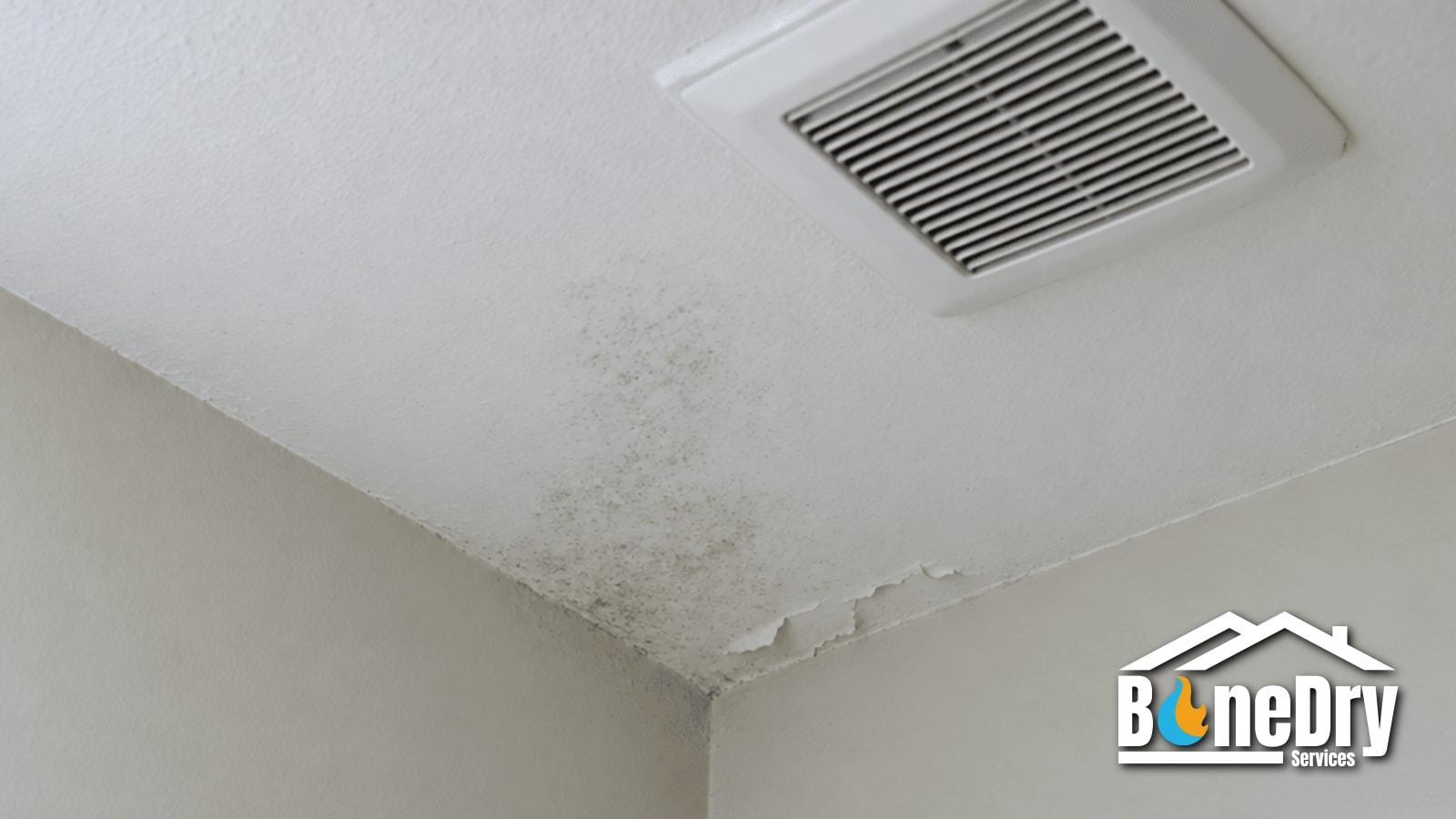
    • Damp walls, ceilings, or floors
    • Unexplained increase in your water bill
    • Musty odors or visible mold growth

    If you notice any of these symptoms, don’t wait—addressing the issue early can prevent widespread water damage.

    How Burst Pipes Can Damage Your Home

    Even a small leak can cause serious problems if not repaired quickly. Common damage includes:

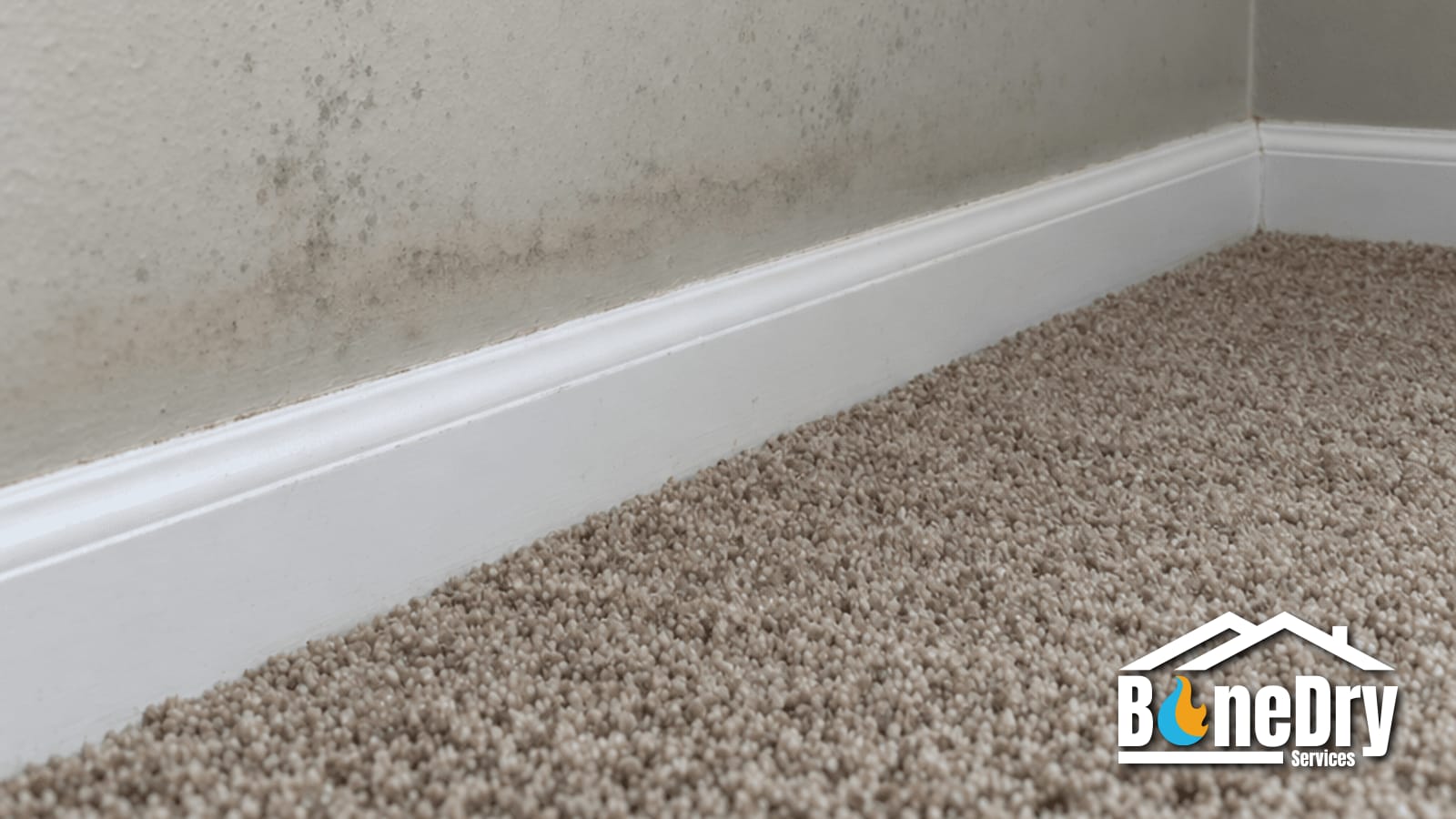
    • Warped floors and baseboards
    • Discolored walls and ceilings
    • Mold and mildew growth
    • Electrical hazards from water intrusion
    • Structural weakening of walls and framing

    The longer water sits, the more extensive (and costly) the repairs can become.

    Why Professional Water Damage Restoration Is Essential

    After a burst or broken pipe, simply drying the area isn’t enough. Hidden moisture can remain trapped inside walls, flooring, and insulation—leading to mold and long-term structural issues.

    At Bone Dry Services, our certified technicians use advanced moisture detection tools and drying equipment to ensure your home is completely dry and safe. We handle:

    • Emergency water extraction
    • Structural drying
    • Mold prevention and remediation
    • Complete property restoration

    Our team is available 24/7 to respond quickly and minimize damage from burst pipes.

    Tips to Prevent Pipes from Bursting

    While not all pipe failures can be avoided, these maintenance tips can significantly reduce your risk:

    • Insulate exposed pipes during cold weather.
    • Keep faucets dripping slightly during freezing temperatures.
    • Check for leaks and corrosion regularly.
    • Maintain consistent indoor temperatures.
    • Install a water pressure regulator if needed.

    Regular inspections and maintenance go a long way in keeping your plumbing system reliable and safe.

    14 Jul 2026
    10 mins read

    Appliance Malfunctions

    Appliances like water heaters, washers, and fridges can leak or clog, causing floor damage and mold. We restore affected areas quickly.
     read more

    Home appliances make life easier—until they malfunction. When an appliance breaks down, it can cause much more than inconvenience. Leaks, electrical issues, and hidden water damage are common side effects that can lead to expensive repairs if not handled quickly. Here’s what every homeowner should know about appliance malfunctions and how to respond effectively.

    Common Appliances That Cause Water or Fire Damage

    Many household appliances use water or electricity, which means when they fail, the results can be serious. The most common culprits include:

    • Washing Machines – Loose hoses or worn seals can cause major leaks.
    • Dishwashers – Clogged drains and cracked water lines often lead to flooding under cabinets.
    • Refrigerators – Ice maker or defrost line leaks can create hidden water damage behind the unit.
    • Water Heaters – Tank corrosion or pressure valve failures can release gallons of water within minutes.
    • HVAC Systems – Clogged condensate lines or overflow pans can create slow leaks that go unnoticed.

    Signs Your Appliance May Be Malfunctioning

    Early detection is key to preventing damage. Watch for these red flags:

    • Strange noises or burning smells
    • Pools of water near appliances
    • Fluctuating temperatures (especially in refrigerators or dryers)
    • Tripped circuit breakers or flickering lights
    • Increased water or electric bills

    The Hidden Risks of Ignoring Appliance Malfunctions

    Ignoring a malfunction might seem harmless at first, but it can lead to bigger problems, such as:

    • Water Damage – Leaks can soak flooring, drywall, and cabinetry.
    • Mold Growth – Moisture trapped behind appliances creates a breeding ground for mold.
    • Electrical Fires – Faulty wiring or short circuits can spark fires.
    • Structural Damage – Prolonged water exposure can weaken subfloors and framing.

    What to Do When an Appliance Fails

    If an appliance malfunctions, act fast:

    1. Turn off the power or water supply to prevent further damage.
    2. Unplug the appliance if safe to do so.
    3. Clean up standing water and ventilate the area.
    4. Document the damage for insurance purposes.
    5. Call a professional restoration team—like Bone Dry Services—to inspect and restore the affected area.

    How Bone Dry Services Can Help

    At Bone Dry Services, we specialize in water damage restoration, mold remediation, and structural drying caused by appliance malfunctions. Our certified technicians use advanced equipment to detect hidden moisture, repair damage, and restore your property to pre-loss condition—fast and effectively.

    Whether it’s a burst washing machine hose or a leaking dishwasher, we’re available 24/7 for emergency response across Denver and the greater Colorado area.

    Preventing Future Appliance Failures

    Prevention is always better than restoration. Here are a few maintenance tips:

    • Inspect hoses and connections every six months.
    • Clean lint filters and vents regularly.
    • Keep appliances level to reduce strain on seals.
    • Replace old or brittle water supply lines.
    • Schedule professional maintenance for large systems like HVAC and water heaters.

    Contact Us

    Get Immediate Help

    We’re available 24/7. Our team responds quickly and handles everything with care and discretion.
    orange user icon
    orange envelope icon
    orange phone vector
    orange 24/7 icon
    orange envelope icon
    Thank you! Your submission has been received!
    Oops! Something went wrong while submitting the form.

    Contents Restoration

    24/7 Water Damage Restoration

    Mold Removal & Remediation

    Fire Damage Restoration

    Biohazard Cleanup

    Storm Damage Restoration

    Sewage Cleanup

    Emergency Board-Up

    Structural Drying Services & Dehumidification

    Asbestos Abatement

    Lead Paint Removal

    Odor Removal