


Sewage Cleanup: When Denver Municipal Lines Fail in Storms
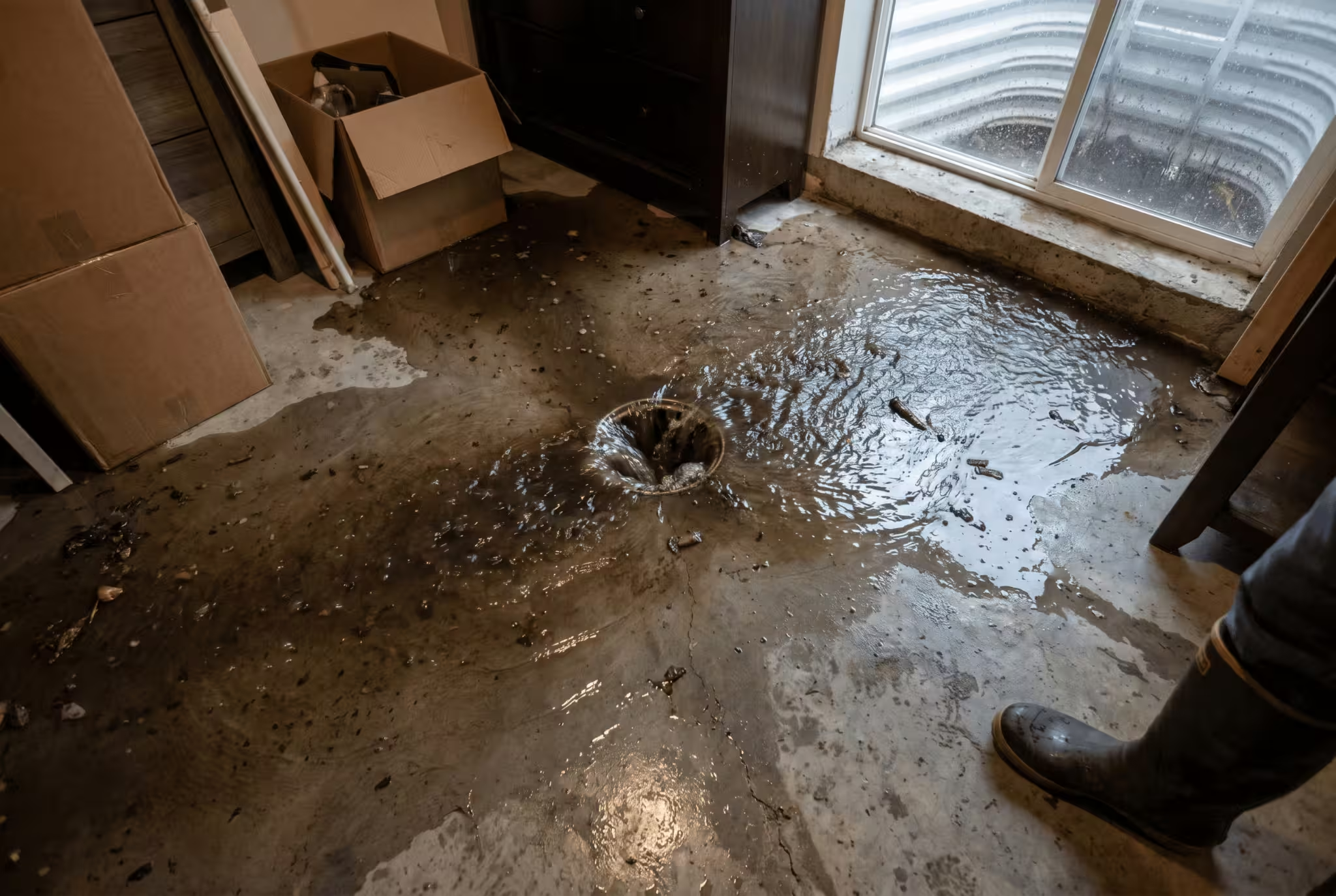
Denver's July monsoon storms can drop an enormous volume of water in a very short time, and when they do, the city's sewer system can be pushed past its limits. When that happens, wastewater has nowhere to go but backward—up through floor drains, toilets, and basement fixtures into the home.
The need for fast, professional sewage cleanup after one of these events is not a matter of convenience; it is a health and safety necessity. Sewage backup carries bacteria, viruses, and contaminants that make a flooded basement far more hazardous than a clean-water leak, and the cleanup demands specialized handling.
At BoneDry Services, we want Denver homeowners to understand why these backups happen during heavy storms and how the right preparation can reduce the risk. Understanding the physics of a municipal sewer surge—and the role of backflow prevention—helps explain why some homes flood while others stay dry, and why proper cleanup matters so much when they don't.
Why Storm Surges Trigger the Need for Sewage Cleanup
A municipal sewer system is designed to carry a predictable daily flow. During an intense Denver monsoon, however, stormwater can overwhelm that capacity in minutes—especially in older urban areas where storm drainage and sanitary sewer lines are interconnected or sized for a different era. When the volume entering the system exceeds what the pipes can carry away, pressure builds, and that pressure has to go somewhere. Often, it travels back up the lateral lines that connect homes to the main, creating the conditions that make sewage cleanup necessary.
The result is a backup that pushes contaminated water into the lowest points of a house first—basement floor drains, ground-floor toilets, and laundry connections. Because this water originates in the municipal system, it is classified as highly contaminated, and that classification changes everything about how the cleanup must be handled. This is not water you can simply mop up and dry; it requires containment, disinfection, and the safe removal of affected materials.
How a Municipal Sewer Surge Works
During a heavy storm, the sewer main can fill faster than it drains. As it pressurizes, the path of least resistance is back up the smaller lines branching off it—including the lateral running to your home. Water follows that pressure gradient, rising through the lowest open fixtures. This is why basements bear the brunt of a surge: they sit below the level of the street main, so they are the first place backflowing wastewater reaches when the system is overwhelmed.
Why Denver's July Monsoons Are High-Risk
Colorado's monsoon season concentrates intense rainfall into short, powerful bursts, and Denver's mix of older neighborhoods and rapid runoff from hard urban surfaces makes the system especially vulnerable. A storm that dumps an inch of rain in under an hour leaves little time for the system to keep pace. These conditions are precisely when sewer surges occur, and why sewage cleanup demand spikes in the weeks following the heaviest summer storms.
Backflow Prevention: The Key to Reducing Sewage Cleanup Risk
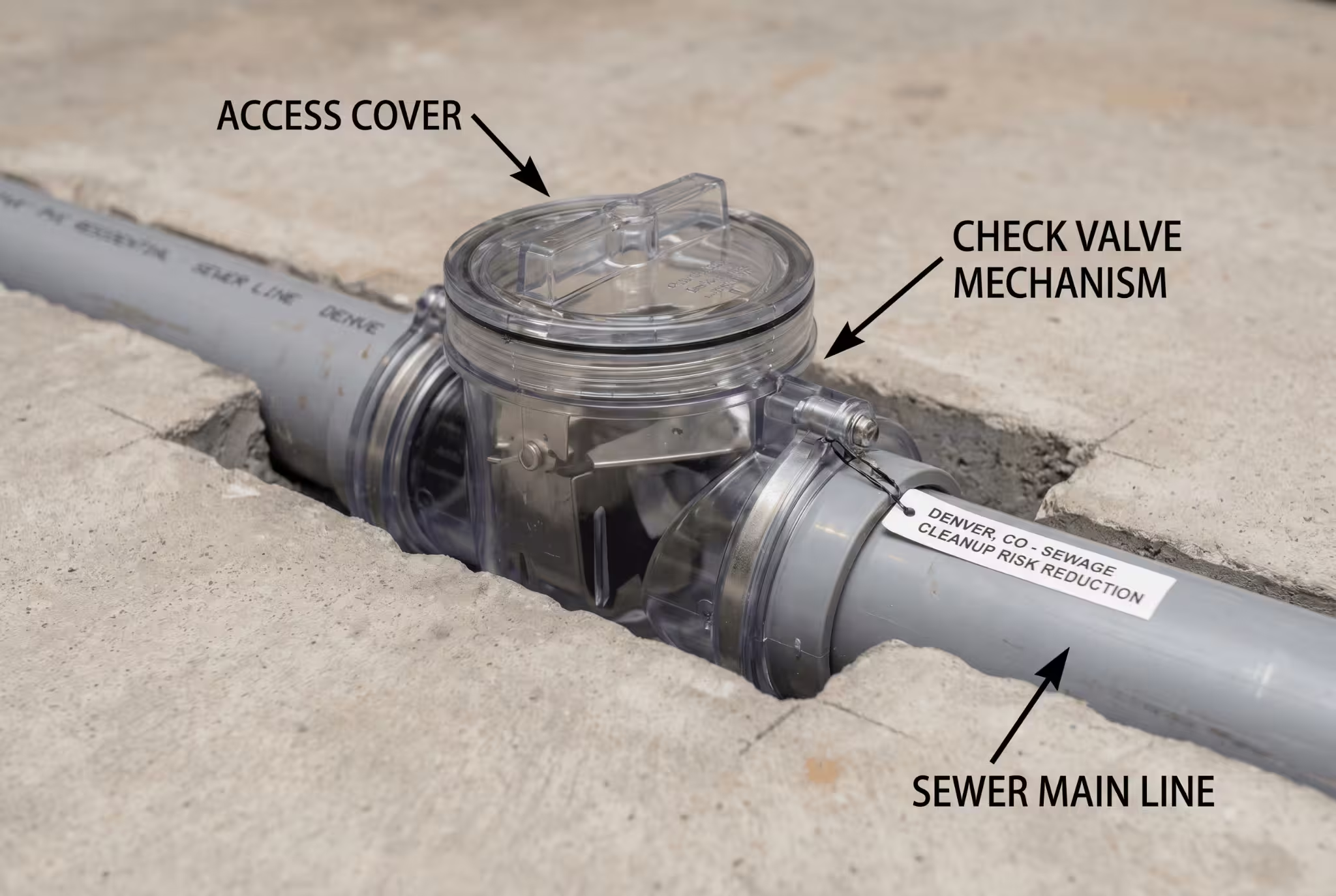
If a sewer surge pushes water backward, the logical defense is a device that only lets water flow one way. That is exactly what a backwater valve—also called a backflow prevention valve—does. Installed on the home's main sewer line, it allows wastewater to flow out toward the municipal main but automatically closes when flow reverses, blocking the surge from entering the home. For Denver homeowners in surge-prone areas, it is one of the most effective ways to avoid the need for emergency sewage cleanup.
No single device is a guarantee, and valves require correct installation and periodic maintenance to work when it matters. But combined with smart fixture placement and an awareness of a home's vulnerability, backflow prevention dramatically lowers the odds of a contaminated backup. When a backup does occur despite precautions, our sewage cleanup teams respond quickly to contain and decontaminate the affected area before the contamination spreads.
How a Backwater Valve Works
A backwater valve contains a flap or gate that hangs open during normal flow, letting wastewater leave the home freely. When water tries to flow back toward the house—as it does during a surge—the reversing flow pushes the flap shut, sealing the line. Once normal conditions return, the flap reopens. It is a simple mechanical principle, but it is highly effective at stopping the exact backflow that causes the most damaging basement sewage events.
Maintenance Keeps Prevention Working
A backwater valve is only as reliable as its upkeep. Debris, grease, or sediment can prevent the flap from sealing fully, and a valve that cannot close completely offers little protection during a surge. Periodic inspection and cleaning keep the mechanism free to move and seat properly. Homeowners who treat backflow prevention as a one-time installation rather than an ongoing safeguard may find it fails at the worst possible moment, when a storm surge arrives.
The Sewage Cleanup Process After a Storm Backup
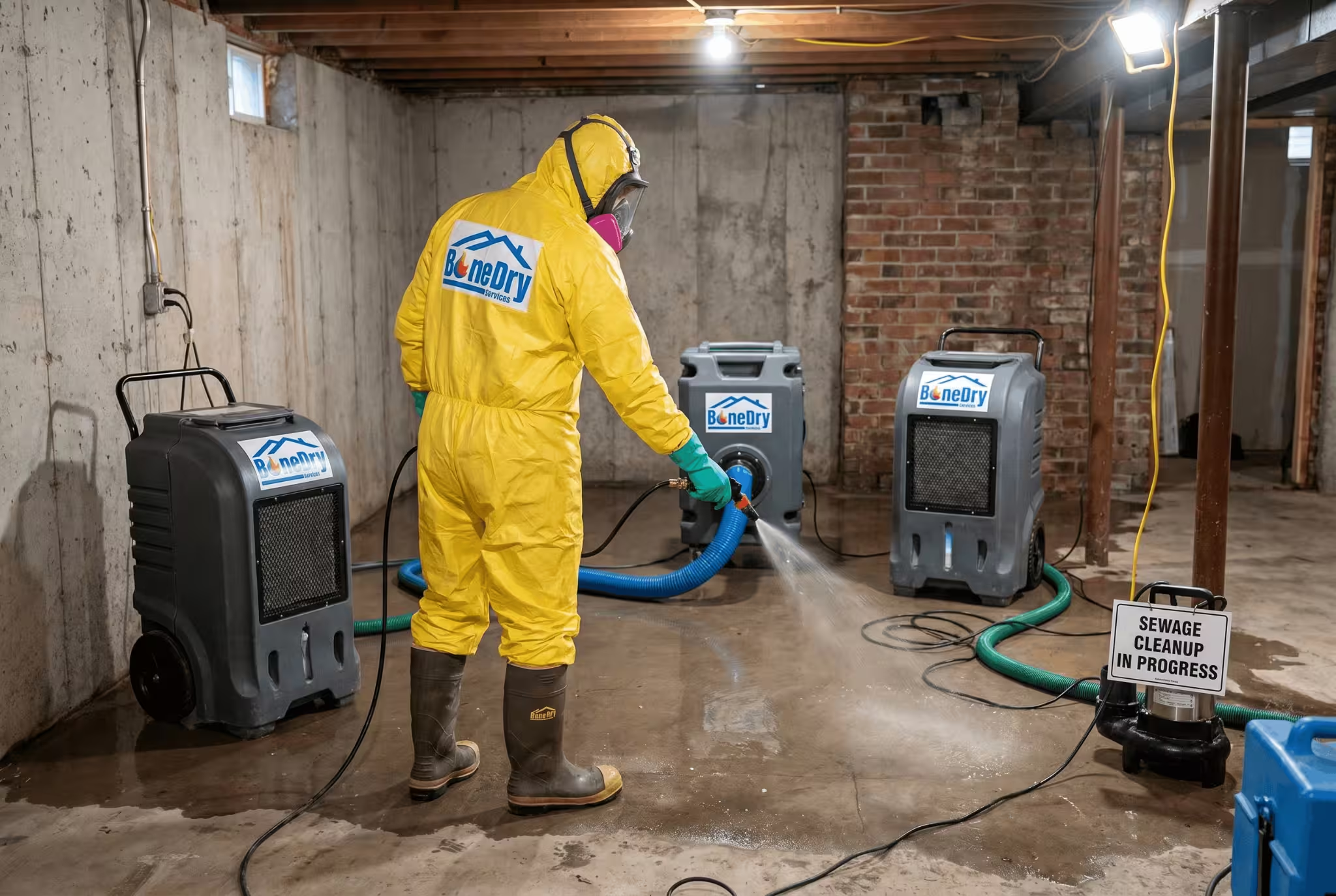
Sewage backup is a biohazard, and the cleanup follows a careful sequence built around safety and decontamination. Rushing or skipping steps risks both health and lasting damage to the home. This is the order we follow on a typical storm-related sewage cleanup:
- Ensure safety and stop the source — The area is secured, power risks are managed, and the backup source is identified before any cleanup begins.
- Extract contaminated water — Standing wastewater is removed quickly with specialized equipment to limit how far the contamination spreads.
- Remove unsalvageable materials — Porous materials soaked by sewage, such as carpet and affected drywall, are safely bagged and disposed of.
- Clean and disinfect — All affected surfaces are cleaned and treated with disinfectants to eliminate bacteria and other contaminants.
- Dry, deodorize, and verify — The space is fully dried, odors are neutralized, and the area is checked to confirm it is safe before restoration.
Following this sequence ensures the contamination is fully removed rather than just hidden, and that the basement is genuinely safe to use again, not merely dried out.
Why Professional Sewage Cleanup Matters
Sewage backup is fundamentally different from a clean-water leak, and treating it like one is dangerous. The reasons professional sewage cleanup is essential come down to health, thoroughness, and protecting the home:
- Serious health hazards — Sewage carries bacteria, viruses, and other pathogens that require proper protective equipment and disinfection to handle safely.
- Hidden contamination — Wastewater wicks into subfloors, wall cavities, and porous materials, where it must be found and addressed, not just surface-cleaned.
- Proper material disposal — Items soaked by sewage often cannot be salvaged and must be removed and disposed of correctly to prevent lingering contamination.
- Odor and mold prevention — Thorough drying and disinfection stop the persistent odors and secondary mold growth that follow an unaddressed backup.
Storm-driven backups rarely arrive alone—they often come with broader flooding from the same event. When a monsoon causes damage beyond the sewer line, our storm damage restoration teams address the full scope so the home is restored completely rather than one problem at a time.
Act Fast When Sewage Backs Up
A sewer backup during a Denver monsoon is both a health hazard and a fast-moving threat to your home. The sooner contaminated water is contained, extracted, and disinfected, the less damage it causes and the safer your household stays. As Colorado's largest privately owned, family-operated restoration company, BoneDry Services brings the equipment, training, and rapid response that safe sewage decontamination requires.
📞 Call BoneDry Services at (303) 276-4163 today for fast, professional Sewage Cleanup after a storm-related sewer backup in the Denver area.
FAQ
Why does sewage back up into my basement during storms?
During a heavy storm, the municipal sewer system can fill faster than it drains, building pressure that forces wastewater backward up the line to your home. Because basements sit below street level, they are the first place this backflow reaches, rising through floor drains and low fixtures. Older urban areas where storm and sanitary lines interconnect are especially prone to this. It is the volume and pressure of the surge, not anything you did, that causes the backup.
Is sewage backup water dangerous to clean up myself?
Yes. Sewage backup is classified as highly contaminated and carries bacteria, viruses, and other pathogens that pose real health risks. Cleaning it without proper protective equipment and disinfection can expose you to illness and spread contamination further into the home. Wastewater also soaks into porous materials and hidden cavities that surface cleaning misses. Professional sewage cleanup uses the right protection, extraction, and decontamination to handle it safely and thoroughly.
What is a backwater valve and do I need one?
A backwater valve is a device installed on your main sewer line that lets wastewater flow out but automatically closes when flow reverses, blocking a surge from entering the home. For Denver homeowners in surge-prone or low-lying areas, it is one of the most effective ways to reduce backup risk. It requires correct installation and periodic maintenance to work reliably. Whether you need one depends on your home's location and history, which a professional can help assess.
Can sewage-soaked carpet and drywall be saved?
Usually not. Porous materials like carpet, padding, and drywall that have absorbed sewage are difficult to fully decontaminate and are typically removed and disposed of safely. Attempting to keep them risks lingering bacteria, odors, and mold growth. Non-porous surfaces and structural elements can often be cleaned, disinfected, and dried instead. A professional assessment determines what can be salvaged and what must go to ensure the space is genuinely safe.
How quickly should I respond to a sewage backup?
As fast as possible. Contaminated water spreads and soaks deeper into materials every hour it sits, increasing both the health hazard and the cost of restoration. Standing sewage also drives up the risk of secondary mold growth and persistent odors. Prompt extraction and disinfection limit the damage and make the space safe again much sooner. Calling for professional sewage cleanup right away is the best way to protect your home and household.