


Stone Water Damage Restoration in Colorado: Flood Silt Removal on Natural Stone
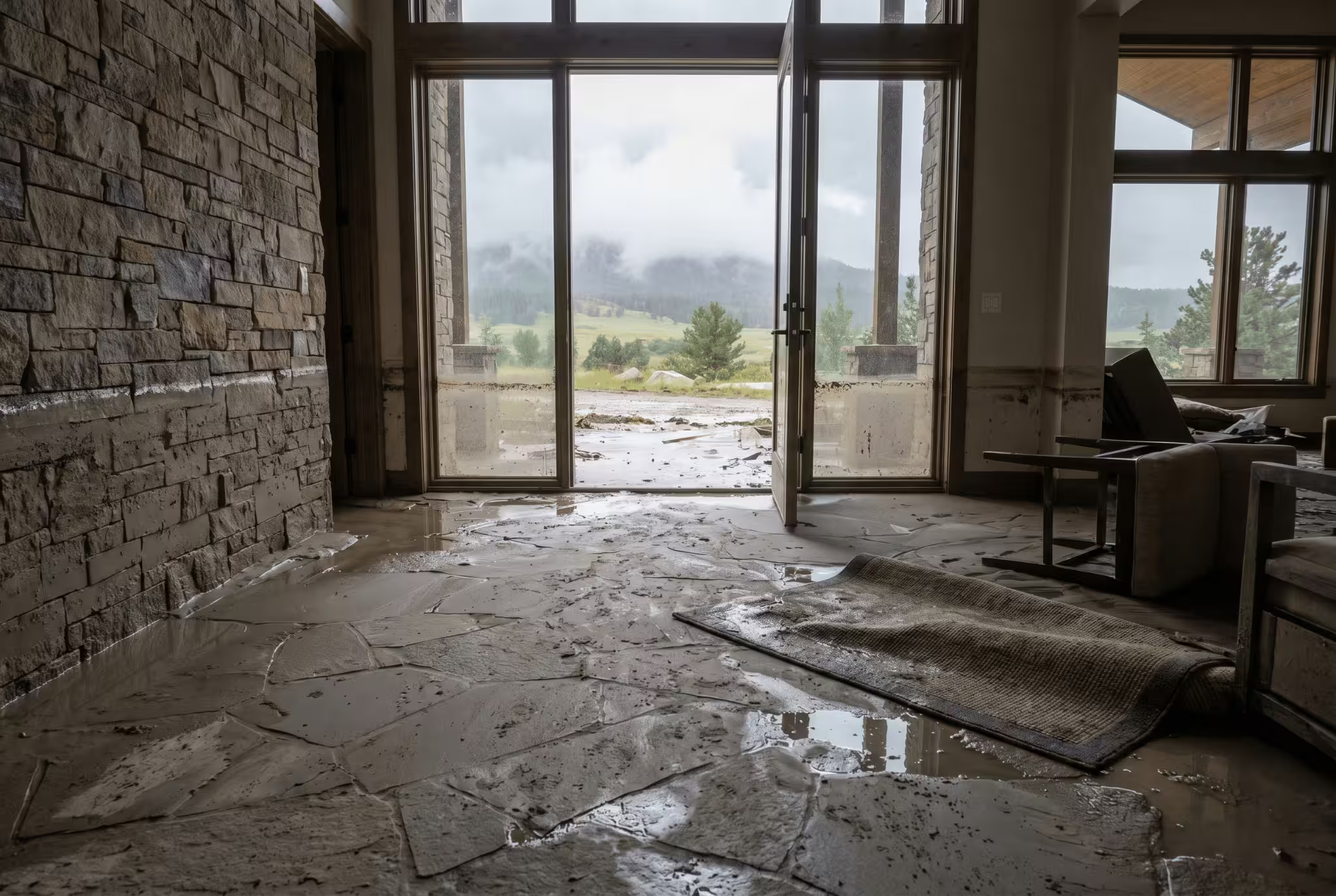
When a flash flood recedes from a Colorado property, it leaves behind more than water—it leaves silt. This fine, gritty sediment settles into the pores of natural stone patios, masonry entryways, and travertine walkways, and if it is cleaned the wrong way, it can permanently scar surfaces that cost a fortune to install.
Effective water damage restoration on high-end stone is not about pressure-washing the mess away. It is about understanding how abrasive flood silt behaves and removing it with methods gentle enough to protect the finish while thorough enough to leave the stone truly clean.
At BoneDry Services, we treat porous stone and luxury masonry as the irreplaceable architectural features they are. A flood does not just dirty these surfaces—it threatens their integrity, their color, and their value. The right approach restores them without leaving a trace of the damage.
Why Flood Silt Makes Stone Water Damage Restoration So Demanding
Flood silt is deceptively destructive. It looks like ordinary mud, but under magnification it is a mix of fine mineral particles, sand, organic matter, and grit carried in from streets, soil, and debris. As floodwater drains away, this material settles into every crevice and pore. On smooth tile it might wipe off easily, but on porous natural stone it lodges deep, and that is where stone water damage restoration becomes a specialized task rather than a simple cleanup.
The danger is twofold. First, the silt itself is abrasive—drag it across a polished or honed surface and it acts like sandpaper, etching micro-scratches that dull the finish permanently. Second, floodwater is rarely clean; it carries contaminants and staining agents that soak into stone if left in place. Removing both the grit and the contamination, without grinding the abrasive particles into the surface, is the central challenge of restoring high-end masonry after a flood.
The Abrasive Nature of Settled Silt
The instinct after a flood is to grab a stiff brush or a pressure washer and scrub. On luxury stone, that instinct causes damage. The trapped silt particles are harder than they look, and forcing them across the surface under pressure drives them into the stone, leaving a hazy, scratched finish that no amount of polishing fully restores. The first principle of proper stone water damage restoration is to lift the silt away, not grind it in.
How Porous Stone Holds Contamination
Natural stone such as travertine, limestone, and sandstone is full of microscopic pores that readily absorb both water and whatever it carries. Floodwater contaminants—soil tannins, oils, and organic matter—wick into these pores and can stain from within if not addressed quickly. This is why surface cleaning alone is never enough; the stone has to be drawn clean from inside its pore structure, then properly dried before any sealing or finishing work begins.
Specialized Cleaning Methods for High-End Masonry
Restoring flood-damaged stone safely depends entirely on matching the cleaning method to the material. A finish that survives gentle, controlled treatment will be ruined by aggressive blasting, so professional stone water damage restoration starts by identifying the stone type, its finish, and how the silt has bonded to it. Only then can the right combination of extraction, low-pressure rinsing, and pH-appropriate cleaning agents be applied.
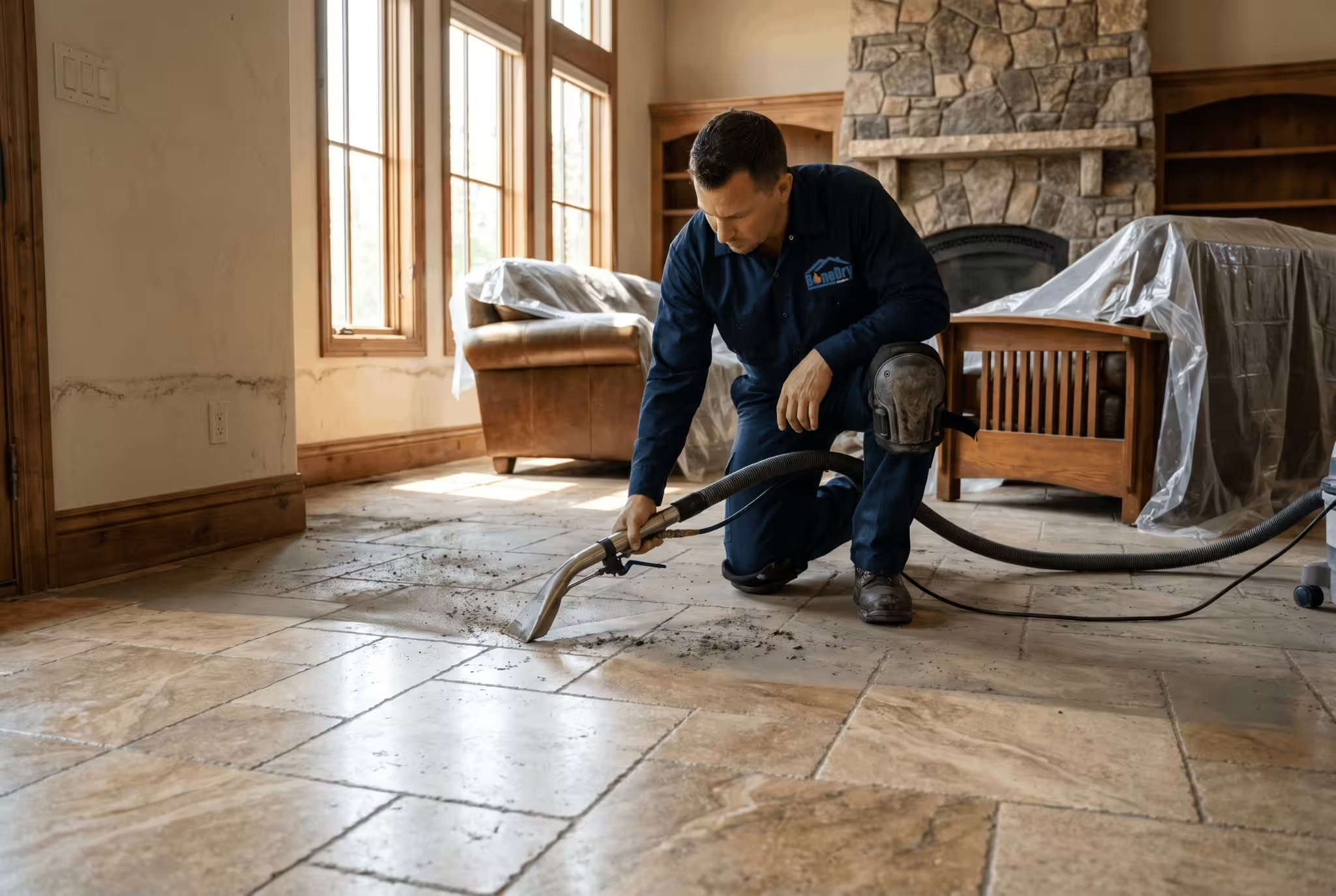
The process generally begins by extracting standing water and loose sediment before it dries and hardens, since dried silt is far more difficult and risky to remove. When flooding affects the interior as well, our 24/7 water damage restoration teams handle extraction and drying across the whole property so that masonry, subfloors, and structure are all stabilized together rather than in isolation.
Gentle Extraction Before Anything Dries
Timing is everything with flood silt. While it is still wet and suspended, it can be flushed and vacuumed away with relatively low risk to the finish. Once it dries, it cakes and bonds into the pores, and removing it becomes a far more delicate operation. Rapid, gentle extraction—using soft tools and controlled water flow rather than high pressure—removes the bulk of the sediment before it has a chance to set.
Matching the Cleaner to the Stone
Different stones demand different chemistry. Acidic cleaners that work on some masonry will etch and dull calcium-based stones like marble, limestone, and travertine almost instantly. Professional stone water damage restoration uses pH-balanced, stone-safe cleaners chosen for the specific material, applied with dwell times that lift contamination without attacking the finish. Test patches in inconspicuous areas confirm the approach before it is applied to the full surface.
The Water Damage Restoration Process for Flood-Damaged Stone
A safe, repeatable sequence protects the finish at every step. Skipping ahead—especially scrubbing before extraction—is where most stone damage happens. These are the five stages we follow on flood-silt water damage restoration for high-end stone and masonry:
- Extract standing water and loose silt — Remove suspended sediment while it is still wet, before it dries and hardens into the pores.
- Identify the stone and test methods — Confirm the material and finish, then test cleaners and tools on an inconspicuous area first.
- Apply stone-safe, pH-balanced cleaning — Lift embedded silt and contamination using gentle agents and low-pressure rinsing matched to the stone.
- Dry the stone thoroughly — Draw moisture out of the pore structure with controlled drying before any sealing begins.
- Reseal and restore the finish — Re-apply sealer and, where needed, polish or hone to return the surface to its pre-flood condition.
Following this order keeps the abrasive silt away from the finish and ensures the stone is genuinely clean and stable before it is sealed back up.
What Sets Professional Stone Water Damage Restoration Apart
Restoring luxury masonry after a flood takes more than a willing crew and a power washer. The capabilities that distinguish expert stone water damage restoration are about protecting the finish as much as cleaning the surface:
- Material-specific knowledge — Crews identify each stone type and adjust methods so calcium-based surfaces are never exposed to damaging chemistry.
- Low-pressure, abrasion-aware technique — Silt is lifted and flushed rather than scrubbed in, preventing the micro-scratching that dulls finishes.
- Controlled drying of pore structure — Moisture is drawn out of the stone itself, not just the surface, before sealing traps anything inside.
- Sealing and finish restoration — Sealers and polishing return the stone to its original protection and appearance, closing the loop on the repair.
Flooding rarely stops at the patio. When storms drive water into a home, our storm damage restoration teams address the full scope—exterior masonry, interior structure, and everything in between—so the property is restored as a whole rather than in disconnected pieces.
Protect Your Stone Before the Damage Sets
Flood silt does its worst damage in the hours after the water recedes, as it dries and bonds into porous stone. The faster a skilled team begins gentle extraction, the more of your patio, entryway, or masonry can be saved without permanent scarring. As Colorado's largest privately owned, family-operated restoration company, BoneDry Services brings the material knowledge and careful technique that high-end stone demands.
📞 Call BoneDry Services at (303) 276-4163 today for expert Water Damage Restoration that removes flood silt and protects your porous stone and high-end masonry.
FAQ
Can I just pressure-wash flood silt off my stone patio?
It is risky and usually a mistake on high-end stone. Pressure washing drives the abrasive silt particles across and into the surface, etching micro-scratches that permanently dull polished and honed finishes. It can also force water and contamination deeper into the pores. Professional stone water damage restoration instead lifts and flushes the silt with low-pressure, stone-safe methods. This removes the sediment thoroughly while protecting the finish you paid to install.
Why is flood silt so damaging to porous stone?
Flood silt is a gritty mix of fine minerals, sand, and organic matter, and it is harder and more abrasive than it looks. On porous stone like travertine and limestone, it settles deep into the pores rather than staying on the surface. It also carries staining contaminants from soil and debris that soak in if not removed quickly. Cleaning it incorrectly grinds the grit into the finish, which is why specialized methods matter so much.
How quickly should silt be cleaned after a flood?
As quickly as possible, ideally while the silt is still wet and suspended. In that state it can be gently flushed and vacuumed away with minimal risk to the finish. Once it dries, it cakes and bonds into the pore structure, making removal far more difficult and far more likely to damage the stone. Prompt stone water damage restoration is the single biggest factor in saving flood-affected masonry.
Will flood damage ruin the sealer on my stone?
Flooding often compromises the sealer, letting water and contaminants reach the stone beneath. That is why resealing is a standard final step in proper restoration. Once the stone has been cleaned and fully dried through its pore structure, a fresh sealer is applied to restore its protection and appearance. Skipping the drying step and sealing too early can trap moisture and contamination inside, so timing and sequence are important.
Can different types of stone all be cleaned the same way?
No, and treating them the same is a common cause of damage. Calcium-based stones such as marble, limestone, and travertine are etched by acidic cleaners that may be fine on other masonry. Each material needs cleaners and techniques matched to its chemistry and finish. Professional stone water damage restoration identifies the stone first and tests methods on an inconspicuous area before treating the full surface, ensuring the right approach for every material.