
Blog

How Snowstorms Cause Hidden Leaks in Colorado Mountain Homes

Parker Brown

CEO of BoneDry Services

Dec 11

7 Minutes

In this article

    How Snowstorms Cause Hidden Leaks in Colorado Mountain Homes

    Early-season snowstorms are hitting Colorado’s mountain regions fast this year — and while snow-covered roofs may look picturesque, they often hide a serious threat: unseen water leaks. Homes in high-altitude areas like Breckenridge, Winter Park, Vail, Evergreen, and Conifer face unique winter challenges due to heavy snowfall, rapid freeze–thaw cycles, and shifting temperatures.

    These hidden leaks can quietly damage your attic, roofing structure, foundation, drywall, and insulation, leading to expensive repairs by spring. Many homeowners don’t realize the severity of the issue — or that the water intrusion may have started long before visible symptoms appear.

    This article explains how snowstorms create hidden leaks, the early warning signs, and how to protect your Colorado mountain home.

    Why Colorado Snowstorms Create Hidden Leaks

    Colorado mountain home exteriors often experience frozen pipes in early winter.

    Snowstorms in mountain regions bring more than just snow — they deliver a combination of:

    • heavy accumulation
    • strong winds
    • sudden temperature drops
    • intense melt-and-refreeze cycles

    This weather pattern places extreme stress on roofs, gutters, flashing, and foundations.

    Ice Dams: The #1 Source of Hidden Attic and Roof Leaks

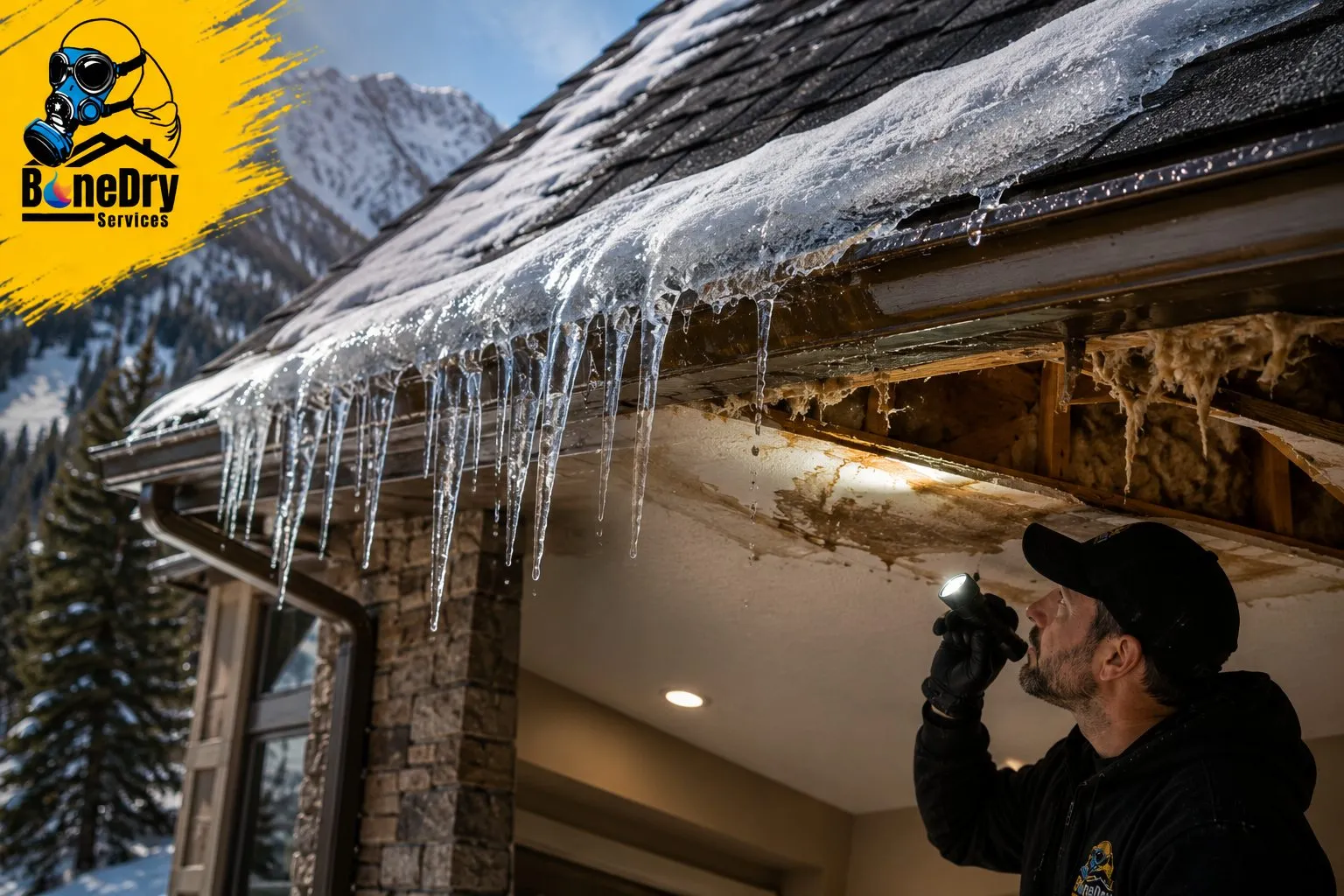
    When snow melts due to attic heat and refreezes at the edge of the roof, it creates an ice dam.
    This dam forces melting water to back up under shingles and into:

    • attics
    • insulation
    • ceiling cavities
    • wall structures

    Ice dam leaks can cause months of hidden water saturation before discoloration ever appears on ceilings.

    How Snowstorms Lead to Roof, Attic, and Foundation Leaks

    1. Roof Leaks from Snow Load

    Heavy snow buildup can loosen shingles, damage flashing, and create weak points where water enters unnoticed.

    2. Attic Moisture & Condensation

    Poor ventilation traps warm, moist air that condenses on attic beams — causing:

    • mold growth
    • warped wood
    • insulation deterioration

    3. Foundation Leaks from Melting Snow

    Melting snow around the perimeter of the home can seep into foundation walls, especially if:

    • gutters are clogged
    • the grading slopes toward the home
    • cracks are already present

    4. Wind-Driven Snow Intrusion

    High mountain winds push snow into:

    • vents
    • soffits
    • roof valleys
    • siding gaps

    This often results in slow, hidden water intrusion.

    Early Warning Signs of Hidden Leaks

    Close-up of a frozen indoor pipe and a trickling faucet is a sign of frozen pipes

    Colorado homeowners should watch for:

    • ceiling stains (often yellow or brown rings)
    • peeling paint or bubbling drywall
    • cold or damp interior walls
    • musty odors in the attic
    • ice buildup on the roof edge
    • icicles longer than 1 ft. (clear sign of ice dams)
    • unexpected increases in heating bills
    • soft or sagging roof decking

    If these signs appear during or after a snowstorm, water may already be infiltrating your home.

    How to Prevent Hidden Leak Damage During Snowstorms

    1. Clean and Maintain Gutters

    Gutters clogged with leaves or ice lead to foundation leaks and ice dams.

    2. Improve Attic Ventilation

    Proper airflow helps regulate temperature and reduces melting/refreezing cycles.

    3. Insulate Attic and Rooflines

    Better insulation prevents heat loss that contributes to ice dam formation.

    4. Remove Snow Before It Refreezes

    Use a roof rake or hire a professional to safely remove heavy snow loads.

    5. Seal Roof Penetrations

    Areas around chimneys, vents, and skylights are among the most vulnerable.

    6. Inspect After Every Major Storm

    You should especially monitor high-risk properties such as:

    • older roofs
    • vacation homes
    • homes with flat or low-pitch roofs

    If you own a mountain Airbnb or vacation cabin, consider remote monitoring or arranging periodic winter inspections.

    When Hidden Leaks Become Water Damage

    When attic insulation gets saturated or meltwater enters structural components, the damage spreads fast — often invisibly.

    If you notice:

    • dripping from ceilings
    • swollen drywall
    • sagging attic insulation
    • water stains around light fixtures
    • moldy smells
    • pooling water around the foundation

    …your home requires immediate professional help.

    Delaying even a day can turn a manageable leak into a full-scale restoration project.

    Why Colorado Homeowners Trust BoneDry Services

    BoneDry technicians repairing a burst pipe and performing cleanup

    BoneDry Services is Colorado’s largest family owned restoration company, trusted for winter storm and water damage emergencies from Denver to remote mountain homes.

    We provide:

    Call BoneDry Services for Emergency Leak Detection & Water Damage Repair

    Hidden leaks can silently destroy your home — but early action prevents thousands of dollars in damage.

    BoneDry Services offers:

    • 24/7 rapid response
    • Free inspections and leak detection
    • Certified restoration & reconstruction teams
    • Trusted service across all Colorado mountain communities

    📞 Call now: (303) 276-4163

    FAQ Section

    1: How do snowstorms cause hidden roof leaks?
    Ice dams and melting snow allow water to seep under shingles and into attic spaces, often without visible signs.

    2: Why are Colorado mountain homes more vulnerable to hidden leaks?
    Higher snowfall levels, colder temperatures, and frequent freeze–thaw cycles increase roof and attic stress.

    3: Can hidden leaks lead to mold growth?
    Yes. Moisture trapped in attics or wall cavities can lead to mold within 24–48 hours.

    4: How often should I inspect my roof during winter?
    After every significant storm, especially if you live above 7,000 ft elevation.

    5: Does insurance cover leak-related water damage?
    Most policies do, especially when caused by storms or ice dams. BoneDry helps document claims.

    6: Can I detect hidden leaks without opening the walls?
    Professional moisture mapping and thermal imaging can locate leaks without demolition.

    7: Should vacation home owners take extra precautions?
    Absolutely — unoccupied homes face higher risk and slower detection of water intrusion.

    Recent Articles

    18 Dec 2025
    7 Minutes

    Residential Water Damage Restoration in Denver: 10 Tips

    Learn 10 professional tips for handling residential water damage in Denver and preventing serious winter damage. Expert advice from BoneDry Services.
     read more

    Residential Water Damage Restoration in Denver: 10 Professional Tips

    Water damage is one of the most common and costly issues facing homeowners in Denver and the surrounding Front Range communities. Whether caused by frozen pipes, appliance failures, roof leaks, or winter storms, water intrusion can quickly spiral into severe structural damage, mold growth, and expensive repairs if not addressed correctly.

    The challenge for Denver homeowners is that winter conditions — rapid temperature swings, early-season freezes, and heavy snow cycles — make water damage more likely and more severe. Acting quickly and following the right steps can save thousands of dollars and prevent long-term issues.

    Below are 10 expert-backed tips every Denver homeowner should know to minimize damage and stay prepared this winter.

    Why Water Damage Is Especially Common in Denver Homes

    Denver’s climate creates a unique set of risks:

    • Early freezes leading to burst pipes
    • Ice dams causing attic and roof leaks
    • Dry air increasing static pressure in plumbing
    • Melting snow saturating soil around foundations
    • High elevation temperature swings stressing home systems

    Combined with older neighborhoods like Wheat Ridge, Lakewood, Arvada, and Englewood, where aging plumbing is common, the risk of winter water damage is amplified.

    10 Professional Water Damage Restoration Tips for Denver Homeowners

    1. Shut Off the Water Immediately

    Technician shutting off main water valve in a Denver Home basement

    Locate your main shutoff valve and turn it off if you see:

    • flooding
    • spraying water
    • dripping ceilings
    • wet walls
    • sudden pressure loss

    Stopping the flow early is the most effective way to minimize damage.

    2. Turn Off Electricity in Affected Areas

    Water and wiring are a dangerous combination. Cut power to impacted zones before entering them.

    3. Document Everything for Insurance

    Take photos and videos of:

    • affected rooms
    • damaged materials
    • visible leaks
    • personal items impacted

    Insurance companies require documentation before approving claims.

    4. Remove Standing Water Quickly

    The first 24 hours are critical. Even small puddles begin seeping into:

    • carpet padding
    • drywall
    • subflooring
    • insulation

    Use towels, a wet/dry vacuum, or call professionals for extraction.

    Learn more:
    ➡️ Water Damage Restoration in Denver

    5. Identify the Water Source (Clean, Gray, or Blackwater)

    The category of water determines the level of risk:

    • Clean water: burst supply pipes, appliance failures
    • Gray water: dishwasher overflow, washing machine discharge
    • Blackwater: sewage backups, outdoor flooding

    Blackwater requires certified remediation and disinfection.

    6. Avoid DIY Demolition

    Many homeowners rip out drywall or insulation too early — or not enough.
    Professionals use thermal imaging and moisture meters to assess what is salvageable and what must be removed.

    Incorrect demo can:

    • spread mold
    • expose electrical hazards
    • void insurance coverage

    7. Focus on Drying the Structure, Not Just Surfaces

    Industrial drying fans inside flooded living room in Denver, CO

    A common mistake is drying only what you can see.

    Professional drying targets:

    • wall cavities
    • insulation
    • subflooring
    • joists
    • sill plates
    • hidden moisture pockets

    Moisture left behind leads to mold within 48 hours.

    8. Use Professional Dehumidification

    Homeowners often rely on fans alone, which only moves air — it doesn’t remove moisture.
    Industrial dehumidifiers extract gallons of moisture per day and prevent structural warping.

    9. Check for Mold Growth Early

    Even if surfaces appear dry, mold may be spreading behind walls or flooring.
    Watch for:

    • musty odors
    • discoloration
    • soft drywall
    • bubbling paint

    BoneDry also provides mold remediation when needed:

    10. Partner With a Restoration Company That Handles Repairs Too

    Many remediation companies leave homeowners stranded after cleanup.
    BoneDry is one of Colorado’s only companies offering:

    • mitigation
    • drying
    • cleanup
    • Content restoration and repairs

    You get one team managing the entire project — no delays, no juggling contractors.

    Why Fast Action Matters: Hidden Water Damage Spreads Quickly

    Even a few inches of water can:

    • soak into walls within minutes
    • reach electrical outlets in hours
    • cause mold by day two
    • saturate insulation and subfloors
    • weaken framing and structural supports

    This is why professional water damage restoration isn’t optional — it’s essential.

    Why Denver Homeowners Choose BoneDry Services

    BoneDry restoration team working inside a modern Denver home

    BoneDry is Colorado’s largest privately owned restoration company, serving homeowners from Denver to the mountains.

    We provide:

    • 24/7 emergency water damage response
    • 90-minute arrival anywhere in Colorado
    • Moisture mapping with thermal imaging
    • Complete extraction, drying & dehumidification
    • Full reconstruction services

    Call Colorado’s Fastest Water Damage Team — We’re Here 24/7

    If your home is experiencing leaks, flooding, or moisture damage, immediate action prevents costly long-term repairs.

    BoneDry Services offers:

    • emergency response anytime
    • free water damage inspections
    • certified restoration specialists
    • full repair and reconstruction
    • coverage help with insurance claims

    📞 Call now: (303) 276-4163

    FAQ Section 

    1: What causes most water damage in Denver homes?
    Frozen pipes, roof leaks, ice dams, and appliance failures are the top causes during winter.

    2: How fast can mold grow after water damage?
    Mold can begin growing within 24–48 hours, especially in hidden areas.

    3: Should I call my insurance before or after a restoration company?
    Call a restoration company first so they can document damage and stop further loss — insurers prefer this.

    4: What should I do first when I discover water damage?
    Shut off the main water supply and electricity, then contact a professional team.

    5: Can I clean up water damage myself?
    You can handle minor spills, but structural damage requires professional equipment and training.

    6: How long does professional drying take?
    Most properties dry within 3–5 days, depending on severity.

    16 Dec 2025
    8 Minutes

    Sewage Cleanup in Denver During Winter: Risks & Prevention

    Winter increases sewage backup risks in Denver homes. Learn warning signs, causes, and when to call BoneDry for certified sewage cleanup.
     read more

    Sewage Cleanup in Denver During Winter: Risks for Homeowners

    Winter in Denver brings freezing temperatures, snowstorms, and rapid temperature swings — conditions that significantly increase the risk of sewage backups in residential homes. When temperatures drop, your plumbing system experiences extra stress, and the city sewer lines often slow down due to partial freezing, heavy water usage, and debris buildup.

    For many homeowners in Denver, Wheat Ridge, Arvada, Lakewood, Thornton, Aurora, and Commerce City, winter sewage backups are not just inconvenient; they’re dangerous. Sewage exposure can lead to contamination, structural damage, mold growth, and serious health risks if not handled quickly and professionally.

    In this guide, you’ll learn the most common causes of winter sewage backups, warning signs to watch for, and how to protect your home.

    Why Sewage Backups Are More Common in Winter

    Technician inspecting basement drain backup in Colorado

    Denver’s winter environment creates a perfect storm for plumbing failures. The most common winter-related causes include:

    1. Frozen Pipes Leading to Blockages

    Even partially frozen pipes restrict water flow. When wastewater cannot exit the home properly, pressure builds — eventually causing sewage to flow backward into sinks, showers, and floor drains.

    2. Increased Indoor Water Usage

    During winter, households take longer showers, run heaters, use humidifiers, and do more indoor activities. That means more wastewater entering an already stressed sewer system.

    3. Ground Freezing and Soil Shifting

    Frozen ground compresses and shifts surrounding soil, placing pressure on underground sewer lines. This can cause cracks, misalignment, or full collapses.

    4. Overloaded Public Sewer Systems

    Winter storms cause sudden bursts in water flow, melting cycles, and inflow into public sewer lines — all of which increase the risk of backups in Denver neighborhoods.

    5. Tree Root Intrusion (even in winter)

    Tree roots continue searching for warmth and moisture underground. Sewer lines provide both, leading to root infiltration that causes blockages and pipe damage.

    Signs of a Sewage Backup Homeowners Should Never Ignore

    Sewage issues often start subtly but escalate quickly. Watch for:

    • Gurgling sounds from drains or toilets
    • Slow drainage in sinks, showers, or tubs
    • Foul odors coming from floor drains
    • Bubbling water in toilets
    • Water pooling around basement floor drains
    • Toilets backing up when using other appliances (dishwasher, washing machine)
    • Wastewater surfacing in yard or driveway

    If any of these symptoms appear — especially during freezing temperatures — shut off water usage immediately and call a professional.

    Health & Safety Risks of Winter Sewage Backups

    Hazmat-suited technician performing sewage cleanup in a contaminated area

    Sewage exposure poses higher health risks in winter because it spreads faster indoors when ventilation is limited.

    Major risks include:

    • Harmful bacteria and viruses
    • Blackwater contamination
    • Airborne pathogens
    • Mold growth within 24–48 hours
    • Structural damage to flooring, drywall, and foundations
    • Electrical hazards when water reaches outlets or wiring

    Because sewage is classified as Category 3 water, it requires certified cleanup following strict safety protocols. DIY cleanup is dangerous and often worsens contamination.

    Professional Sewage Cleanup Process: How BoneDry Protects Denver Homes

    Professional Sewage Cleanup Process by BoneDry Services in Colorado

    BoneDry Services follows industry-standard procedures to ensure your home is safe, sanitized, and fully restored.

    1. Emergency Response (24/7)

    Our team arrives within 90 minutes anywhere in Denver or the Front Range.

    2. Containment & Safety Measures

    We establish containment zones to prevent cross-contamination and protect unaffected areas.

    3. Extraction of Contaminated Water

    Professional pumps remove sewage quickly to stop further spread.

    4. Removal of Affected Materials

    Drywall, flooring, insulation, and contents exposed to blackwater are safely removed.

    5. Deep Cleaning & Disinfection

    We use hospital-grade antimicrobial solutions to eliminate pathogens.

    6. Structural Drying & Moisture Control

    Prevent mold growth with advanced drying equipment.

    7. Full Repair & Reconstruction

    BoneDry is one of the few Colorado companies that handles both cleanup and rebuilding — ensuring your home is fully restored.

    Learn more about BoneDry Services:
    ➡️ Sewage Cleanup Services in Colorado
    ➡️ Water Damage Restoration in Colorado

    How to Reduce Sewage Backup Risks During Denver Winters

    1. Insulate Exposed Plumbing

    This helps prevent partial freezing and blockages.

    2. Clear Main Sewer Lines Annually

    A plumber can remove buildup and roots before winter begins.

    3. Install a Backwater Valve

    This device prevents city sewer water from backing into your home.

    4. Limit Grease & Food Waste Disposal

    Grease solidifies in cold temperatures, causing pipe blockages.

    5. Check Sump Pumps & Drains

    Ensure sump pumps are functional and floor drains are unobstructed.

    6. Watch for Neighborhood Drainage Issues

    If neighbors experience backups, yours may be next — especially in older Denver neighborhoods.

    When to Call a Professional Immediately

    Contact BoneDry Services if you see:

    • Raw sewage in a toilet, shower, or basement
    • Standing water around floor drains
    • Strong sewage odors inside the home
    • Water backing up when flushing or running appliances
    • Visible wastewater or debris coming through drains

    Even a small backup requires certified remediation.

    24/7 Sewage Cleanup in Denver — Call BoneDry Services

    When winter sewage backups strike, fast action protects your home and your health.

    BoneDry Services provides:

    • 24/7 emergency sewage cleanup
    • 90-minute arrival across Denver
    • Certified technicians
    • Full disinfection, drying & reconstruction

    📞 Call now: (303) 276-4163

    FAQ Section

    1: Why are sewage backups worse in winter?
    Frozen pipes, increased water usage, and stressed sewer lines make backups more frequent during Denver winters.

    2: Is sewage exposure dangerous?
    Yes — Category 3 sewage water contains harmful pathogens and requires certified remediation.

    3: What should I do if my basement drain backs up?
    Stop using water immediately and call a professional sewage cleanup team.

    4: Can tree roots cause winter sewage backups?
    Yes. Roots seek warmth and moisture year-round and commonly invade sewer lines.

    5: Does homeowners insurance cover sewage cleanup?
    Many policies do, especially if a backwater valve is installed. BoneDry assists with documentation.

    6: How can I prevent sewer backups at home?
    Maintain sewer lines, avoid flushing grease, and consider a backwater valve installation.

    11 Dec 2025
    7 Minutes

    How Snowstorms Cause Hidden Leaks in Colorado Mountain Homes

    Snowstorms cause hidden leaks in roofs, attics, and foundations. Learn warning signs and how to prevent water damage in Colorado mountain homes.
     read more

    How Snowstorms Cause Hidden Leaks in Colorado Mountain Homes

    Early-season snowstorms are hitting Colorado’s mountain regions fast this year — and while snow-covered roofs may look picturesque, they often hide a serious threat: unseen water leaks. Homes in high-altitude areas like Breckenridge, Winter Park, Vail, Evergreen, and Conifer face unique winter challenges due to heavy snowfall, rapid freeze–thaw cycles, and shifting temperatures.

    These hidden leaks can quietly damage your attic, roofing structure, foundation, drywall, and insulation, leading to expensive repairs by spring. Many homeowners don’t realize the severity of the issue — or that the water intrusion may have started long before visible symptoms appear.

    This article explains how snowstorms create hidden leaks, the early warning signs, and how to protect your Colorado mountain home.

    Why Colorado Snowstorms Create Hidden Leaks

    Colorado mountain home exteriors often experience frozen pipes in early winter.

    Snowstorms in mountain regions bring more than just snow — they deliver a combination of:

    • heavy accumulation
    • strong winds
    • sudden temperature drops
    • intense melt-and-refreeze cycles

    This weather pattern places extreme stress on roofs, gutters, flashing, and foundations.

    Ice Dams: The #1 Source of Hidden Attic and Roof Leaks

    When snow melts due to attic heat and refreezes at the edge of the roof, it creates an ice dam.
    This dam forces melting water to back up under shingles and into:

    • attics
    • insulation
    • ceiling cavities
    • wall structures

    Ice dam leaks can cause months of hidden water saturation before discoloration ever appears on ceilings.

    How Snowstorms Lead to Roof, Attic, and Foundation Leaks

    1. Roof Leaks from Snow Load

    Heavy snow buildup can loosen shingles, damage flashing, and create weak points where water enters unnoticed.

    2. Attic Moisture & Condensation

    Poor ventilation traps warm, moist air that condenses on attic beams — causing:

    • mold growth
    • warped wood
    • insulation deterioration

    3. Foundation Leaks from Melting Snow

    Melting snow around the perimeter of the home can seep into foundation walls, especially if:

    • gutters are clogged
    • the grading slopes toward the home
    • cracks are already present

    4. Wind-Driven Snow Intrusion

    High mountain winds push snow into:

    • vents
    • soffits
    • roof valleys
    • siding gaps

    This often results in slow, hidden water intrusion.

    Early Warning Signs of Hidden Leaks

    Close-up of a frozen indoor pipe and a trickling faucet is a sign of frozen pipes

    Colorado homeowners should watch for:

    • ceiling stains (often yellow or brown rings)
    • peeling paint or bubbling drywall
    • cold or damp interior walls
    • musty odors in the attic
    • ice buildup on the roof edge
    • icicles longer than 1 ft. (clear sign of ice dams)
    • unexpected increases in heating bills
    • soft or sagging roof decking

    If these signs appear during or after a snowstorm, water may already be infiltrating your home.

    How to Prevent Hidden Leak Damage During Snowstorms

    1. Clean and Maintain Gutters

    Gutters clogged with leaves or ice lead to foundation leaks and ice dams.

    2. Improve Attic Ventilation

    Proper airflow helps regulate temperature and reduces melting/refreezing cycles.

    3. Insulate Attic and Rooflines

    Better insulation prevents heat loss that contributes to ice dam formation.

    4. Remove Snow Before It Refreezes

    Use a roof rake or hire a professional to safely remove heavy snow loads.

    5. Seal Roof Penetrations

    Areas around chimneys, vents, and skylights are among the most vulnerable.

    6. Inspect After Every Major Storm

    You should especially monitor high-risk properties such as:

    • older roofs
    • vacation homes
    • homes with flat or low-pitch roofs

    If you own a mountain Airbnb or vacation cabin, consider remote monitoring or arranging periodic winter inspections.

    When Hidden Leaks Become Water Damage

    When attic insulation gets saturated or meltwater enters structural components, the damage spreads fast — often invisibly.

    If you notice:

    • dripping from ceilings
    • swollen drywall
    • sagging attic insulation
    • water stains around light fixtures
    • moldy smells
    • pooling water around the foundation

    …your home requires immediate professional help.

    Delaying even a day can turn a manageable leak into a full-scale restoration project.

    Why Colorado Homeowners Trust BoneDry Services

    BoneDry technicians repairing a burst pipe and performing cleanup

    BoneDry Services is Colorado’s largest family owned restoration company, trusted for winter storm and water damage emergencies from Denver to remote mountain homes.

    We provide:

    Call BoneDry Services for Emergency Leak Detection & Water Damage Repair

    Hidden leaks can silently destroy your home — but early action prevents thousands of dollars in damage.

    BoneDry Services offers:

    • 24/7 rapid response
    • Free inspections and leak detection
    • Certified restoration & reconstruction teams
    • Trusted service across all Colorado mountain communities

    📞 Call now: (303) 276-4163

    FAQ Section

    1: How do snowstorms cause hidden roof leaks?
    Ice dams and melting snow allow water to seep under shingles and into attic spaces, often without visible signs.

    2: Why are Colorado mountain homes more vulnerable to hidden leaks?
    Higher snowfall levels, colder temperatures, and frequent freeze–thaw cycles increase roof and attic stress.

    3: Can hidden leaks lead to mold growth?
    Yes. Moisture trapped in attics or wall cavities can lead to mold within 24–48 hours.

    4: How often should I inspect my roof during winter?
    After every significant storm, especially if you live above 7,000 ft elevation.

    5: Does insurance cover leak-related water damage?
    Most policies do, especially when caused by storms or ice dams. BoneDry helps document claims.

    6: Can I detect hidden leaks without opening the walls?
    Professional moisture mapping and thermal imaging can locate leaks without demolition.

    7: Should vacation home owners take extra precautions?
    Absolutely — unoccupied homes face higher risk and slower detection of water intrusion.
    11 Dec 2025
    8 Minutes

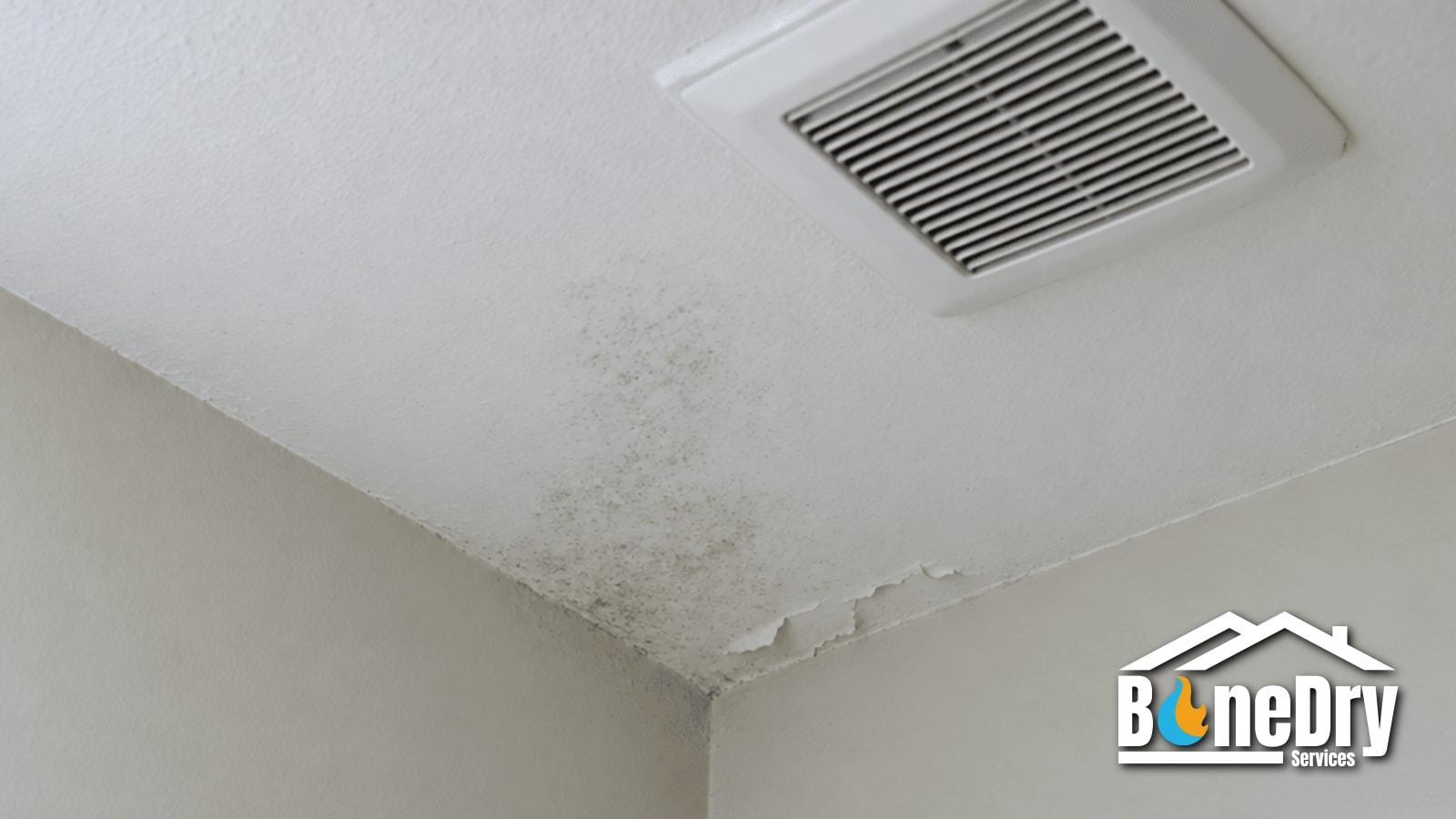
    Prevent Frozen Pipe Water Damage at Your Colorado Mountain Home

    Early freezes are hitting Colorado’s mountains. Learn warning signs, prevention tips, and when to call BoneDry for 24/7 water damage restoration.
     read more

    Frozen Pipes Are Starting Early This Year: Prevent Water Damage at Your Mountain Home

    Colorado homeowners, especially those in high-altitude and mountain regions, are facing early-season freezes far sooner than usual this year. With temperatures dropping rapidly across areas like Breckenridge, Winter Park, Vail, Evergreen, and Conifer, the risk of frozen pipes and catastrophic water damage is rising fast.

    If your pipes freeze and burst, the resulting damage can cost thousands of dollars, cause major structural issues, ruin flooring and drywall, and even impact your home’s long-term value. Even worse—many homeowners don’t notice the warning signs in time.

    This guide explains how early freezes increase risks, what signs to look for, and what you can do to protect your mountain home.

    Why Early Freezes Put Mountain Homes at Higher Risk

    Colorado mountain home exterior in early winter with exposed plumbing and snow

    Colorado’s elevation and wide temperature swings make mountain homes especially vulnerable. Sudden drops below 32°F can freeze standing water inside plumbing lines rapidly—especially in:

    • Exposed pipes
    • Crawl spaces
    • Exterior walls
    • Garages
    • Unheated basements
    • Vacation homes that sit empty for long periods

    Homes in places like Winter Park, Fraser, Estes Park, and Fairplay often experience colder temperatures earlier in the season than Denver or the Front Range.

    When water freezes, it expands. That expansion creates enough pressure to rupture copper, PVC, and even PEX lines. Once the ice thaws, water surges into your home, causing fast—and often hidden—structural damage.

    Warning Signs of Frozen Pipes Homeowners Should Never Ignore

    Frozen indoor pipe and trickling faucet signs frozen pipes in a home in Colorado

    Early detection can prevent thousands of dollars in restoration costs. Look for:

    1. Reduced Water Pressure or No Water

    If faucets trickle or fail completely, pipes may already be frozen.

    2. Frost on Exposed Pipes

    Any visible frost on plumbing is a major red flag.

    3. Strange Odors from Sinks or Drains

    This can happen when ice blocks proper airflow.

    4. Unusually Cold Walls or Floors

    If a wall feels cold or damp, a pipe behind it may be frozen.

    5. Gurgling or Whistling Sounds

    Pressure changes inside frozen lines create unusual noises.

    If you notice any of these signs, turn off the main water supply immediately to reduce risk of flooding.

    Steps to Prevent Frozen Pipes in Colorado Mountain Homes

    1. Insulate Vulnerable Plumbing

    Pipes running through:

    • Crawl spaces
    • Attics
    • Exterior walls
    • Garages

    …should be wrapped with high-grade insulation or heat tape.

    2. Keep Indoor Temperatures Stable

    Never allow your home to drop below 55°F, even when you're away.

    3. Let Faucets Drip During Extreme Cold

    A slow drip keeps water moving and reduces freezing risk.

    4. Open Cabinet Doors

    Allow warm air to circulate around pipes under sinks.

    5. Seal Air Leaks

    Cold drafts around windows, doors, and foundations dramatically increase freeze risk.

    6. Shut Off Outdoor Water Sources

    Disconnect hoses and drain sprinkler lines well before the first freeze.

    7. Install Smart Home Sensors

    Moisture sensors and temperature monitors can alert you before a pipe fails—ideal for second homes or Airbnb properties.

    What to Do If You Suspect a Frozen Pipe

    If you catch the issue early:

    1. Shut off the main water supply.
    2. Open faucets to relieve pressure.
    3. Warm the pipe slowly using towels soaked in warm water, a space heater, or a hair dryer.
    4. Never use open flames—they cause fires and damage pipes.

    If a pipe is bulging, cracked, or has already burst, you need professionals immediately. Delaying even 30 minutes can dramatically worsen water damage.

    How BoneDry Services Protects Colorado Homes From Winter Water Damage

    BoneDry technicians repairing burst pipe to cleanup water damage in a house in Colorado

    BoneDry Services is Colorado’s largest family owned restoration company, trusted by homeowners across Denver, the Front Range, and high-altitude mountain communities.

    When pipes burst or freeze, our certified technicians provide:

    • 24/7 emergency response
    • 90-minute arrival guarantee anywhere in Colorado
    • Thermal imaging and moisture mapping to detect hidden freeze damage
    • Rapid extraction, drying, and dehumidification
    • Full restoration, structural repair, and reconstruction

    Learn more about our damage restoration services:

    Preventing Emergency Disasters in Vacation & Second Homes

    Mountain properties that sit empty for part of the year face even greater risks. Homeowners often return months later to discover:

    • Burst pipes
    • Mold growth
    • Damaged drywall or flooring
    • Structural deterioration
    • Rodent infestation due to water-damaged insulation

    Consider these prevention tools:

    • Remote water shutoff valves
    • Smart thermostats
    • Moisture alarms
    • Weekly caretaker inspections

    These small investments can prevent massive winter repair bills.

    When to Call a Professional Immediately

    Contact BoneDry Services if:

    • A pipe has burst
    • You see water flooding floors or ceilings
    • Water is dripping from light fixtures
    • Walls appear swollen or buckled
    • You smell mold or musty odors
    • Floors feel soft or spongy
    • You hear running water but can’t find the source

    Even a few gallons of water can spread quickly through insulation, electrical systems, and structural supports.

    Call Colorado’s Fastest Water Damage Restoration Team—24/7

    Frozen pipes don’t wait—and neither should you.

    BoneDry Services offers:

    • 24/7 emergency water damage response
    • 90-minute arrival anywhere in Colorado
    • Certified restoration and reconstruction teams
    • Free inspections & leak detection

    📞 Call now: (303) 276-4163

    Protect your mountain home—and your peace of mind.

    FAQ 

    1. What temperature causes pipes to freeze in Colorado mountain homes?
    Pipes can begin freezing at 32°F, but wind chill, uninsulated walls, and drafts can cause internal freezing even when outdoor temperatures are slightly higher.

    2. How quickly can a frozen pipe burst?
    A frozen pipe can burst within hours, depending on pressure buildup. Mountain climates with fast temperature drops increase this risk dramatically.

    3. Does homeowners insurance cover frozen pipe water damage?
    Most policies do, as long as the homeowner maintained reasonable heating. BoneDry Services assists with documentation for stress-free claims.

    4. What areas in Colorado experience frozen pipes the earliest?
    High-altitude regions like Winter Park, Estes Park, Vail, Breckenridge, and Evergreen typically freeze earlier than Denver or the Front Range.

    5. Can I thaw a frozen pipe myself?
    Yes—if caught early. Use slow, controlled heat. However, if pipes bulge, crack, or you cannot locate the freeze point, call a professional immediately.

    6. Why do vacation homes face higher frozen pipe risks?
    Empty homes have inconsistent heating, lower circulation, and delayed detection—making freeze damage far more severe.

    7. What should I do before leaving my mountain home for the winter?
    Keep the heat above 55°F, shut off the water, drain pipes, install smart sensors, and ask a caretaker to check levels weekly.

    09 Dec 2025
    10 mins read

    Burst or Broken Pipes

    Burst pipes from freezing, corrosion, or poor installation can flood homes fast. Immediate extraction and drying prevent mold and rot.
     read more

    A burst or broken pipe can turn into a homeowner’s worst nightmare within minutes. From soaked carpets and damaged walls to potential mold growth, the aftermath can be overwhelming and costly if not handled quickly. Whether caused by freezing temperatures, aging plumbing, or unexpected pressure buildup, pipe failures require immediate attention. Understanding the causes, warning signs, and proper steps to take can help you protect your home and minimize damage before it spreads.

    Burst or Broken Pipes: What Causes Them and How to Protect Your Home

    Few things can cause more sudden damage to your home than a burst or broken pipe. In just minutes, hundreds of gallons of water can flood your property, damaging walls, floors, and furniture. Understanding why pipes burst—and how to respond when they do—can save you from expensive repairs and long-term damage.

    Common Causes of Burst or Broken Pipes

    Several factors can contribute to a pipe bursting or cracking. Some of the most common causes include:

    • Freezing Temperatures – Water expands when it freezes, building pressure inside pipes until they break.
    • Aging or Corroded Pipes – Older plumbing systems can weaken over time, making them more prone to leaks and bursts.
    • High Water Pressure – Excessive water pressure can strain pipes and fittings beyond their capacity.
    • Ground Shifting – Soil movement or nearby construction can put stress on underground pipes.
    • Clogs or Blockages – Pressure buildup behind a clog can cause a pipe to burst.

    Signs You Might Have a Broken Pipe

    Sometimes, the signs of a pipe problem are obvious—but in other cases, they’re subtle and easy to miss. Watch out for these warning signs:

    • Sudden drop in water pressure
    • Unusual noises when running water
    • Damp walls, ceilings, or floors
    • Unexplained increase in your water bill
    • Musty odors or visible mold growth

    If you notice any of these symptoms, don’t wait—addressing the issue early can prevent widespread water damage.

    Signs You Might Have a Broken Pipe

    Sometimes, the signs of a pipe problem are obvious—but in other cases, they’re subtle and easy to miss. Watch out for these warning signs:

    • Sudden drop in water pressure
    • Unusual noises when running water
    • Damp walls, ceilings, or floors
    • Unexplained increase in your water bill
    • Musty odors or visible mold growth

    If you notice any of these symptoms, don’t wait—addressing the issue early can prevent widespread water damage.

    How Burst Pipes Can Damage Your Home

    Even a small leak can cause serious problems if not repaired quickly. Common damage includes:

    • Warped floors and baseboards
    • Discolored walls and ceilings
    • Mold and mildew growth
    • Electrical hazards from water intrusion
    • Structural weakening of walls and framing

    The longer water sits, the more extensive (and costly) the repairs can become.

    Why Professional Water Damage Restoration Is Essential

    After a burst or broken pipe, simply drying the area isn’t enough. Hidden moisture can remain trapped inside walls, flooring, and insulation—leading to mold and long-term structural issues.

    At Bone Dry Services, our certified technicians use advanced moisture detection tools and drying equipment to ensure your home is completely dry and safe. We handle:

    • Emergency water extraction
    • Structural drying
    • Mold prevention and remediation
    • Complete property restoration

    Our team is available 24/7 to respond quickly and minimize damage from burst pipes.

    Tips to Prevent Pipes from Bursting

    While not all pipe failures can be avoided, these maintenance tips can significantly reduce your risk:

    • Insulate exposed pipes during cold weather.
    • Keep faucets dripping slightly during freezing temperatures.
    • Check for leaks and corrosion regularly.
    • Maintain consistent indoor temperatures.
    • Install a water pressure regulator if needed.

    Regular inspections and maintenance go a long way in keeping your plumbing system reliable and safe.

    Contact Us

    Get in Touch with Us

    Whether you need emergency restoration or have a question, our team is just a message away. Let us know how we can assist you.
    Thank you! Your submission has been received!
    Oops! Something went wrong while submitting the form.

    24/7 Water Damage Restoration

    Mold Removal & Remediation

    Fire Damage Restoration

    Biohazard Cleanup

    Storm Damage Restoration

    Sewage Cleanup

    Emergency Board-Up

    Structural Drying & Dehumidification

    Contents Restoration

    Odor Removal