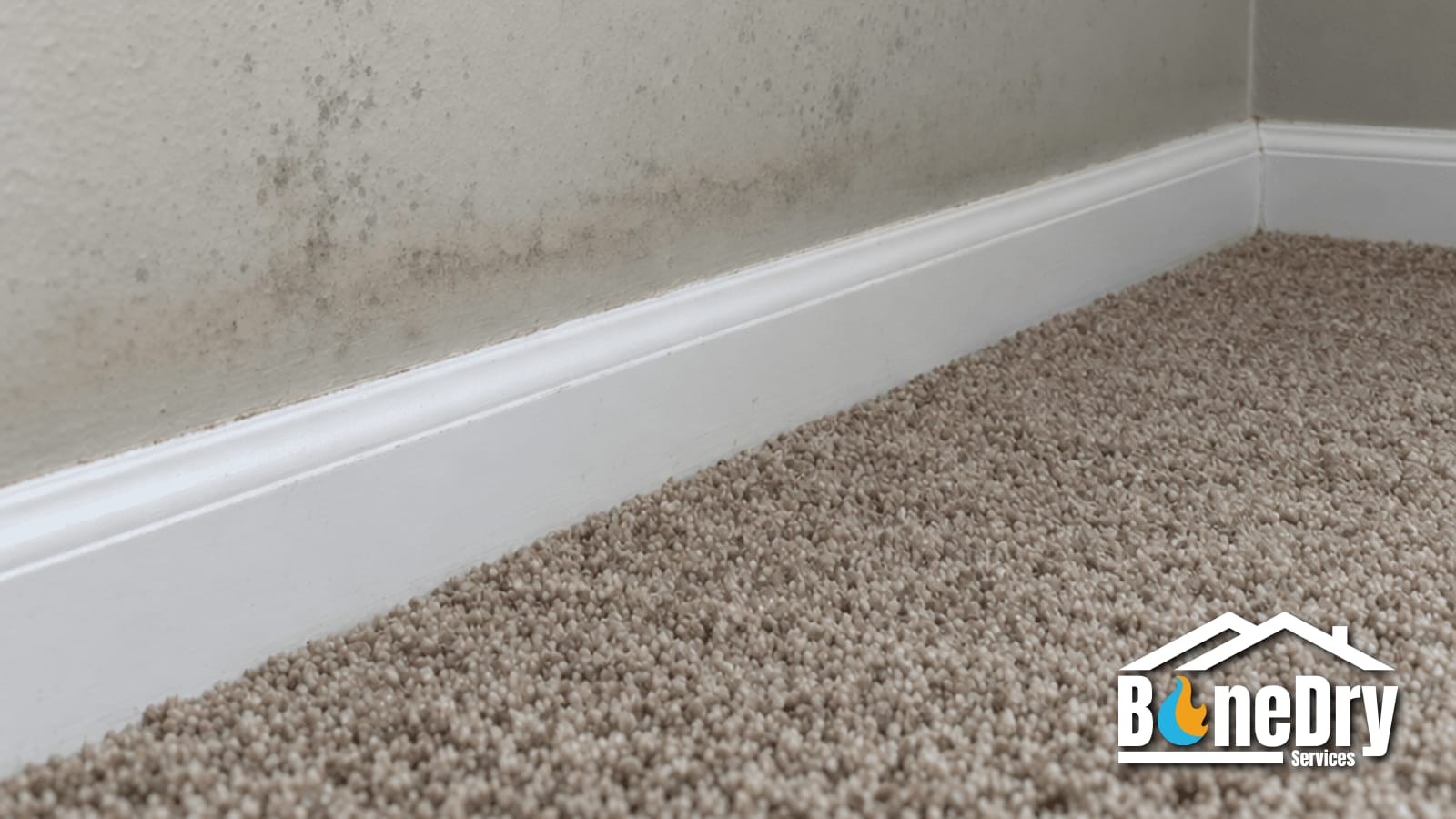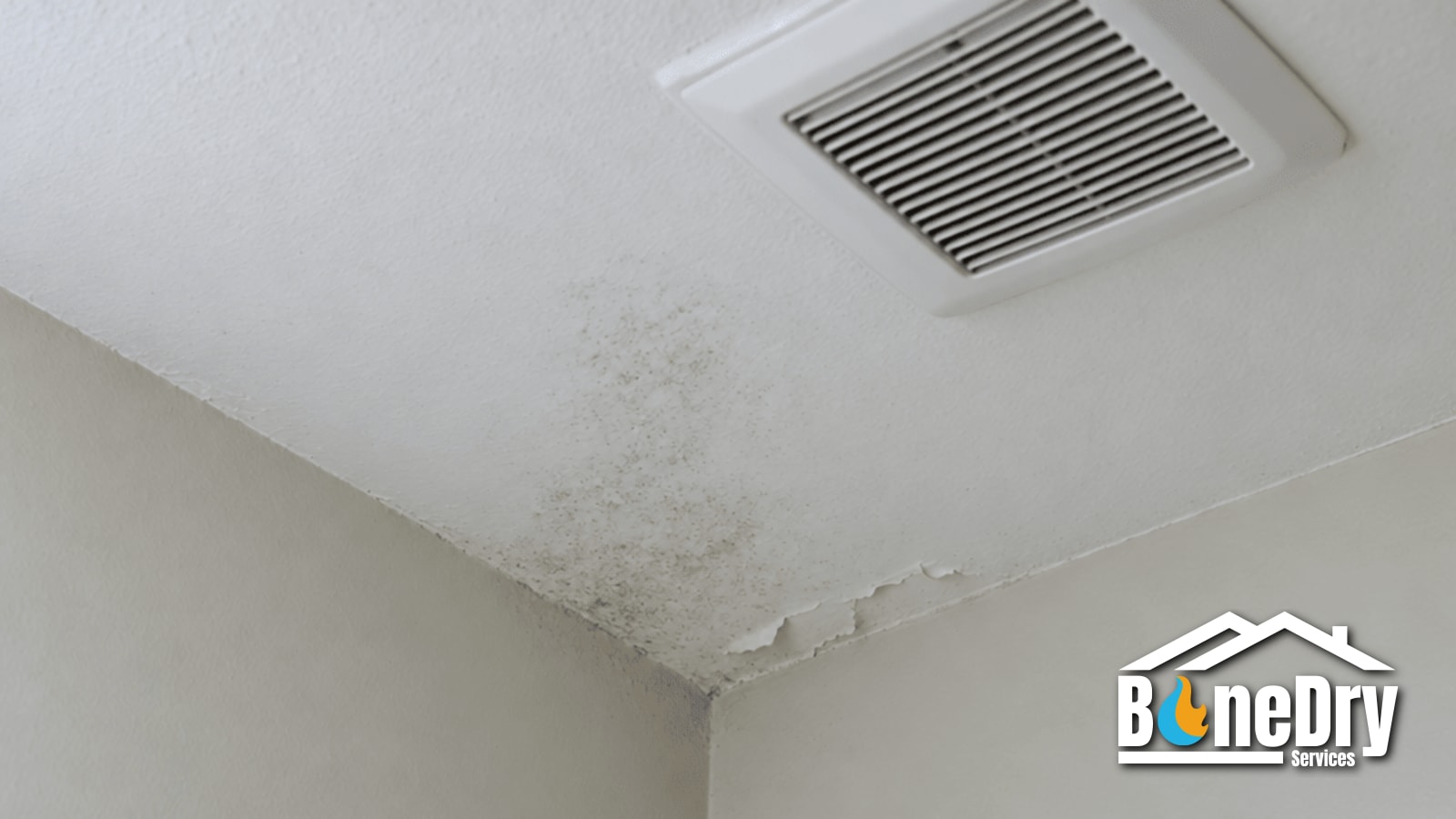


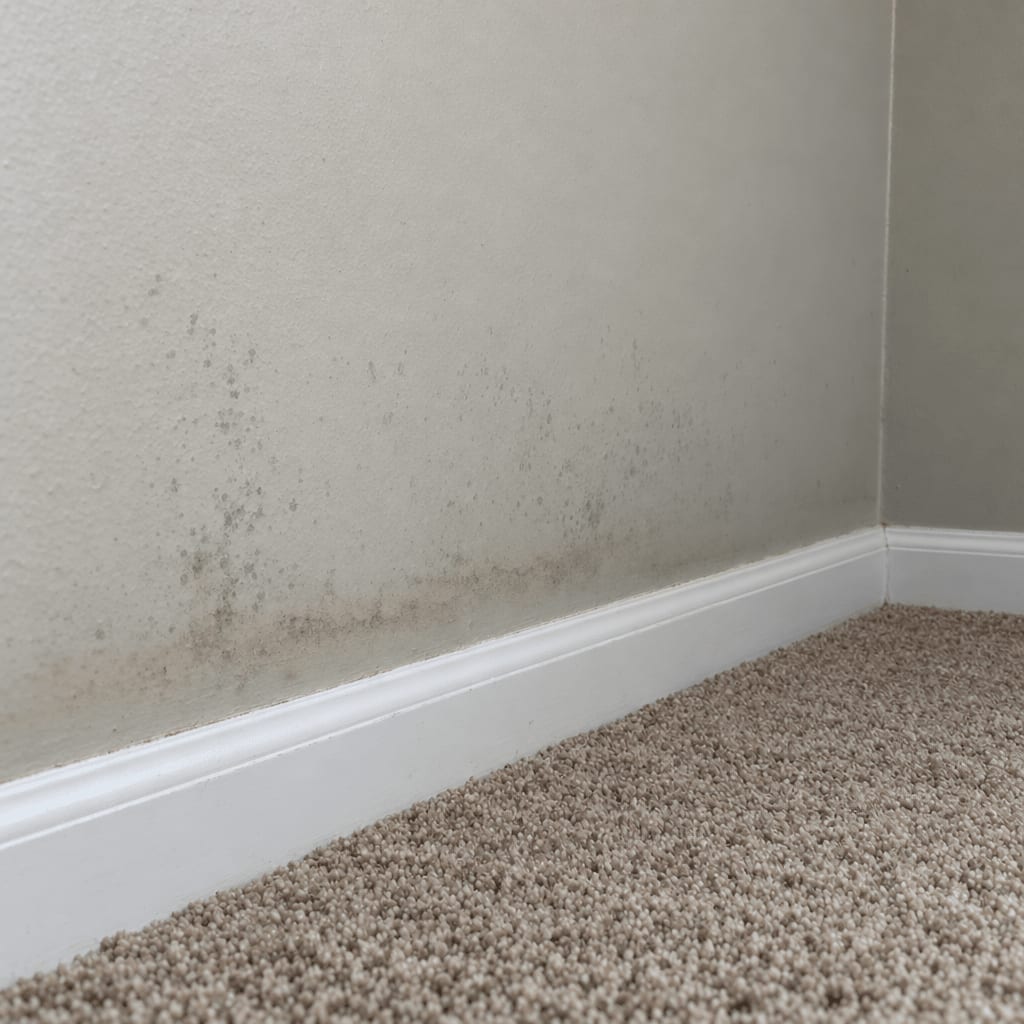
Mold testing in Denver is most useful in three situations: to confirm a hidden problem you can smell but not see, to prove an area is clean after remediation, and to give you paperwork for a home sale, a landlord or an insurance claim. If you can already see mold, a test rarely changes what has to happen next, because the cleanup starts with the moisture either way.
A positive result is not a diagnosis of your house. It tells you mold spores are present at a level worth acting on, but not where the water is coming from or how far the damage reaches. That part takes a hands-on assessment, which is where mold removal and remediation begins.
A lab report can leave a homeowner with more questions than answers. At BoneDry Services, we wrote this guide to explain what a test can and cannot tell you, why the company that tests should not be the company that profits from the result, and how insurance and billing usually work after a positive test.
What a mold test can and cannot tell you
Most residential mold tests take one of two forms. Air samples pull a measured amount of air through a cassette, usually inside the home and once outside for comparison, and a lab counts and identifies the spores. Surface samples, taken with a swab or a strip of tape, show what is growing on one particular spot.
Results are read by comparison rather than against one official safe number. An indoor count far above the outdoor sample, or a type of mold indoors that barely shows up outside, points to growth inside the house. A count close to the outdoor level usually means the air is typical for the season.
What a test cannot do is find the leak. It will not tell you whether the moisture is a slow drip behind a shower, a window well that fills in a storm or condensation in a cold attic. It also cannot tell you how much drywall, insulation or framing is affected. Those answers come from moisture meters, thermal imaging and a trained eye.
When testing is worth paying for
Testing earns its cost when there is a persistent musty smell but nothing visible, when someone in the home has health concerns and wants documentation for a doctor, or when a buyer, seller or landlord needs a written result. It is also the right tool at the end of a job, to confirm the area is clean before walls are closed up.
When to skip the test and call
If you can see mold larger than a small patch, or it followed a burst pipe, a flood or a sewage backup, the test can wait. The cleanup starts the same way whatever the species, and every day spent waiting for a lab report is a day the moisture keeps working. Our guide to the signs of mold in your house covers what to look for first.
Why the tester should not be the remover
There is a simple conflict of interest in mold work. A company that tests your home and then quotes the removal is grading its own sales pitch. A high reading means a bigger job, and a homeowner holding an alarming lab report is in no position to question the scope.
That is why the cleaner arrangement is an independent tester at both ends of the job. One assessment before the work shows what is there, and a clearance test after the work shows it is gone, done by someone who earns nothing from the remediation either way.
What a fair remediation estimate looks like
A fair estimate names the moisture source and how it will be fixed, shows the areas to be contained and removed, and explains how the result will be verified. Be cautious of a quote that leans on worst-case air readings, skips containment or has no plan for clearance testing.
How we handle testing
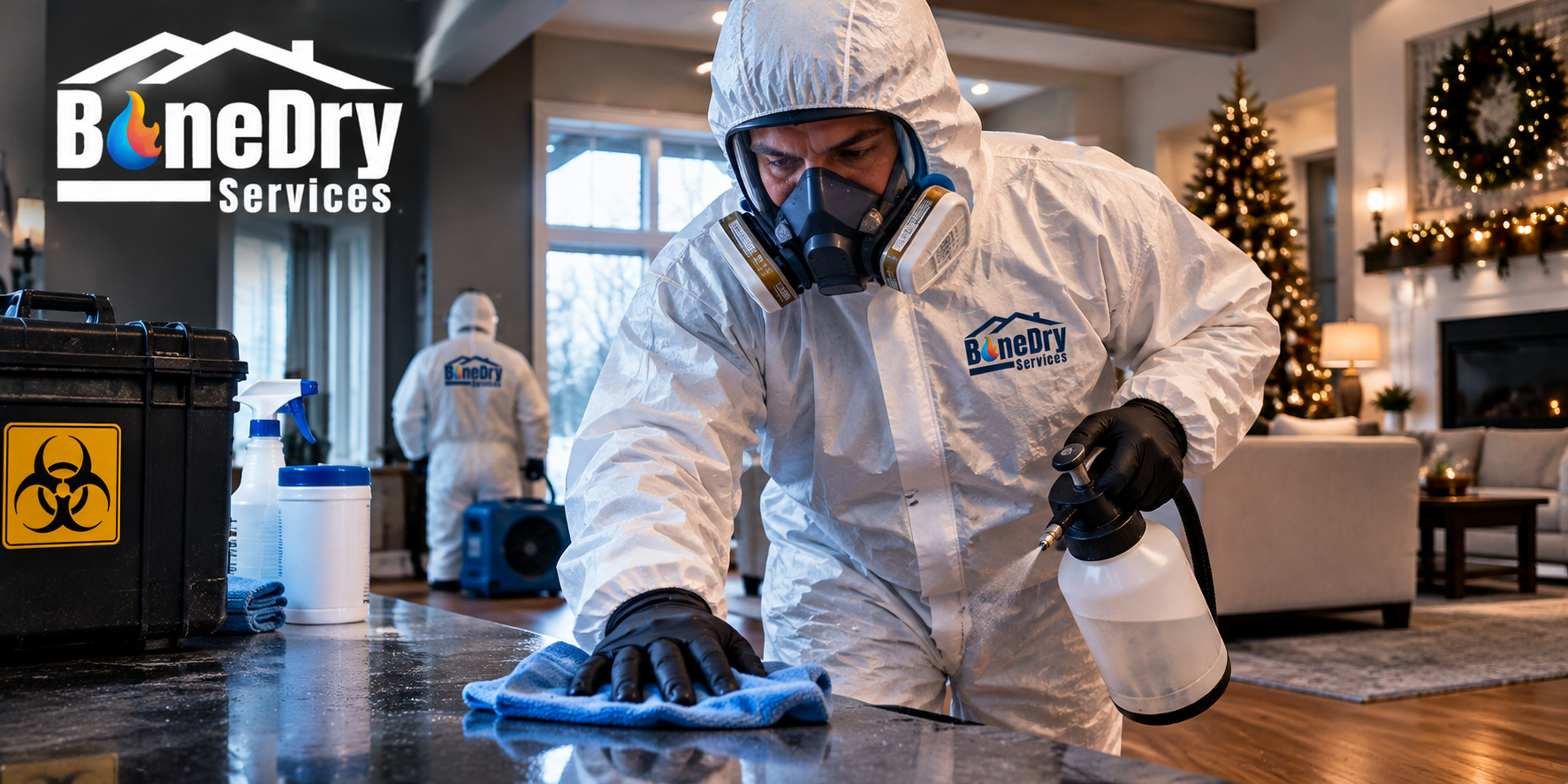
We support independent clearance testing rather than grading our own work. Our role is to find the moisture, contain and remove the mold to IICRC standards, dry the structure and fix the cause, then hand the area over for an independent check.
How the work is done
After a positive test or a visible problem, professional remediation follows a set order. Each step keeps the mold from spreading during the work and from coming back afterward.
- Assess the moisture: the crew traces the water to its source and measures how far the damp area reaches with moisture meters and, where useful, thermal imaging.
- Document for the claim: photos, moisture readings and notes are recorded before anything is removed, so your insurer can see what was there.
- Contain the area: plastic barriers and air filtration keep spores in the work area and out of clean rooms.
- Remove and clean: materials that cannot be cleaned, such as soaked drywall or insulation, come out, and the rest is cleaned with HEPA vacuums and appropriate treatments.
- Dry and fix the cause: the structure is dried to normal levels and the leak or drainage problem is repaired so the mold does not return.
- Verify with an independent test: a clearance test by a separate tester confirms the area is clean before rebuilding starts.
When the mold followed a leak or flood, the water damage is part of the same job. Our Denver water damage and flood cleanup page explains how drying and repairs are handled, with the same team carrying the work through to rebuild.
What acting promptly protects
A positive test is a prompt to act, not a reason to panic. The longer moisture stays in the structure, the larger the affected area and the harder the claim is to support. After any leak or flood, deal with the water exposure within 24 to 48 hours to stop mold before it spreads. Acting early protects four things:
- Your insurance claim: mold that follows a sudden, covered event like a burst pipe is more likely to be covered when it is reported and documented promptly.
- Your out-of-pocket cost: on a covered loss we bill your insurer directly and only collect what insurance settles, so there is no surprise bill at the end.
- Your drywall and framing: a small area caught early can often be cleaned, while a large one usually means cutting out materials.
- The air in your home: removing mold under containment keeps spores from moving through the house during the work.
Insurance coverage depends on the cause. Most homeowners policies treat mold as covered when it comes from a sudden, accidental water event, and exclude mold from long-term leaks, humidity or upkeep problems. Some policies also set a separate, lower limit for mold, so check yours or ask us to help you read it. Our mold removal and remediation page explains how we support the claim from the first visit.
📞 Call BoneDry Services at (303) 276-4163 today for mold removal and remediation across Denver, Boulder, and the Front Range.
Frequently Asked Questions
Do I need a mold test before mold remediation?
Usually not. If you can see or smell mold and you know about a leak, the remediation starts the same way whatever the species, so a test before the work rarely changes the plan. A test is more useful when the smell has no visible source, when you need paperwork, or at the end of the job as clearance. An assessment that finds the moisture is a better first step for most homeowners.
Should the company that tests for mold also remove it?
It is better when they are separate. A company that profits from the removal has a reason to read results in the most alarming way and to scope a bigger job. An independent tester at the start and the end keeps the result honest. We support independent clearance testing rather than grading our own work.
Does homeowners insurance cover mold testing and removal?
It depends on what caused the mold. Policies commonly cover mold that results from a sudden, accidental water event such as a burst pipe, and often exclude mold from slow leaks, humidity or deferred maintenance. Some policies set a separate limit for mold, and testing may or may not be included. Read your policy or ask your adjuster, and report the water event promptly so the cause is documented.
What is clearance testing?
Clearance testing is a test done after remediation to confirm the work area is back to normal. It usually compares indoor air in the cleaned area with an outdoor sample, and it may include surface samples. It should be done before walls and floors are closed up, so any missed growth is found while it is still easy to reach. An independent tester gives you a result you can trust and keep on file.
Will BoneDry bill my insurance company directly?
Yes, on a covered loss. We work with all insurance companies, document the damage for the claim and bill your insurer directly. We only collect what insurance settles, so you are not handed a surprise bill for the difference.