


For most healthy people, black mold is no more dangerous than any other mold you might find at home. Public health agencies such as the CDC treat all indoor mold the same way: it can irritate the nose, throat, eyes and lungs, it tends to affect people with asthma, allergies or a weakened immune system more, and it should be cleaned up and its moisture source fixed, whatever its color.
That answer is calmer than a lot of what you will read online, and it is meant to be. The color of a patch tells you very little, and the word "toxic" gets used far more often than the science supports. What matters is how much mold there is, where it is growing, who lives in the home and what water is feeding it. When the patch is bigger than a quick cleanup, that is where mold removal and remediation comes in.
At BoneDry Services, a family-owned Colorado restoration company, we wrote this guide so you can look at what you found with a clear head: what black mold really is, who should be more careful, what you can safely do today and when it is time to call.
What "black mold" actually means
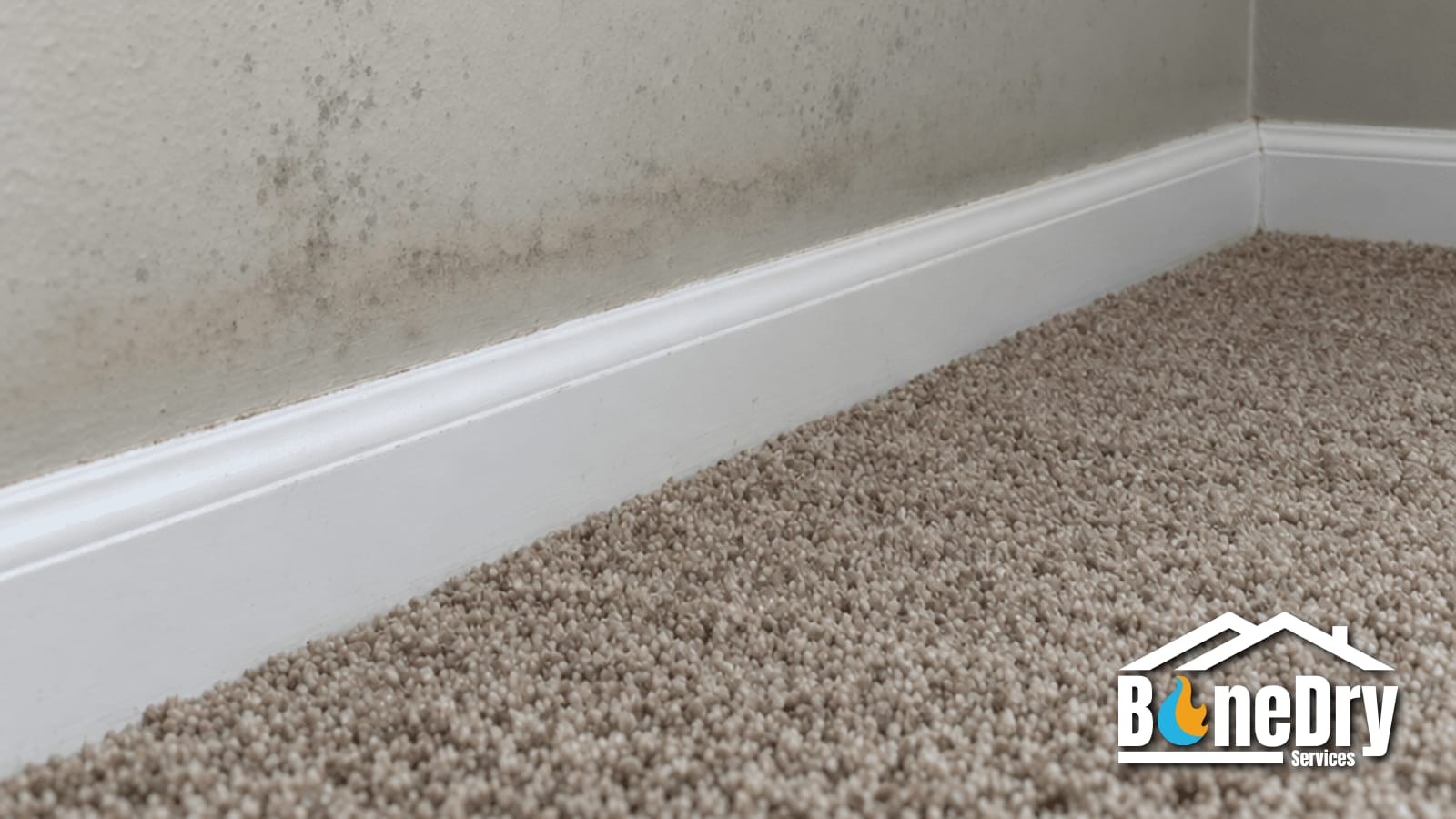
"Black mold" is not a scientific name. It usually refers to Stachybotrys chartarum, a greenish-black mold that grows on materials that have stayed wet for a long time, such as the paper face of drywall, ceiling tiles and wood. Plenty of other common household molds are dark too, and you cannot tell which one you have just by looking at it.
Much of the fear comes from the word "toxic." Some molds, Stachybotrys among them, can produce compounds called mycotoxins. But health agencies, including the CDC, say there is no clear evidence that mold in a home causes the dramatic illnesses sometimes blamed on "toxic black mold," and medical sources such as Cleveland Clinic describe black mold as no more harmful than other types for most people.
None of this means mold is harmless. It means color and species are the wrong things to worry about. A large area of any mold growing on soaked materials deserves attention, while a small dark spot on a shower grout line is usually a cleaning job.
Why color says so little
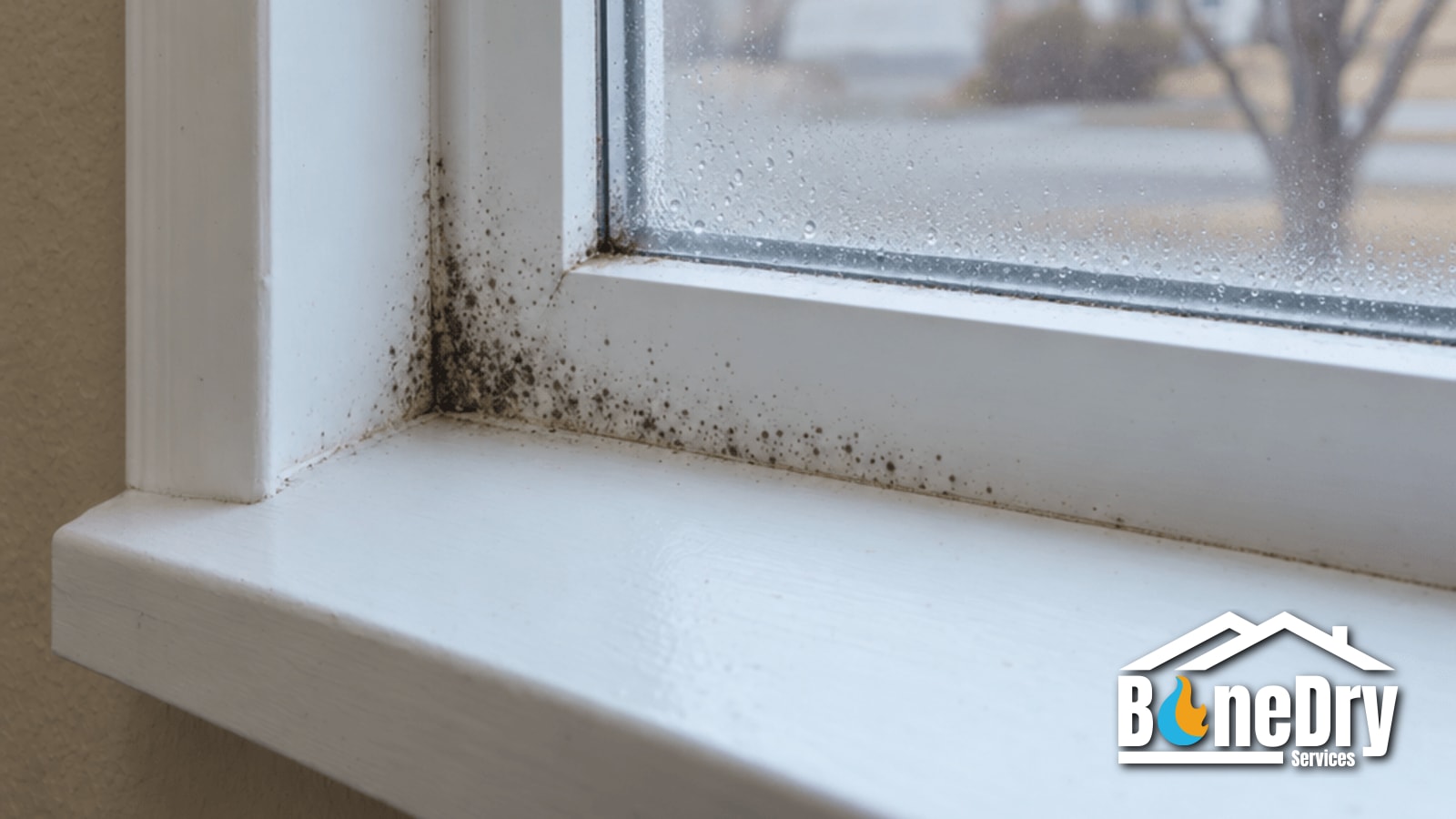
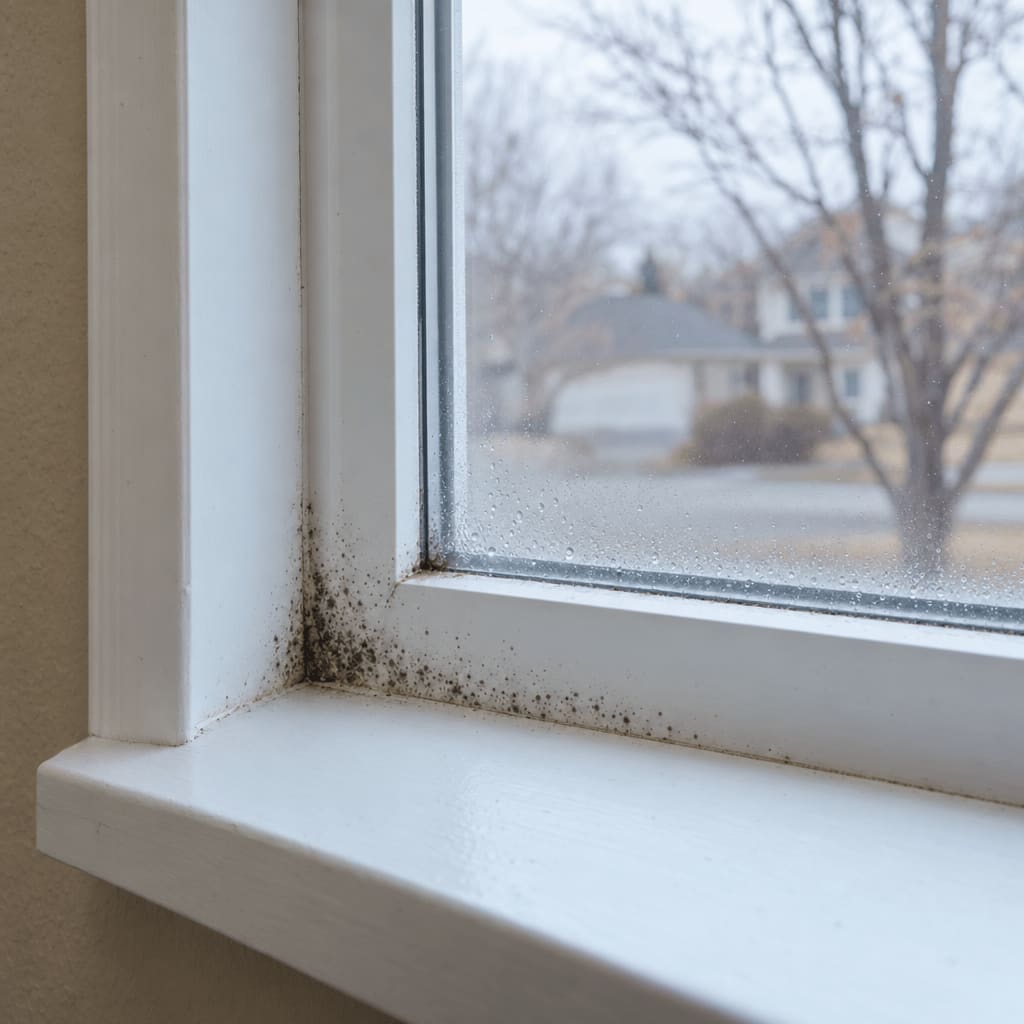
Mold can look green, gray, brown or black depending on the surface it grows on, its age and how much moisture and light it gets, so the same mold can look different from one spot to the next. That is why public health guidance does not ask homeowners to identify the species before cleaning up. The useful questions are how big the area is, whether it is on a hard surface or inside a wall, and whether the water that caused it has stopped. In a Colorado fall and winter, much of the mold homeowners notice grows where warm indoor air meets a cold surface, such as window frames, outside wall corners behind furniture and attic roof sheathing.
What a test can and cannot tell you
A swab or a home test kit can name the kind of mold, but it cannot tell you how much is in your walls, where the moisture is coming from or whether it is affecting anyone's health. If you can already see the mold, knowing its name rarely changes what needs to happen next. Our guide to mold testing in Denver explains when a test is worth paying for.
Who should be more careful around mold
For most healthy adults, being around mold causes no symptoms at all, or mild ones that ease once they are away from it, such as a stuffy nose, a scratchy throat, itchy eyes or a cough. The CDC lists these as the common reactions, and they are the same whether the mold is black, green or white.
Some people tend to react more strongly and are better off staying away from the area until it is cleaned up: anyone with asthma or a mold allergy, anyone with a weakened immune system or a chronic lung condition, and babies, young children and older adults. If someone in your home falls into one of these groups, or has symptoms that seem to line up with the mold, talk to a doctor.
We are a restoration company, not a medical one, so we leave health questions to doctors. Our part is getting the mold and the moisture behind it out of the house safely.
What you can safely do today
A small patch on a hard surface, such as tile, a window frame or the edge of a sink, can usually be handled by a healthy adult. Wear gloves and eye protection, open a window, scrub the spot with detergent and water, and dry the area completely. Skip bleach on drywall, wood and other porous materials, because it lightens the stain but leaves the growth underneath, and never mix cleaning products.
When to leave it alone and call
Call a professional when the mold covers more than a small patch, when it is on drywall, carpet, insulation or inside a wall, when it comes back after you clean it, when it followed a flood, a burst pipe or a sewage backup, or when you can smell it but cannot find it. Scrubbing or tearing out moldy drywall without containment can send spores into the rest of the house. Our guide to the signs of mold in your house covers the less obvious places to look.
How the work is done
Professional mold remediation follows the same order whatever the color of the mold. Each step keeps the mold from spreading during the work and from coming back afterward.
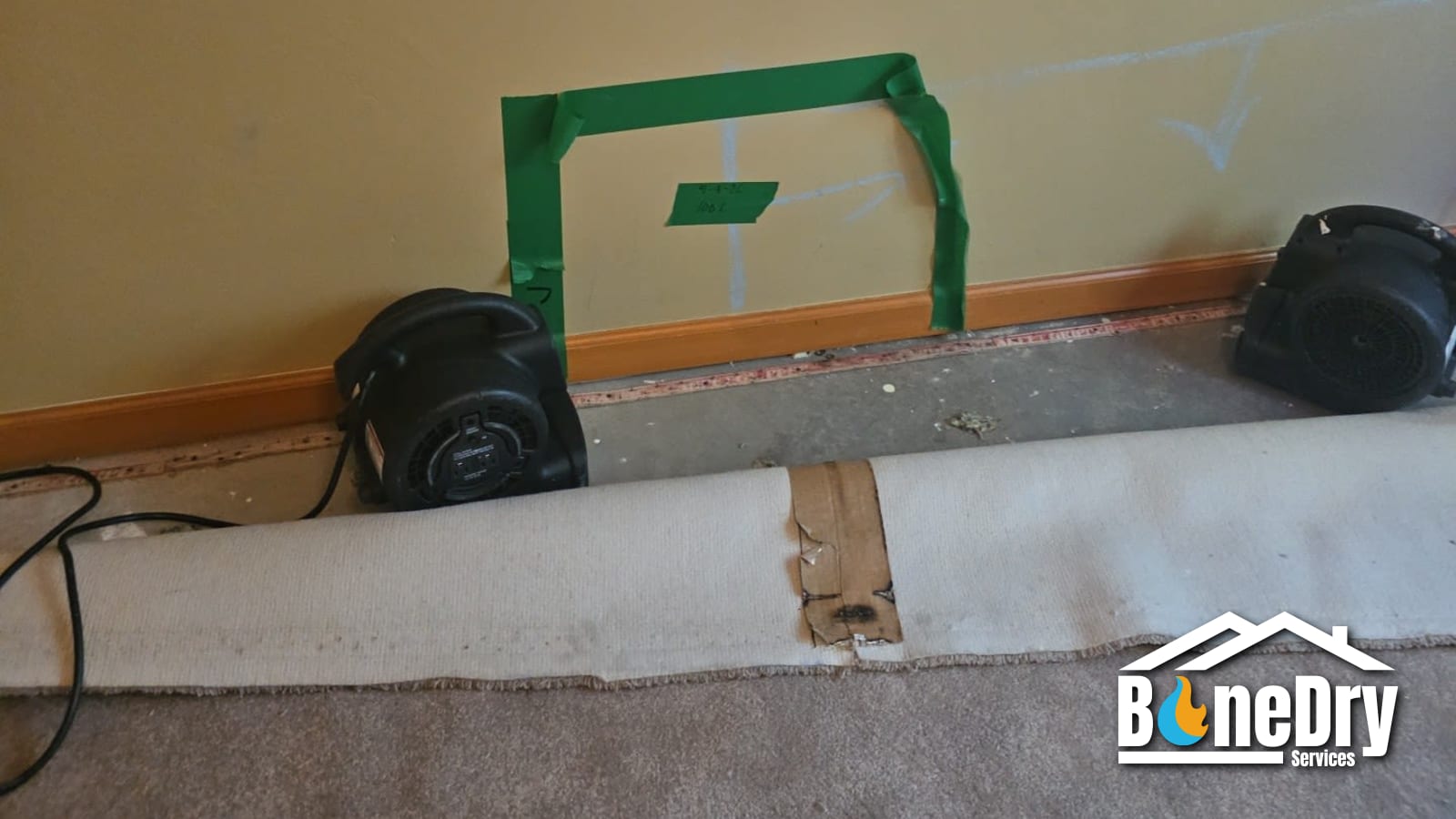
- Find the moisture: the crew traces the water to its source and measures how far the damp area reaches with moisture meters and, where useful, thermal imaging.
- Document it: photos and moisture readings are recorded before anything is removed, which helps if the cause is covered by insurance.
- Contain the area: plastic barriers and HEPA air filtration keep spores in the work area and out of the rest of the home.
- Remove and clean: materials that cannot be cleaned, such as soaked drywall or insulation, come out, and the rest is cleaned with HEPA vacuums and appropriate treatments.
- Dry and fix the cause: the structure is dried to normal levels and the leak or condensation problem is fixed so the mold does not return.
- Confirm it is clean: the area is checked before walls and floors are closed up, and we support independent clearance testing rather than grading our own work.
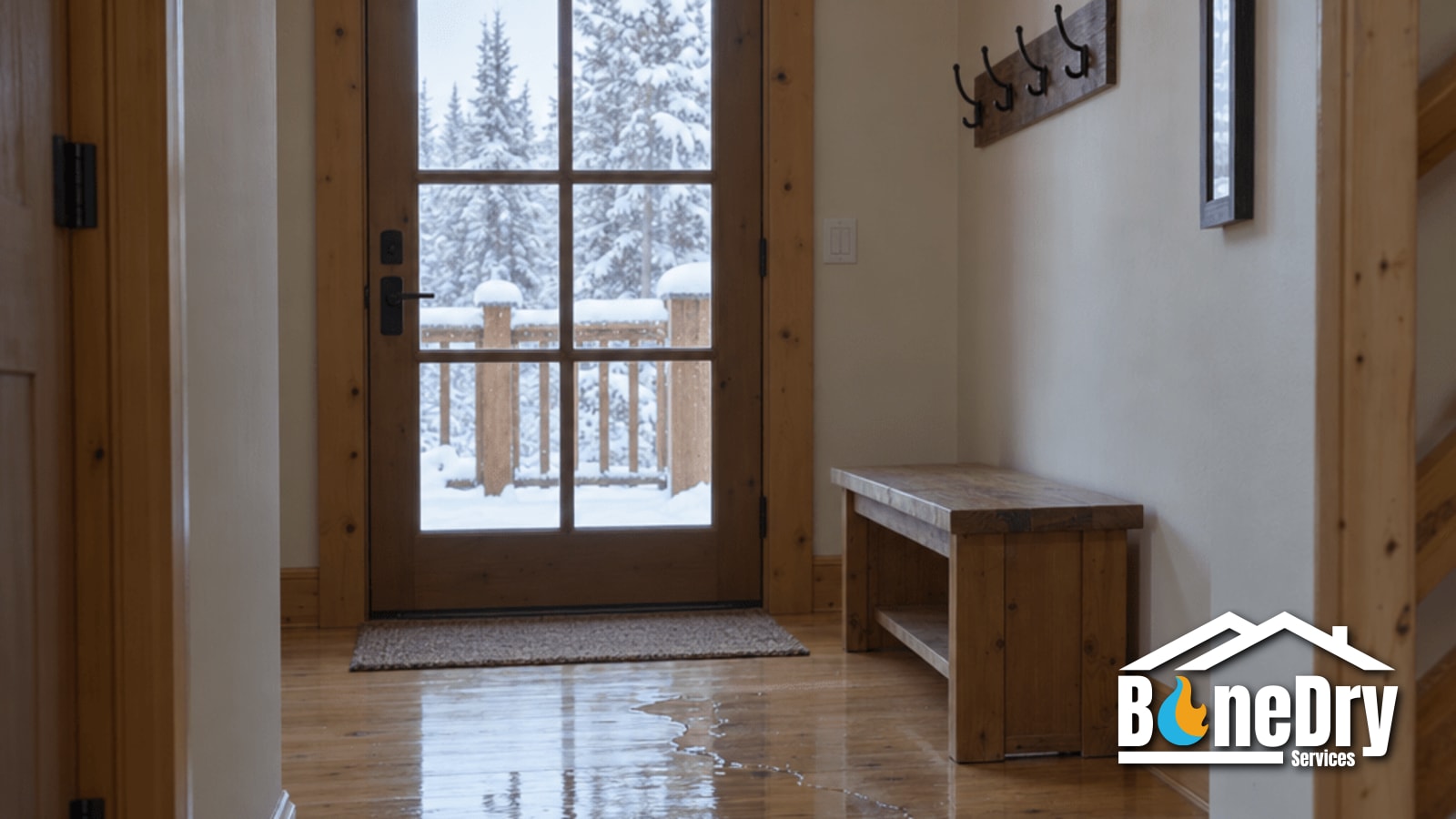
Mold very often starts with water nobody noticed, like a slow drip under a sink or a leak behind a wall. When it does, drying out the structure is part of the same job, and our Denver water damage and flood cleanup page explains how that is handled, with the same team carrying the work through to repairs.
What acting promptly protects
Finding mold is a reason to act, not a reason to panic. The sooner the moisture is found and stopped, the smaller the job tends to be. Acting early protects four things:
- Your comfort at home: removing mold under containment keeps spores from moving through the house, which matters most for anyone with asthma, allergies or a weaker immune system.
- Your drywall and framing: a small area caught early can often be cleaned, while one left to spread usually means cutting out materials.
- Your insurance claim: mold that follows a sudden, covered event such as a burst pipe is more likely to be covered when it is reported and documented promptly.
- Your budget: mold caught early is usually a smaller job than mold left to spread into more of the house.
Coverage depends on the cause. Most homeowners policies cover mold that results from a sudden, accidental water event and exclude mold from long-term leaks, humidity or upkeep problems, and some set a separate limit for mold. Our mold removal and remediation page explains how we handle containment, removal and the claim from the first visit.
📞 Call BoneDry Services at (303) 276-4163 today for mold removal and remediation across Denver, Boulder, and the Front Range.
Frequently Asked Questions
Is black mold more dangerous than other mold?
For most people, no. Health agencies such as the CDC treat all indoor mold the same way and do not single out black mold as uniquely dangerous. Any mold can cause allergy-like symptoms, and people with asthma, allergies or a weakened immune system tend to react more. What makes a mold problem serious is its size and the moisture feeding it, not its color.
Can I stay in my house if I find black mold?
In most cases, yes. A small or moderate patch rarely means a healthy household has to leave. Keep anyone with asthma, allergies or a weakened immune system away from the area, close the door to the room if you can, and avoid disturbing the mold. If it is widespread, it followed a sewage backup, or someone feels unwell, ask a doctor and have the home assessed before deciding.
Should I clean black mold with bleach?
Not on drywall, wood or other porous materials. Bleach lightens the color on the surface but leaves the growth inside the material, and it does nothing about the moisture that caused it. For a small patch on a hard surface, detergent, water and thorough drying work well. Larger areas, or mold inside walls, need containment so spores do not spread.
How do you make sure mold does not come back after it is removed?
By fixing the water, not just the stain. We trace the moisture to its source, dry the structure back to normal levels and repair the leak or condensation problem before anything is closed up. The area is checked before walls and floors go back, and we support independent clearance testing. Good ventilation in bathrooms, kitchens and attics helps keep it from returning.
Does homeowners insurance cover black mold removal?
It depends on what caused the mold. Policies commonly cover mold from a sudden, accidental water event such as a burst pipe, and often exclude mold from slow leaks, humidity or deferred maintenance. Some policies also set a separate, lower limit for mold. We work with all insurance companies and document the damage for the claim.