

Biohazard Cleanup Before the Holidays: A Guest-Ready Colorado Home
When family starts arriving for the holidays, most homeowners focus on what guests will see: a tidy living room, fresh linens, a clean kitchen. What matters more for everyone's health is what guests cannot see. Rodent droppings in a storage room, residue from an old sewage backup, pet accidents soaked into carpet, or lingering contamination in a property that has sat vacant can all turn a festive gathering into a health risk. Knowing when a deep clean is enough, and when professional biohazard cleanup is the safer choice, is the foundation of a truly guest-ready home.
The stakes are higher during the holidays because the guest list often includes the people most vulnerable to household contaminants: grandparents, newborns, pregnant family members, and anyone with a weakened immune system. Homes are also more closed up in late fall, with windows shut and heating running, which concentrates whatever is in the indoor air.
At BoneDry Services, we help Colorado homeowners prepare properties that need more than an ordinary cleaning, from a basement that flooded earlier in the year to a family member's home that needs attention before it can host anyone. This guide covers the hidden contaminants that show up most often before the holidays, the difference between cleaning, sanitizing, and disinfecting, a room-by-room readiness standard, and the signs that a situation calls for certified professionals.
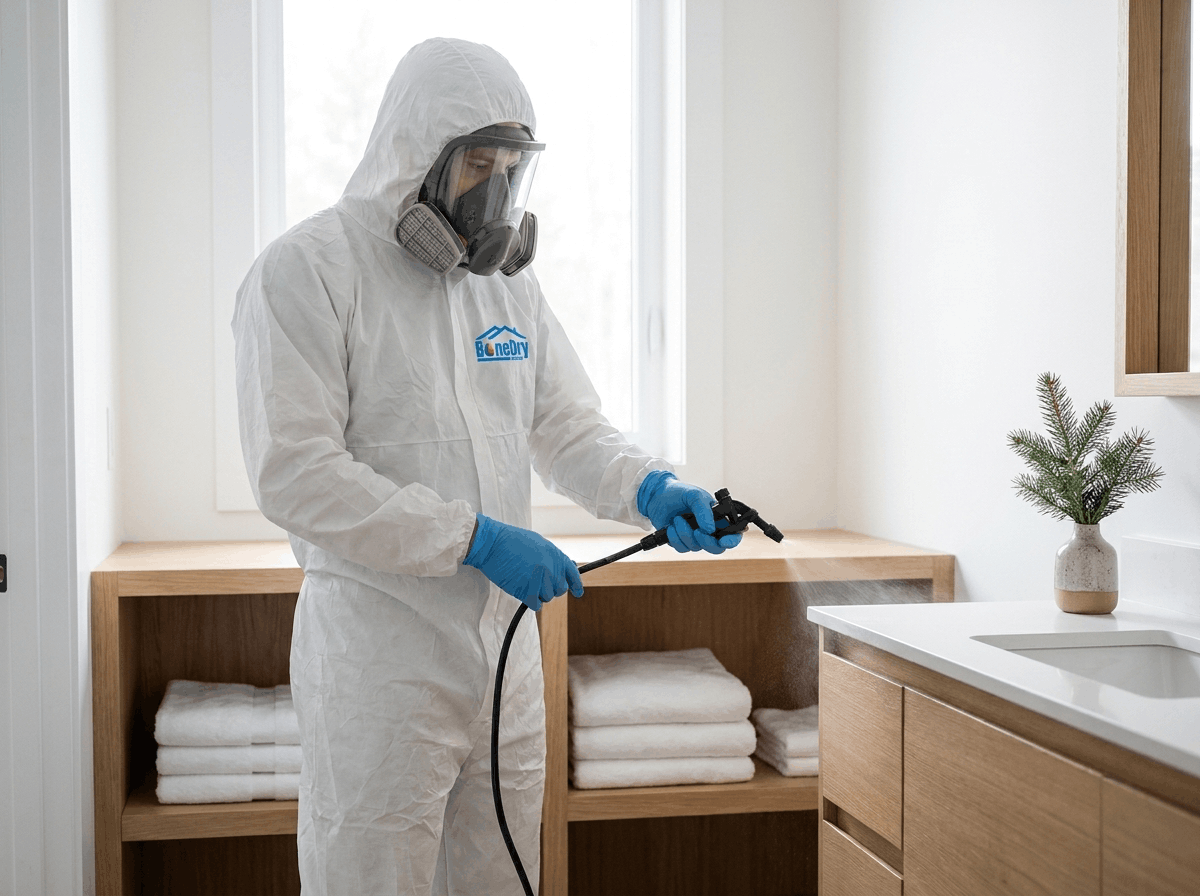
Hidden Contaminants That Surface Before the Holidays
Late fall is when many hidden problems in a home come to light. Cold weather drives pests indoors, seldom-used rooms get opened for guests, and storage areas are emptied to find decorations. Each of these moments can reveal contamination that has been building quietly for months, and some of it falls squarely into biohazard cleanup territory.
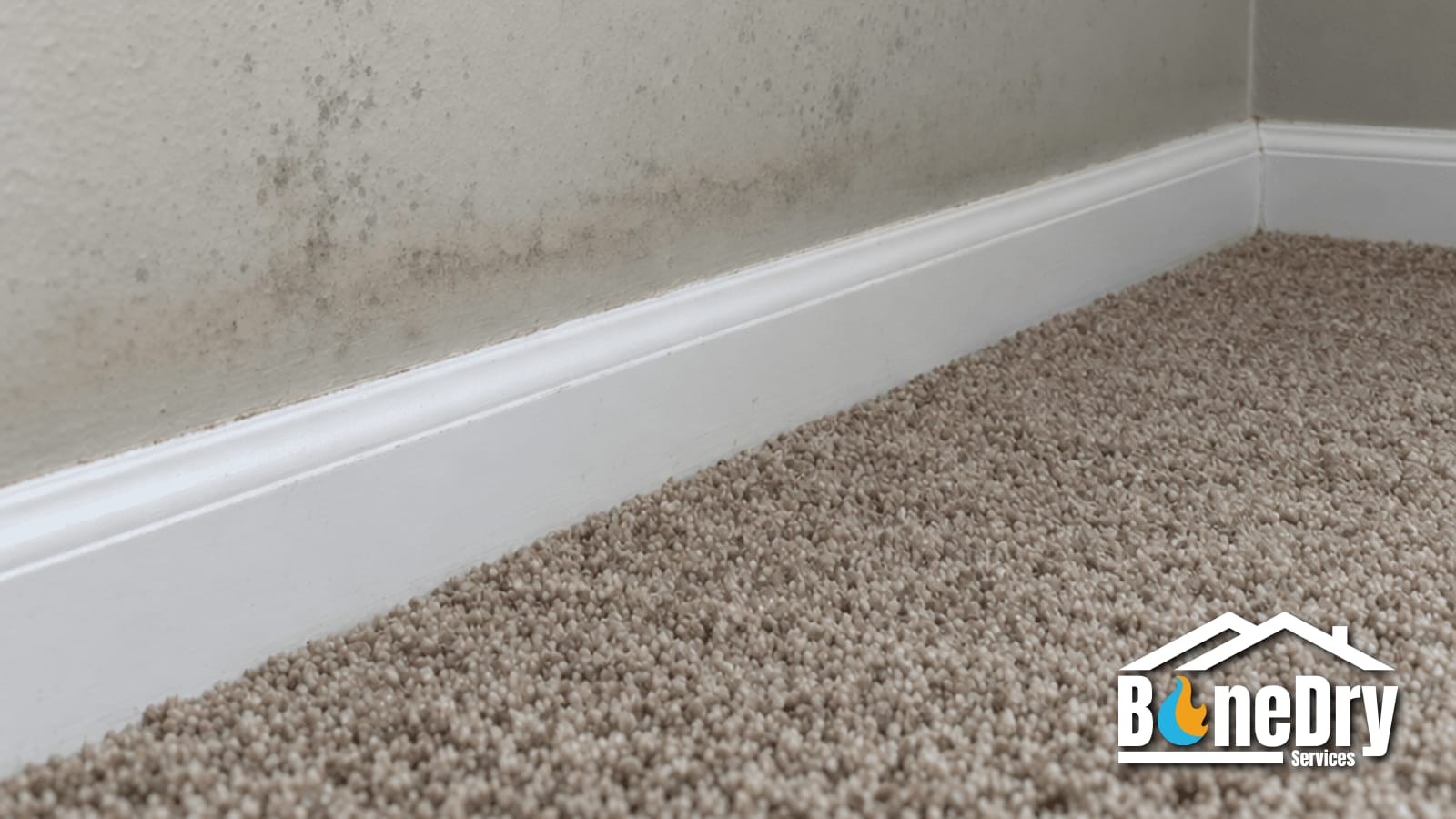
The most common issues we see before the holidays include rodent activity in garages, attics, crawl spaces, and storage rooms; residue left behind after a sewage backup or toilet overflow that was cleaned up with household products; pet urine and feces that have soaked through carpet into the pad and subfloor; mold growth in basements or guest bathrooms that have not been used regularly; and contamination in a vacant property, rental, or relative's home that has been empty or poorly maintained.
None of these problems announce themselves the way a burst pipe does. They show up as a faint odor, a stain that keeps returning, or droppings found behind a stack of boxes. Because guests may sleep in a basement suite or spend time in rooms the household rarely uses, it is worth inspecting those spaces carefully well before anyone arrives.
Rodent Droppings and Hantavirus in Colorado
Rodent droppings deserve special caution in Colorado because deer mice can carry hantavirus, a rare but serious illness spread by breathing in particles from contaminated droppings, urine, and nesting material. Public health guidance is clear that droppings should never be swept or vacuumed dry, because that sends particles into the air. The area should be ventilated, wetted with a disinfectant, and cleaned with proper protective equipment. For significant infestations, or for droppings in enclosed spaces such as attics and crawl spaces, professional cleanup is the safer route.
Leftover Sewage and Pet Contamination
Sewage contains bacteria and viruses that household cleaners do not reliably eliminate, especially once it has soaked into carpet pad, drywall, or wood. If a basement or bathroom had a backup earlier in the year and the cleanup was done without professional disinfection, contamination and odor can remain in the materials. Our sewage cleanup process removes affected porous materials and disinfects the structure so the space is safe to use. Heavy pet contamination follows a similar logic: if urine has reached the pad and subfloor, surface cleaning alone will not resolve the odor or the bacteria.
Cleaning, Sanitizing, and Disinfecting: Knowing the Difference
Much of the confusion around holiday deep cleaning comes from treating three different processes as if they were the same. Understanding the difference is what separates a home that looks clean from one that is genuinely healthy for guests.
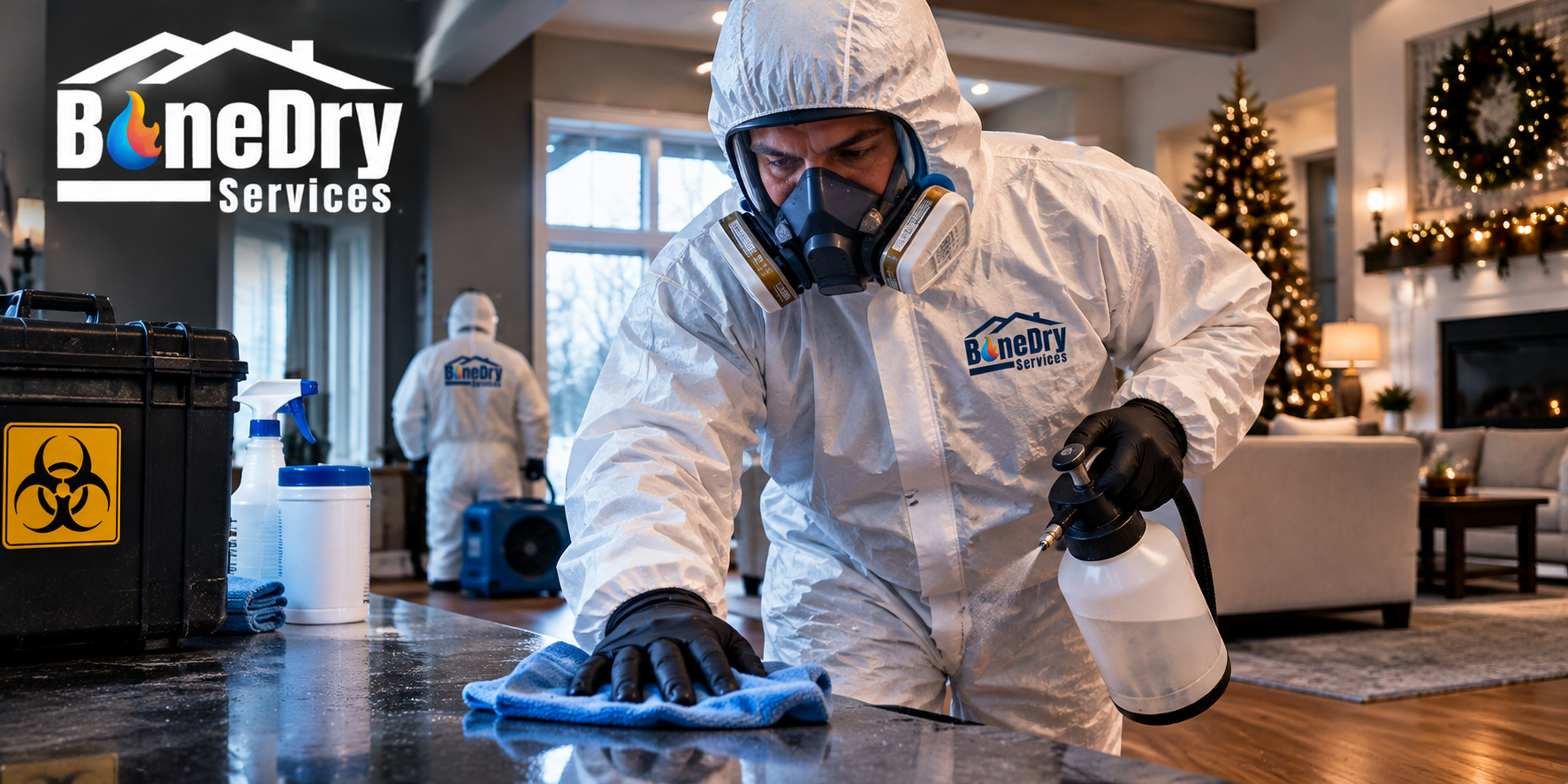
Cleaning removes visible dirt, dust, and residue from a surface using soap or detergent and physical scrubbing. It is the essential first step, because disinfectants cannot work properly through a layer of grime. Sanitizing reduces the number of bacteria on a surface to a level considered safe by public health standards, which is often appropriate for food-contact surfaces. Disinfecting uses registered products to kill a much broader range of bacteria and viruses on hard, non-porous surfaces, and it only works when the product is used as directed on the label.
That last detail matters more than most people realize. Every registered disinfectant lists a contact time, the length of time the surface must stay visibly wet for the product to work. Spraying and immediately wiping a counter is cleaning, not disinfecting. Professional biohazard cleanup follows the label for every product, uses disinfectants matched to the contamination involved, and pairs them with the correct cleaning method first. We explain the science in more depth in our article on why biohazard sanitization goes beyond surface cleaning.
Why Bleach Is Not Always the Answer
Bleach is a familiar disinfectant, but it is not a universal solution. It loses effectiveness on dirty surfaces, can damage many finishes and fabrics, does not penetrate porous materials, and becomes dangerous when mixed with ammonia or acidic cleaners. It also does nothing to remove the contaminated material itself. In a true biohazard situation, removing affected porous materials and using the right registered products in the right sequence is far more effective than heavy use of bleach.
A Room-by-Room Guest-Readiness Standard
Preparing a home for guests is easier with a clear standard for each space. The goal is a home where the surfaces guests touch are clean and disinfected, the air is fresh, and no hidden contamination remains in the rooms they will use. These are the areas worth the most attention:
- Guest bathrooms: Clean, then disinfect toilets, sinks, faucet handles, and shower surfaces, observing product contact times. Check under the vanity and around the toilet base for signs of past leaks or odor.
- Guest bedrooms and basement suites: Launder all bedding, vacuum with a HEPA-filter vacuum, and check closets, under beds, and window wells for moisture, mold, or droppings.
- Kitchen and dining areas: Sanitize food-contact surfaces, clean inside the refrigerator, and check under the sink and behind appliances for leaks or pest activity.
- High-touch points: Disinfect door handles, light switches, railings, remote controls, and faucet handles throughout the home before guests arrive and periodically during their stay.
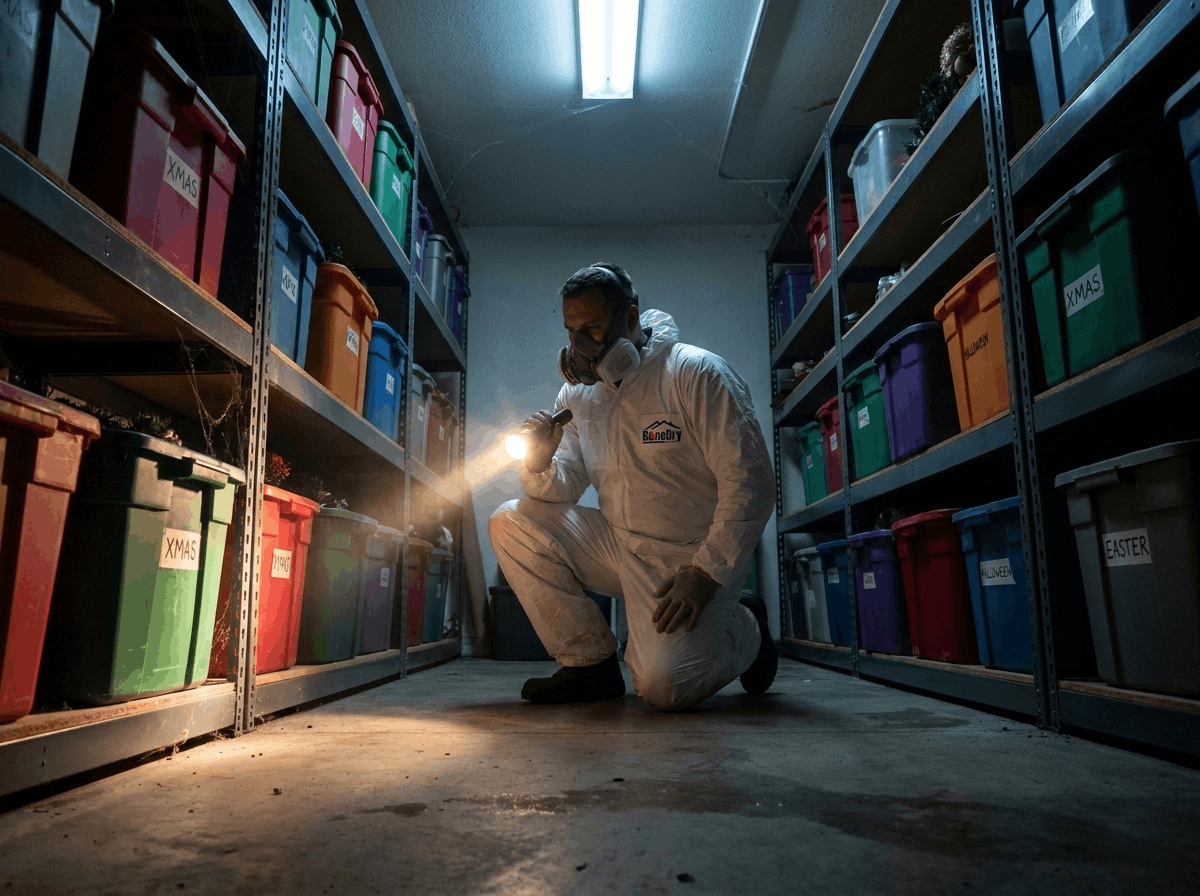
- Storage areas and garages: Inspect for rodent droppings and nesting before retrieving decorations, and do not sweep droppings dry if you find them.
- Air quality: Replace HVAC filters, run bathroom exhaust fans, and address any musty or sour odors at the source rather than masking them.
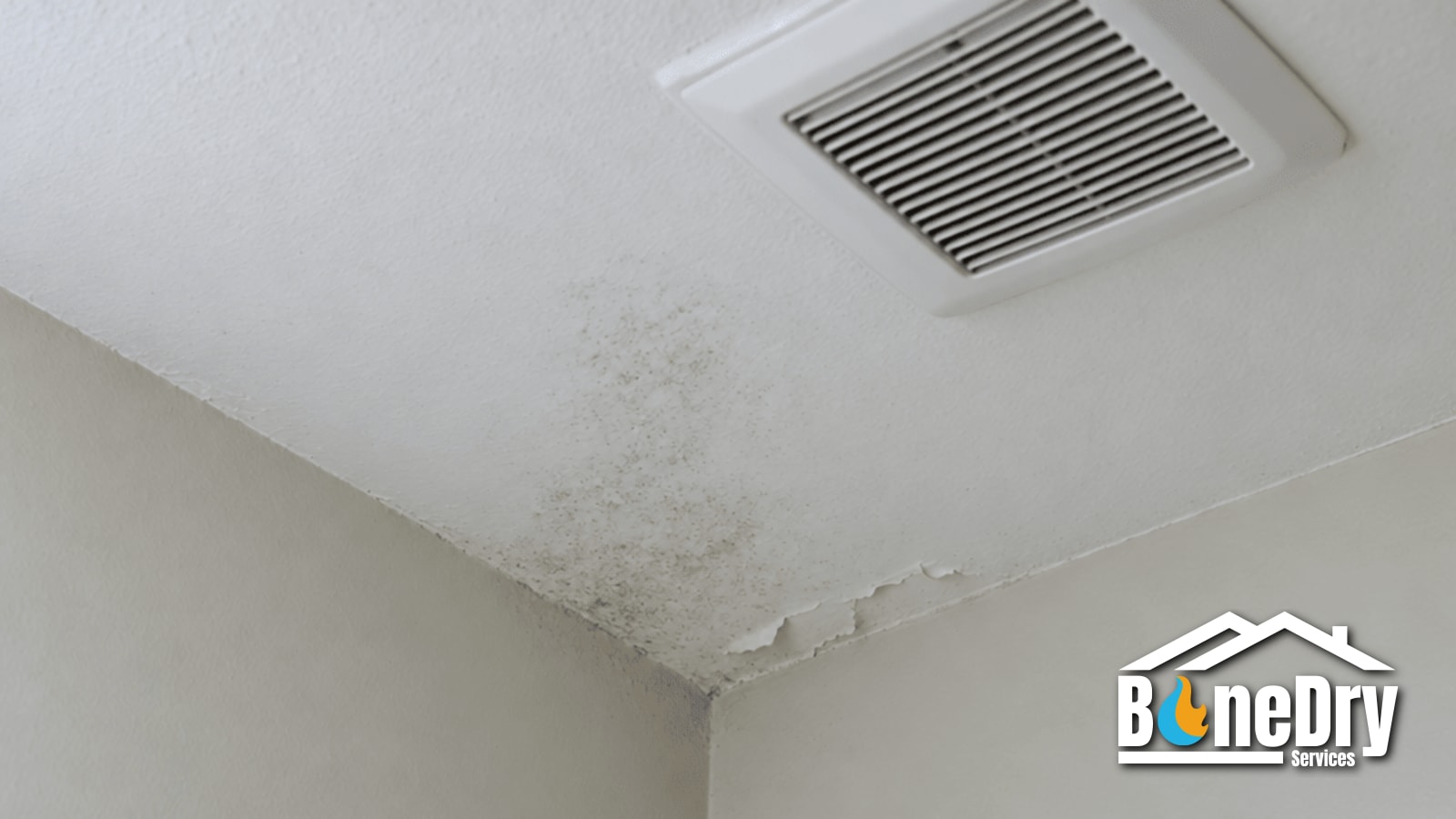
If inspection turns up visible mold, our mold removal and remediation team can contain and remove it safely, which matters when guests may be sleeping in the affected area. Persistent odors that survive cleaning usually point to a source inside porous materials, and professional odor removal addresses that source directly.
When a Holiday Deep Clean Becomes a Biohazard Cleanup
Most holiday preparation is well within a homeowner's reach. Some situations, however, carry health risks that make professional biohazard cleanup the responsible choice, both for the people doing the cleaning and for the guests who will use the space afterward. These are the clearest signs it is time to call a certified team:
- Significant rodent infestation: Large amounts of droppings, nesting material, or dead rodents, especially in enclosed spaces like attics, crawl spaces, or ductwork.
- Sewage residue: Any area affected by a sewage backup or toilet overflow where porous materials were not removed and professionally disinfected.
- Blood or bodily fluids: Any situation involving blood or other bodily fluids, including after an injury, illness, or unattended death.
- Hoarding conditions: A relative's or rental property with accumulated waste, spoiled food, animal contamination, or unsafe conditions.
- Extensive mold: Mold covering a large area, mold in the HVAC system, or mold in a space where vulnerable guests will sleep.
In each of these situations, the risk is not only the contamination itself but the process of removing it. Disturbing it without containment and protective equipment can spread contaminants through the home. BoneDry's technicians are trained to handle hazardous materials and follow strict safety protocols, and our article on when a property requires certified remediation services explains these situations in more detail. If you are unsure whether a problem needs professional attention, you can contact us to schedule an inspection.
Why Professional Biohazard Cleanup Gives Peace of Mind for the Holidays
The holidays are about the people in the home, and the most meaningful preparation is making sure the environment is safe for them. Professional biohazard cleanup removes contamination at its source, disinfects with the correct products and contact times, and verifies the result, so homeowners are not left guessing whether a room is truly ready for a newborn or an elderly parent.
Timing is the other advantage. Scheduling an inspection and any needed cleanup a few weeks before guests arrive leaves room to address what is found without a last-minute scramble. It also protects the homeowner from the physical risk of handling hazardous materials themselves during an already busy season.
As the largest privately owned restoration company in Colorado, BoneDry handles biohazard situations with discretion and care, from a single contaminated room to an entire property that needs to be made safe before family can stay there.
📞 Call BoneDry Services at (303) 276-4163 today for discreet, certified biohazard cleanup that gets your home guest-ready across Denver, Boulder, Colorado Springs, and the Front Range.
Frequently Asked Questions
What counts as a biohazard in a home?
A household biohazard is any biological material that can spread disease, including blood and bodily fluids, sewage, rodent droppings and urine, animal waste, and certain mold growth. Situations such as sewage backups, hoarding, significant pest infestations, unattended deaths, and injuries often involve biohazards. These materials can contain bacteria, viruses, or other pathogens, which is why they require proper protective equipment, registered disinfectants, and safe disposal rather than routine household cleaning.
Is it safe to clean up mouse droppings myself?
Small amounts of droppings can be cleaned carefully by a homeowner if public health guidance is followed: ventilate the space, wear gloves and a respirator, wet the droppings with a disinfectant, wait for the recommended contact time, then wipe them up and dispose of them in a sealed bag. Never sweep or vacuum droppings dry, as this can release particles into the air. For large infestations or droppings in enclosed spaces such as attics and crawl spaces, professional cleanup is the safer choice.
What is the difference between sanitizing and disinfecting?
Sanitizing reduces bacteria on a surface to a level considered safe by public health standards, and it is commonly used on food-contact surfaces. Disinfecting uses registered products to kill a broader range of bacteria and viruses on hard, non-porous surfaces. Both require the surface to be cleaned first and the product to remain wet for the contact time listed on its label. Spraying and immediately wiping a surface does not achieve proper disinfection.
How far ahead of the holidays should I schedule a biohazard cleanup?
Scheduling an inspection two to four weeks before guests arrive is ideal. That window allows time to identify any hidden contamination, complete the cleanup, remove and replace affected materials if needed, and let the space air out. It also avoids the scheduling pressure of the days right before a holiday. For urgent situations, such as a sewage backup or the discovery of significant contamination, BoneDry provides 24/7 emergency response.
Will homeowners insurance pay for biohazard cleanup?
Coverage depends on the policy and the cause. Biohazard cleanup that results from a sudden, covered event, such as a sewage backup with the right endorsement or damage following a covered loss, may be included, while contamination from gradual neglect or pest infestation is often excluded. BoneDry works directly with insurance companies and provides detailed documentation to support eligible claims. Homeowners should review their policy, and our team can help explain what documentation the insurer will need.