


After a frozen pipe burst in Denver, the most useful thing you can do for your insurance claim is record the damage before anything is moved, dried or torn out: photos and video of every wet area, a list of damaged belongings, receipts for every emergency cost, and notes on every call with your insurer. A claim is settled on what can be shown, so a few careful minutes now protect you for the whole claim.
Once the plumber has stopped the water, the restoration work starts quickly, and every cabinet, carpet pad and section of drywall that comes out takes evidence with it. Our 24/7 water damage restoration team documents the damage before removing anything, and it helps to keep your own record alongside ours.
At BoneDry Services, a family-owned, local restoration company, we have seen how much easier a claim goes when the homeowner kept good records from the first day. This guide is the record-keeping layer only. If the leak just happened, start with our guide to the water still in the walls after the plumber leaves, then come back here.
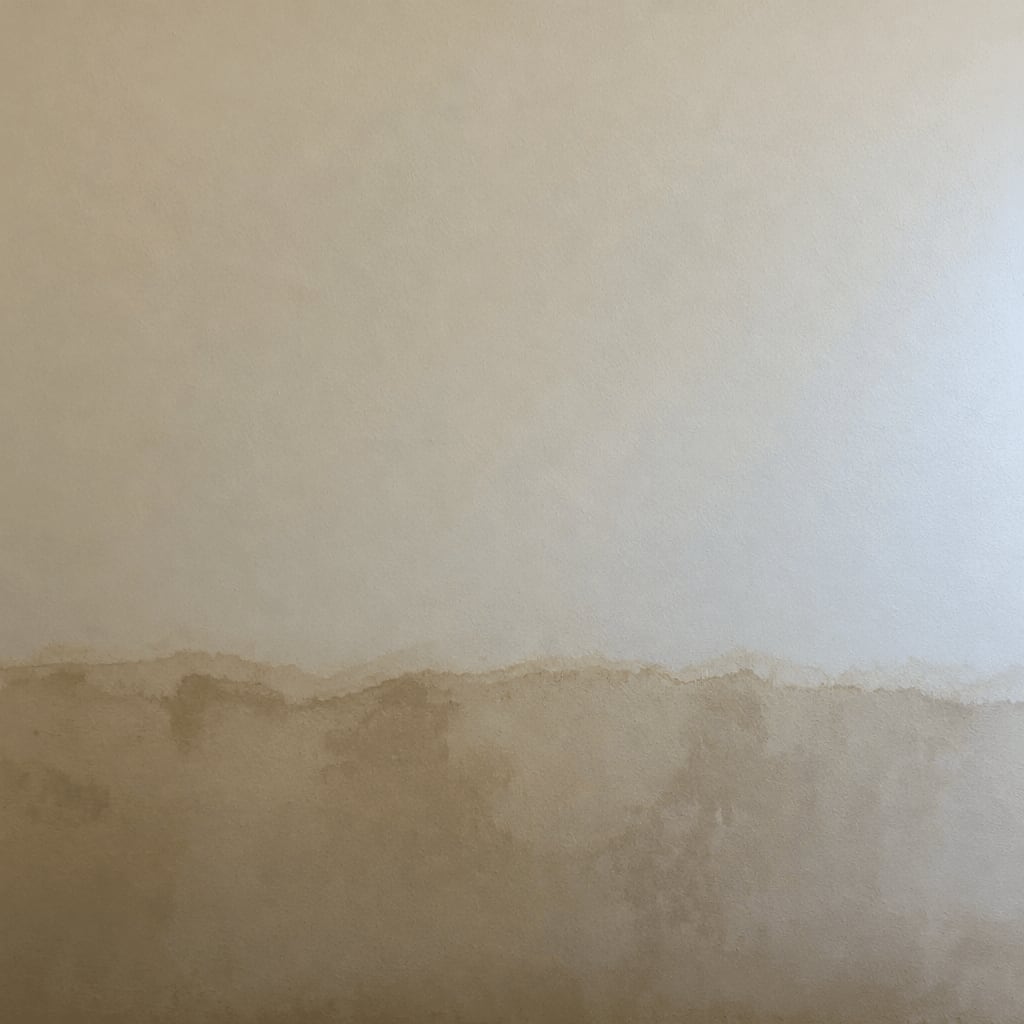
What to photograph before anything is moved
Photos and video are the backbone of a water damage claim. They show where the water came from, how far it went and what it touched, which is exactly what an adjuster needs to understand the loss. Once wet materials are removed, that story can only be told from your pictures and the restoration company's records.
Start wide, then get close. Walk through each affected room and record a short video narrating what you see, then take still photos of each wall, floor and ceiling that is wet or stained. Turn on every light and open the blinds so the pictures are clear.
Take more than you think you need. Photos cost nothing, and a picture you did not take cannot be recreated after the drywall is gone.
The source and the water line
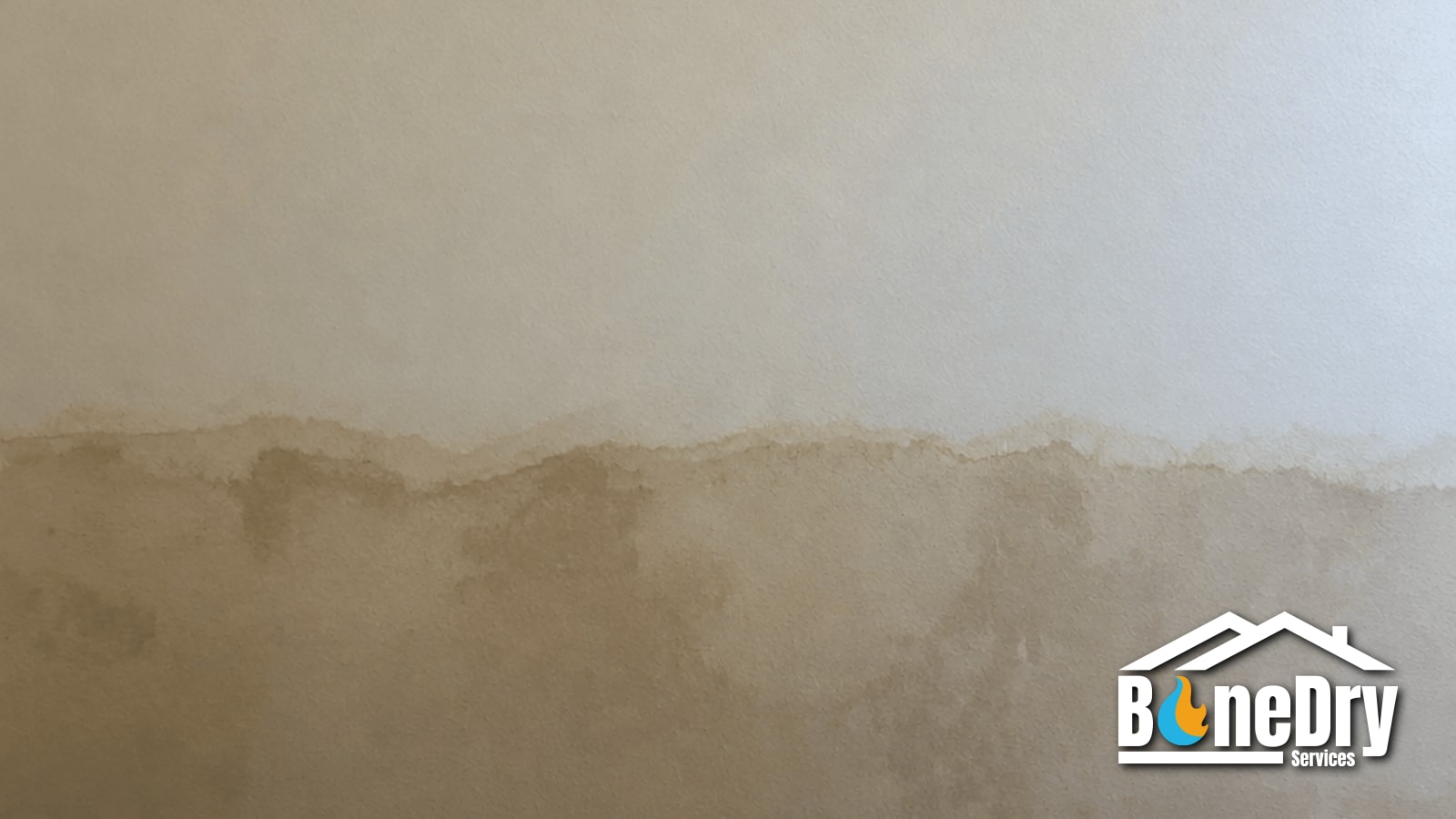
Photograph the pipe or fitting that failed, after the water is shut off, along with anything that shows why it burst, such as an exterior wall or an unheated crawlspace. Then capture the water line: the stain or tide mark on drywall, cabinets and baseboards that shows how high the water reached. Hold a tape measure against the wall in a few shots so the height is clear.
Every wet room and every damaged item
Water travels farther than it looks, so photograph rooms next to and below the leak even if they seem dry. For belongings, take a photo of each damaged item and a close-up of its brand, model number or serial number where there is one. For furniture, electronics and appliances, that label is often what sets the replacement value.
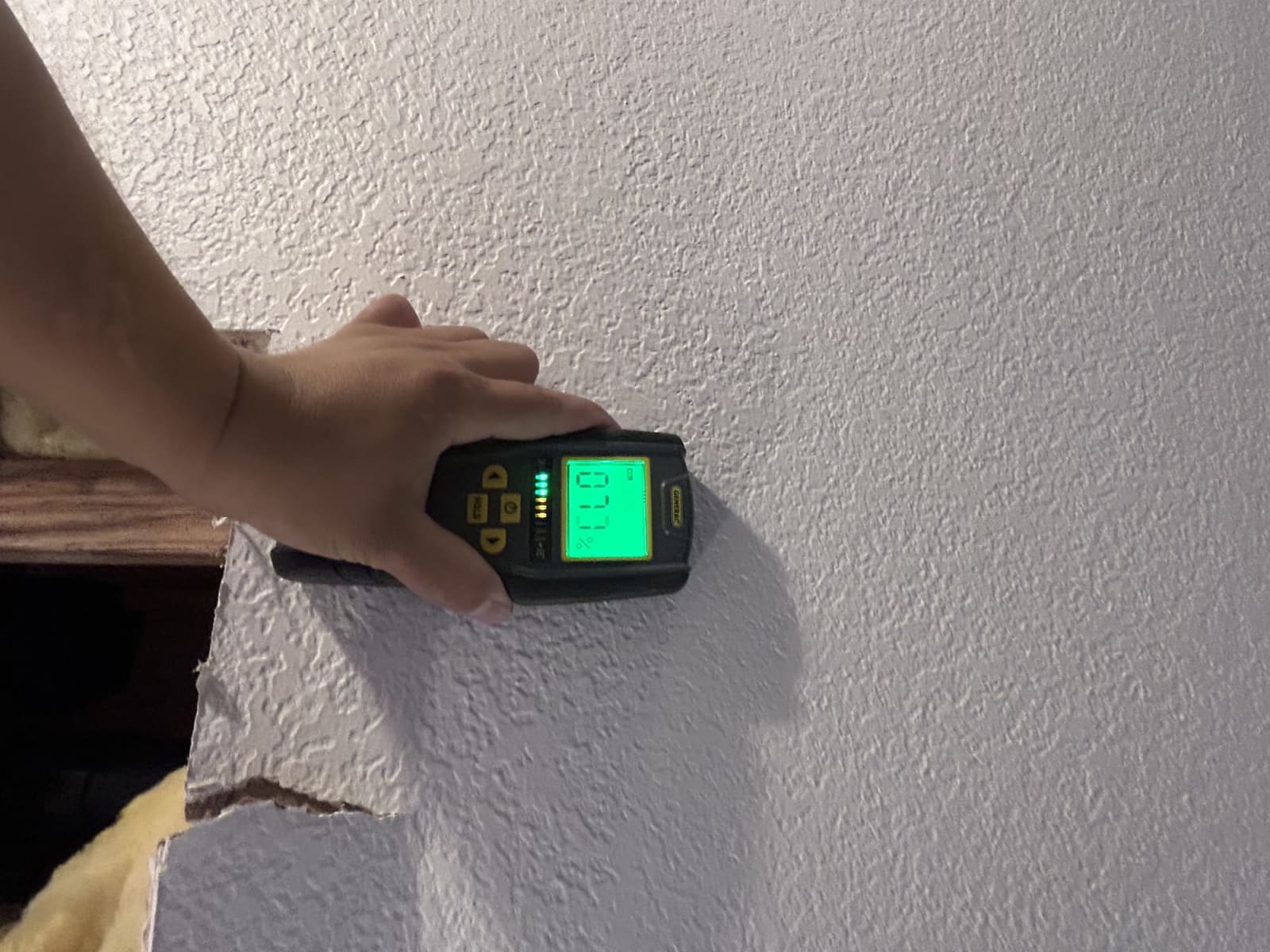
The paper trail that protects your claim
Pictures show the damage. The paper trail shows what you did about it and what it cost. Together they make a loss that is easy to understand and hard to dispute.
Keep everything in one place from the first day: a folder on your phone, a shared online folder or a plain envelope on the kitchen counter. It does not need to be neat, it just needs to be complete.
Your list of damaged items and your receipts
Start a list of damaged items the same day, room by room, with a short description, roughly how old each item is and where you bought it if you remember. Keep every receipt for emergency costs: the plumber who stopped the leak, a hotel night if the home was not livable, fans or supplies you bought, and meals while you were out of the house. Ask your insurer which of these your policy may reimburse, and keep the receipts either way.
A log of every call and visit
Write down every conversation with your insurance company: the date, the person's name, your claim number and what was agreed. Do the same for visits from the adjuster and the restoration crew. Notes made on the day are far more reliable than memory weeks later, and they keep everyone working from the same facts.
How the work is done
A well-documented job protects you from two problems at once: a claim that is underpaid because the damage was not recorded, and a scope that is padded because no one can check it. When you call us after a burst pipe, the documentation is built into every step.
- Record the damage first: before anything is removed, the crew photographs each affected area and notes what is wet.
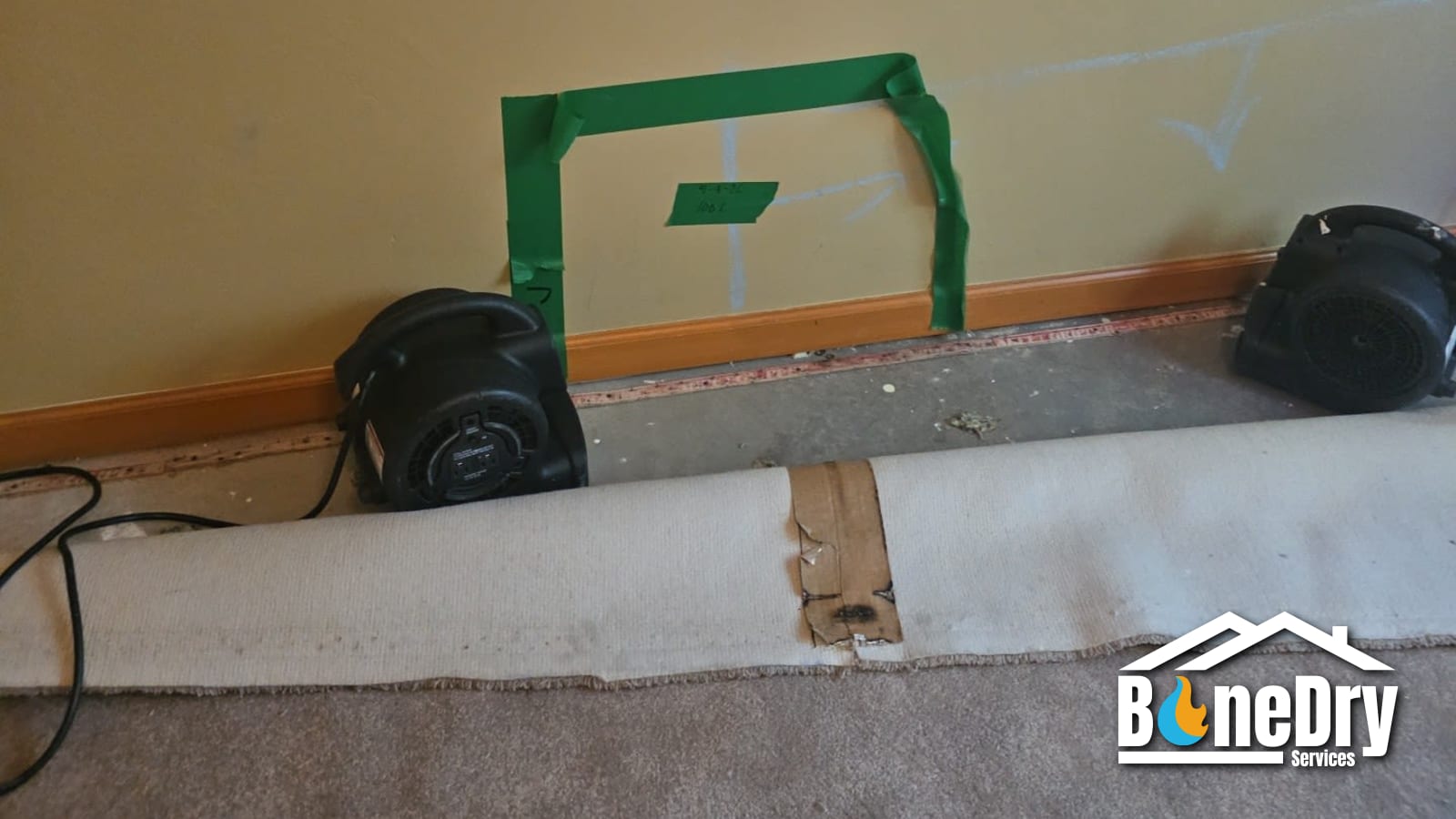
- Map the moisture: moisture meters and, where useful, thermal imaging show how far the water traveled inside walls and floors, so the scope is based on readings, not guesses.
- Remove only what cannot be saved: wet materials that have to come out are photographed before removal, so the record shows why each one went.
- Dry and check daily: drying equipment is placed where the readings call for it, and readings are taken on each visit until materials are back to normal.
- Rebuild with the same team: once the home is dry, we replace what was removed ourselves, so the record runs from the first photo to the finished room.
Moisture readings are what keep a job honest, because they show what is actually wet. Our structural drying and dehumidification page explains how we dry walls, floors and framing without tearing out more than the job needs.
What acting promptly protects
Good records are easiest to make in the first hours, while the damage is still in place. Call a restoration company within the first 24 to 48 hours to prevent mold and permanent structural damage. Starting promptly protects four things:
- Your proof of loss: photos and readings taken before cleanup show the damage as it was, which is what the claim is settled on.
- Your claim's timeline: reporting the loss promptly and logging each call puts the cause and the date on record from the start.
- Your home: the sooner drying starts, the more drywall, flooring and cabinets can be dried in place instead of replaced.
- Your belongings: items photographed and moved out of the water early are more likely to be cleaned and saved.
If furniture, photos, documents or electronics got wet, they can often be saved when they are handled early. Our contents restoration page explains how we pack out, clean and store belongings while the home is dried and repaired.
📞 Call BoneDry Services at (303) 276-4163 today for water damage restoration across Denver, Boulder, and the Front Range.
Frequently Asked Questions
Should I take photos before I call my insurance company?
Make sure the water is shut off and everyone is safe first, then take photos and video before anything is moved. It only takes a few minutes, and it means you can describe the damage clearly when you report the loss. Report the claim promptly after that, and write down your claim number and the name of the person you spoke with. If you are not sure what your insurer needs, ask them on that first call.
Can I throw away wet carpet or furniture before the adjuster sees it?
Photograph it first, including any labels or model numbers, and ask your insurer before you discard anything. Some insurers want to see damaged items or a sample, such as a cut piece of carpet, while others accept photos. Wet materials sometimes have to come out quickly so the home can dry, and in that case good photos and a note of what was removed and when keep the record intact.
What records should I ask my restoration company for?
Ask for copies of the photos taken before work began, the moisture readings from each visit and a daily log of what was done and what equipment was used. Those records show what was wet, what was removed and why, and when the home was dry. They are also how you can check that the scope matches the damage. Keep them with your own photos and receipts.
What if I already started cleaning up before taking pictures?
You can still build a good record. Photograph what is left, including the water line, stained materials and anything you have already pulled out and set aside. Write down what you removed, when and why, while you still remember. Then tell your insurer what happened, and keep any receipts for supplies you used.
How long should I keep these records?
Keep everything at least until the claim is closed and the repairs are finished, and many homeowners keep the file for longer. The records are useful if a problem shows up later or if you sell the home. Ask your insurer whether there are any deadlines on your claim you should know about.