Emergency Restoration Services & Water Damage Repair in Colorado
24/7 water damage restoration, fire and smoke cleanup, mold remediation, and sewage and biohazard services across Denver, Boulder, Colorado Springs, and Front Range communities.
Oops! Something went wrong while submitting the form.
24/7 Water Damage Restoration
Mold Removal & Remediation
Fire Damage Restoration
Biohazard Cleanup
Storm Damage Restoration
Sewage Cleanup
Emergency Board-Up
Structural Drying & Dehumidification
Contents Restoration
Odor Removal
We work with all insurance companies.
3500+
Completed Projects
35+
Government Projects
100%
Client Satisfaction
About BoneDry Services
Restoring Your Property with Expertise and Care
BoneDry Services is a family-owned restoration company with over 7 years of industry experience. We are dedicated to providing fast, reliable, and professional services across Colorado. Specializing in water damage restoration, fire damage cleanup, mold remediation, and more, we ensure properties are restored to their original condition using eco-friendly solutions.
At BoneDry, we understand the stress of property damage. Our 24/7 emergency team provides fast, expert solutions, using the latest technology to restore your property and peace of mind. Whether it’s water damage, fire damage, or mold remediation, we handle everything with precision and care.
As a family-owned business, we focus on integrity and customer satisfaction. We work closely with clients and insurance providers to make the restoration process seamless and stress-free. From emergency restoration services to long-term restoration, BoneDry is your trusted partner in Colorado.
3500+
Completed Projects
35+
Government Projects
100%
Client Satisfaction
Our Services
Expert Restoration Services
Fast, Reliable, and Trusted Property Restoration: Experts in Water Restoration Service, Fire Damage Restoration, Mold Remediation, Emergency Sewage Cleanup, and Professional Biohazard Decontamination.
When disaster strikes, you need immediate property restoration services. From expert water restoration service to comprehensive reconstruction, our team provides full-service solutions to restore your home safely and quickly.
02
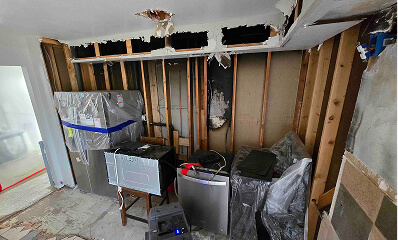
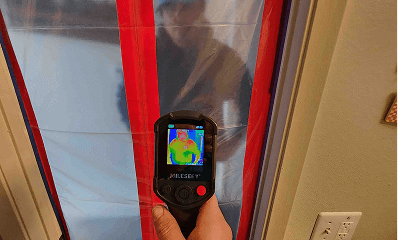
Inspection and Assessment
Once we’ve arrived, our team conducts a thorough inspection of the affected area. We assess the extent of the damage, identify the root cause, and create a custom restoration plan tailored to your needs.
03
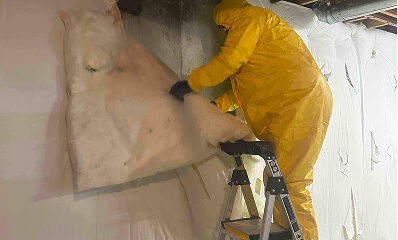
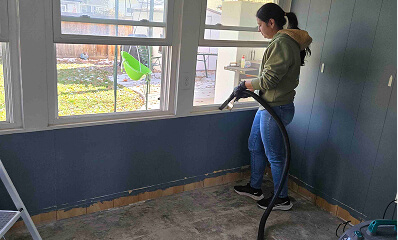
Restoration and Completion
Once the inspection and assessment are complete, we begin the restoration process. Our expert team works swiftly and efficiently to clean, repair, and restore your property to its pre-damage condition.
At BoneDry Services, we have successfully completed over 3,500 property restoration projects across Colorado. We provide 24/7 emergency restoration services and professional water damage repair for homeowners and businesses facing fire damage restoration, mold remediation, or sewage cleanup emergencies.
Expert Service, Local Integrity, and Unmatched Reliability
Why Colorado Trusts BoneDry Services for Emergency Restoration
BoneDry Services proudly serves the Colorado area 24/7, 365 days a year. Unlike large franchises or corporate-owned companies, we are deeply rooted in the community, with a thorough understanding of the challenges Colorado homeowners and businesses face. While there is a BoneDry Roofing location about an hour away, when you choose BoneDry Services, you get personalized service from a team that treats your property like our own.
Licensed, Insured and certified damage restoration
Insurance claims support and adjuster negotiations
Largest Privately owned restoration company in Colorado
JD got our small job patching a hole sorted out really quickly. His team was efficient and communicated with us really well through the whole process. You would never be able to tell there was a hole in the ceiling. Highly recommend!
Beth Kent
Homeowner
We had an unexpected water issue that flooded part of our basement on super bowl sunday and Bone Dry Services came to the rescue. From start to finish, the experience was professional, efficient, and stress-free.
Levi Johaston
Homeowner
Roman and Francisco worked for two days on my place. The were hardworking and very polite. Excellent communication skills and kept me updated on everything that was happening. Bone dry services has two great employees.
Miller Crowe
Homeowner
JD got our small job patching a hole sorted out really quickly. His team was efficient and communicated with us really well through the whole process. You would never be able to tell there was a hole in the ceiling. Highly recommend!
Beth Kent
Homeowner
Roman and Francisco worked for two days on my place. The were hardworking and very polite. Excellent communication skills and kept me updated on everything that was happening. Bone dry services has two great employees.
Miller Crowe
Homeowner
JD got our small job patching a hole sorted out really quickly. His team was efficient and communicated with us really well through the whole process. You would never be able to tell there was a hole in the ceiling. Highly recommend!
Beth Kent
Homeowner
I am going to steal a comment from the previous review - J.D. Stewart went above and beyond for me; That absolutely sums up my sentiment. While unlike the previous review, honestly I was not totally happy with the initial progress. JD was able to change my view of BoneDry. I acknowledge that every company has problems, but the important thing is to address them decisively and correct them rapidly. BoneDry did that with irreplaceable from JD. Because of that I am willing to overlook their (resolved) problems and recommend their services to anyone.
H K Wong
Bone Dry Services were great to work with. From Heidi always being available to communicate and answer our questions super quickly. To Ana, Burke, and Lina doing great work with a detailed cleaning. Jorge made sure everything was done to top quality, taking care of our house as if it was his own. And then JD, Manuel, and their team did a great carpet installation, making sure we were super happy with how it turned out. We definitely recommend!
Katie Coster
Roman and Francisco worked for two days on my place. The were hardworking and very polite. Excellent communication skills and kept me updated on everything that was happening. Bone dry services has two great employees.
Miller Crowe
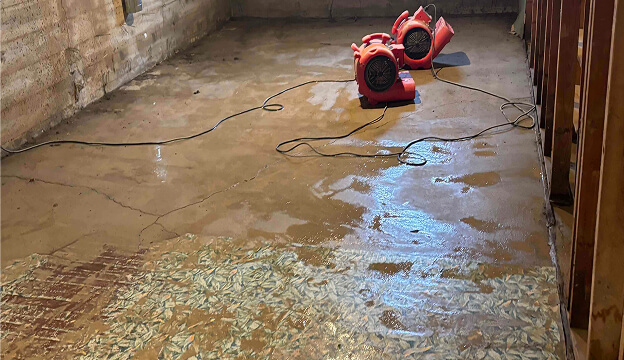
My water heater flooded my home back in May 2025 and a plumber from AAA Service Plumbing, Heating, and Electric came out to replace it. When the plumber was at my home, he told me about Bone Dry Services and called them to come out. Bone Dry immediately came to my home and assessed the damages. And they immediately set up fans and dehumidifiers for mitigation of the water damages. I had already had a water damage claim opened up with my insurance carrier and so the process got started between Bone Dry and my insurance company.
Ashley Luntsford
JD got our small job patching a hole sorted out really quickly. His team was efficient and communicated with us really well through the whole process. You would never be able to tell there was a hole in the ceiling. Highly recommend!
Beth Kent
I can’t recommend Bone Dry Services enough! From start to finish, their team went above and beyond to ensure my water damage issue was handled professionally and efficiently.
Tyson assessed the situation with expertise, not only identifying the problem but also taking the time to educate me on what to look for and how to better understand the issue. His knowledge and willingness to explain everything made a huge difference.
Vinncent Nguyen
Maria and Karen were wonderful! I would definitely have Bone Dry out again if we need this type of cleaning. We had concrete dust covering everything after some restoration work, but these two ladies did a great job cleaning all my walls and floors. It feels a lot better in my house now.
Dinae Dreessen
The whole Bonedry team really stepped up to help us with an entire bathroom restoration so we could close on our house in time! Brandon from the restoration team really stood out! He communication the entire time really went above and beyond. He was attentive and efficient! Thank you Brandon and Bonedry!
Chelsea Sapp
We had an unexpected water issue that flooded part of our basement on super bowl sunday and Bone Dry Services came to the rescue. From start to finish, the experience was professional, efficient, and stress-free. A huge shout out to Bryan R and Sara. Bryan was incredibly knowledgeable and thorough with the mitigation process, and Sara was so helpful and communicative throughout. They made a tough situation much easier to handle. Highly recommend Bone Dry Services for anyone dealing with water damage!
Levi Johaston
John, Santiago and JJ were all wonderful to work with. Very knowledgeable, prompt, and kind. They didn't rush, took time to explain the process. I'd definitely recommend BoneDry Services. They even brought my trash can up from the road.
Heather Ilgen
I’m so grateful for the help, attention to detail and customer service that Bone Dry has provided. It’s never convenient to have a pipe burst, but working with a company that has been kind, transparent and helped explain every step of the process has us given such peace of mind.
Megan Marshall
I run a plumbing company and needed help from a restoration company on a Sunday. They answered right away and were on the job site in less then an hour....... on a SUNDAY. Even though my customer was understandably upset, they dealt and worked with him and explained the restoration process. Colton and Connor are the best. If I ever need a restoration company they are going to be the only ones I call. Thanks guys. 🌟🌟🌟🌟🌟
lx Bernal
Blog
Our Latest Blogs
Unlike franchises and private equity owned restoration companies, We are Colorados largest family owned and operated restoration company.
Stone water damage restoration in Colorado. BoneDry Services gently removes flood silt from porous stone & high-end masonry without harming the finish.
Stone Water Damage Restoration in Colorado: Flood Silt Removal on Natural Stone
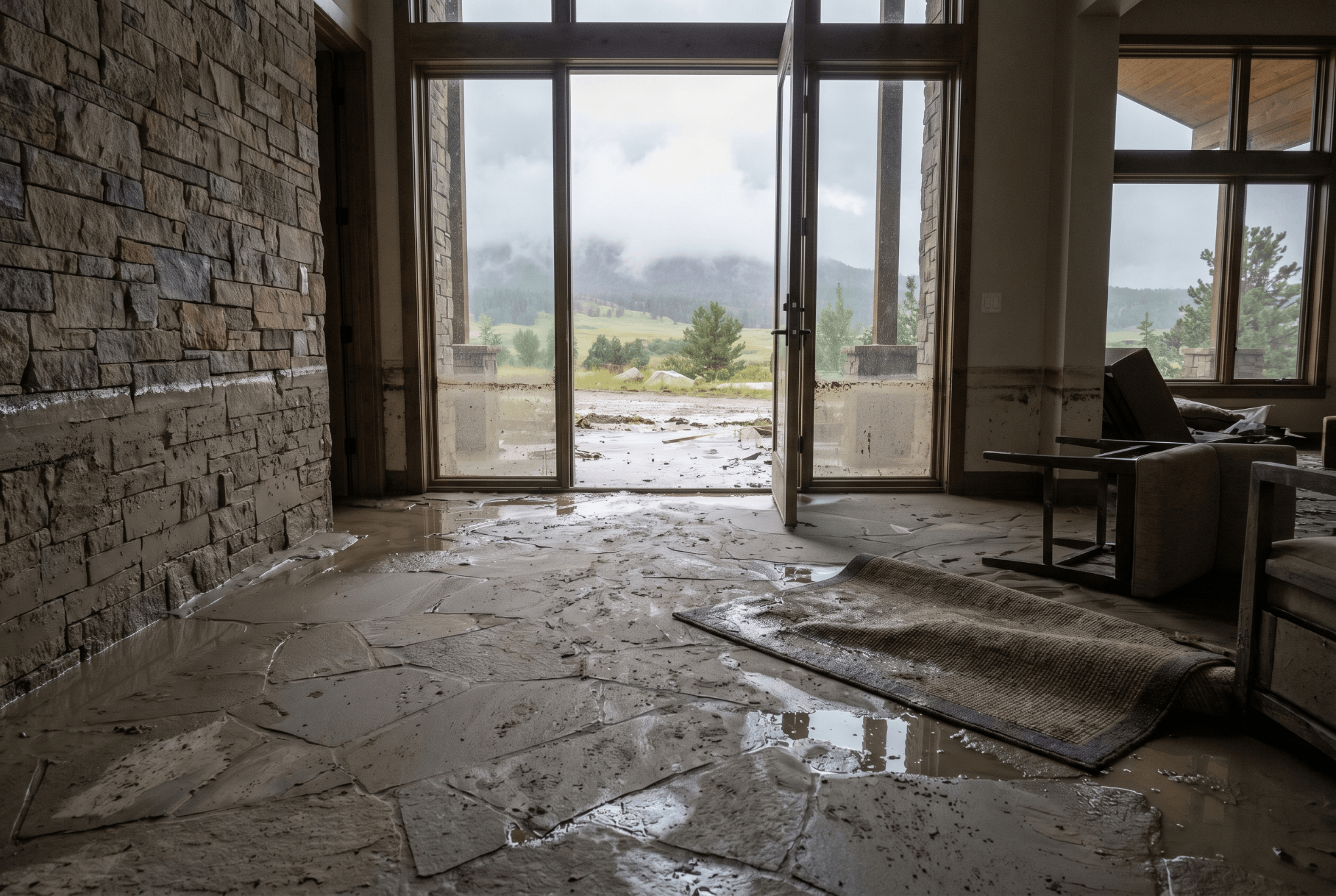
When a flash flood recedes from a Colorado property, it leaves behind more than water—it leaves silt. This fine, gritty sediment settles into the pores of natural stone patios, masonry entryways, and travertine walkways, and if it is cleaned the wrong way, it can permanently scar surfaces that cost a fortune to install.
Effective water damage restoration on high-end stone is not about pressure-washing the mess away. It is about understanding how abrasive flood silt behaves and removing it with methods gentle enough to protect the finish while thorough enough to leave the stone truly clean.
At BoneDry Services, we treat porous stone and luxury masonry as the irreplaceable architectural features they are. A flood does not just dirty these surfaces—it threatens their integrity, their color, and their value. The right approach restores them without leaving a trace of the damage.
Why Flood Silt Makes Stone Water Damage Restoration So Demanding
Flood silt is deceptively destructive. It looks like ordinary mud, but under magnification it is a mix of fine mineral particles, sand, organic matter, and grit carried in from streets, soil, and debris. As floodwater drains away, this material settles into every crevice and pore. On smooth tile it might wipe off easily, but on porous natural stone it lodges deep, and that is where stone water damage restoration becomes a specialized task rather than a simple cleanup.
The danger is twofold. First, the silt itself is abrasive—drag it across a polished or honed surface and it acts like sandpaper, etching micro-scratches that dull the finish permanently. Second, floodwater is rarely clean; it carries contaminants and staining agents that soak into stone if left in place. Removing both the grit and the contamination, without grinding the abrasive particles into the surface, is the central challenge of restoring high-end masonry after a flood.
The Abrasive Nature of Settled Silt
The instinct after a flood is to grab a stiff brush or a pressure washer and scrub. On luxury stone, that instinct causes damage. The trapped silt particles are harder than they look, and forcing them across the surface under pressure drives them into the stone, leaving a hazy, scratched finish that no amount of polishing fully restores. The first principle of proper stone water damage restoration is to lift the silt away, not grind it in.
How Porous Stone Holds Contamination
Natural stone such as travertine, limestone, and sandstone is full of microscopic pores that readily absorb both water and whatever it carries. Floodwater contaminants—soil tannins, oils, and organic matter—wick into these pores and can stain from within if not addressed quickly. This is why surface cleaning alone is never enough; the stone has to be drawn clean from inside its pore structure, then properly dried before any sealing or finishing work begins.
Flood silt covering a luxury stone entryway floor inside a Colorado home before stone water damage restoration.
Specialized Cleaning Methods for High-End Masonry
Restoring flood-damaged stone safely depends entirely on matching the cleaning method to the material. A finish that survives gentle, controlled treatment will be ruined by aggressive blasting, so professional stone water damage restoration starts by identifying the stone type, its finish, and how the silt has bonded to it. Only then can the right combination of extraction, low-pressure rinsing, and pH-appropriate cleaning agents be applied.
The process generally begins by extracting standing water and loose sediment before it dries and hardens, since dried silt is far more difficult and risky to remove. When flooding affects the interior as well, our 24/7 water damage restoration teams handle extraction and drying across the whole property so that masonry, subfloors, and structure are all stabilized together rather than in isolation.
Gentle Extraction Before Anything Dries
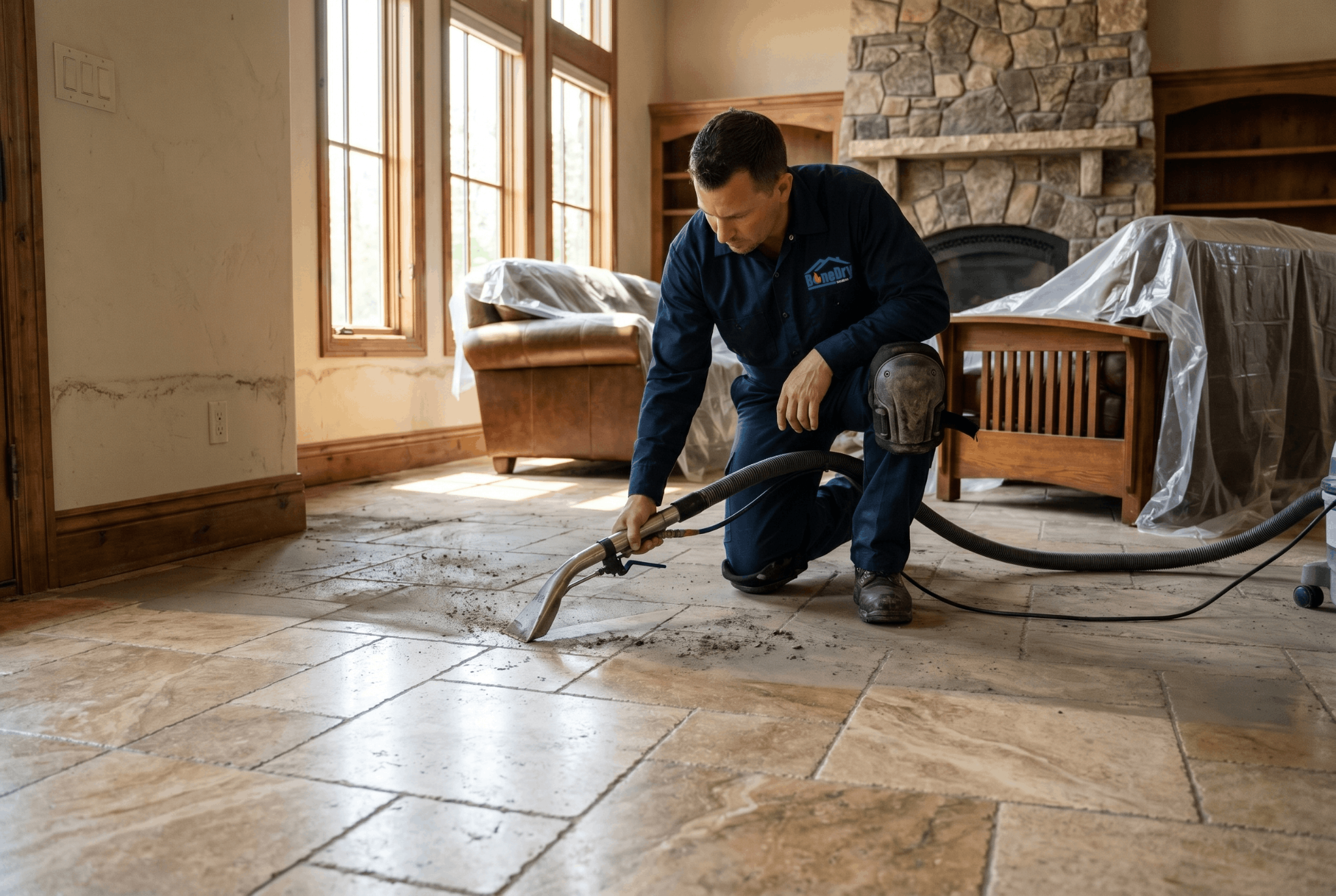
Timing is everything with flood silt. While it is still wet and suspended, it can be flushed and vacuumed away with relatively low risk to the finish. Once it dries, it cakes and bonds into the pores, and removing it becomes a far more delicate operation. Rapid, gentle extraction—using soft tools and controlled water flow rather than high pressure—removes the bulk of the sediment before it has a chance to set.
Matching the Cleaner to the Stone
Different stones demand different chemistry. Acidic cleaners that work on some masonry will etch and dull calcium-based stones like marble, limestone, and travertine almost instantly. Professional stone water damage restoration uses pH-balanced, stone-safe cleaners chosen for the specific material, applied with dwell times that lift contamination without attacking the finish. Test patches in inconspicuous areas confirm the approach before it is applied to the full surface.
The Water Damage Restoration Process for Flood-Damaged Stone
A safe, repeatable sequence protects the finish at every step. Skipping ahead—especially scrubbing before extraction—is where most stone damage happens. These are the five stages we follow on flood-silt water damage restoration for high-end stone and masonry:
Extract standing water and loose silt — Remove suspended sediment while it is still wet, before it dries and hardens into the pores.
Identify the stone and test methods — Confirm the material and finish, then test cleaners and tools on an inconspicuous area first.
Apply stone-safe, pH-balanced cleaning — Lift embedded silt and contamination using gentle agents and low-pressure rinsing matched to the stone.
Dry the stone thoroughly — Draw moisture out of the pore structure with controlled drying before any sealing begins.
Reseal and restore the finish — Re-apply sealer and, where needed, polish or hone to return the surface to its pre-flood condition.
Following this order keeps the abrasive silt away from the finish and ensures the stone is genuinely clean and stable before it is sealed back up.
What Sets Professional Stone Water Damage Restoration Apart
Restoring luxury masonry after a flood takes more than a willing crew and a power washer. The capabilities that distinguish expert stone water damage restoration are about protecting the finish as much as cleaning the surface:
Material-specific knowledge — Crews identify each stone type and adjust methods so calcium-based surfaces are never exposed to damaging chemistry.
Low-pressure, abrasion-aware technique — Silt is lifted and flushed rather than scrubbed in, preventing the micro-scratching that dulls finishes.
Controlled drying of pore structure — Moisture is drawn out of the stone itself, not just the surface, before sealing traps anything inside.
Sealing and finish restoration — Sealers and polishing return the stone to its original protection and appearance, closing the loop on the repair.
Flooding rarely stops at the patio. When storms drive water into a home, our storm damage restoration teams address the full scope—exterior masonry, interior structure, and everything in between—so the property is restored as a whole rather than in disconnected pieces.
Restoration technician gently extracting flood silt from a travertine floor inside a luxury Colorado living room during stone water damage restoration.
Protect Your Stone Before the Damage Sets
Flood silt does its worst damage in the hours after the water recedes, as it dries and bonds into porous stone. The faster a skilled team begins gentle extraction, the more of your patio, entryway, or masonry can be saved without permanent scarring. As Colorado's largest privately owned, family-operated restoration company, BoneDry Services brings the material knowledge and careful technique that high-end stone demands.
📞 Call BoneDry Services at (303) 276-4163 today for expert Water Damage Restoration that removes flood silt and protects your porous stone and high-end masonry.
FAQ
Can I just pressure-wash flood silt off my stone patio?
It is risky and usually a mistake on high-end stone. Pressure washing drives the abrasive silt particles across and into the surface, etching micro-scratches that permanently dull polished and honed finishes. It can also force water and contamination deeper into the pores. Professional stone water damage restoration instead lifts and flushes the silt with low-pressure, stone-safe methods. This removes the sediment thoroughly while protecting the finish you paid to install.
Why is flood silt so damaging to porous stone?
Flood silt is a gritty mix of fine minerals, sand, and organic matter, and it is harder and more abrasive than it looks. On porous stone like travertine and limestone, it settles deep into the pores rather than staying on the surface. It also carries staining contaminants from soil and debris that soak in if not removed quickly. Cleaning it incorrectly grinds the grit into the finish, which is why specialized methods matter so much.
How quickly should silt be cleaned after a flood?
As quickly as possible, ideally while the silt is still wet and suspended. In that state it can be gently flushed and vacuumed away with minimal risk to the finish. Once it dries, it cakes and bonds into the pore structure, making removal far more difficult and far more likely to damage the stone. Prompt stone water damage restoration is the single biggest factor in saving flood-affected masonry.
Will flood damage ruin the sealer on my stone?
Flooding often compromises the sealer, letting water and contaminants reach the stone beneath. That is why resealing is a standard final step in proper restoration. Once the stone has been cleaned and fully dried through its pore structure, a fresh sealer is applied to restore its protection and appearance. Skipping the drying step and sealing too early can trap moisture and contamination inside, so timing and sequence are important.
Can different types of stone all be cleaned the same way?
No, and treating them the same is a common cause of damage. Calcium-based stones such as marble, limestone, and travertine are etched by acidic cleaners that may be fine on other masonry. Each material needs cleaners and techniques matched to its chemistry and finish. Professional stone water damage restoration identifies the stone first and tests methods on an inconspicuous area before treating the full surface, ensuring the right approach for every material.
Expert fire damage repair matching custom stains, crown molding & cabinetry. BoneDry Services rebuilds luxury Colorado homes to their original character.
Fire Damage Repair in Colorado: Matching Custom Finishes & Architecture
When a fire moves through a high-value Colorado home, the flames are only part of the story. The smoke, soot, and water used to extinguish the blaze leave behind a property that needs far more than a coat of paint. True fire damage repair begins where mitigation ends—the moment the structure is stabilized and dried, the real challenge becomes rebuilding it to look exactly as it did before. For estates with custom stains, hand-built crown molding, and bespoke cabinetry, that rebuild is where craftsmanship matters most.
At BoneDry Services, we treat the reconstruction phase as the heart of the recovery, not an afterthought. Anyone can demolish a damaged room. Restoring one so that its architecture, finishes, and character are indistinguishable from the original takes a different level of skill—and it is the difference between a repaired house and a fully restored home.
From Mitigation to Rebuild: The fire damage repair Transition
Every successful recovery moves through two distinct phases. Mitigation comes first—extracting water, removing soot, neutralizing odor, and drying the structure to halt ongoing damage. Reconstruction comes second, rebuilding what was lost or removed. The handoff between these two phases is where many projects falter, because the team that demolishes is often not the team that rebuilds.
A seamless fire damage repair process keeps both under one roof, so nothing is lost in translation.
This continuity matters enormously in high-end homes. When the same company that documented the original millwork also rebuilds it, the details survive. The crew already knows which cabinet doors were salvageable, which crown profile ran through the dining room, and which stain matched the library shelving—because they were there from the first hour. That institutional memory is impossible to recreate when a property changes hands mid-project.
Why a Clean Handoff Protects Custom Work
In the gap between drying out a home and rebuilding it, irreplaceable details are easily lost. Salvageable trim gets discarded as debris, finish samples vanish, and the architectural intent behind a custom space is forgotten. A coordinated transition preserves these elements deliberately. Before demolition, our teams photograph, label, and catalog the finishes worth saving, so the reconstruction phase starts with a complete record rather than guesswork.
Documenting Before Anything Is Removed
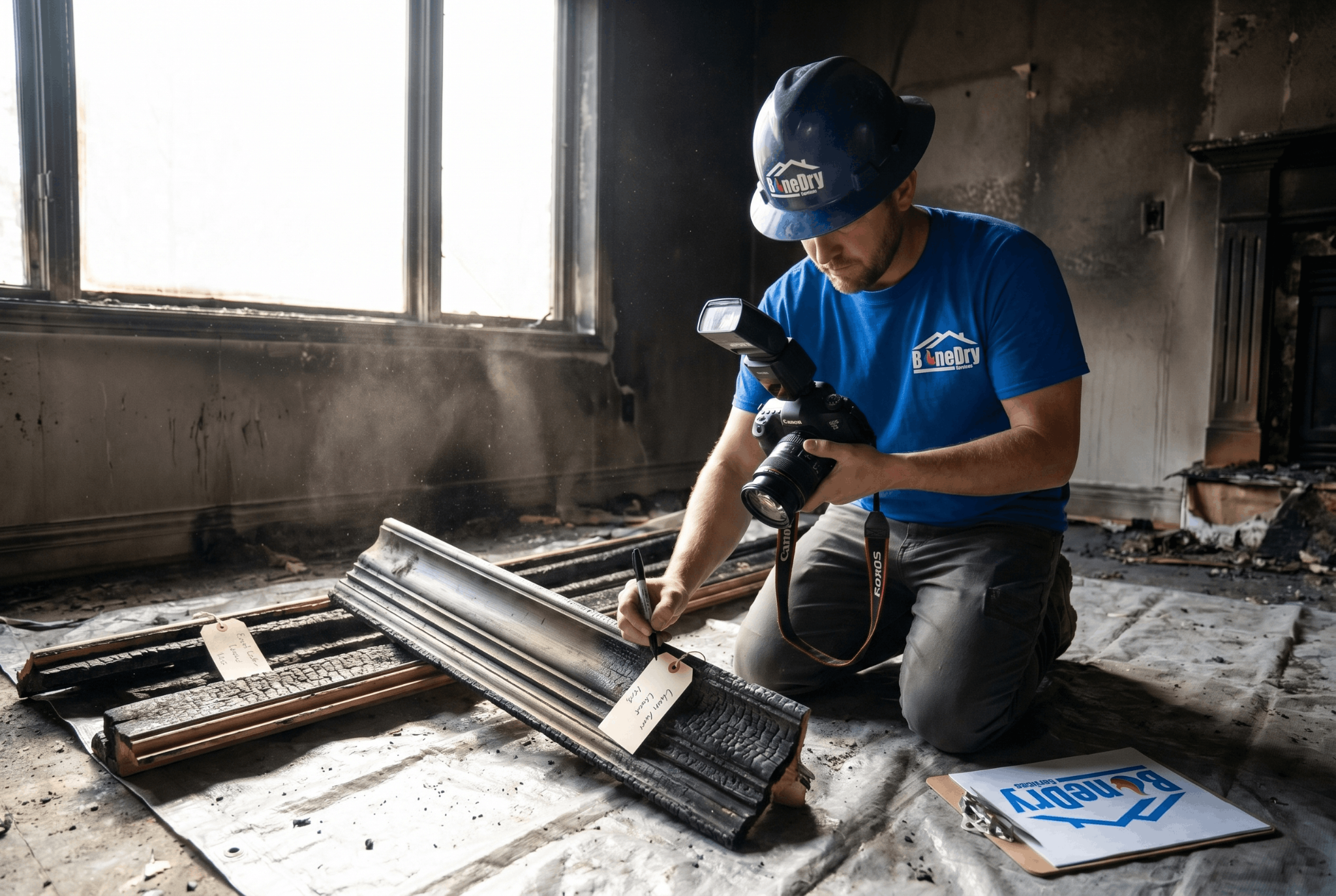
Thorough documentation is the foundation of an accurate rebuild. We record stain colors, molding profiles, cabinetry hardware, and tile layouts before a single board is pulled. This becomes the blueprint for matching—and it also supports the insurance claim, since custom finishes carry replacement values that standard estimates routinely undervalue. The more detail captured up front, the more faithful the final result.
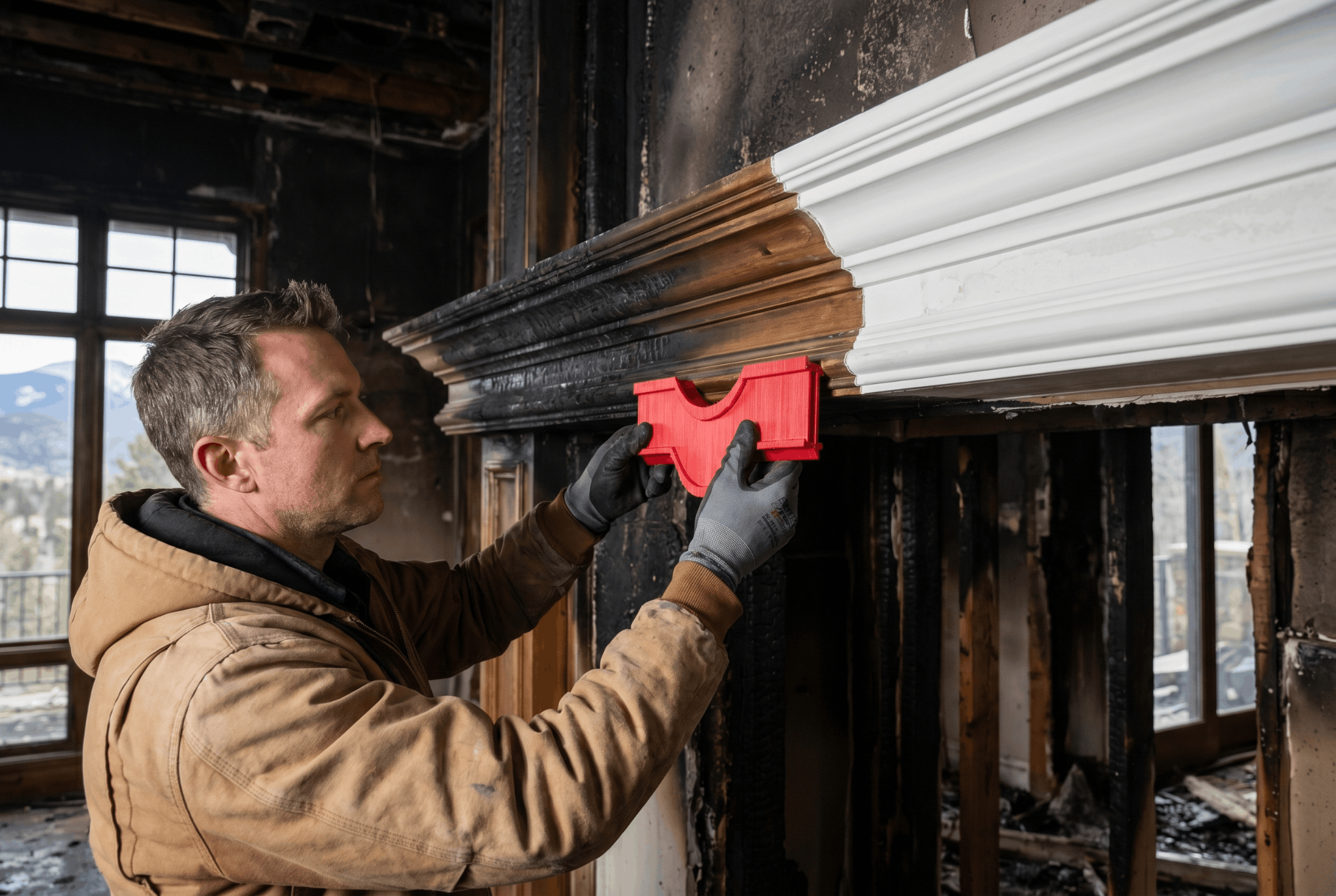
Fire Damage Repair specialist documenting custom crown molding before reconstruction in a luxury Colorado home.
Matching Custom Stains in fire damage repair
Few elements reveal a rushed rebuild faster than a mismatched wood stain. Custom stains are rarely off-the-shelf colors—they are layered, hand-applied finishes that respond to the specific grain of the wood beneath them. Matching them during fire damage repair is part science, part art, and it begins with understanding exactly how the original finish was built. Smoke residue and heat can also alter surrounding wood tones, which makes precise color reading essential.
Our finishers approach stain matching the way a conservator approaches a painting. Test panels are prepared on the same species of wood, finishes are layered and adjusted under the home's actual lighting, and the result is compared against undamaged sections of the original work. Only when the match is invisible does the finish go onto the rebuilt millwork. When fire is paired with water from suppression efforts, our 24/7 water damage restoration team ensures the wood is fully dried and stable before any new finish is applied.
Reading the Original Finish
Before any matching can happen, the original finish has to be understood. Was it a single stain or a glaze over a base coat? Was it sealed with oil or lacquer? These choices change how light reflects off the surface and how the color reads across the grain. Our team examines protected, undamaged sections—inside a cabinet, behind a baseboard—to identify the true original tone before fire and smoke altered it.
Blending New Work Into Old
Even a perfect color match can fail if the new work sits next to weathered original wood. Skilled finishers feather and blend the transition so that repaired sections flow naturally into untouched ones. Where partial replacement is necessary, the new piece is aged and toned to harmonize with its neighbors. The objective is a surface where no one can point to where the damage stopped and the repair began.
Rebuilding Crown Molding and High-End Cabinetry
Custom crown molding and built-in cabinetry are often the most architecturally significant elements in a luxury home—and the most difficult to replace. Stock profiles from a home center will never match a custom run milled decades ago, and a generic cabinet box destroys the proportions of a bespoke kitchen or library. Quality fire damage repair treats these features as architecture to be reproduced, not commodities to be swapped out.
Where original millwork can be salvaged, we restore it. Where it cannot, we replicate it—custom-milling molding to match the original profile and rebuilding cabinetry to the original dimensions, joinery, and finish. This is slower and more demanding than installing off-the-shelf replacements, but it is the only way to preserve the home's design integrity and its value.
Custom-Milling Molding to Match
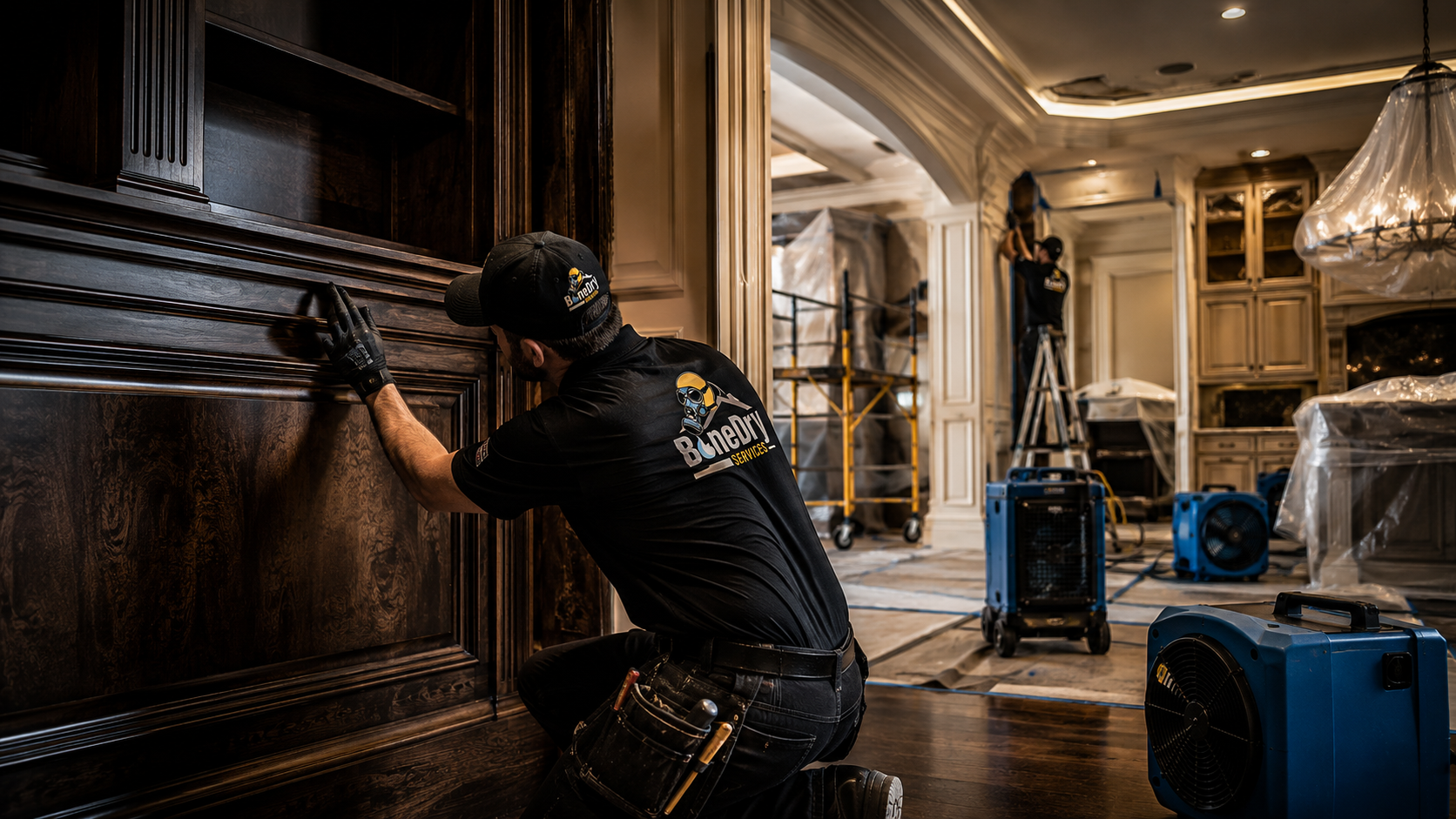
When a section of crown molding is destroyed, we take a profile of a surviving piece and have new molding milled to match it exactly. The new run is then primed, painted, or stained to blend seamlessly with the rest of the room. This attention to the original profile—the precise curves and reveals that give a molding its character—is what keeps a restored ceiling line from looking subtly, distractingly wrong.
Restoring vs. Replacing Cabinetry
Not every smoke-exposed cabinet needs to be torn out. Many can be cleaned, deodorized, refinished, and rehung, preserving the original craftsmanship. When a unit is beyond saving, we rebuild it to match its neighbors in wood species, door style, and finish. Lingering smoke odor trapped in cabinetry is addressed through professional odor removal, so the restored kitchen smells as clean as it looks.
Specialist matching custom crown molding during fire damage repair reconstruction of a luxury Colorado home.
The fire damage repair Reconstruction Sequence
A faithful rebuild follows a disciplined order. Skipping or rushing a step is where matching errors creep in. These are the five stages we follow on every high-end fire damage repair reconstruction:
Confirm structural drying and stability — No finish work begins until the structure and substrate are verified dry, so new materials are not applied over hidden moisture.
Catalog and source matching materials — Stains, molding profiles, cabinetry, and hardware are matched against documentation and sourced before installation begins.
Rebuild structural and architectural elements — Framing, drywall, and custom millwork are reconstructed to the original dimensions and design intent.
Apply and blend finishes — Stains, paints, and topcoats are layered and feathered so repaired areas merge invisibly with original surfaces.
Final inspection and walkthrough — The homeowner reviews the completed work against the pre-loss record to confirm the home is truly restored.
This sequence keeps the rebuild accountable and ensures that every custom element is addressed deliberately rather than improvised at the end.
What Sets High-End fire damage repair Apart
Reconstruction on a luxury estate demands capabilities that a standard rebuild simply does not. The features that distinguish executive-level fire damage repair are less about speed and more about precision and preservation:
Specialized material sourcing — Rare woods, custom profiles, and bespoke hardware are matched and sourced rather than substituted with generic equivalents.
In-house craftsmanship — Finishers, millworkers, and cabinet builders work under one roof, keeping the rebuild consistent and accountable.
Finish-matching expertise — Stains and topcoats are reproduced under the home's actual lighting, not approximated from a fan deck.
Insurance documentation support — Custom finishes are valued and recorded accurately so the claim reflects true replacement cost.
When a property suffers both fire and the water damage that follows suppression, this full-service depth becomes essential—our fire damage restoration teams carry a project from the first emergency call through the final finished surface without handing it off.
Fully restored luxury Colorado living room after fire damage repair with matched finishes and custom cabinetry.
Restore Your Home to Its Original Character
A fire is a profound disruption, but it does not have to mean losing the craftsmanship that made your home unique. With the right reconstruction team, custom stains, crown molding, and cabinetry can be brought back so faithfully that the loss leaves no trace.
As Colorado's largest privately owned, family-operated restoration company, BoneDry Services delivers the patience, skill, and accountability that high-end reconstruction requires.
📞 Call BoneDry Services at (303) 276-4163 today for expert fire damage repair that matches your home's custom finishes and architecture.
FAQ
What are the guidelines for fire mitigation in Colorado?
Colorado fire mitigation centers on creating defensible space around the home, hardening the structure, and managing fuels nearby. That means clearing dry vegetation, keeping a non-combustible zone within the first five feet, thinning trees, and using fire-resistant roofing and siding. State and local agencies also urge homeowners to follow seasonal fire restrictions and Red Flag warnings. After a fire, professional fire damage repair extends mitigation indoors—removing soot and odor and rebuilding to current safety standards.
What is the 30/30/30 rule for fire?
The 30-30-30 rule is a quick guideline for extreme wildfire risk. It warns that when temperatures reach about 30°C (86°F) or higher, relative humidity drops to 30 percent or lower, and winds blow at 30 km/h (roughly 19 mph) or stronger, fires can behave erratically and become very hard to control. Forecasters call this the “crossover” point. It is a ballpark warning rather than an exact threshold, but in Colorado's dry, windy conditions it signals when to be especially cautious.
How long will it take to rebuild after fire?
Timelines vary widely with the extent of damage and the complexity of the finishes involved. A contained, single-room loss may be rebuilt in a few weeks, while a major loss in a luxury home with custom millwork and cabinetry can take several months. Fire damage repair on high-end properties takes longer precisely because matching stains, milling molding, and rebuilding bespoke cabinetry cannot be rushed. A clear scope and accurate insurance documentation up front help keep the schedule realistic and on track.
What are the mitigation strategies for fires?
Effective fire mitigation works in layers. Around the home, that includes defensible space, fuel reduction, and fire-resistant building materials. On the structure, it means hardening roofs, vents, and exteriors against embers. During high-risk periods, homeowners should heed local fire restrictions and have an evacuation plan ready. After a fire occurs, mitigation shifts to rapid containment of smoke, soot, and water damage so that more of the home—and its custom finishes—can be saved during reconstruction.
What is a stage 2 fire restriction in Colorado?
A Stage 2 fire restriction is a near-total ban on outdoor fire activity, more severe than Stage 1. Under Stage 2, open fires, campfires, charcoal grills, fireworks, and similar ignition sources are prohibited, and activities like chainsaw use, welding, and outdoor smoking are heavily restricted. The exact terms vary by county, and some prohibitions extend even to private residences. These restrictions are imposed during periods of extreme fire danger to reduce the risk of human-caused wildfires.
Colorado Emergency Restoration for Luxury Colorado Homes & Estates
When a fire, flood, or storm strikes a high-value home in Aspen, Cherry Hills Village, or Douglas County, every hour counts. For owners of luxury Colorado estates, the speed of the response often determines how much of the property can be saved. Colorado Emergency Restoration at this level is not simply about extracting water or removing smoke—it is about mobilizing a rapid, expertly managed recovery that protects both the structure and the irreplaceable finishes inside it. This is what sets a true emergency response apart: 24/7 availability, fast on-site arrival, and the technical depth to stabilize a high-value home before minor damage becomes a major loss.
At BoneDry Services, we understand that a large loss in a high-profile community brings unique pressures. From curious neighbors to specialized insurance policies, the path back to "pre-loss" condition requires a level of coordination that standard franchises rarely provide.
What Rapid Colorado Emergency Restoration Really Means
For most homeowners, restoration is a logistical event. For owners of luxury estates, it is also a race against the clock. Water that sits for 48 hours becomes mold; smoke residue that isn't neutralized quickly etches custom finishes permanently. Rapid Colorado Emergency Restoration reframes the entire process around speed of response, getting certified crews on-site fast to stabilize the property and limit the spread of damage before it reaches irreplaceable materials.
This means 24/7 dispatch, fast on-site arrival across the Denver metro and mountain communities, and a single point of contact who coordinates the full scope of work from the first phone call. The goal is a recovery that moves quickly and decisively, containing the damage in the critical first hours when the difference between a minor repair and a full rebuild is measured in minutes.
Why the First Hour Matters Most
In a high-value home, the first hour after a loss is decisive. Clean water migrates into hardwood, drywall, and subfloors within minutes, and within 24 to 48 hours it can trigger mold growth that turns a contained leak into a whole-room remediation. A rapid emergency response stops that clock: certified technicians extract standing water, set up containment, and begin structural drying before moisture reaches the materials that are hardest and most expensive to replace.
Minimizing Disruption to the Home
A major loss should not force a family to abandon their home entirely. Efficient Colorado Emergency Restoration works to contain the damage to the affected zone—sealing off the work area, running air scrubbers to protect indoor air quality, and keeping unaffected living spaces clean, secured, and fully usable throughout the project. Fast, well-sequenced work means a shorter overall timeline and a quicker return to normal.
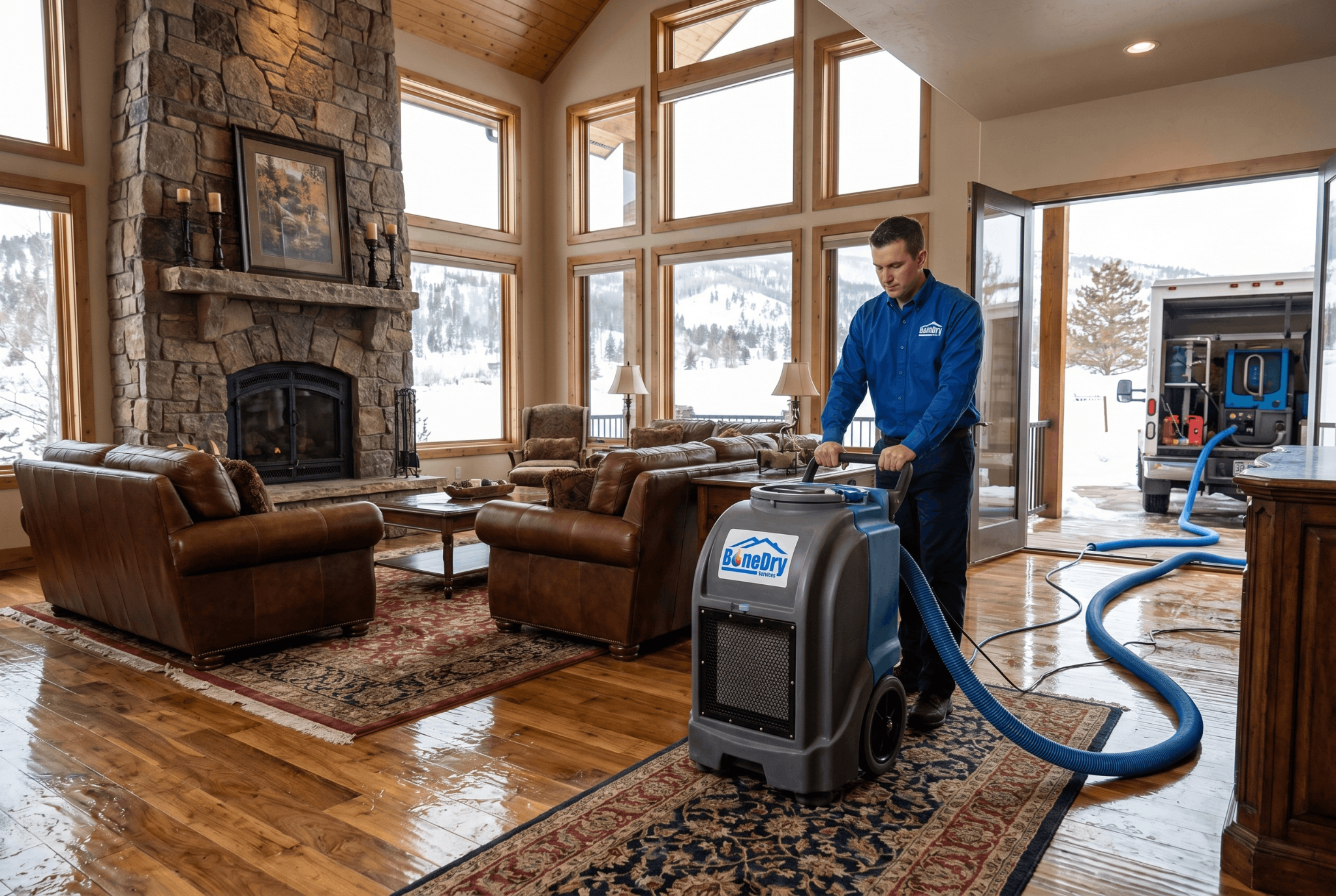
BoneDry Services technicians performing rapid water extraction in a luxury Colorado home after an emergency loss.
What Sets Local Colorado Emergency Restoration Apart
When a high-value home floods or burns, the geography of Colorado works against you. Mountain weather, canyon access roads, and the sheer distance between foothill estates and a crew's home base can turn a 20-minute drive into a two-hour delay—and in restoration, those hours are exactly when containable damage becomes catastrophic. A locally rooted emergency team is built to close that gap.
As Colorado's largest privately owned, family-operated restoration company, BoneDry Services offers 24/7 emergency response with on-site arrival typically within about 90 minutes. That speed, combined with deep familiarity with the building styles and seasonal hazards of communities like Aspen, Cherry Hills Village, and Douglas County, is what separates a true local emergency provider from a national franchise dispatching from miles away.
Local Crews, Faster Arrival
Restoration is a race against moisture, soot, and time, so arrival speed is the single most important variable. Crews based in and around the Denver metro can reach affected homes quickly, day or night, and begin mitigation before water wicks into wall cavities or smoke residue sets into finishes. When a pipe bursts at 9 p.m. or a storm tears off roof flashing overnight, there is one number to call and a team that is already nearby and ready to deploy.
Full-Service Capabilities Under One Roof
A high-value loss rarely involves just one type of damage. A burst pipe can mean water extraction, structural drying, mold prevention, and contents restoration all at once; a fire adds smoke, soot, and odor removal on top of that. Handling these phases in-house—rather than handing the home off between disconnected subcontractors—keeps the recovery fast and accountable, and protects rare materials and custom millwork by restoring them to their original character rather than patching with off-the-shelf substitutes.
Five Pillars of a Successful Large-Loss Recovery
A truly executive-level recovery rests on a structured framework. These are the five pillars we apply to every high-profile Colorado Emergency Restoration project:
Confidential intake and assessment — Damage is documented thoroughly and privately, with photography and reporting handled by trusted personnel only.
Low-visibility site staging — Equipment, dumpsters, and crew presence are positioned to reduce curb-side disruption and neighborhood attention.
Sequenced project scheduling — Each phase is timed to protect the household's routine and limit the total footprint of active work.
Specialized material sourcing — Custom and high-value finishes are matched and restored rather than replaced wherever feasible.
Verified completion and documentation — The property is returned to pre-loss condition with full reporting suitable for insurance and resale records.
This framework ensures that even the most complex losses—whether from 24/7 water damage restoration needs or a fire event—are handled with the same disciplined, low-profile approach from start to finish.
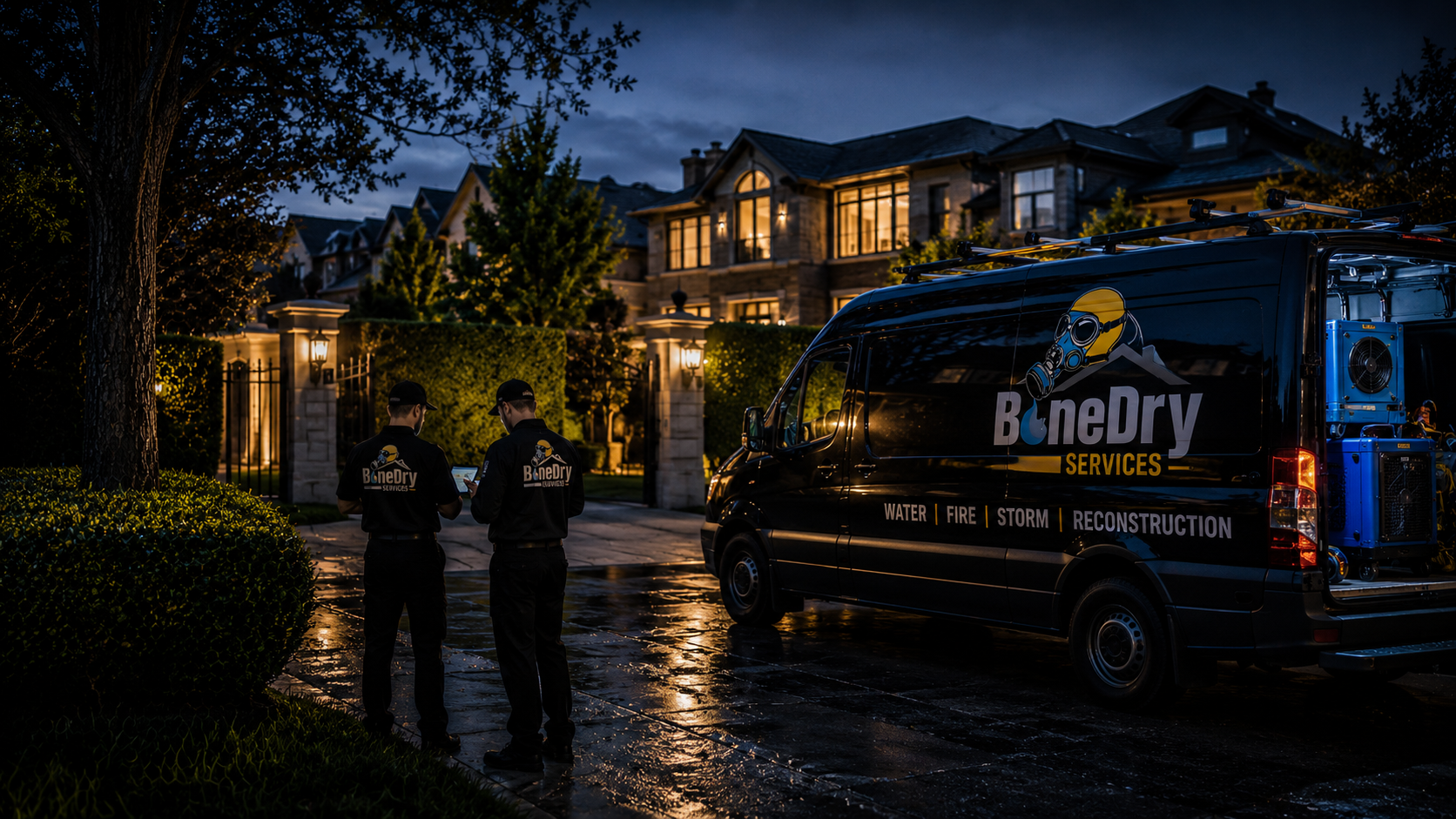
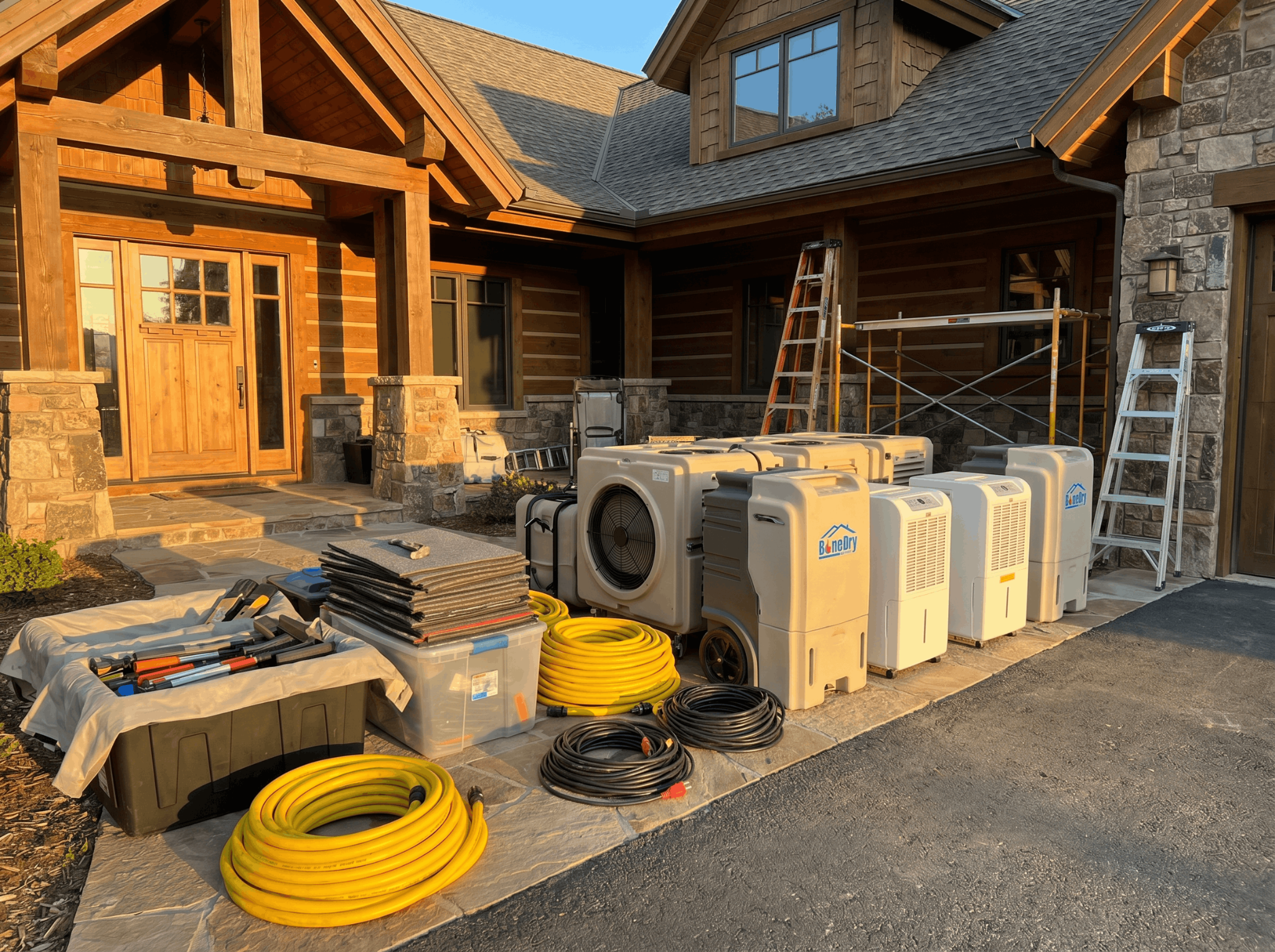
Colorado Emergency Restoration site staging at a high-profile Colorado property.
Why Colorado’s Climate Makes Response Speed Critical
Colorado’s climate creates restoration risks that homes in milder states never face. Hard winter freezes burst supply lines and split pipe joints; spring snowmelt and summer hail drive water through roofs and foundations; and wildfire season pushes smoke and soot into homes miles from the nearest flames. In high-elevation communities like Aspen, the freeze-thaw cycle alone makes a fast response essential.
This means the type of damage varies sharply by season and by region, and so does the urgency. A burst pipe in a vacant mountain home can run for hours before anyone notices, while a fast-moving grass fire can threaten a foothill estate with little warning. When a major event like a fire requires extensive work, our fire damage restoration teams respond quickly to contain smoke and soot before they cause permanent damage to finishes and air quality.
Winter Freeze and Burst Pipes
When temperatures plunge, water inside an unheated wall or an exposed line freezes, expands, and ruptures the pipe. The leak often goes undetected until the thaw, when gallons of water flood the structure at once. In second homes and seasonally occupied estates, this can mean days of unchecked water damage—which is exactly why a 24/7 emergency line and rapid extraction matter most in the winter months.
Wildfire Smoke and Storm Damage
Smoke particles and soot settle into HVAC systems, soft furnishings, and porous finishes long after a wildfire has passed, and the acidic residue can permanently etch surfaces if it isn’t neutralized quickly. Summer hailstorms and heavy spring runoff add roof and foundation water intrusion to the mix. Each of these demands a fast, specialized response—the sooner the source is addressed, the more of the home can be saved.
Working With Specialized Insurance Adjusters
Large losses on high-value properties rarely fit a standard insurance template. These homes are often covered by high-net-worth carriers and serviced by specialized adjusters who evaluate claims with far greater scrutiny and nuance. Navigating this relationship well is one of the most valuable parts of executive-level Colorado Emergency Restoration.
A few factors that distinguish high-value claim handling include:
Detailed scope documentation that accounts for custom finishes, rare materials, and replacement-cost considerations far beyond a typical policy.
Direct adjuster collaboration, where the project manager and adjuster work in tandem rather than at odds, keeping the claim moving smoothly.
Accurate valuation support, ensuring that bespoke elements are appraised and restored to their true worth rather than undervalued.
Our experience negotiating with adjusters means owners are not left to translate technical restoration language into insurance terms on their own. We bridge that gap, advocating for a fair and complete claim while keeping the process transparent.
Restoring Value, Not Just Repairing Damage
The ultimate measure of a luxury recovery is whether the property's character and value are fully preserved. This is why precision matters at every stage—from content handling to final finishes. Our contents restoration specialists treat heirlooms, art, and high-value possessions with the careful documentation and handling they deserve.
A fast, well-managed Colorado Emergency Restoration project leaves no lingering evidence of the loss. The home looks, functions, and feels exactly as it did before—because the damage was caught early and the structure was dried, cleaned, and rebuilt to its original standard.
Restoration technician completing a final inspection in a fully restored modern Colorado home after emergency water damage repair.
Why High-Profile Clients Choose BoneDry Services
As Colorado's largest privately owned, family-operated restoration company, BoneDry Services offers something national franchises cannot: personalized accountability. Every executive-level project receives a dedicated lead, a confidentiality-trained crew, and the technical depth required to restore even the most demanding estate. We combine discretion with genuine expertise, ensuring that your recovery is handled with the seriousness and care it warrants.
📞 Call BoneDry Services at (303) 276-4163 for discreet, executive-level Colorado Emergency Restoration today.
FAQ
What makes Colorado Emergency Restoration for high-profile homes?
Discreet restoration focuses on minimizing the visibility of the recovery process while delivering full technical results. This includes low-profile site staging, carefully scheduled deliveries, and confidentiality-trained crews who avoid drawing neighborhood attention. The goal is a recovery that protects both the property and the household's privacy. For high-profile owners, this discretion is treated as a core service standard rather than an optional extra.
How does project management improve the restoration experience?
Dedicated project management gives the homeowner a single, accountable point of contact instead of a confusing web of technicians and subcontractors. That project lead manages scheduling, documentation, and communication while coordinating specialized trades in proper sequence. This absorbs the complexity of a large loss so the client doesn't have to. The result is a calmer, more organized recovery with clear visibility into every phase.
How do you protect neighbor privacy during a large loss?
We actively manage discretion at the property line by scheduling deliveries during quieter hours, keeping the work zone contained and tidy, and briefing crews to disclose nothing about the household. The visible footprint of equipment and personnel is minimized wherever possible. Crews understand they are guests in a community that values privacy. This keeps the project from becoming a topic of neighborhood speculation.
Do you work with high-net-worth insurance adjusters?
Yes. Large losses on luxury estates are often covered by specialized high-net-worth carriers with adjusters who scrutinize claims closely. Our project managers collaborate directly with these adjusters, providing detailed scope documentation and accurate valuation support for custom finishes and rare materials. We advocate for a fair, complete claim while keeping the process transparent. This spares owners from translating restoration details into insurance terms themselves.
Can you restore custom finishes and high-value contents?
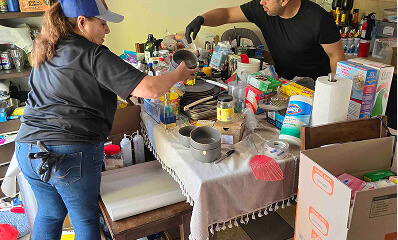
Absolutely. High-end estates often feature bespoke millwork, rare materials, and irreplaceable possessions that require specialized handling. We source matching materials and restore custom elements rather than replacing them with generic substitutes that diminish value. Our content teams document and treat heirlooms, art, and valuables with meticulous care. The objective is to preserve the property's full character and worth, not simply repair the damage.
We offer 24/7 emergency response and can arrive at your property within 90 mins to assess damage and start restoration. Time is crucial, and our team is always ready to act fast.
Does BoneDry handle insurance claims?
Yes! We work directly with your insurance company, providing detailed documentation of damages and restoration efforts to help make the claims process as smooth and efficient as possible.
What types of restoration services do you offer?
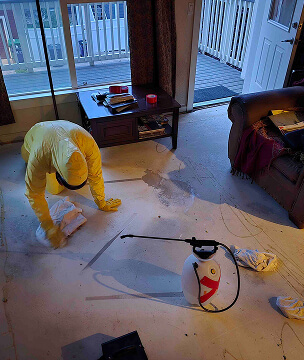
We specialize in water, fire, mold, sewage, storm damage, biohazard cleanup, and more. Whether you're facing flooding, fire damage, or hazardous contamination, we have you covered.
Is BoneDry certified to handle hazardous materials?
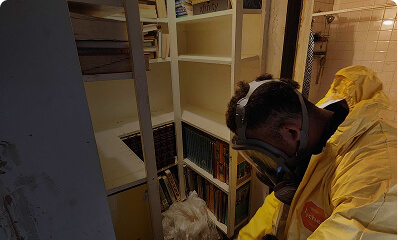
Yes, all of our technicians are certified and trained to handle hazardous materials, including mold, sewage, and biohazards. We follow strict safety protocols to ensure your property is safe.
How do I get a free inspection?
Simply contact us via phone or our online form. We’ll schedule a free inspection at your convenience to assess the damage and provide a detailed restoration plan.
Contact Us
Get Immediate Help
We’re available 24/7. Our team responds quickly and handles everything with care and discretion.
Thank you! Your submission has been received!
Oops! Something went wrong while submitting the form.




.jpg)












.svg)

.svg)
.svg)
.svg)


.svg)
.svg)
.svg)
.svg)
.svg)