


Sewage Cleanup in Denver: Backflow Prevention for Walk-Out Basements
A finished walk-out basement is often the most livable space in a Colorado home, with a guest suite, a bathroom, a wet bar, and a family room opening onto the yard. It is also, in plumbing terms, the lowest drain in the house. When the sewer line backs up, wastewater rises to the lowest opening first, and in a walk-out that usually means a basement shower or floor drain inside finished living space. Preventing that backflow is far easier and less expensive than a sewage cleanup after the fact.
Winter raises the risk. Holiday cooking sends more grease down kitchen drains, full houses put heavier loads on aging lines, tree roots continue working into older sewer pipes, and cold snaps can complicate drainage in shallow or exposed sections of line. A backup that would be an inconvenience in an unfinished basement becomes a Category 3 contamination event when it reaches carpet, drywall, and custom finishes.
At BoneDry Services, we see the aftermath of these backups every winter across the Denver metro. This guide explains why walk-out basements are especially vulnerable, how backwater and check valves work, the sewer line maintenance that prevents most backups, and what to do if sewage does enter your basement.

Why Finished Walk-Out Basements Are Vulnerable to Sewage Backflow
Every drain in a home connects to a single sewer lateral that carries wastewater to the municipal main in the street. When that lateral or the main becomes blocked or overloaded, wastewater has nowhere to go but back up the pipe, and it exits at the lowest fixture connected to the system. In most homes with a walk-out basement, that is a basement floor drain, shower, or toilet.
That makes the walk-out basement the release point for the entire house. A blockage in the lateral does not only affect the basement's own drains; every time someone upstairs runs the dishwasher, showers, or flushes, that water travels down the line, meets the blockage, and backs up into the lowest fixture. Homeowners sometimes discover a backup only after hours of normal water use upstairs have pushed sewage into the basement.
The finishes make the damage worse. Carpet and pad absorb sewage instantly, drywall wicks it upward, and wood trim and cabinetry soak it in. Because sewage is Category 3 water, the most contaminated classification, porous materials it touches generally cannot be cleaned and must be removed. We explain the health risks of this contamination in our article on the science of professional sewage extraction.
Common Winter Causes of Backups
Most residential sewer backups come from a short list of causes. Fats, oils, and grease poured down kitchen drains cool and harden in the line, especially during holiday cooking. So-called flushable wipes, paper towels, and hygiene products do not break down and snag on pipe joints. Tree roots seek out moisture and nutrients in older clay and cast-iron lines, entering through small cracks and growing into dense masses. Sagging sections of pipe, called bellies, collect debris. And municipal mains can surcharge during heavy demand or blockages in the city system.
Older Denver Sewer Lines
Many established Denver neighborhoods have sewer laterals that are decades old, made from clay tile, cast iron, or other materials that crack, corrode, or separate at the joints over time. These lines are more prone to root intrusion and buildup, and they often have no backflow protection at all. If your home is older and your basement has been finished, it is worth confirming the condition of the line before winter. Our guide to winter sewage risks for Denver homeowners covers additional warning signs.
How Backwater and Check Valves Prevent a Category 3 Disaster
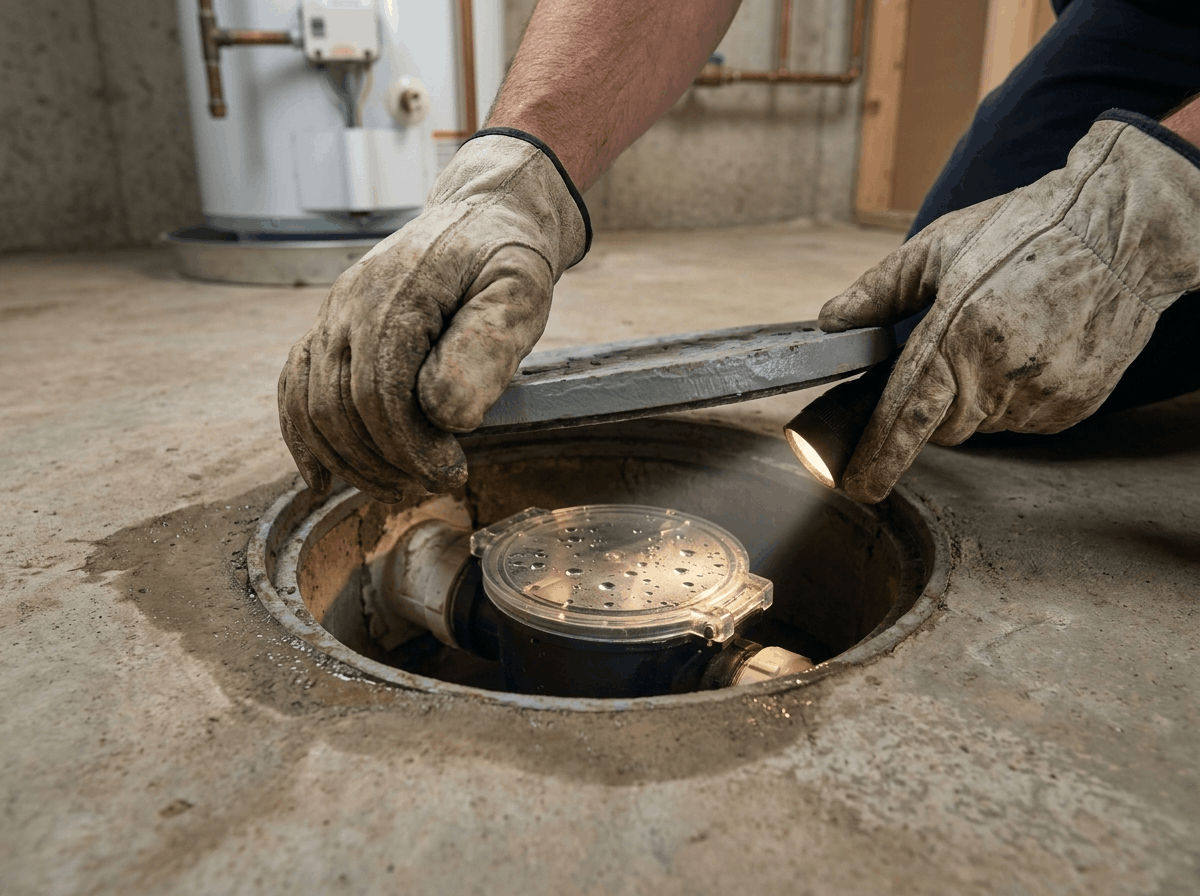
A backwater valve is the single most effective device for keeping sewage out of a finished basement. Installed on the sewer line, it allows wastewater to flow out of the house normally but closes automatically when water tries to flow back in. In practical terms, it turns a sewer surge into a non-event for the basement.
Most residential backwater valves use a flap or gate that stays open during normal flow and swings shut when pressure from the sewer side pushes against it. Some designs include a manual override that lets the homeowner close the valve during known high-risk events. Valves can protect the entire house when installed on the main lateral, or they can protect specific low fixtures such as a basement floor drain.
These valves must be installed by a licensed plumber, and permits may be required depending on the municipality. Placement matters: a valve protecting the whole house needs to be positioned so upstairs fixtures still drain normally, and it needs an accessible cover for inspection and cleaning. Many homeowners are surprised to learn that their home has never had one, especially in older properties where basements were finished long after the original plumbing was installed.
Floor Drain Plugs and Standpipes
For basement floor drains specifically, simpler devices such as floating ball check valves or threaded drain plugs can offer added protection. They are less comprehensive than a properly installed mainline backwater valve, but they can reduce the risk at one of the most common entry points. A plumber can recommend which options fit your system.
Maintaining Your Backwater Valve
A backwater valve only works if it can close freely. Debris, grease, or a stuck flap can hold it open at the worst possible moment. Plan to have the valve inspected and cleaned at least once a year, ideally in the fall before winter demand rises, and check it after any slow-drain warning signs. Keep the access cover clear so it can be reached quickly.
Sewer Line Maintenance That Stops Most Backups
Even the best valve is a last line of defense. The most reliable way to avoid a sewage cleanup is to keep the sewer line itself clear and in good condition. A few habits and a periodic professional check prevent the majority of residential backups:
- Keep grease out of drains: Let fats and oils cool in a container and throw them away. Hot water and dish soap do not prevent grease from hardening farther down the line.
- Flush only toilet paper: Wipes labeled flushable, paper towels, and hygiene products should go in the trash, not the toilet.
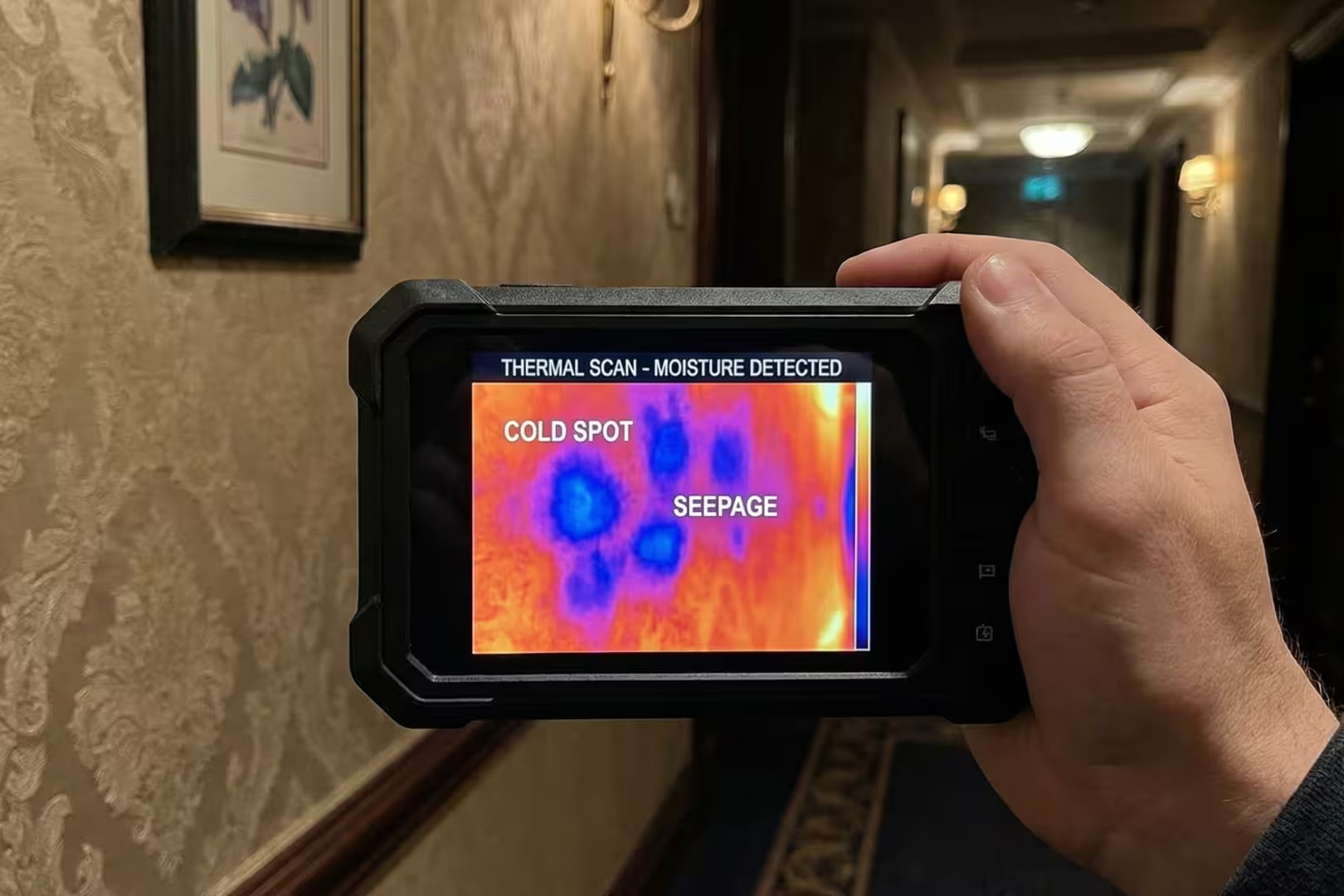
- Schedule a camera inspection: A licensed plumber can run a camera through the lateral to find roots, cracks, bellies, and buildup before they cause a backup. This is especially valuable for older homes.
- Address roots early: Roots that are cleared and the cracks they entered through that are repaired are far less likely to return quickly.
- Know your cleanout: Locate the sewer cleanout so a plumber can access the line quickly in an emergency.
- Watch for warning signs: Gurgling drains, slow drains in multiple fixtures, sewage odors, or water rising in a basement floor drain when upstairs fixtures run all signal a developing blockage.
If you notice those warning signs, stop using water in the home and call a plumber before the blockage worsens. For homes that experienced backups during summer storms, our article on why municipal lines fail during Denver storms explains how city-side surges differ from blockages in your own line.
What to Do If Sewage Backs Up Into Your Basement
Despite the best prevention, backups still happen. If sewage enters your finished basement, the first steps you take protect both your health and the home. Keep these priorities in mind:
- Stop using water — Do not flush, shower, or run appliances anywhere in the house, because every gallon adds to the backup.
- Keep people and pets out — Sewage contains bacteria and viruses, so avoid contact and keep the area closed off.
- Turn off power if water is near outlets — Only do this if you can reach the panel safely without standing in water.
- Do not try to clean it yourself — Household cleaners and shop vacuums do not safely remove Category 3 contamination from porous materials.
- Document and call — Photograph the damage, call a plumber to clear the line, and call a restoration team for professional sewage cleanup.
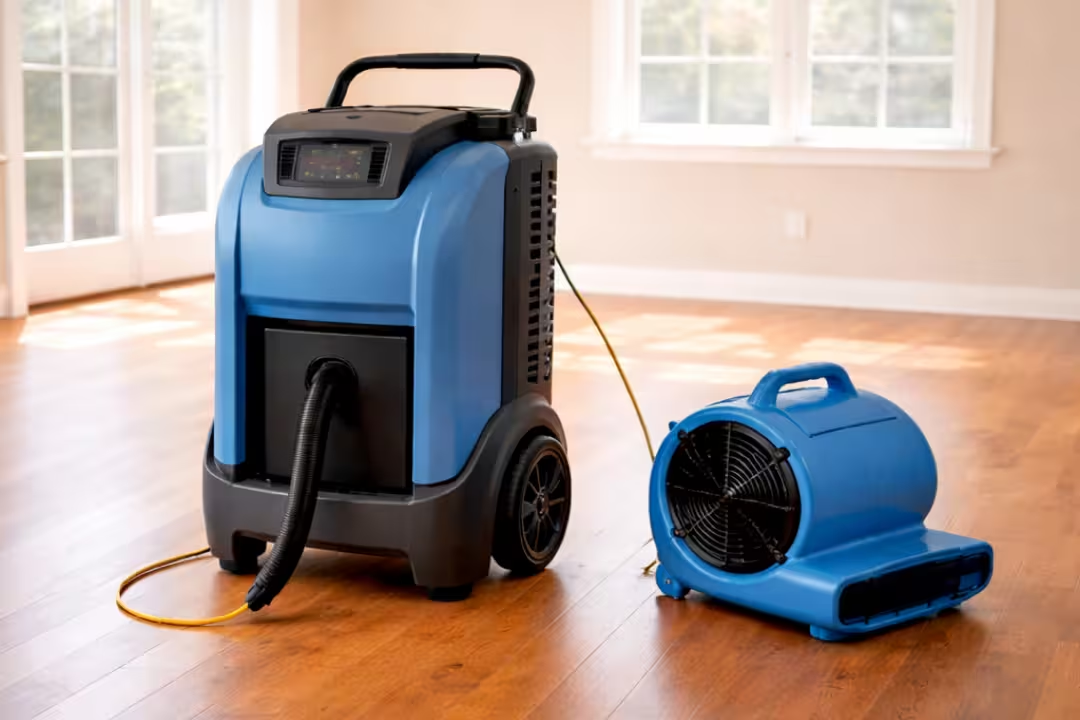
Professional sewage cleanup removes contaminated water, takes out affected porous materials such as carpet, pad, and lower drywall, disinfects the structure, and dries it thoroughly. Because sewage can affect far more than the floor, our biohazard cleanup protocols and structural drying and dehumidification work make sure the basement is both safe and dry before any rebuilding begins. You can contact us any time of day or night if a backup occurs.
Why Prevention Beats Sewage Cleanup Every Time
A backwater valve, a camera inspection, and a few good habits cost a small fraction of what a sewage backup in a finished basement can cost to repair. Prevention also avoids the disruption of having the lowest level of the home taken down to the studs, the health risks of contamination, and the possibility that an insurance policy without a sewer backup endorsement will not cover the loss.
The best time to act is before the heaviest winter demand on the system. Late fall is ideal for a valve inspection, a camera inspection of older lines, and a quick check of your homeowners policy for sewer and drain backup coverage.
When a backup does happen, fast response limits the damage. As the largest privately owned restoration company in Colorado, BoneDry responds 24/7 to sewage emergencies across the Denver metro, with the equipment and trained crews to contain, clean, and dry a basement quickly.
📞 Call BoneDry Services at (303) 276-4163 today for 24/7 sewage cleanup in Denver and across Boulder, Colorado Springs, and the Front Range.
Frequently Asked Questions
What is a backwater valve and do I need one?
A backwater valve is a device installed on a home's sewer line that lets wastewater flow out but closes automatically when sewage tries to flow back in. It is strongly recommended for any home with a finished basement or basement bathroom, because those fixtures are the lowest point in the plumbing system and the first place sewage will appear during a backup. A licensed plumber can assess your system and install the right type of valve.
Why does sewage come up through my basement floor drain?
During a backup, wastewater rises to the lowest open drain connected to the sewer line, which in most homes is the basement floor drain. If the line is blocked by grease, roots, or debris, any water used upstairs travels down, meets the blockage, and comes back up at that low point. Water rising in a floor drain when upstairs fixtures run is an early warning sign that the line needs attention.
Can I clean up a small sewage backup myself?
Sewage is Category 3 water, meaning it contains bacteria, viruses, and other pathogens. Even small backups can contaminate carpet, pad, drywall, and wood, which generally must be removed rather than cleaned. Household cleaners do not reliably disinfect these materials, and handling sewage without protective equipment carries health risks. Professional sewage cleanup safely removes contaminated materials, disinfects the structure, and dries the area to prevent mold.
How often should I have my sewer line inspected?
For older homes, or homes with mature trees near the sewer line, a camera inspection every one to two years is a sensible precaution. Homes with a history of slow drains or backups may benefit from more frequent checks. Fall is a good time to schedule an inspection, before winter demand and holiday use increase the load on the system. Any warning signs, such as gurgling or slow drains, warrant an inspection right away.
Does homeowners insurance cover sewage backup cleanup?
Many standard homeowners policies exclude sewer and drain backups unless a specific sewer backup endorsement has been added. Coverage limits under these endorsements also vary. Homeowners should review their policy and consider adding coverage, especially with a finished basement. When coverage applies, BoneDry works directly with insurance companies and provides detailed documentation of the damage and the sewage cleanup performed to support the claim.